Peach Prime Consultancy provides master planning and architectural concept design services for theme parks, museums, Family Entertainment Centres (FECs), water parks, adventure parks, snow parks, and integrated leisure destinations. We translate validated feasibility outcomes and client investment briefs into spatial frameworks, zone layouts, visitor flow systems, and architecture programmes that guide all downstream design, engineering, and construction work.
Master planning is the critical bridge between a project idea and a built destination. Without it, entertainment projects routinely suffer from poor visitor flow, misallocated space, oversized or undersized zones, infrastructure conflicts, and attraction adjacency problems that become expensive to resolve once construction has begun. Peach Prime’s master planning process is designed to surface and resolve all of these issues on paper before a single foundation is dug.
What Is Master Planning for an Entertainment Destination?
Master planning for an entertainment destination is the process of translating an approved concept and feasibility parameters into a comprehensive spatial framework. It defines what goes where on the site, how visitors move through the destination, how infrastructure and utilities are distributed, how zones relate to each other operationally and experientially, and what the architectural character of each zone will be.
A master plan for an entertainment destination operates at a strategic level above the building design. It answers the macro-level questions that shape every subsequent design decision: where is the entry plaza positioned relative to the car park? Which attractions are visible from the main arrival sequence? Where are the F&B nodes placed to intercept visitor flow at natural pause points? Where is the back-of-house access routed so it never crosses the visitor pathway? How are noise-generating attractions separated from quiet or younger-audience zones?
These questions cannot be answered by an architect designing individual buildings in isolation. They require a specialist who understands the operational logic and visitor psychology of entertainment environments specifically. A poorly positioned zone, an undersized queuing area, or a back-of-house road that conflicts with a visitor pathway will underperform or create daily operational friction regardless of how well the individual components are designed. These problems are only visible and correctable at the master planning stage.
Peach Prime prepares master plans that are rooted in visitor psychology, operational logic, and commercial performance. Every spatial decision we make is traceable to a clear rationale involving visitor experience, revenue impact, or operational efficiency.
Our Master Planning and Design Services
Peach Prime delivers master planning across four integrated service components. These are typically engaged together as a sequential process, but individual components can be commissioned separately depending on the stage of the project.
Concept Development | We develop the overarching destination concept including the narrative theme, zone structure, character and atmosphere guidelines for each zone, attraction hierarchy, and the complete visitor journey from arrival gate to exit. Concept development produces the creative and strategic brief that all subsequent design work must follow. It defines the emotional experience the destination must deliver, alongside the commercial and operational requirements it must meet. |
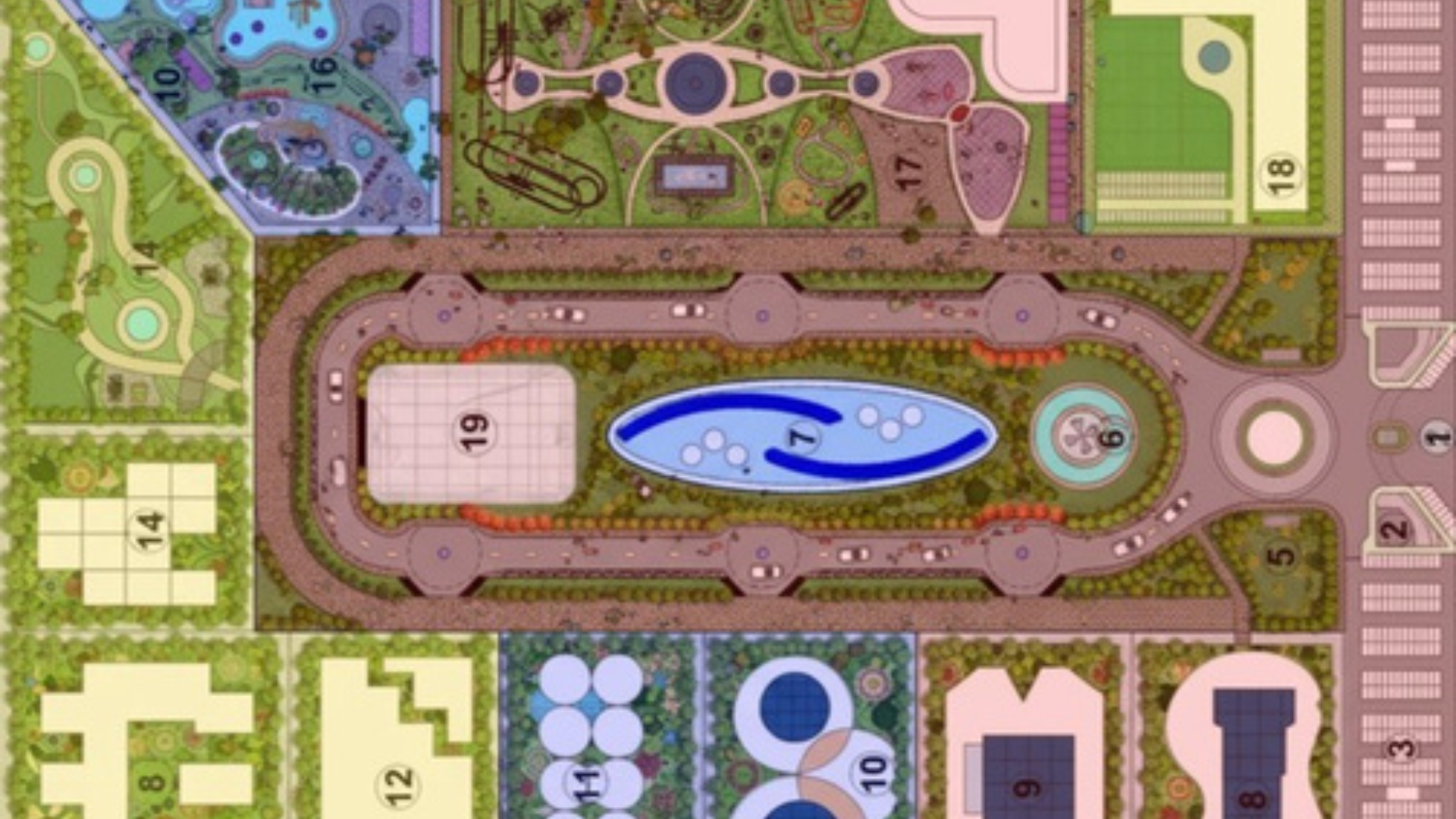
Zone Planning and Design | Zone planning translates the approved concept into a spatial layout, defining the size, position, adjacency, internal programming, and visitor capacity of each zone across the site. We produce zone planning drawings, zone character description documents, attraction placement rationale, and pedestrian flow diagrams. Zone planning is the stage at which the concept becomes a real, buildable site plan with clearly defined spatial logic. |
Architecture Programme | The architecture programme is the definitive brief for the architectural and engineering design team. It specifies every building, structure, and open space component of the destination with floor areas, height envelopes, structural type, mechanical and electrical requirements, accessibility provisions, and design intent notes. A properly prepared architecture programme ensures the architectural team designs to the actual operational needs of an entertainment destination rather than applying standard commercial building templates. |
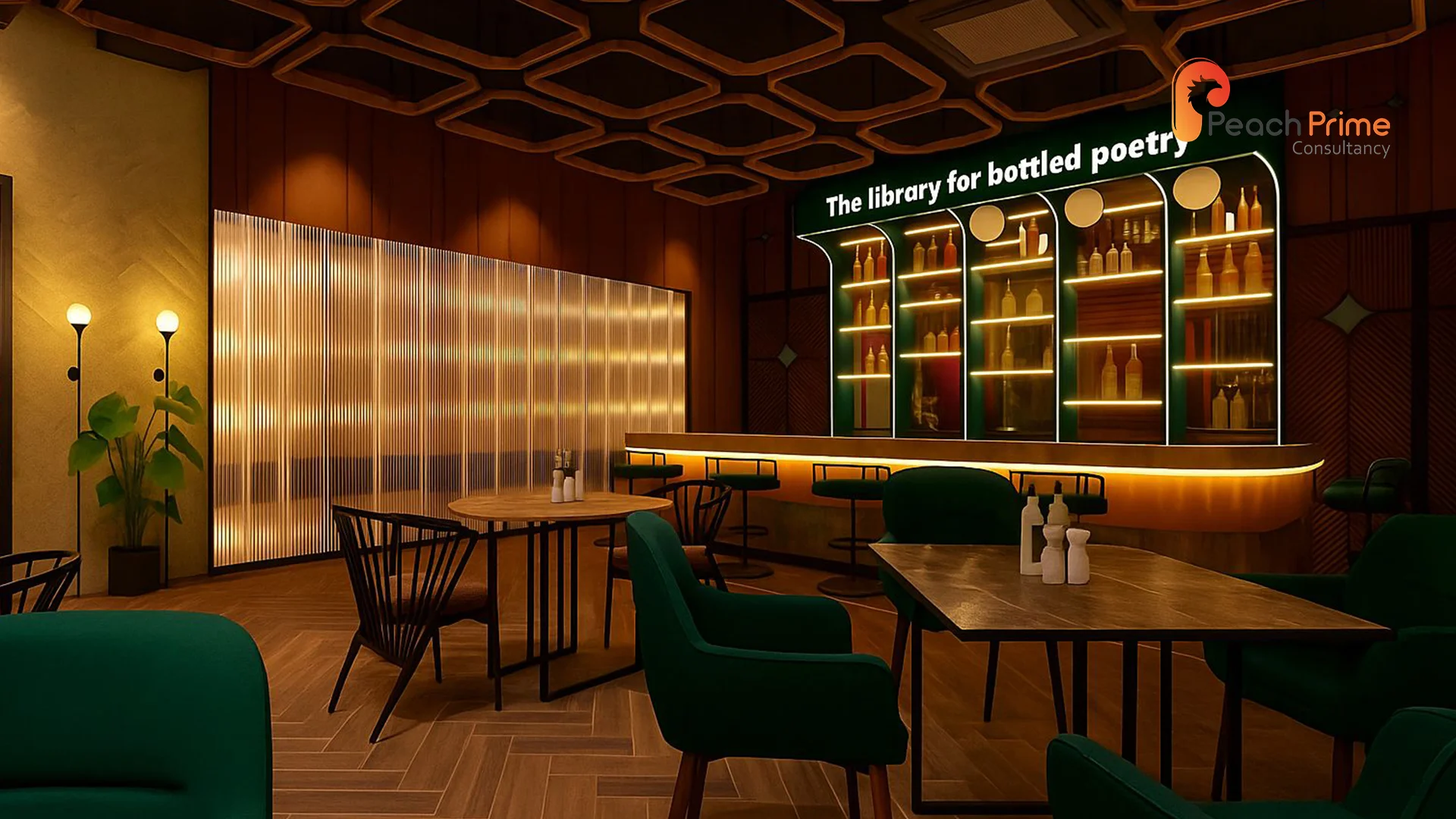
3D Walkthrough Visualisation | We produce 3D walkthrough visualisations that allow clients, investors, government approvers, and design review committees to experience the destination concept spatially before any design or construction commitment is made. Visualisation at the master planning stage is one of the most effective tools for resolving misalignments between client expectations and design intent, and for communicating the destination vision to non-technical stakeholders such as boards, government bodies, and funding committees. |
How Peach Prime Delivers a Master Plan
Our master planning process follows six structured phases. Each phase builds on the outputs of the previous phase and produces specific deliverables that the client reviews and approves before the next phase begins. This staged approach prevents costly rework and ensures the master plan reflects both the client’s vision and the operational and commercial realities of the destination.
Phase | What We Deliver |
Phase 1 Site Analysis and Constraints Mapping | We conduct a detailed site analysis covering topography, existing structures and vegetation, utility access points, prevailing wind direction and solar orientation, vehicular access routes, and any planning or regulatory constraints on the site. Site constraints and opportunities directly shape the master plan layout, and many poor design decisions in entertainment projects can be traced to inadequate site analysis at this stage. |
Phase 2 Visitor Flow Modelling | We model the movement of visitors from the car park and primary entry point through all zones to secondary exits and back-of-house areas. We identify potential bottlenecks, peak queuing locations, shade requirement zones, rest node positions, emergency evacuation routes, and cross-flow conflict points. Visitor flow modelling is one of the most technically important stages of master planning for entertainment destinations because poor flow directly reduces visitor satisfaction and per-visit revenue. |
Phase 3 Zone Allocation and Layout Options | We produce two to three zone allocation layout options, each placing zones in different configurations relative to site constraints, visitor flow, operational access, noise separation, and visual hierarchy. We present each option with a clear rationale covering the advantages and trade-offs, and recommend the optimal layout with documented reasoning. |
Phase 4 Infrastructure and Utilities Integration | We map the location and sizing of all key infrastructure within the master plan, including back-of-house access roads, utilities corridors, central plant rooms, water storage and treatment facilities, staff facilities, first aid and security posts, storage and loading areas, and waste management systems. Infrastructure integration into the master plan prevents utility routes from conflicting with visitor areas or requiring expensive retrofitting during construction. |
Phase 5 Architecture Programme Preparation | We prepare the full architecture programme document specifying every component of the destination. This document is the primary brief issued to the appointed architect and structural engineering team. A well-prepared architecture programme reduces the number of design iterations required and ensures the architectural design brief accurately reflects the operational needs of an entertainment destination. |
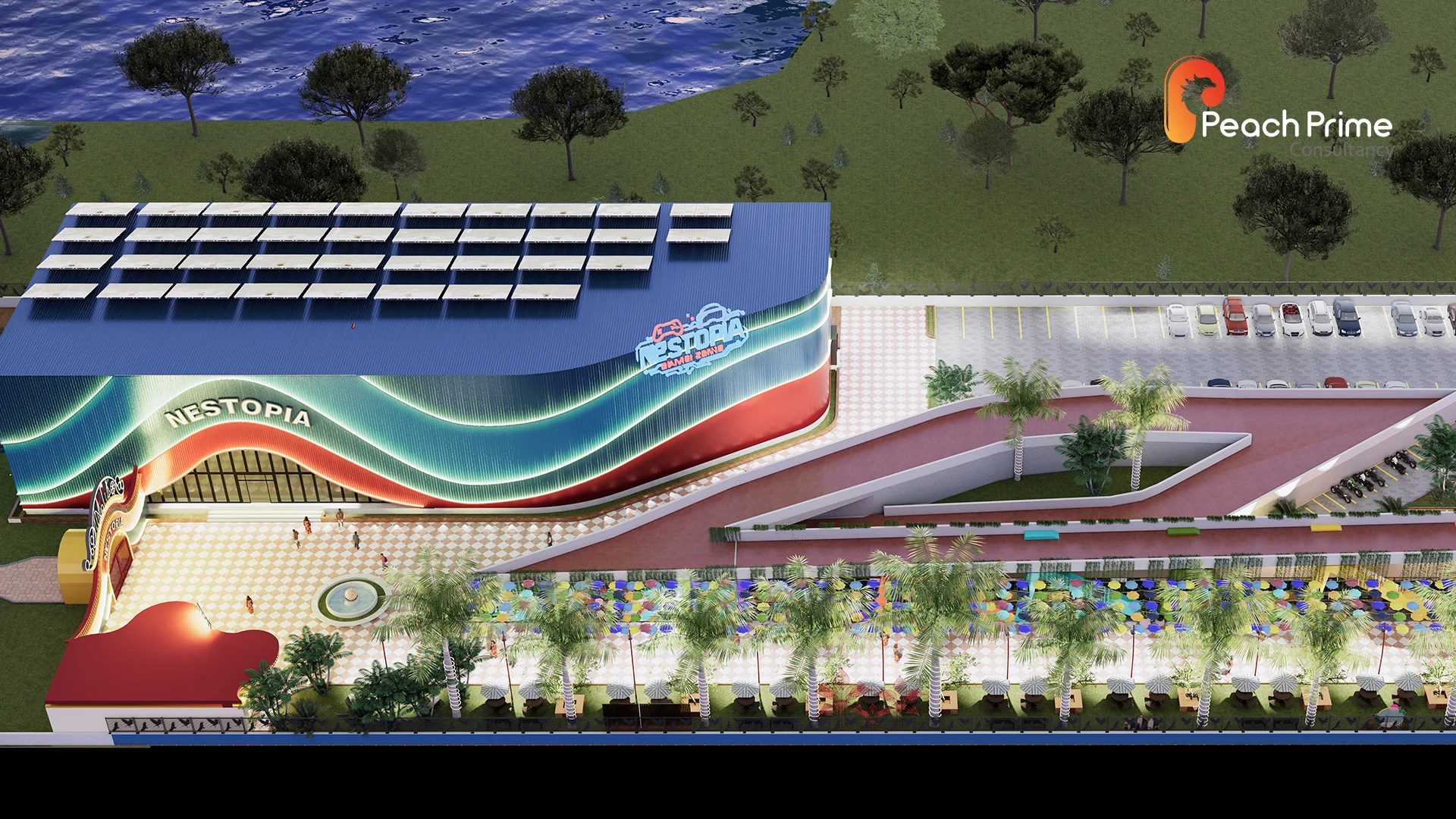
Phase 6 3D Visualisation and Stakeholder Presentation | We produce rendered 3D visuals and a walkthrough animation of the approved master plan. This material is used for client and investor approvals, government planning submissions, tender documentation, and pre-sales or pre-leasing presentations. Visualisation at this stage consistently reduces the number of revision cycles required in subsequent detailed design phases. |
Who Commissions Master Planning from Peach Prime?
- Investors and developers who have completed a feasibility study and need to move to spatial design before appointing an architect
- Land owners with a defined site who need a concept layout and architecture programme to evaluate development options or attract investment partners
- Government bodies and municipal corporations who need a master plan as part of a project approval, tender submission, or public stakeholder presentation
- Resort and hospitality developers integrating new leisure zones, attractions, or entertainment components into existing properties
- Real estate developers planning mixed-use projects that incorporate theme parks, FECs, water parks, or other entertainment anchor uses
- Clients who have an existing master plan prepared by a general architect and need it reviewed and optimised for entertainment-specific visitor flow and operational performance
Why Master Planning for Entertainment Destinations Requires a Specialist
General architectural firms do not typically have experience with the specific spatial and operational requirements of entertainment destinations. A shopping mall planner optimises retail frontage and anchor store placement. A residential planner optimises unit mix and green space ratios. An entertainment destination master planner must optimise visitor dwell time, attraction throughput, queue management, peak load distribution, thematic coherence across zones, and the balance between high-energy and low-energy experience zones. These are fundamentally different disciplines.
Entertainment-specific expertise: Peach Prime has delivered master plans for theme parks, FECs, museums, water parks, adventure parks, and public leisure destinations. We understand the zone adjacency rules, throughput calculations, and visitor flow principles that are specific to entertainment environments and that general architects are not trained to apply.
Feasibility-to-design continuity: When Peach Prime has prepared the feasibility study, our master plan is directly aligned with the visitor projections, zone programming, and attraction mix that the feasibility established. There is no translation loss between the financial model and the physical plan. This prevents the common problem of a master plan that looks compelling visually but cannot achieve the footfall and revenue assumptions the investor is relying on.
Operational intelligence built in: Our master plans include back-of-house systems, staff circulation routes, maintenance access, waste management, and utility distribution as integral components rather than afterthoughts. This reduces expensive redesign during the construction phase when conflicts between visitor and operational spaces are discovered too late.
Visualisation before commitment: We produce 3D walkthroughs that allow every stakeholder, from the investor to the government approver to the operational team, to walk through the destination before any construction decision is finalised. This single step prevents more costly revisions than almost any other part of the planning process.
Frequently Asked Questions: Master Planning for Entertainment Destinations
Q1. What is master planning for a theme park or entertainment destination?
Master planning is the process of organizing an entire entertainment destination on the site – zoning attractions, guest flow, entry/exit, F&B and retail placement, utilities, parking, and expansion phases – into one coordinated blueprint before detailed design begins.
Q2. How long does master planning take?
A master plan for an entertainment destination typically takes 8 to 16 weeks depending on site size and complexity. This includes concept development, zoning studies, visitor flow simulation, architecture programming, and 3D visualization.
Q3. What is the difference between a concept plan and a master plan?
A concept plan is the creative vision – theme, story, attraction ideas. A master plan converts that vision into a technically coordinated site layout with dimensions, capacities, infrastructure, phasing, and costs. Investors fund master plans, not concepts.
Q4. Why is visitor flow planning important in park design?
Visitor flow determines how many guests a park can handle, how long they stay, and how much they spend. Poor flow creates bottlenecks, dead zones, and lost F&B revenue; good flow design increases per-capita spending by 20–30% through strategic placement of attractions, food, and retail.
Q5. What is included in a 3D walkthrough of a master plan?
A navigable, photorealistic 3D model of the entire destination – every zone, attraction, facade, and landscape – allowing investors and stakeholders to experience the park before construction. It is also a powerful tool for pre-selling to sponsors, tenants, and lenders.
Q6. Can a master plan be built in phases?
Yes – good master plans are designed for phasing. We structure plans so Phase 1 operates profitably on its own while land, utilities, and guest flow are pre-planned for Phases 2 and 3, letting revenue fund expansion.