Peach Prime Consultancy provides theme restaurant design and concept consultancy services for hospitality operators, resort developers, mall and commercial real estate owners, entertainment destination developers, and F&B entrepreneurs planning immersive dining environments. We cover the full scope of theme restaurant consultancy from concept development and interior theme design through to furniture and props design, technology integration, kitchen and service flow planning, and execution advisory.
A theme restaurant is a dining environment in which the interior design, props, lighting, sound, and in many cases technology create an immersive world that becomes as much a part of the dining experience as the food and service. Theme restaurants that are conceptually coherent, visually spectacular, and operationally well planned command premium pricing, generate strong social media visibility, attract visitors who would not otherwise patronise a standard restaurant at the same location, and create the kind of memorable experience that drives strong word-of-mouth and repeat visits. Peach Prime designs theme restaurants with all of these commercial objectives built into the creative and spatial design from the outset.
What Is a Theme Restaurant and What Does Designing One Involve?
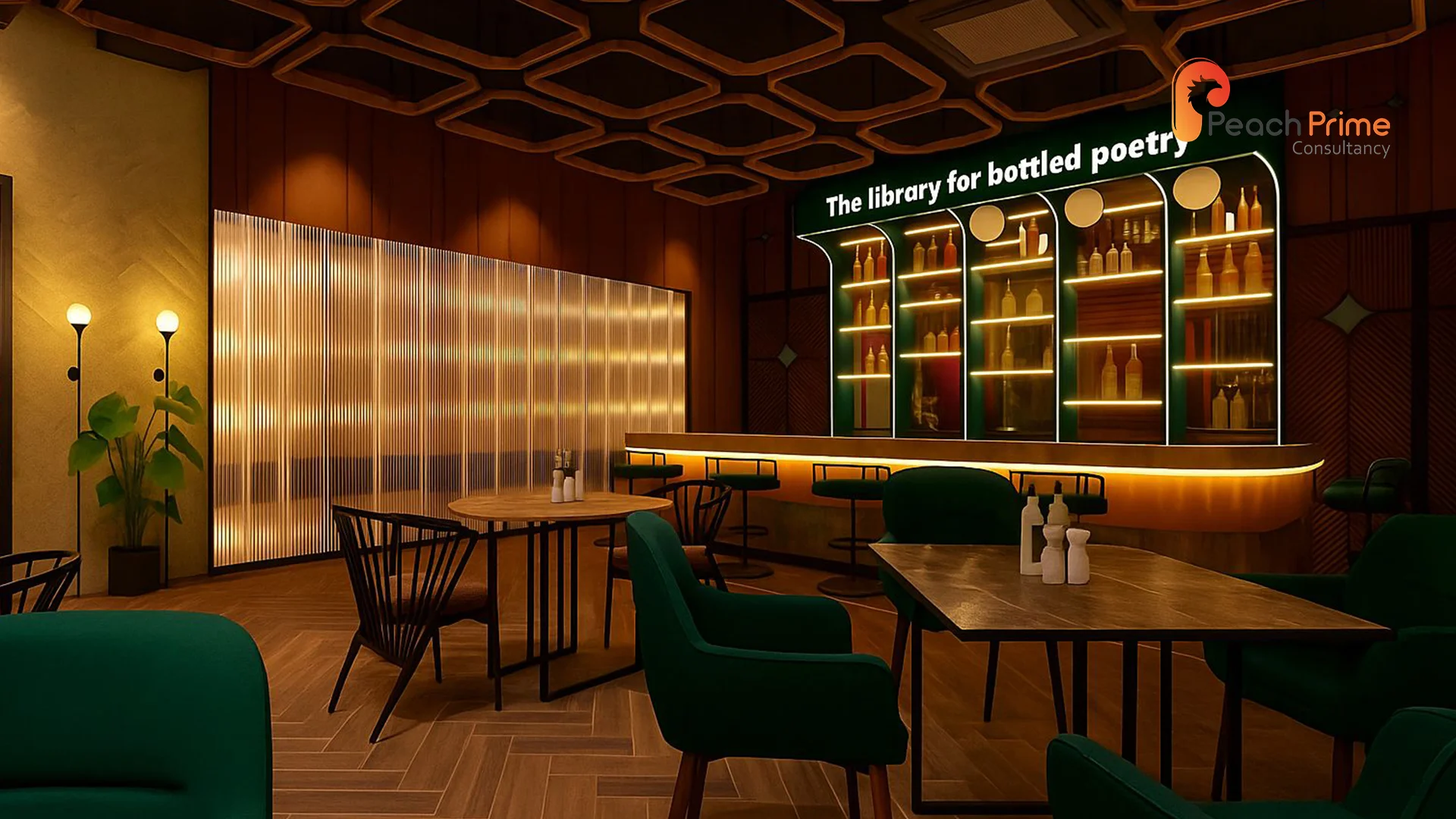
A theme restaurant is a food and beverage venue in which the dining environment is designed around a specific narrative concept, aesthetic world, or immersive setting that goes significantly beyond standard interior decoration. The theme permeates every visible and sensory element of the space: the architectural treatment of walls, ceilings, and floors; the furniture design and material palette; the props, decorative objects, and sculptural elements; the lighting design and colour atmosphere; the sound environment; the staff uniforms and service style; and in many contemporary theme restaurants, the digital and technology elements that create dynamic visual or interactive experiences within the dining space.
The design challenge of a theme restaurant is to create an environment that is immersive and distinctive enough to justify a premium dining experience, while also being a practical and efficient space for food preparation, service, and hospitality operations. A theme restaurant that is visually spectacular but operationally dysfunctional, with poor kitchen workflow, inadequate storage, inefficient service routes, or acoustic conditions that make conversation impossible, will not sustain the quality of the guest experience that its concept promises.
Theme restaurant design consultancy covers the concept development, interior design brief, furniture and props specification, lighting design, technology integration planning, kitchen and service flow layout, and execution coordination that together produce a theme restaurant from initial idea to operational venue. Peach Prime approaches theme restaurant design as both a creative and an operational discipline, ensuring the finished environment is a compelling destination to visit and a functional business to operate.
Our Theme Restaurant Design Services
Peach Prime delivers theme restaurant design across three core service areas covering the complete creative, spatial, and technical scope of the project.
Interior Concept Design | We develop the interior concept design for the theme restaurant, defining the narrative world of the dining environment, the architectural treatment of all surfaces and spatial elements, the material and colour palette, the furniture typology and placement strategy, the lighting design concept including ambient, accent, and feature lighting, the sound environment concept, and the overall guest experience journey from entry through the dining experience to departure. The interior concept design is produced as a concept document with mood references, spatial character descriptions, and illustrative sketches or renders that communicate the creative intent to the client and to the appointed interior architect and fit-out contractor. |
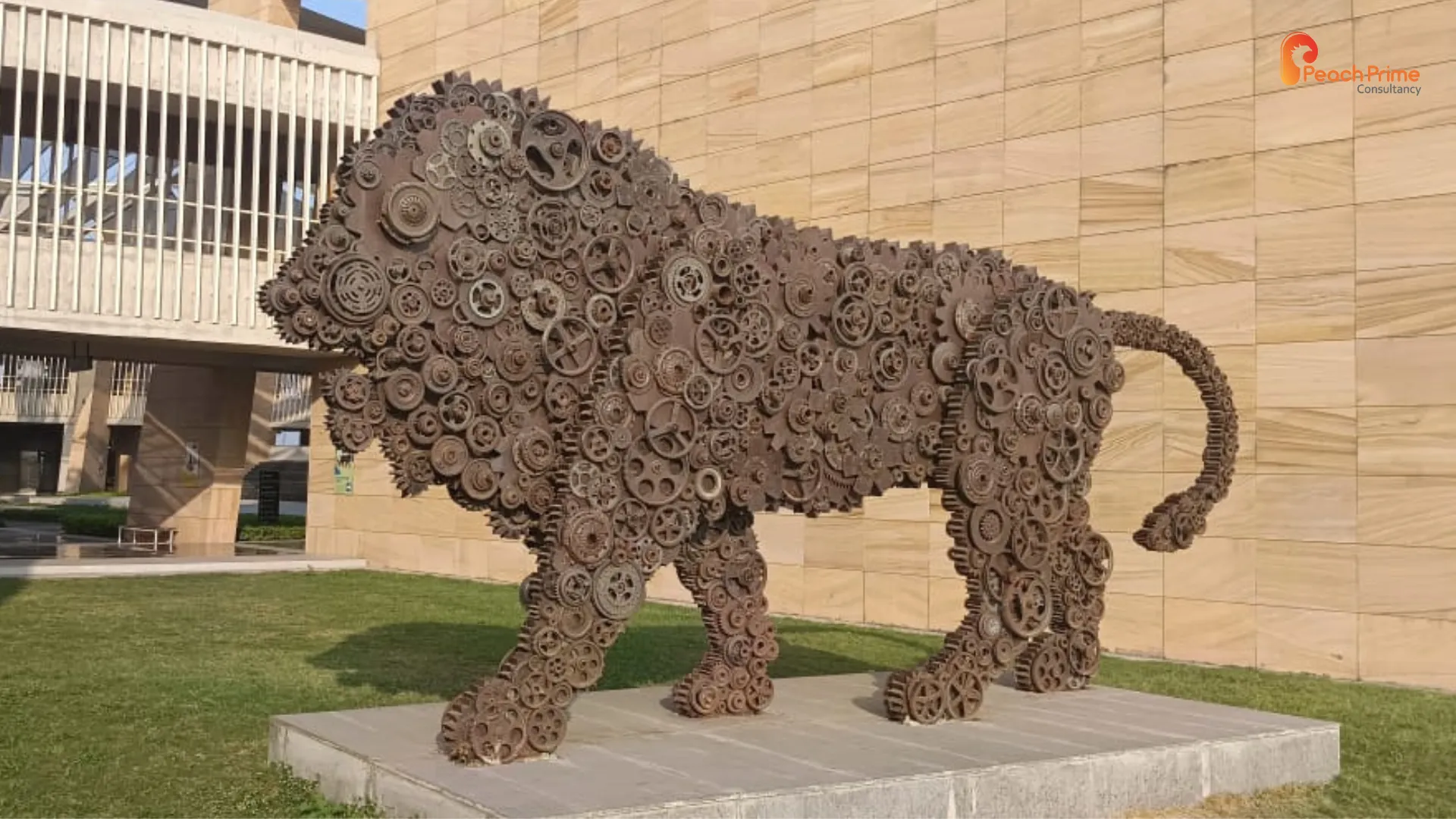
Furniture and Props Design | Furniture and props are the most tangible elements of a theme restaurant’s identity. We design custom furniture pieces and bespoke prop installations that carry the restaurant’s thematic concept throughout the space, creating the immersive character that generic commercial furniture cannot deliver. Furniture design covers seating typologies, table designs, bar and counter elements, and built-in feature pieces. Props design covers decorative objects, sculptural installations, themed artefacts, textural surface treatments, and any large-scale feature elements that serve as the visual focal points of the dining environment. We produce design drawings and specifications for all custom furniture and prop elements suitable for briefing fabricators. |
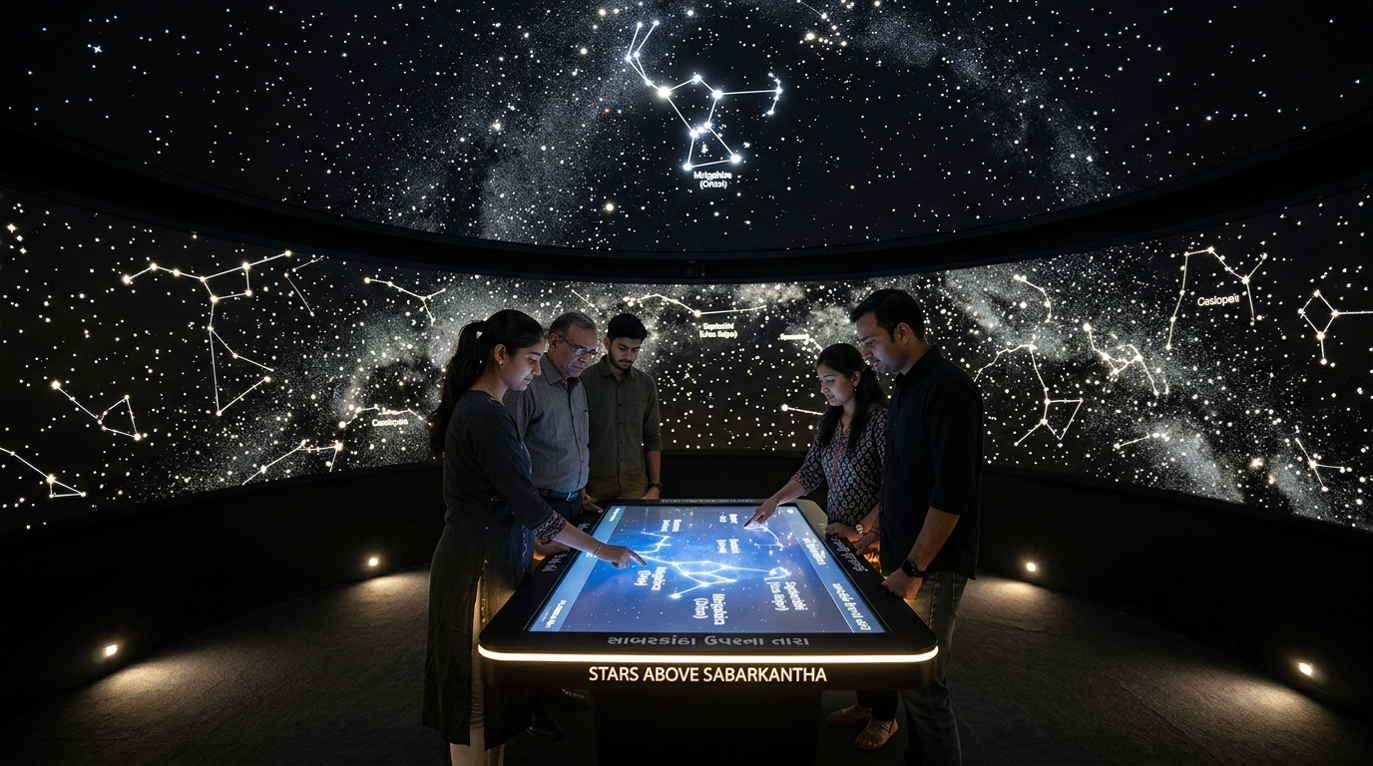
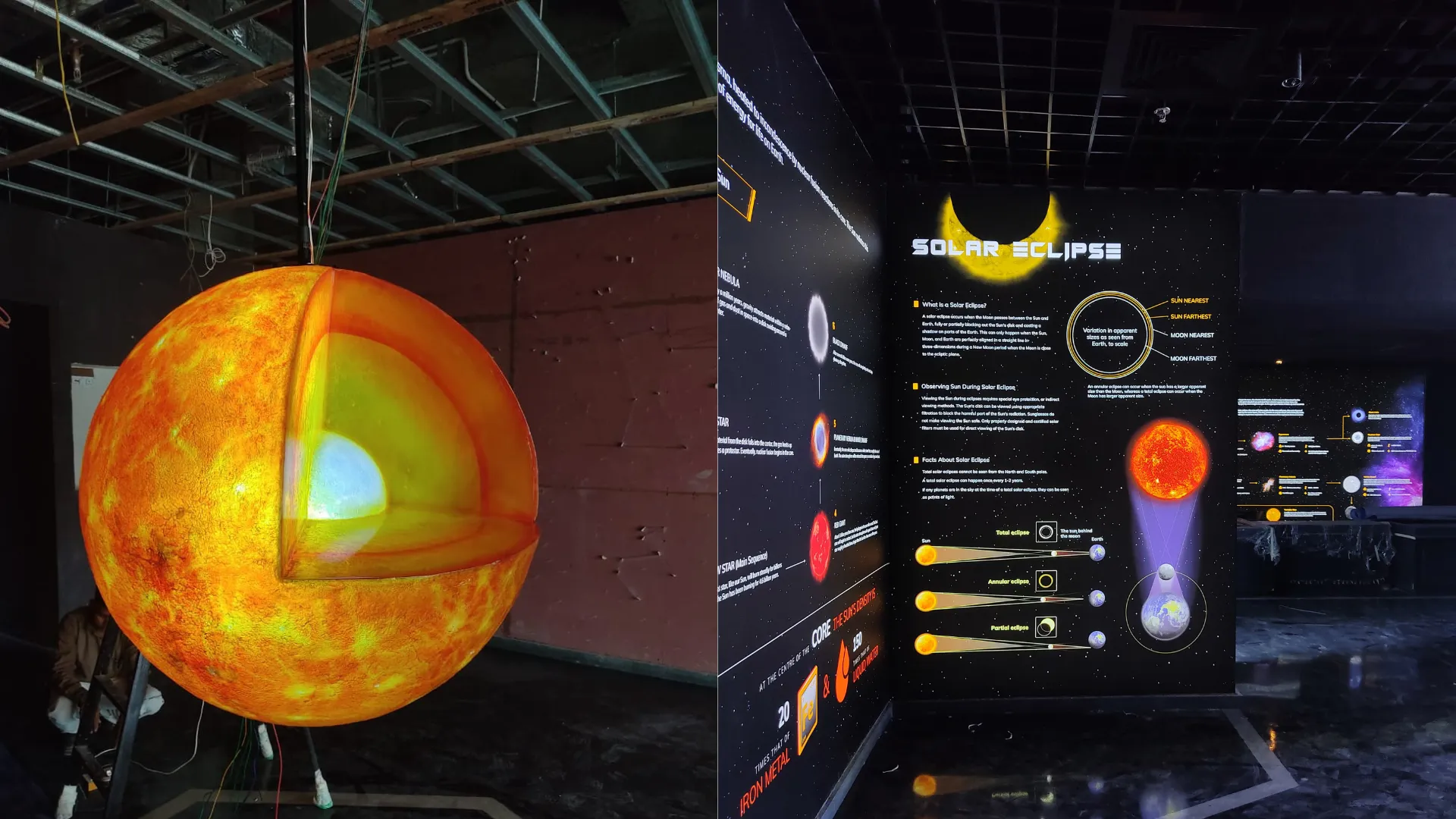
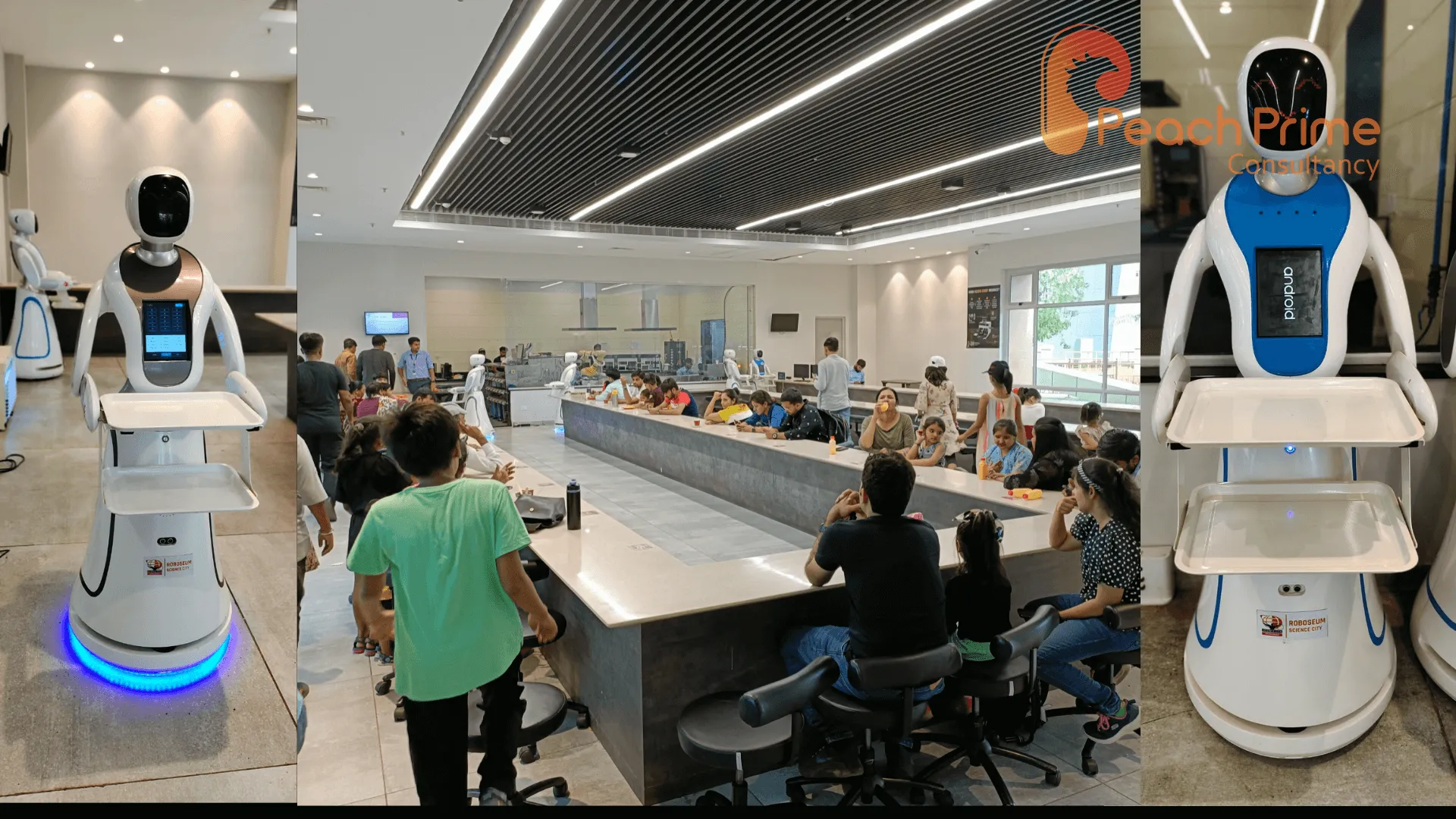
Technology Integration | Contemporary theme restaurants increasingly use technology to create dynamic visual environments that enhance the immersive quality of the dining experience. We plan and specify technology integrations for theme restaurants including projection mapping onto walls, ceilings, and table surfaces, LED display panels integrated into the interior design, interactive table surfaces, spatial audio systems that create directional sound environments, and lighting control systems that change the atmosphere of the space for different dining occasions or through the course of an evening service. Technology integration is planned as a unified system within the overall interior design rather than as an add-on applied after the physical environment is complete. |
How Peach Prime Designs a Theme Restaurant
Our theme restaurant design process follows six structured phases from concept development through to pre-opening operational review. Each phase has defined deliverables and client approval gates before proceeding.
Phase | What We Deliver |
Phase 1 Concept Brief and Market Context | We begin with a thorough brief covering the target dining demographic, the location and competitive context of the restaurant, the cuisine and service style, the investment budget for the fit-out, the operator’s brand values and vision, and any specific thematic directions the client wants to explore. We also review the competitive dining landscape in the relevant market to identify white space opportunities for thematic positioning and pricing tier. The concept brief document produced at this phase guides the creative direction of all subsequent design work. |
Phase 2 Theme Concept Development | We develop two to three theme concept directions, each presenting a distinct narrative world with supporting mood references, spatial character descriptions, proposed material palette, furniture typology, and illustrative references. We present each direction with commercial rationale, explaining how the theme concept positions the restaurant in the market, what premium it justifies, and who the target guest demographic is. We recommend the optimal concept direction and develop it into the approved creative brief. |
Phase 3 Interior Design Brief and Space Planning | We produce the interior design brief and space plan for the theme restaurant, defining the spatial layout, seating configuration, kitchen and service infrastructure requirements, bar layout, private dining provisions, and back-of-house flow. The space plan is produced in coordination with the kitchen consultant to ensure the front-of-house design is compatible with the operational kitchen and service model. The interior design brief specifies surface treatments, material specifications, lighting design intent, and furniture typologies for each zone of the restaurant. |
Phase 4 Furniture, Props, and Technology Specification | We produce detailed design drawings and specifications for all custom furniture pieces, bespoke prop installations, and technology systems in the restaurant. Furniture and props specifications include dimensions, materials, finishes, fabrication methods, and installation requirements. Technology specifications cover hardware, software, installation positions, power and data requirements, and integration with the lighting control and audio systems. These documents are used to procure fabricators, prop suppliers, and technology vendors. |
Phase 5 Lighting Design | We produce the detailed lighting design for the theme restaurant, specifying every fixture in the scheme with position, type, direction, colour temperature, dimming capability, and control address. Lighting in a theme restaurant must serve multiple functions simultaneously: creating the atmospheric immersion of the thematic concept, providing functional illumination for safe and comfortable dining, highlighting feature elements and food presentation, and adjusting dynamically between the different service occasions and times of day. The lighting design is produced as a complete drawing set and specification for the appointed electrical contractor. |
Phase 6 Execution Coordination and Pre-Opening Review | We coordinate the fit-out process, reviewing contractor and fabricator work against design specifications, resolving design intent questions that arise during installation, and ensuring the finished environment matches the approved concept. We conduct a pre-opening review of the completed restaurant covering the quality of all installed elements, the performance of all technology systems, the functionality of the kitchen and service flow, and the overall experiential quality of the dining environment before the restaurant opens to guests. |
Types of Theme Restaurant Projects We Work On
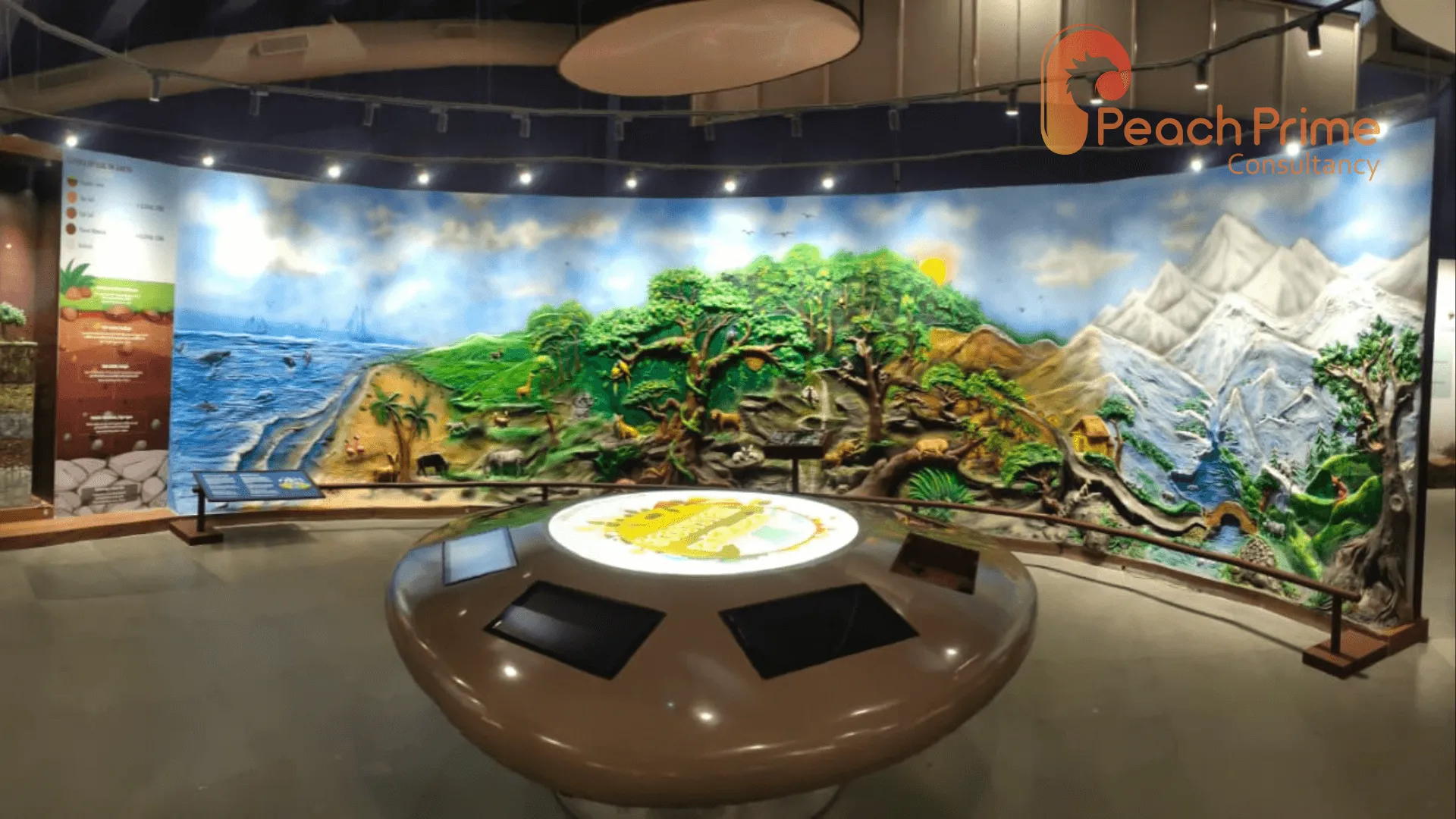
- Nature and forest-themed restaurants bringing the outdoors inside through organic materials, live planting, nature sounds, and botanical visual environments
- Historical and heritage-themed dining environments recreating specific historical periods, civilisations, or cultural settings as immersive dining backdrops
- Fantasy and fictional world restaurants building dining environments around mythological, fantastical, or narrative fiction themes
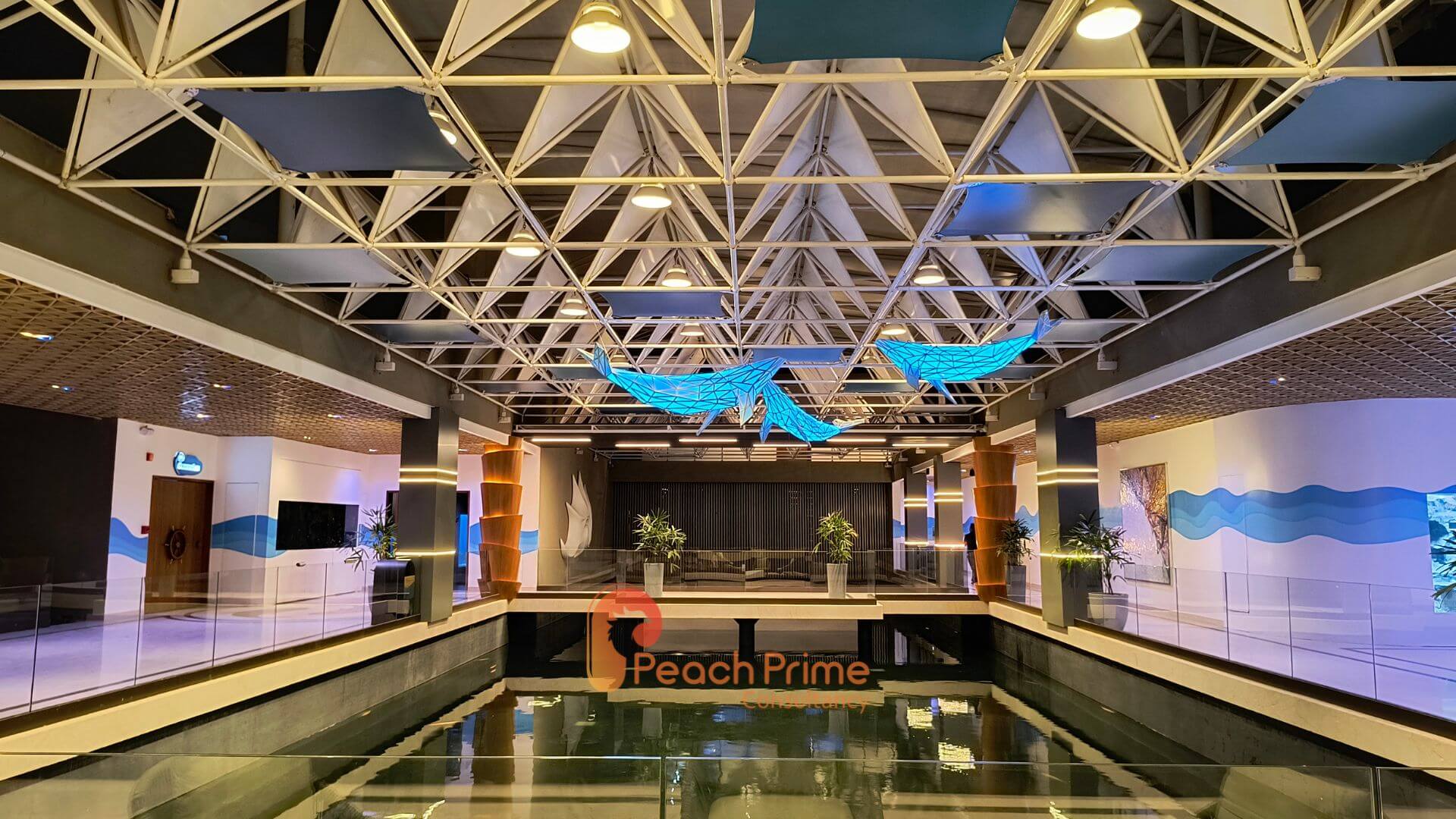
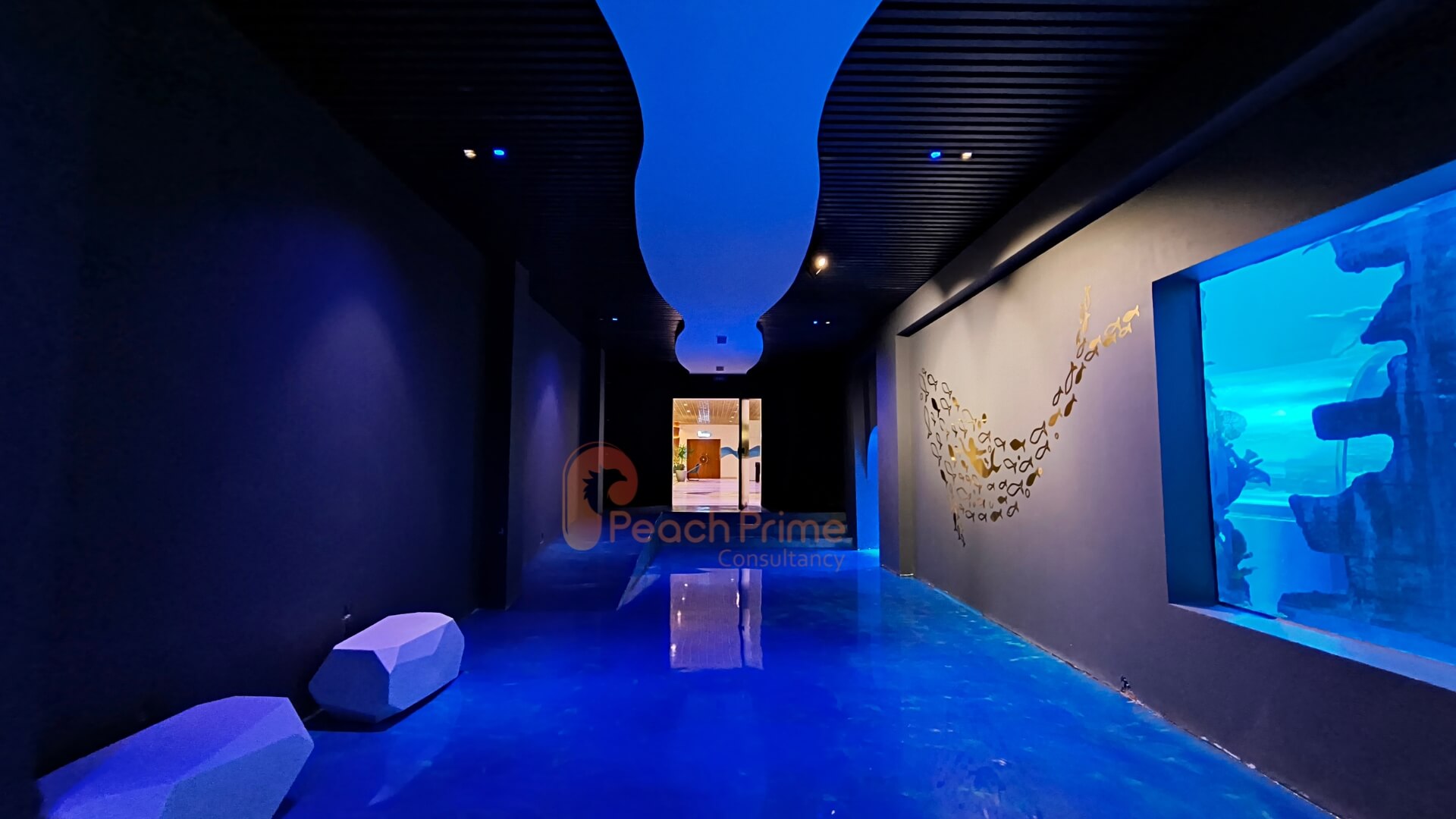
- Underwater and ocean-themed dining environments using aquarium displays, oceanic theming, and deep-sea atmospheric design
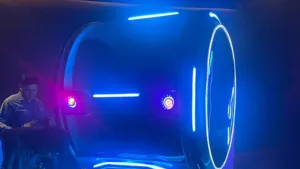
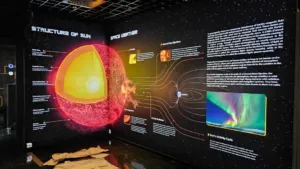
- Space and sci-fi themed restaurants using futuristic design language, LED environments, and technology integration to create otherworldly dining spaces
- Cultural and regional heritage restaurants celebrating specific culinary and cultural traditions through authentic thematic environments
- Dark dining and sensory experience restaurants designed around unconventional dining formats including dining in darkness or multi-sensory tasting experiences
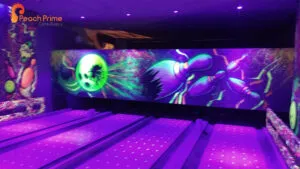
- F&B components within theme parks, FECs, resorts, and leisure destinations designed to carry the thematic identity of the wider destination into the dining environment
Why Choose Peach Prime Consultancy for Theme Restaurant Design?
Entertainment destination experience applied to dining: Peach Prime’s background in theme park, FEC, and immersive experience design gives us a depth of knowledge in narrative environment creation and immersive spatial design that most restaurant interior designers do not possess. We apply the same storytelling rigour to a theme restaurant concept that we apply to a theme park zone, ensuring the dining environment creates genuine immersion rather than superficial decoration.
Operational practicality as a design constraint: A theme restaurant concept that looks spectacular in renders but creates an operationally dysfunctional dining environment is a failure regardless of its visual quality. Peach Prime designs theme restaurants with service flow, kitchen access, storage, acoustic comfort, and maintenance practicality as explicit design constraints from the start. The creative concept is developed within operational parameters rather than applied on top of them.
Technology integration that enhances rather than distracts: Technology in a theme restaurant should deepen the immersive quality of the dining experience, not compete with it for attention. Peach Prime plans technology integrations that serve the thematic concept, creating ambient visual environments and atmospheric enhancements that guests notice as part of the experience rather than as separate technical features. Technology is specified to be operationally reliable, maintainable by restaurant staff, and appropriate for the acoustic and visual requirements of the dining context.
Custom furniture and props as brand investment: Generic commercial furniture undermines the thematic credibility of a concept-driven restaurant regardless of how well the architectural environment is executed. Peach Prime designs custom furniture and bespoke props that are integral to the thematic identity of the restaurant, creating a visual environment that cannot be replicated by competitors using the same off-the-shelf furniture catalogues. Custom furniture and props are designed within realistic fabrication budgets and specified with durability and maintenance requirements appropriate for a busy commercial dining environment.
Frequently Asked Questions: Theme Restaurant Design
Q1. What is a theme restaurant?
A theme restaurant is a dining venue built around an immersive concept – jungle, space, heritage, cartoon, or story worlds – where interiors, furniture, lighting, music, menu, and staff presentation all serve one narrative, making the meal an experience worth traveling for.
Q2. How much does theme restaurant design cost in India?
Theme restaurant fit-outs typically cost ₹2,500–7,000 per sq ft depending on theming intensity, custom furniture, and technology – roughly ₹1.5–7 crore for a 5,000–10,000 sq ft venue.
Q3. Why do theme restaurants outperform regular restaurants?
They command 20–40% price premiums, generate constant social media content, attract celebration bookings, and build destination status – customers travel specifically for the experience, reducing dependence on location footfall.
Q4. What is included in theme restaurant design services?
Concept and story development, interior design, custom furniture design, themed facade, lighting and AV design, technology integration (interactive tables, projection, animatronics), and menu-experience alignment.
Q5. How long does a theme restaurant take to design and build?
Typically 4–8 months: concept and design 6–10 weeks, fabrication and fit-out 10–20 weeks – custom theming elements are usually the schedule driver.
Q6. What theme restaurant trends are working in India?
Immersive projection dining, jungle/rainforest themes with animatronics, retro-nostalgia concepts, character dining for families, and “eatertainment” hybrids combining dining with games or mini-attractions.