A Detailed Project Report (DPR) for tender begins with a comprehensive overview of the project and its scope. At Peach Prime Consultancy, we define the project’s objectives, deliverables, and key milestones, outlining the overall vision. This phase includes a clear description of the project’s components, such as design, construction, and operations, ensuring that all aspects are aligned with the tender requirements. The scope serves as a foundation for the entire project, guiding the tender process.

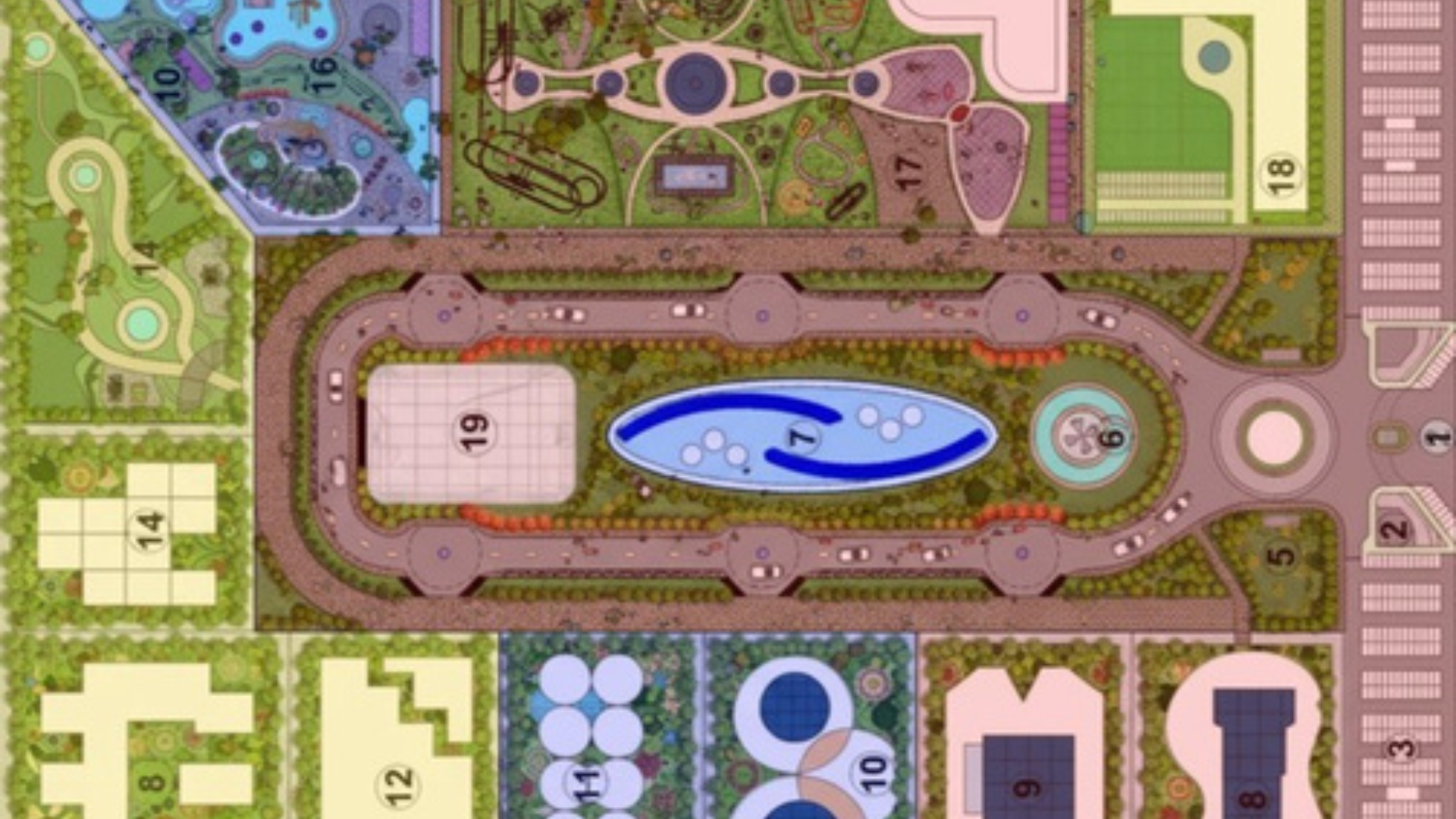
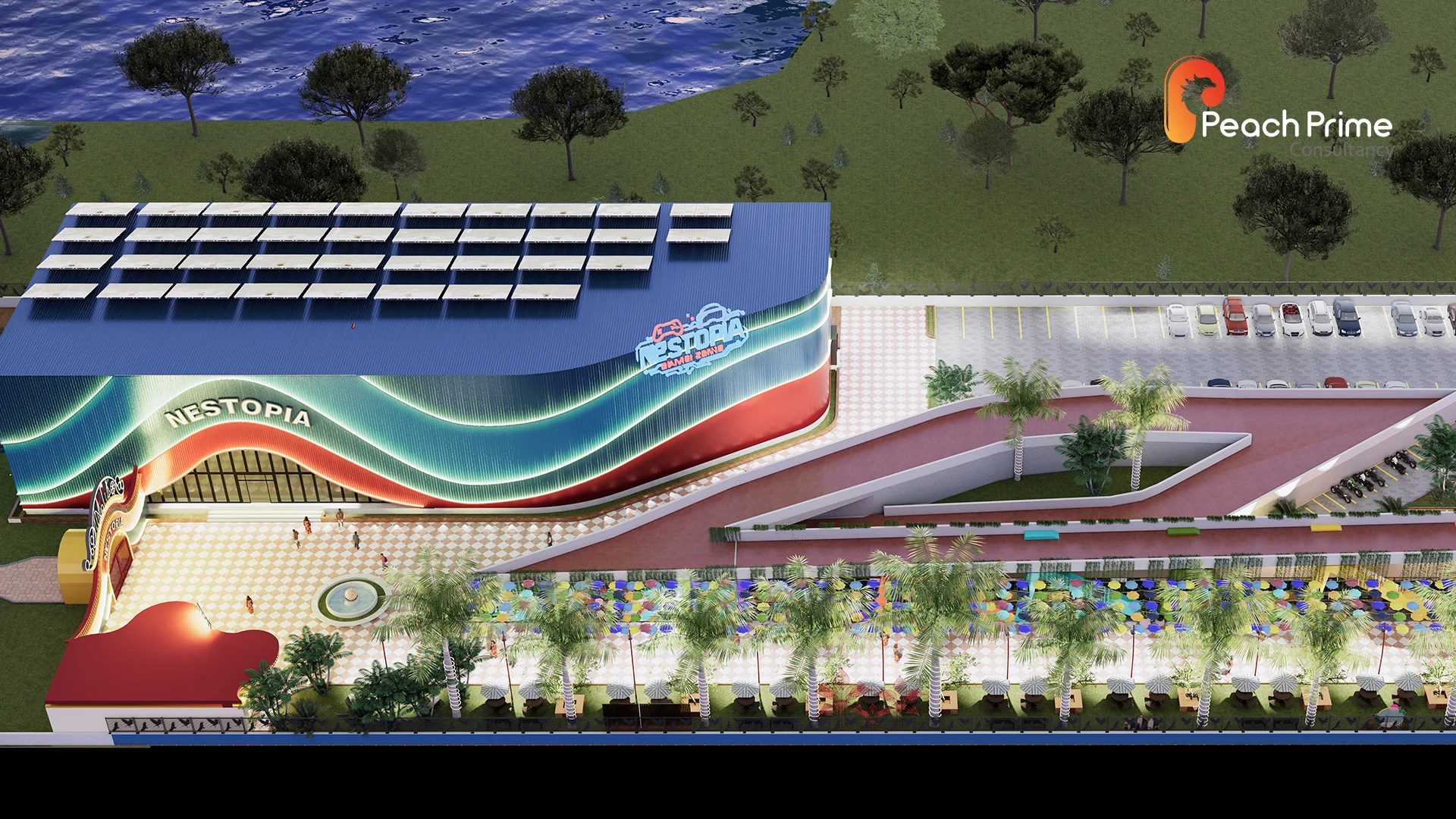
The DPR includes detailed technical specifications and design plans. We provide in-depth descriptions of the materials, technologies, and methods to be used throughout the project. This includes architectural layouts, engineering drawings, and site plans that demonstrate the technical feasibility of the project. By presenting clear and accurate design information, we ensure that all stakeholders understand the project’s requirements, and it meets the tender’s technical criteria.
A crucial element of the DPR is detailed financial projections and budgeting. We create a comprehensive cost estimate that includes construction, materials, labor, and operational expenses. This section outlines anticipated revenue streams, funding sources, and a clear breakdown of the project’s financial feasibility. By providing detailed financial data, we ensure the tender submission is robust and demonstrates the project’s financial viability, helping secure the necessary approvals and funding.
The DPR addresses risk assessment and compliance with legal, regulatory, and safety requirements. We identify potential risks related to construction, operation, and market conditions and develop mitigation strategies. Additionally, the DPR ensures that the project complies with all relevant local laws, building codes, and safety regulations. the DPR ensures that the project complies with all relevant local laws, building codes, and safety regulations.
Q1. What is a DPR (Detailed Project Report) for a government tender?
A DPR is the official technical-financial document required to bid for or obtain approval of government entertainment and tourism projects in India, containing project scope, drawings, cost estimates, implementation schedule, and viability analysis.
Q2. What does a DPR include for an entertainment project?
Site analysis, concept and master plan, attraction specifications, CAPEX and OPEX estimates, revenue projections, implementation timeline, statutory compliance details, and financial viability (IRR, payback) — formatted to the tendering authority’s requirements.
Q3. How long does DPR preparation take?
Typically 4–8 weeks for standard tourism/entertainment DPRs, and 10–12 weeks for large multi-attraction destinations requiring detailed engineering inputs.
Q4. How much does DPR preparation cost?
DPR preparation in India typically costs ₹5–10 lakh depending on project scale and the level of drawing detail the tender demands.
Q5. Who needs a DPR — private developers or government?
Both: government bodies require DPRs to float or evaluate tenders, while private developers need them for bank funding, PPP bids, and tourism department subsidies or approvals.
Q6. Why do DPRs get rejected and how do you prevent it?
Most rejections come from unrealistic financials, missing statutory items, or non-compliance with tender formats. We prevent this by benchmarking projections against operating Indian attractions and mapping every tender clause to a DPR section before submission.