Children’s Discovery Museum Design & Edutainment Space Planning
Interactive STEAM Learning & Hands-On Discovery Centers for Malls, Cultural Districts & Educational Developments in India. A Children’s Discovery Museum in India is a purpose-built interactive learning environment where curiosity transforms into understanding through exploration, experimentation, play, and social collaboration. Unlike traditional museums that prioritize passive viewing, interactive children’s museums and discovery centres encourage children to touch, build, test, create, and solve.
Strategic Planning for a Children’s Discovery Museum
Launching a successful Children’s Discovery Museum in India requires structured coordination between pedagogy, interactive exhibit design, safety engineering, and visitor flow planning.
A high-performing Discovery Museum must integrate:
- Educational philosophy alignment (STEAM and play-based learning)
- Thematic master planning and exhibit zoning
- Age-segmented activity clustering (toddlers to pre-teens)
- Interactive exhibit sequencing and sightline planning
- Structural safety and compliance integration
- Durable material specification for high throughput use
- HVAC and acoustic zoning for active environments
- Electrical and AV infrastructure planning
- School programming flow and group management strategy
- Parent visibility and supervision planning
Effective planning ensures learning objectives, safety, and engagement are integrated seamlessly.
What Is a Children’s Discovery Museum?
A Children’s Discovery Museum, also known as a Kids Interactive Museum or STEAM Learning Experience Center, is a child-focused environment that blends education and entertainment through hands-on engagement.
It typically integrates:
- Interactive science and engineering exhibits
- STEAM labs and maker spaces
- Role-play mini-cities
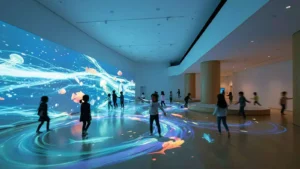
- Sensory play zones
- Water and mechanics exploration stations
- Story labs and creative arts studios
- Multi-age discovery pathways
- Structured school programming areas
Unlike traditional museums, children’s discovery centers are hands-on, experiment-driven, socially collaborative, developmentally layered, curriculum-supportive, and repeat-visit adaptable. They function as family learning destinations, educational tourism attractions, mall anchor edutainment centers, school outreach hubs, and community innovation spaces.
Core Experience Zones in a Discovery Museum
A professionally structured Children’s Museum Design in India may include:
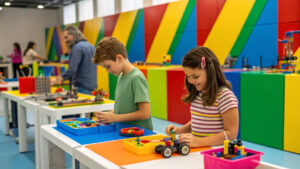
STEAM Labs & Maker Spaces
Hands-on building zones introducing physics, robotics, coding basics, and engineering challenges.
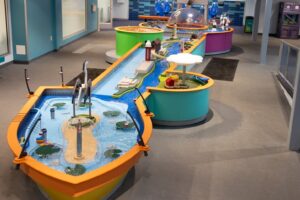
Interactive Science Discovery Exhibits
Experiential stations explaining energy, motion, water flow, ecosystems, and environmental science.
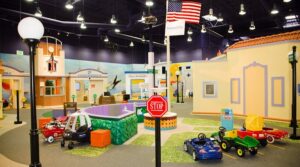
Role-Play Mini Cities
Scaled real-world environments such as markets, clinics, studios, and workshops promoting social learning.
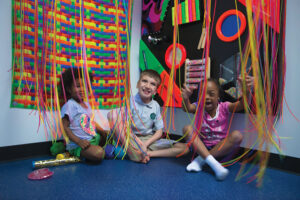
Sensory & Early Learning Zones
Tactile, auditory, and visual engagement spaces designed for toddlers and inclusive access.
Design Standards for Children’s Discovery Museums
A professionally planned Edutainment & Discovery Center must balance educational depth, child-safe design compliance, durability for high-use environments, accessibility and inclusive access, visual clarity for parental supervision, and energy efficiency.
Key planning standards include:
- Rounded edges and impact-safe finishes
- Anti-slip flooring
- Clear supervision sightlines
- Age-zoned activity clusters
- Acoustic control for active spaces
- Emergency safety compliance
Discovery museums require structured infrastructure planning tailored to family and school audiences.
Planning & Design Coordination Services
Setting up a Children’s Discovery Museum requires structured coordination between education strategy, architecture, exhibit design, engineering systems, and operational planning.
Our scope includes:Ideal Locations for Children’s Discovery Museums in India
Discovery museums perform strongly in:
- High-footfall shopping malls
- Cultural districts
- Mixed-use lifestyle developments
- Educational campuses
- Municipal and civic developments
- Tourism-focused urban centers
Across India’s expanding edutainment sector, children’s discovery centers are emerging as high-impact community anchors.
Why Peach Prime Consultancy
Peach Prime Consultancy integrates experiential museum planning, pedagogy-aligned exhibit strategy, interactive technology coordination, and high-footfall infrastructure expertise into cohesive children’s learning environments.
Our experience combines spatial planning, STEAM-focused educational positioning, interactive exhibit coordination, and infrastructure integration tailored specifically for Children’s Discovery Museums and large-scale edutainment environments.
Develop a Future-Ready Children’s Discovery Destination
Peach Prime Consultancy provides strategic master planning, interactive exhibit coordination, and experiential learning environment design to help you develop a structured, scalable, and education-driven discovery destination.
If you are planning: Children’s Discovery Museum in India, Interactive Science Museum for Kids, STEAM-Based Edutainment Center, Kids Discovery Centre, Hands-On Learning Experience Museum.
Explore Our ServicesGet In Touch
FAQs
Q. What age groups can a Children’s Discovery Museum serve?
Discovery museums typically serve toddlers through pre-teens with age-segmented zones and layered learning paths.
Q. How long does it take to design and open a discovery museum?
Depending on scale and approvals, planning and development timelines typically range from 6–12 months.
Q. Can STEAM labs and digital exhibits be integrated?
Yes. Modular STEAM labs and interactive digital learning environments can be incorporated seamlessly.
Q. Is the environment safe for children of all abilities?
Yes. Universal design principles, sensory zones, and accessibility planning are integrated into the design strategy.
Q. Can schools book structured educational programs?
Yes. School group programming, workshops, and curriculum-linked sessions can be incorporated into operational planning.