

Peach Prime Consultancy

Strategic Planning For An Interactive Parent & Child Play Area

Launching a successful Parent-Child Play Center requires careful coordination between child development principles, safety engineering, sensory design, and visitor flow planning.

A high-performing Co-Play Edutainment Space must integrate:

  • Age-segmented zoning for infants, toddlers, and preschoolers
  • Clear parental sightlines and supervision mapping
  • Sensory-safe material specification and surface planning
  • Developmental milestone alignment across all activity zones
  • Structured co-activity pods and guided session areas
  • Capacity planning and hygiene zoning protocols
  • HVAC and air-quality optimization for toddler occupancy
  • Acoustic balancing between active and quiet engagement areas
  • Electrical planning for interactive and projection modules
  • Flexible workshop and facilitated learning spaces

Structured planning ensures safety, emotional bonding, and developmental engagement operate together seamlessly.
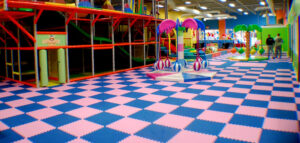

Strategic Planning For An Interactive Parent Child Play Area
What Is an Interactive Parent Child Play Area

What Is an Interactive Parent & Child Play Area?

An Interactive Parent & Child Play Area, also referred to as a Toddler Learning Play Zone or Co-Play Activity Center, is a supervised early childhood environment where children and parents engage together in structured exploratory play.

These environments typically integrate:

  • Sensory exploration stations and tactile interaction walls
  • Interactive projection play floors and digital engagement systems
  • Music, rhythm, and movement engagement zones
  • Guided storytelling corners and role-play mini environments
  • Water and sand sensory tables for hands-on discovery
  • Early STEM discovery modules and building challenge areas
  • Calm-down and emotional regulation pods

Unlike general indoor play spaces, a complete Co-Play Center includes age-zoned activity areas, facilitated parent-guided sessions, structured developmental programming, and premium sensory environments. The result is a hybrid of a toddler learning hub, early childhood bonding space, and membership-driven family attraction.

High-Demand Co-Play Zone Formats

The right mix of activity zones directly impacts family dwell time, membership conversions, and repeat visit frequency. We curate co-play formats based on age group targeting, developmental goals, and spatial configuration.
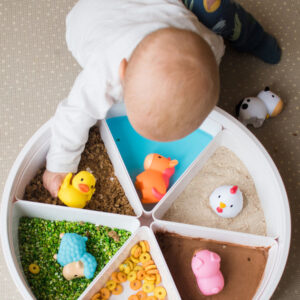
Sensory Discovery Zone

Sensory Discovery Zone

Tactile walls, texture exploration stations, and multi-sensory pods designed for infants and young toddlers. Drives strong repeat engagement and membership sign-ups.

Creative Arts Craft Studio

Creative Arts & Craft Studio

Guided painting, clay modeling, and craft activity spaces. Highly popular for structured parent-child sessions and themed weekend workshops.

Early STEM Building Lab

Early STEM & Building Lab

Block building challenges, simple engineering puzzles, and discovery modules aligned with early cognitive development milestones.
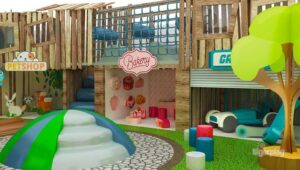
Role Play Imaginative Village

Role Play & Imaginative Village

Mini grocery stores, kitchen setups, and community role-play environments. Creates strong group engagement and developmental storytelling.

A diversified zone mix enhances developmental programming, workshop revenue, and sustained family engagement throughout the year.

Designing A High-ROI Parent & Child Play Environment

Every parent-child play center must be designed as a complete developmental and commercial ecosystem. Zoning intelligence, safety engineering, and operational flow determine long-term family engagement and revenue performance.

Key considerations include:

  • Child-safe surface materials and impact-absorbing flooring
  • Optimized parental sightlines and supervisory positioning
  • Sensory-appropriate lighting and acoustic treatment
  • Efficient facilitator and cleaning staff circulation pathways
  • Integrated civil, MEP, and interactive technology coordination

The difference between a basic toddler play room and a high-performing co-play destination lies in strategic developmental design and precision safety planning.

Complete Planning & Technical Coordination

Setting up an Interactive Parent & Child Play Area requires structured coordination between spatial design, safety engineering, sensory exhibit systems, and developmental content programming.

Our scope includes:
1.
Feasibility analysis and family demographic profiling
2.
Age-group targeting, zone programming, and capacity planning
3.
Sensory exhibit layout design and developmental content curation
4.
Structural, safety, and child-proofing engineering coordination
5.
Interactive technology, projection, and AV integration
6.
Material specification, vendor coordination, and fabrication oversight
7.
Revenue model advisory — memberships, sessions, workshops, events
8.
On-site execution planning and operational training support

Careful coordination reduces safety risks, operational inefficiencies, and ensures a seamless launch-ready environment for families.

Ideal Locations For Parent & Child Play Areas

Interactive Parent & Child Play Areas perform strongly in environments where family footfall, community engagement, and early childhood programming drive consistent visitation.

These centers are ideally suited for:

  • Mall family entertainment floors and anchor destinations
  • Premium residential townships and community clubhouses
  • Family Entertainment Centers (FECs) and indoor leisure parks
  • Mixed-use developments with residential and retail components
  • Schools, preschool hubs, and early childhood campuses

When positioned strategically, they function as high-repeat family anchors that increase dwell time, membership revenue, and secondary spending across the development.

Why Peach Prime Consultancy

Peach Prime Consultancy brings multidisciplinary expertise in early childhood environment design, sensory exhibit engineering, and family edutainment infrastructure development.

Our experience includes co-play zone planning, interactive sensory exhibit coordination, developmental space design for high-footfall family environments, and coordination across civil and MEP teams.

We design Parent & Child Play environments that are:

FAQs

An Interactive Parent & Child Play Area is a purpose-designed early childhood environment where parents and children aged 0–6 years engage together in guided sensory, creative, and developmental activities. It combines the structure of an early learning hub with the engagement of a premium family entertainment attraction.

A professionally planned co-play center can include sensory discovery zones, creative arts studios, early STEM labs, role-play villages, storytelling corners, projection play floors, music and movement zones, and calm-down regulation pods. The final mix is selected based on target age groups, developmental goals, and available space.

Space requirements vary depending on the number of activity zones and age segments served. Key factors include age-separated zoning, parental sightline planning, sensory exhibit dimensions, hygiene areas, and facilitated session spaces. Strategic planning ensures maximum developmental impact even within compact mall or FEC environments.

Commercial success depends on more than play equipment. Developmental zone alignment, structured membership programs, facilitated workshop schedules, hygiene and safety standards, and a well-curated activity mix all contribute to high repeat visitation, strong membership conversions, and sustained family engagement throughout the year.

Yes. Peach Prime Consultancy provides end-to-end planning support including feasibility analysis, zone programming, sensory exhibit design, safety and structural coordination, interactive technology integration, revenue model advisory, and on-site technical supervision to ensure a smooth, high-quality launch.