
Buying equipment is the easy part. The operators who build profitable, long-lasting VR Entertainment Centers are the ones who invest as much thinking into layout engineering, operational systems, and financial structure as they do into headset specifications and content libraries.
This blueprint is for investors and entrepreneurs who want to build a VR Entertainment Center that performs at launch and continues to scale beyond it.
Why Planning Discipline Separates Profitable Venues from Struggling Ones
The VR entertainment sector has seen two distinct categories of operator emerge over the past decade. The first category launched quickly, prioritised technology novelty, and relied on early curiosity to fill sessions. Many of these venues plateaued or closed when the novelty wore off and their operational model could not sustain repeat visitation.
The second category treated the venue as a complete business system. They engineered the guest journey, modelled throughput before signing a lease, built structured revenue streams from day one, and planned content refresh cycles before opening. These are the venues that are still operating and expanding.
The difference between the two is almost never the quality of the technology. It is the quality of the planning that preceded the technology purchase.
Space Planning and Guest Experience Flow
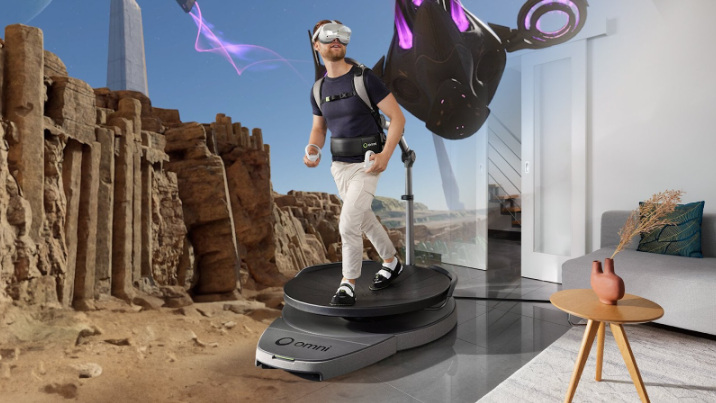
The physical design of a VR Entertainment Center is a revenue decision, not just an aesthetic one. Every square metre of your facility either contributes to throughput and guest experience or it does not. Wasted space and poor flow design are among the most common and most expensive mistakes made at the pre-launch stage.
A five-zone layout built around guest journey logic delivers the best balance of operational efficiency and experience quality.
Briefing Area is where guests are oriented before entering the experience. A well-designed briefing area reduces session support demands, improves safety compliance, and sets guest expectations correctly. Overcrowding this zone or rushing through it increases in-session incidents and guest confusion. Invest in clear signage, professional AV for group briefings, and enough physical space for your maximum group size to be briefed comfortably before gear-up begins.
Gear-Up Station is a operational bottleneck if it is not designed correctly. The time guests spend moving from briefing to fully equipped and arena-ready is dead time in your revenue cycle. Standardised fitting protocols, clearly labelled equipment bays organised by size, trained staff working parallel fitting positions, and a logical physical sequence from briefing room to station to arena entry all reduce this transition time. Shaving three minutes off your average gear-up time across twenty daily sessions is a meaningful contribution to your annual revenue.
VR Gameplay Arena is the core physical asset of your investment. Arena dimensions must be determined by the specific tracking systems and game formats you are deploying, not by whatever space remains after everything else has been laid out. Ceiling height, surface materials, emergency exit positioning, and ventilation are all technical requirements that need to be confirmed with your technology vendor before your floor plan is finalised. The arena should feel deliberate and purpose-built, because a space that feels engineered for the experience creates confidence in guests before they have even put on a headset.
Debrief and Photo Zone is the experience extension that most operators underinvest in. After an intense VR session, guests are energised, competitive, and socially primed. A well-designed debrief zone with visible leaderboard displays, photo capture stations, and comfortable seating extends dwell time, drives social media sharing, and creates the natural moment for staff to introduce membership options and upcoming tournament bookings. Every guest who shares a post-session photo from your venue is a marketing asset. Design the space to make that sharing easy and visually compelling.
Retail and Food and Beverage Integration converts guest enthusiasm into incremental revenue without requiring additional session capacity. Branded merchandise tied to your game formats, tournament apparel, and food and beverage options suited to post-session recovery all perform well in this zone. F&B integration in particular extends average venue dwell time significantly, which increases the probability of impulse purchases and future booking conversions.
Monetisation Optimisation Beyond Base Ticketing
A VR Entertainment Center that relies entirely on standard walk-in session revenue is leaving substantial income unrealised. The following channels, when structured intentionally, can meaningfully improve your revenue per square metre and per operating hour.
Dynamic Pricing by Peak Hours is one of the simplest and highest-return revenue optimisations available. Weekend afternoon slots, school holiday periods, and Friday evenings command premium demand. Off-peak slots on weekday mornings have excess capacity. A dynamic pricing model that adjusts rates based on real-time or predictive demand fills off-peak sessions at a lower margin while maximising yield during high-demand windows. Modern session management software makes this straightforward to implement.
Franchise Content Licensing allows you to offer guests access to recognised IP-driven experiences that carry their own marketing equity. Guests who book because they want to experience a specific licensed world generate bookings that would not have occurred with generic content alone. Licensing costs need to be modelled carefully against the incremental demand they generate, but for venues in competitive markets, branded content is often the differentiator that drives advance bookings over local alternatives.
Educational VR Programs open a structured, recurring revenue channel with strong institutional backing. Schools, universities, and corporate training departments are all active buyers of educational VR experiences. Dedicated morning and weekday programming for educational groups fills capacity that would otherwise sit idle during off-peak hours, generates group invoicing revenue on predictable forward schedules, and builds community relationships that support broader venue awareness.
Influencer and Launch Events generate disproportionate marketing return relative to their operational cost. A well-executed influencer evening or media launch creates content that reaches audiences you cannot access through paid advertising alone. For venues entering new markets, a single well-attended launch event can compress the awareness-building timeline from months to weeks. Ongoing influencer programming, reserved complimentary sessions traded for documented social content, is a low-cost marketing channel that scales with your audience size.
Operational Efficiency as a Profitability Driver
Operational excellence in a VR venue is not about cutting costs. It is about building systems that protect your revenue yield, maintain your technology investment, and ensure that every guest session delivers the experience quality your pricing promises.
Staff Training has a direct impact on both guest satisfaction and technology lifespan. Staff who understand the equipment they are managing handle it more carefully, identify early signs of hardware issues before they become session-interrupting failures, and deliver briefings that reduce in-session guest errors. Invest in structured onboarding for all floor staff and in ongoing technical training as your content library and hardware evolves.
Headset Maintenance Cycles need to be formalised into your operational calendar from day one. Display lens cleaning, hygiene protocols between sessions, battery and cable inspection, and firmware update schedules all affect headset performance and longevity. A headset that fails mid-session generates a refund, a negative review, and a replacement cost. A maintenance schedule that prevents that failure generates none of those costs and preserves the guest relationship.
Cleaning Protocols are operationally and commercially significant in a shared hardware environment. Guests have a reasonable expectation of hygiene when putting on equipment that others have worn. Visible, consistent cleaning between sessions, with staff performing the protocol in view of waiting guests, builds trust and reduces friction at gear-up. It is also a meaningful differentiator in a market where some operators treat hygiene as an afterthought.
Real-Time Session Management Software gives your operations team visibility across all active sessions simultaneously. Session status monitoring, equipment tracking, staff deployment coordination, booking management, and post-session reporting are all functions that benefit from a centralised digital platform. The data generated by session management software also feeds the throughput analysis and demand forecasting that inform your pricing and staffing decisions over time.
Three International Benchmarks
Three operating models across different market contexts illustrate the range of approaches that have succeeded at scale.
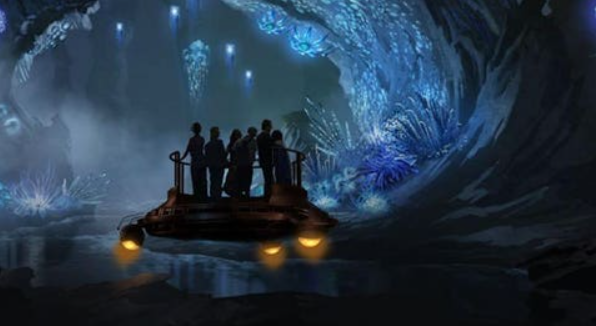
Dreamscape Immersive (USA) built its model around cinematic, narrative-driven VR experiences positioned as the next evolution of the movie-going format. Their investment in production quality, both in content and in physical venue design, justified premium pricing in competitive entertainment markets. Their approach demonstrates that guests will pay significantly more for an experience that feels genuinely crafted rather than assembled from off-the-shelf components.
VR Park Dubai (UAE) operates within one of the world’s most demanding consumer entertainment markets and has succeeded by offering variety at scale. A large multi-experience format under one roof serves the family, tourist, and corporate segments simultaneously, maximising revenue yield from a single facility footprint. Their model is relevant for investors targeting high-footfall mixed-use retail and hospitality destinations.
Hologate Arena (Global) has scaled through a compact, modular format that allows operators to deploy competitive multiplayer VR in relatively small footprints. Their global franchise network demonstrates that not every successful VR venue needs to be a large-format destination. For investors with smaller available spaces or lower initial capital budgets, compact modular formats like Hologate offer a structured and proven entry point.
The Investor Takeaway: Content and Financial Modelling Determine Long-Term Valuation
When sophisticated investors or potential acquirers evaluate a VR Entertainment Center, they are not primarily assessing the quality of your current hardware. Hardware depreciates. What they are evaluating is the strength of your content pipeline and the rigour of your financial model.
A strong content pipeline demonstrates that your venue has a plan for sustaining guest interest, driving repeat visits, and differentiating from competitors as the market matures. An operator who has negotiated multi-year content licensing agreements, built relationships with content developers, and planned seasonal refresh cycles is a materially lower risk than one who opened with three game titles and no content strategy.
A structured financial model demonstrates that your revenue assumptions are grounded in operational data rather than optimistic projections. Throughput modelling, cost-per-session analysis, demand forecasting by channel, and sensitivity analysis across occupancy scenarios are the components of a financial model that commands investor confidence.
Together, these two elements are what separate a venue with strong long-term valuation from one that performs adequately today but offers no clear path to growth or exit.
Partner with Peach Prime Consultancy
The decisions made before a VR Entertainment Center opens its doors determine the ceiling of what it can become. Peach Prime provides advisory support that bridges immersive creativity with technical reliability and capital discipline.
Our work with investors covers feasibility analysis, spatial planning, technology vendor evaluation, throughput modelling, content strategy frameworks, and investor-grade financial projections. We ensure that the venue you build is grounded in operational reality and positioned for long-term commercial performance.
Reach out to the Peach Prime team today to begin building your investment blueprint.
Peach Prime is a specialist consultancy helping investors and operators build and scale immersive entertainment venues across emerging markets. Visit peachprime.in to learn more.