
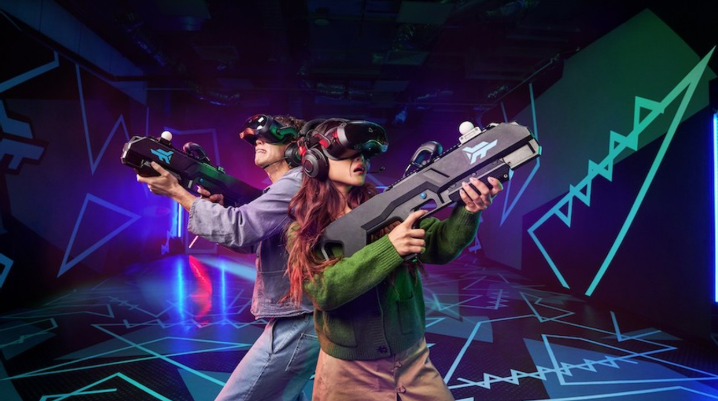
Most AR combat venues that underperform share a common origin story. A founder or investor fell in love with the technology, secured a space, purchased equipment, and opened. The experience was impressive. The reviews were positive. And then, six months later, the revenue plateaued.
The venues that continue to grow past that plateau are the ones that were designed as scalable businesses from the beginning, not assembled as technology showcases that happened to charge admission.
This blueprint is for investors who want to build an Augmented Reality Combat Zone with the structural foundations required for long-term financial performance.
The Design Principle That Changes Everything
Traditional laser tag venues were designed around a single variable: fit as many players into the arena as possible. Augmented Reality combat venues require a fundamentally different design logic. The guest journey, from arrival to departure, is itself a product. Every stage of that journey either adds to the experience and creates commercial opportunity or it wastes time and erodes both.
The most profitable AR combat venues are engineered around throughput and experience quality simultaneously, treating them not as competing priorities but as complementary ones. A faster, better-designed guest journey means more sessions per day and higher guest satisfaction per session. Both of those things improve your revenue and your reviews at the same time.
Arena Layout and Experience Flow Engineering
The five-zone layout that consistently outperforms alternatives in high-throughput AR combat venues follows a clear narrative logic that mirrors the structure of the competitive experience itself.
Entry Briefing Zone sets the competitive frame before guests have touched a single piece of equipment. The briefing is not a safety formality to move through as quickly as possible. It is the moment where guests transition mentally from everyday life into a competitive mindset. Venues that invest in high-quality briefing environments, with immersive audio, dynamic visual displays showing game scenarios and past tournament highlights, and staff who deliver the briefing with genuine energy, record higher in-session engagement and better post-session satisfaction scores. The briefing zone is the cheapest square footage in your venue to get right and one of the most impactful.
Gear-Up Station is an operational efficiency problem masquerading as a logistics area. The time guests spend moving from fully briefed to fully equipped and standing at the arena entrance is dead time in your revenue cycle. Every unnecessary minute here reduces your maximum daily session count. The solution is process engineering rather than simply adding more staff. Standardised equipment layouts organised by size category, pre-session equipment checks completed between bookings rather than during them, parallel fitting positions that serve multiple guests simultaneously, and a physical flow that moves naturally from briefing room to station to arena entry all contribute to a faster, smoother transition that guests barely notice because it feels effortless.
Immersive Combat Arena is where your technology investment becomes a guest experience. The arena design must begin with the specifications of your tracking and AR systems, not with the available floor plan. Sensor placement, ceiling clearance requirements, surface material specifications that support AR projection or headset rendering, safety clearance margins, ventilation capacity for active gameplay, and emergency exit positioning are all technical requirements that must be confirmed with your technology vendor before a single wall is built. Arenas that are designed around the technology perform reliably. Arenas where the technology was fitted into an existing space perform inconsistently.
The arena should also be designed with modularity as a first principle, not an afterthought. Reconfigurable structural elements, movable obstacle systems, interchangeable surface panels, and adaptable lighting zones allow you to update the arena configuration for seasonal themes, new game formats, or competitive tournament layouts without major reinvestment. This is the physical infrastructure decision that most directly affects your long-term content refresh capability.
Leaderboard Lounge converts post-session energy into commercial opportunity. Guests exiting an AR combat session are in a state of heightened engagement, competitive arousal, and social readiness. A well-designed lounge with prominent real-time leaderboard displays, photo capture stations optimised for social sharing, comfortable seating that encourages groups to remain together, and staff positioned to introduce membership options and upcoming league registrations turns this natural post-session window into a retention and upsell engine. Guests who spend ten minutes in the lounge reviewing scores and sharing content are more likely to book their next session before they leave the building.
Retail and Food and Beverage Integration extends revenue per visit without requiring any additional session capacity. Merchandise tied specifically to your competitive formats, team identities, and tournament events carries higher perceived value than generic branded apparel. Food and beverage offerings positioned in the lounge zone increase average dwell time and per-visit spend. The combination of retail and F&B in a well-designed post-session environment can contribute fifteen to twenty-five percent of total venue revenue in mature operations.
Revenue Optimisation Strategy
Structuring your revenue model intentionally before launch is the difference between a venue that generates adequate cash flow and one that builds compounding financial momentum.
Tiered Pricing for Peak and Off-Peak Periods is the most immediately implementable revenue optimisation available to any venue operator. Peak demand windows, Friday evenings, weekend afternoons, school holidays, generate more booking requests than off-peak slots. Charging a premium for peak slots and a reduced rate for off-peak ones fills your calendar more efficiently across the full operating week. Modern booking software makes dynamic pricing straightforward to implement and adjust as you accumulate data on your own demand patterns.
Seasonal Themed Missions address the content refresh imperative while simultaneously creating a marketing calendar. A Halloween combat scenario, a winter championship format, or a summer league series each give you a distinct reason to communicate with your existing guest database and generate press coverage. Seasonal content does not require replacing your arena or your technology. It requires updating your game scenarios, refreshing your visual overlays, and creating a themed competitive narrative that makes returning guests feel they are experiencing something genuinely new. The operational cost is low relative to the marketing return.
Youth Leagues and Championships open a structured, recurring revenue stream with strong community roots. Competitive youth formats, weekly or fortnightly league sessions with persistent standings and an end-of-season championship event, create appointment-based bookings that fill your off-peak weekday capacity. Parents who bring children regularly become familiar with the venue and convert into adult booking customers. Youth championship events create spectator demand, media interest, and community visibility that no paid advertising campaign can replicate at the same cost.
Corporate Sponsorship Activations represent a revenue layer that most AR combat venues fail to develop because it requires a different type of commercial relationship than consumer ticketing. Brands whose audiences align with competitive gaming, sports nutrition, technology, and youth lifestyle are natural sponsorship partners for a venue with a documented competitive community. Arena naming rights for tournament seasons, branded in-arena display placements, co-branded league formats, and sponsored championship prize pools all generate income that flows independently of your daily session volume. Developing even one or two sponsorship relationships in your first operating year creates a revenue stream that scales as your audience grows.
Operational and Safety Planning
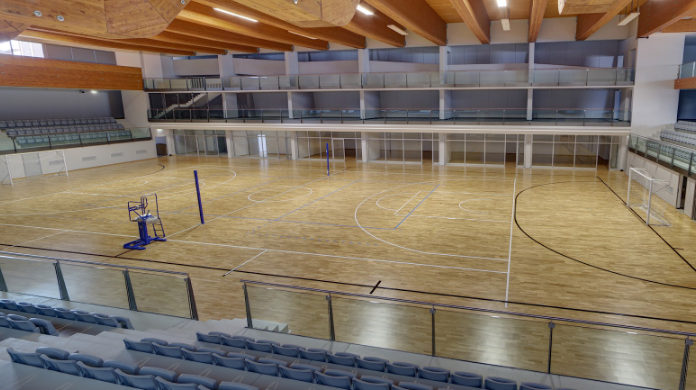
Operational excellence in an AR combat venue is what converts a strong opening period into sustained long-term performance. The systems you build into your operations from the beginning determine your maintenance costs, your equipment lifespan, and your guest experience consistency at month thirty-six as much as at month one.
Durable Arena Materials and Shock-Resistant Surfaces are a capital specification decision with a five-year financial consequence. AR combat gameplay involves running, directional changes, competitive physical engagement with arena obstacles, and repeated contact with walls and surfaces. Materials specified for commercial durability in active sports environments rather than standard interior fit-out will reduce replacement frequency, maintenance downtime, and cumulative repair costs significantly over a multi-year operating period. The premium paid at fit-out is recovered multiple times in avoided remedial expenditure.
Safety Compliance is both a regulatory obligation and a guest confidence signal. Venue layouts, equipment specifications, session supervision protocols, and emergency procedures all need to meet the requirements of your local regulatory environment. Beyond compliance, a clearly visible safety culture, briefings that take safety seriously without being joyless, staff who monitor sessions actively, and an arena designed with genuine safety margins rather than minimum clearances, creates the guest confidence that allows them to compete freely without anxiety. Guests who feel safe play harder. Guests who play harder have better experiences and return more often.
Headset Hygiene Protocols are a commercial necessity in a shared hardware environment. The standard of your between-session cleaning protocol is visible to guests who are paying attention, and many guests are. A formalised hygiene procedure completed visibly and consistently between every session, with cleaning materials that guests can see are purpose-designed rather than improvised, builds trust and removes a common friction point in the gear-up experience. It also meaningfully extends headset lifespan by preventing the accumulation of debris and residue that degrades display quality over time.
Software Maintenance Schedules are the operational discipline that keeps your technology performing at the standard guests expect. Firmware updates, content platform maintenance, scoring system calibration, sensor recalibration cycles, and network performance monitoring all need to be formalised into your operational calendar with assigned responsibility and documentation. Technology that is maintained proactively performs reliably. Technology that is maintained reactively generates the session interruptions, refund obligations, and negative reviews that are disproportionately damaging to venue reputation in the social media era.
Three International Case Studies
Zero Latency Combat Modes (Global) offers one of the most studied operator franchise models in the location-based VR and AR entertainment space. Their investment in standardised operational playbooks, consistent technology specifications across sites, and centralised content development has allowed franchisees in diverse markets to deliver a reliably high-quality experience without each operator independently solving the same problems. For investors who value proven systems over complete independence, their franchise model demonstrates how operational standardisation at scale reduces risk without reducing returns.
Immotion VR Competitive Arenas (UK) built a model around integrating competitive immersive experiences within larger entertainment destinations rather than operating standalone venues. Their approach demonstrates that shared infrastructure costs, existing footfall, and complementary entertainment formats can create a more capital-efficient entry point than a standalone venue investment. For investors evaluating embedded venue models within retail, hospitality, or leisure developments, Immotion’s track record offers a relevant precedent.
The VOID Combat Experiences (USA and UAE) represent the highest expression of IP-driven immersive combat entertainment. Their investment in production quality, franchise relationships with major entertainment properties, and venue design that rivals themed resort attractions justified pricing at the top of the market. Their story also offers a cautionary lesson about the risks of capital-intensive IP dependency. The VOID’s financial challenges during the COVID period underscore the importance of building a venue business with diversified revenue streams and operational resilience alongside experiential ambition.
The Investor Takeaway: Replay Value and Match Cycle Economics
When investors model the financial performance of an AR combat venue, two variables have more influence on long-term revenue per square foot than any others: replay value and match cycle duration.
Replay value is the measure of how compelled guests feel to return after their first visit. It is driven by competitive progression mechanics, leaderboard dynamics, content variety, and community belonging. Venues with high replay value see returning guests account for a growing share of revenue over time, reducing their cost of customer acquisition and improving the predictability of their cash flow. Every design decision in your experience flow, every element of your membership structure, and every feature of your tournament programming either adds to replay value or subtracts from it.
Match cycle duration, the time from one group entering the arena to the next group beginning their session, is the operational variable that determines how many revenue-generating sessions you can run per operating hour. Short match durations create high throughput potential. But the full match cycle includes session setup, the session itself, and turnaround time. Reducing turnaround time through process engineering and space design has the same effect on daily revenue as extending operating hours, without the additional staffing cost. For investors modelling unit economics, optimising the match cycle is one of the highest-return operational investments available.
Together, high replay value and short, well-engineered match cycles create the financial conditions for revenue per square foot that outperforms most other entertainment venue formats operating in comparable space footprints.
Partner with Peach Prime Consultancy
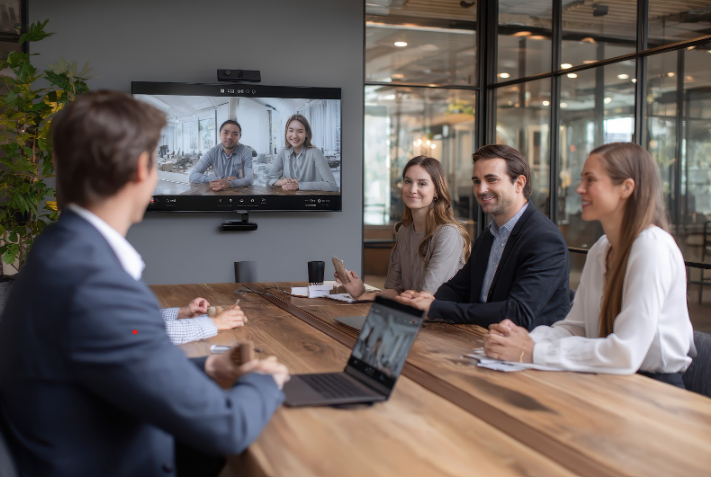
The decisions made in the planning stage of an AR Combat Gaming business determine the financial ceiling of what you build. Peach Prime works with investors to ensure that every major decision, from arena layout and vendor selection through to financial modelling and operational structuring, is made with the analytical rigour and sector-specific expertise that immersive entertainment investment demands.
Our advisory aligns immersive technology with capital efficiency and structures each engagement around your specific market, budget, and growth objectives.
Speak with the Peach Prime team today to begin building your AR combat venue blueprint.
Peach Prime is a specialist consultancy helping investors and operators build and scale immersive entertainment venues across emerging markets. Visit peachprime.in to learn more.