
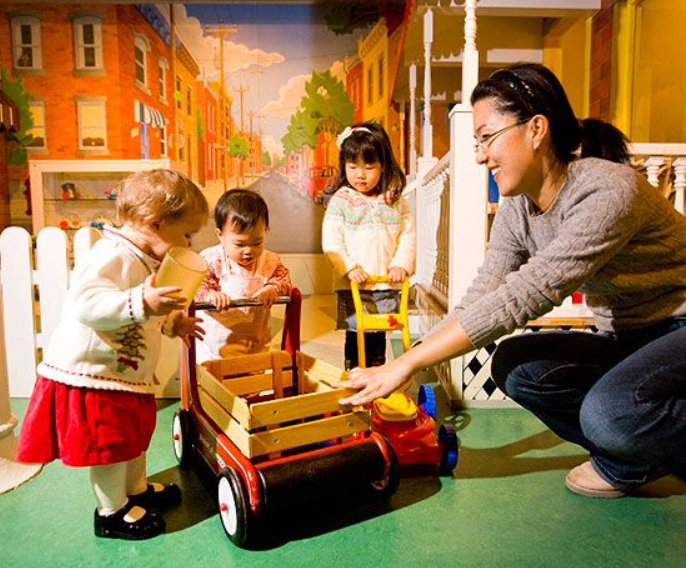
Children’s discovery and exploration museums are redefining how families engage with education, play, and culture. Unlike traditional museums that focus on passive observation, these spaces are built for interaction, creativity, and hands on learning.
Today, they are emerging as powerful anchors within mixed use developments, cultural districts, and family focused destinations.
For developers and investors, discovery museums offer a rare combination of social impact, educational value, and commercial sustainability.
The Shift Toward Experiential Learning Environments
Modern families are actively seeking environments where children can learn through play rather than passive instruction.
Search demand for:
- children’s interactive museum
- discovery play center
- experiential learning museum
- STEM exploration zones
continues to grow globally.
These museums are designed to:
- Encourage curiosity and creativity
- Promote problem solving and critical thinking
- Combine physical, sensory, and cognitive engagement
This makes them highly relevant for both families and educational institutions.
Why Discovery Museums Deliver Long Term Value
Discovery museums attract multiple audience segments, ensuring consistent and diversified footfall.
Key drivers of long term value include:
Family Demand
Parents prefer meaningful recreational environments that combine fun with learning.
School Partnerships
Curriculum aligned programs generate steady weekday traffic.
Tourism Appeal
Cities benefit from educational attractions that enhance cultural identity.
Repeat Visitation
Rotating exhibits and workshops encourage families to return regularly.
This multi segment demand creates a stable and resilient business model.
Core Planning and Design Considerations
Designing a successful discovery museum requires a careful balance between engagement, education, and safety.
Essential components include:
Age Segmented Zones
Separate areas for toddlers, juniors, and pre teens ensure age appropriate engagement.
Hands On STEM Stations
Interactive experiments that encourage exploration and learning.
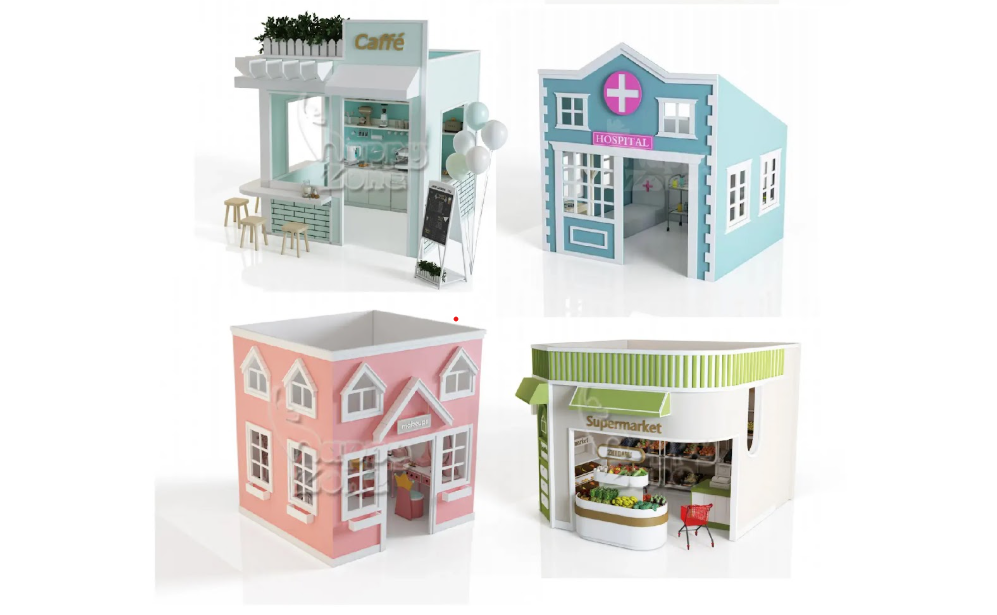
Role Play and Mini City Environments
Real world simulations that develop social and practical skills.
Sensory and Tactile Installations
Designed to stimulate touch, sound, and visual interaction.
Climbing and Physical Exploration Modules
Encourage movement and physical development.
Maker Labs and Workshop Classrooms
Spaces for creativity, innovation, and guided learning.
Safety First Design
Impact resistant flooring, rounded edges, and secure installations are essential.
A well planned design ensures both high engagement and operational efficiency.
Revenue Architecture and Sustainability
Discovery museums operate as diversified revenue ecosystems.
Key revenue streams include:
General Admission and Memberships
Core income with recurring revenue from loyal visitors.
School Bookings
Structured programs aligned with educational institutions.
Birthday Parties and Events
High margin offerings for families.
Holiday Camps and Workshops
Seasonal programs that increase utilization.
Retail and Merchandise
Educational toys and souvenirs.
Café Operations
Enhancing visitor experience while generating additional revenue.
Institutional Sponsorships and CSR Partnerships
Strong financial support through brand and corporate collaborations.
This layered revenue model ensures long term sustainability.
Global Benchmark Discovery Museums
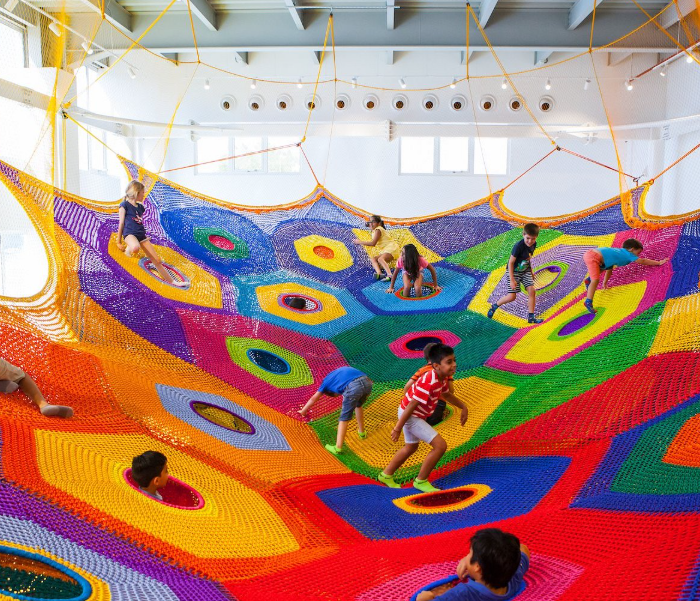
Leading projects around the world demonstrate how discovery museums can scale successfully.
Children’s Museum of Indianapolis USA
The world’s largest children’s museum, known for immersive exhibits and strong educational programming.
KidZania Global Locations
A role play city concept that combines learning with a scalable commercial model.
OliOli Dubai UAE
A boutique interactive museum offering curated sensory and creative experiences.
These examples highlight the importance of combining education, design, and operational strategy.
Operational Excellence and Safety
Operational planning is critical to maintaining quality and trust.
Key focus areas include:
- Daily sanitization and hygiene protocols
- Trained facilitators for guided learning
- Controlled capacity management
- Clearly defined emergency exits
- Segregated zones for better supervision
Strong operations ensure a safe, efficient, and enjoyable experience for all visitors.
Why This Model Works for Developers
Children’s discovery museums offer:
- Consistent demand from families and schools
- Strong repeat visitation
- Multiple revenue streams
- Opportunities for expansion and partnerships
They are not just attractions. They are educational ecosystems with long term commercial viability.
Why Partner with Peach Prime Consultancy
Creating a successful discovery museum requires a combination of educational expertise, design innovation, and financial planning.
Peach Prime Consultancy provides:
- Interactive museum concept development
- Thematic zoning and experience planning
- Technical integration and execution support
- Financial feasibility and scalability modeling
We ensure that every project delivers both educational integrity and strong commercial performance.