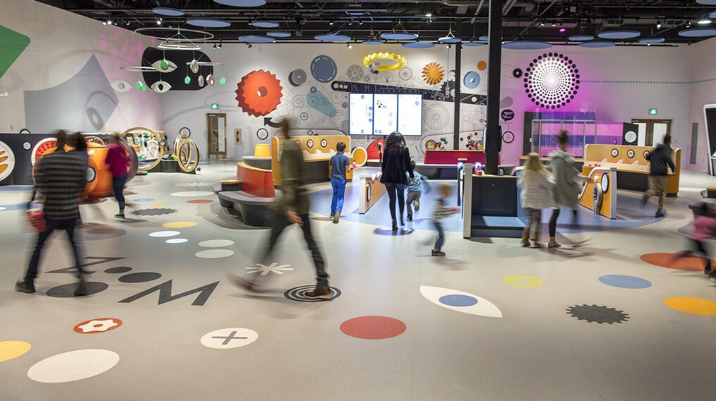
Children’s exploration museums are no longer just play spaces. They are carefully designed learning ecosystems that combine education, interaction, and storytelling.
For developers entering the family education sector, success depends on aligning pedagogy, visitor psychology, safety engineering, and revenue strategy into a single cohesive environment.
This framework outlines how to design a discovery museum that is both inspiring for children and efficient for long term operations.
The Foundation of Modern Exploration Museums
Today’s discovery museums focus on active participation rather than passive observation.
These environments are designed to:
- Encourage curiosity and independent exploration
- Support structured and unstructured learning
- Blend physical interaction with digital engagement
A strong conceptual foundation ensures that the museum appeals to families, schools, and institutional partners.
Step 1: Zoning by Learning Themes
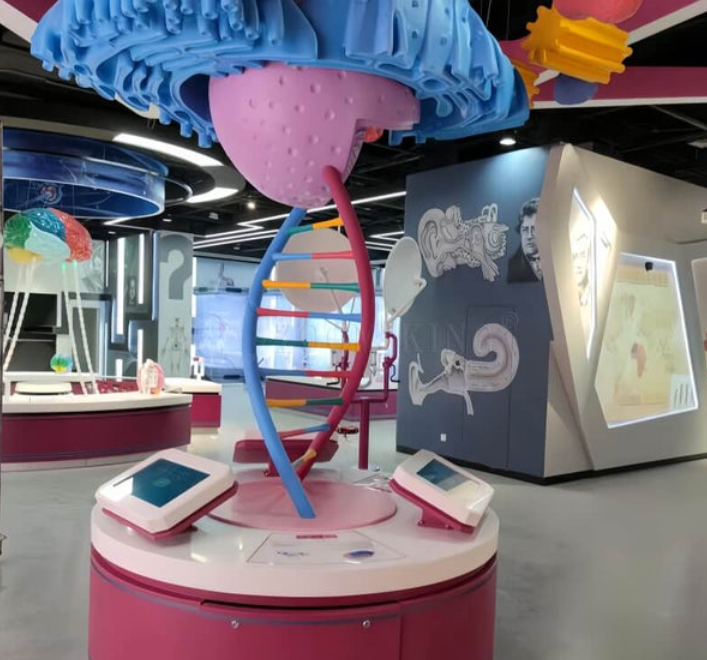
Zoning is the backbone of visitor flow and educational structure.
Key thematic clusters include:
Space Exploration
Interactive environments that introduce astronomy and space science.
Robotics and Engineering
Hands on stations for building, coding, and mechanical interaction.
Sustainability and Environment
Exhibits focused on energy, water systems, and ecological awareness.
Human Biology
Engaging displays that explain how the body works.
Creative Arts
Zones that encourage artistic expression and imagination.
Community Role Play
Mini city environments that simulate real world professions.
Clear wayfinding between these zones enhances both learning progression and visitor flow.
Step 2: Interactive Technology Integration
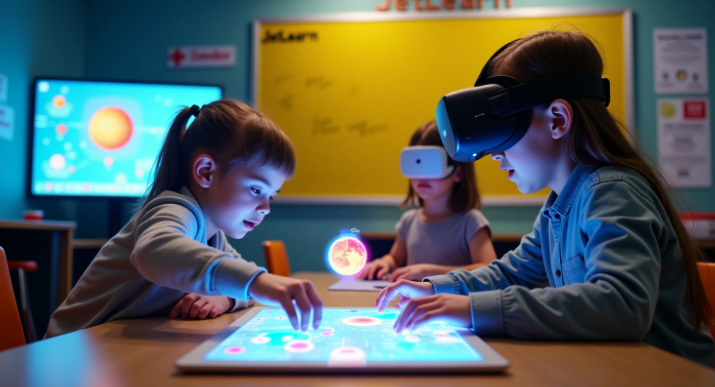
Technology enhances engagement and expands the scope of learning experiences.
Key integrations include:
AR Based Simulations
Allow children to interact with digital environments layered over physical space.
Projection Mapping Environments
Create immersive storytelling experiences.
Touchscreen Learning Kiosks
Deliver guided, self paced educational content.
Hands On Mechanical Models
Provide tactile understanding of engineering concepts.
Gamified Learning Stations
Encourage engagement through challenges and rewards.
Durability, ease of maintenance, and system reliability are critical to long term success.
Step 3: Capacity and Program Optimization
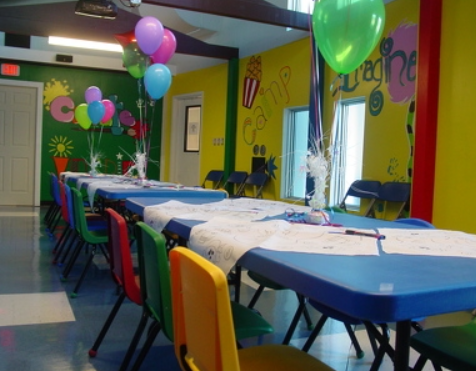
Operational planning ensures that the museum can handle high visitor volumes while maintaining quality.
Key strategies include:
Dedicated School Entry Zones
Separate access points for large group visits.
Orientation Theaters
Prepare visitors before they enter the main experience zones.
Workshop Classrooms
Enable structured programs and educational sessions.
Birthday and Event Rooms
Increase revenue through private bookings.
Timed Ticketing Systems
Control crowd flow and prevent overcrowding during peak hours.
Efficient capacity management improves both visitor satisfaction and revenue performance.
International Case Studies
Global leaders demonstrate how structured planning and educational alignment drive success.
Boston Children’s Museum USA
Combines hands on exhibits with strong community programming and partnerships.
Cité des Enfants Paris France
Features age segmented exploration zones with a strong educational framework.
National Children’s Museum Washington DC USA
Focuses on STEAM learning with interactive and civic engagement experiences.
These examples highlight the importance of combining education, design, and operational strategy.
Future Proofing the Discovery Museum Model
To remain relevant, exploration museums must continuously evolve.
Key strategies include:
- Rotating exhibit modules to refresh experiences
- Seasonal workshops and themed programs
- Digital learning extensions beyond the physical space
- Partnerships with schools and educational institutions
This ensures repeat visitation and long term engagement.
Why This Framework Works for Developers
A structured approach allows developers to:
- Deliver high quality educational experiences
- Optimize visitor flow and operational efficiency
- Create multiple revenue streams
- Build a scalable and sustainable model
It transforms the museum into a long term cultural and commercial asset.
Develop with Experienced Museum Consultants
Creating a successful children’s exploration museum requires expertise across design, education, and operations.
Peach Prime Consultancy provides:
- Master planning and concept development
- Exhibit design and coordination
- Safety and compliance planning
- Revenue modeling and scalability strategy
Our approach ensures that every project achieves both educational impact and financial sustainability.