
Museums are changing faster than ever before. For decades, visitors walked through galleries, read wall text, viewed collections, and moved on. Today, audiences expect something more engaging. They want to participate, explore, touch, react, share, and remember.
This shift has created a powerful new category: digital museums and immersive art destinations.
Across major cities, developers, tourism boards, private investors, and cultural institutions are launching interactive spaces that combine art, design, technology, and entertainment. These projects are not only attracting large audiences, but they are also opening fresh income opportunities that traditional museum models often struggle to achieve.
For organisations planning future ready attractions, this is more than a trend. It is a new business model.
Why Visitors Are Choosing Experiences Over Static Displays
Modern audiences have grown up in a world of screens, motion, gaming, social media, and personalised content. As a result, expectations have changed.
People no longer want to only observe. They want to be part of the story.
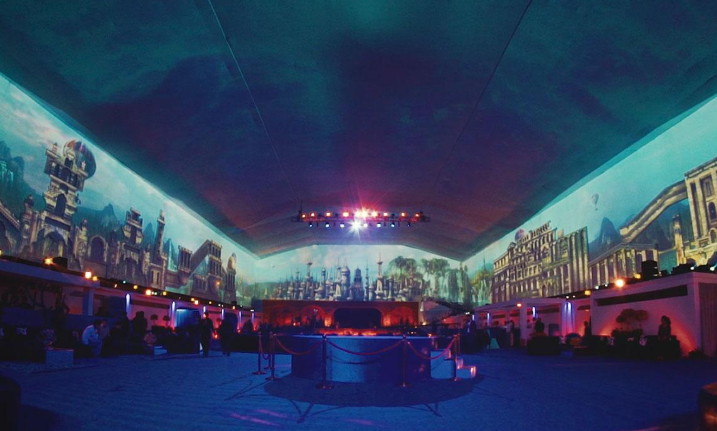
When a room responds to movement, when artwork changes with sound, or when walls transform around the visitor, the experience becomes personal. That emotional connection drives stronger memories, longer visits, and more repeat traffic.
This is why immersive museums often appeal to:
- Families looking for memorable outings
- Young adults seeking shareable experiences
- Tourists searching for standout attractions
- Schools wanting educational engagement
- Brands looking for premium event spaces
Traditional museums still hold immense cultural value. However, interactive formats are expanding the market by attracting audiences who may not usually visit galleries.
What Defines a Successful Digital Museum
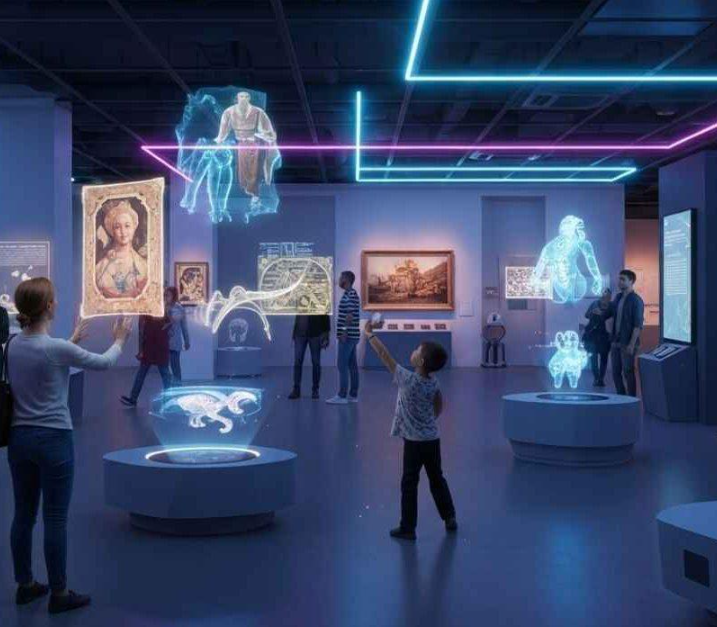
A digital museum is not simply a room filled with screens. The most successful venues blend storytelling, technology, architecture, and visitor psychology.
Core elements often include:
Interactive LED walls that respond to touch or movement. Projection mapping that transforms floors, ceilings, and structures. Sound design that changes atmosphere in real time. AI generated visual art. Sensor based exhibits. Multi room immersive journeys. Holographic narratives. Data driven content updates.
When these tools are used with a clear creative concept, the result feels magical rather than technical.
Why Investors and Developers Are Paying Attention
Digital museums can perform strongly because they are flexible revenue assets.
Unlike institutions dependent on permanent collections, immersive venues can refresh content seasonally, collaborate with artists, host branded experiences, and rotate themes to encourage repeat visits.
This creates a stronger commercial cycle.
Key Revenue Streams
Ticket Sales
Timed entries, premium access sessions, VIP nights, and family bundles increase pricing options.
Brand Collaborations
Fashion, automotive, technology, and lifestyle brands pay to launch products in visually powerful spaces.
Merchandise
Limited prints, collectibles, books, apparel, and artist collaborations perform well when linked to the experience.
Private Events
Corporate launches, networking nights, weddings, influencer events, and private bookings can generate premium margins.
Educational Programs
Schools, colleges, workshops, and creative training programs fill weekday demand.
Digital Commerce
NFT collections, licensed digital art, downloadable content, and virtual experiences add future growth opportunities.
For many developers, this means one venue can produce multiple income channels instead of relying only on entry tickets.
Global Projects Showing the Future
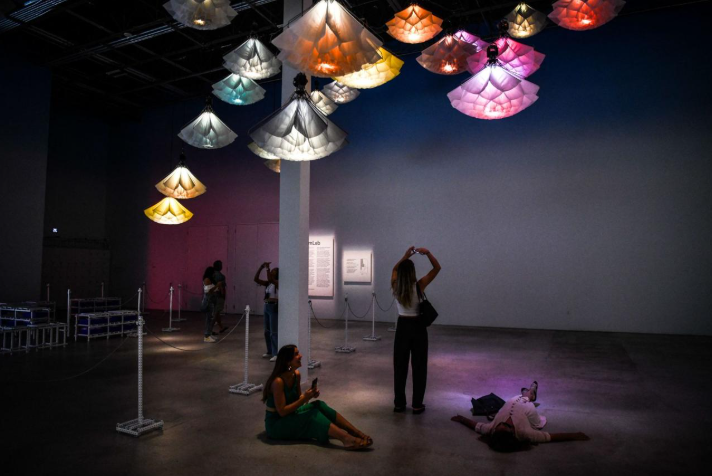
teamLab Borderless became globally recognised by turning visitors into participants inside moving digital environments. Guests do not simply walk through galleries. They move inside living artwork.
Superblue helped position immersive art as a premium large scale entertainment category with international appeal.
Mori Building Digital Art Museum demonstrated how architecture, technology, and cultural storytelling can merge into one destination experience.
These examples show that audiences are willing to pay for emotional, shareable, high quality immersive experiences.
The Hidden Side Most People Ignore: Technical Infrastructure
Many projects focus on visuals but underestimate backend requirements. This is often where success or failure is decided.
A professionally designed digital museum requires robust systems such as high speed fibre networks, media servers, cooling systems, equipment redundancy, acoustic control, lighting integration, visitor circulation planning, cybersecurity, and long term maintenance access.
Without this foundation, even beautiful installations can suffer downtime, poor synchronisation, overheating, or operational losses.
This is why early planning matters more than late repairs.
Where the Best Opportunities Exist Today
The strongest growth opportunities are often not in standalone museums alone. They also include:
Mixed use developments wanting a signature attraction. Retail centres seeking footfall growth. Tourism districts building all weather destinations. Waterfront redevelopments. Cultural precincts. Airport entertainment zones. Luxury hospitality projects wanting differentiated guest experiences.
An immersive museum can become the anchor attraction that increases spending across surrounding businesses.
How Peach Prime Consultancy Helps Bring These Projects to Life
Peach Prime Consultancy works with developers, institutions, and investors to shape immersive destinations that are creative, practical, and commercially viable.
Our support includes concept development, experience planning, layout design, visitor flow strategy, technology coordination, attraction monetisation planning, and project feasibility guidance.
The goal is simple: create spaces people talk about and businesses profit from.
FAQs
Are digital museums profitable?
Yes, when planned correctly. Revenue usually comes from tickets, sponsorships, events, merchandise, and repeat visitation.
Do immersive museums need large spaces?
No. Compact formats can work well with smart design and strong storytelling.
How often should content be updated?
Many venues refresh zones seasonally or annually to encourage return visits.
Are these projects only for major cities?
No. Tourist towns, malls, entertainment districts, and mixed use developments can also perform strongly.
What is the biggest mistake developers make?
Focusing only on visuals while ignoring technical operations and revenue planning.
Final Thought
The museum of the future is no longer limited to objects behind glass. It is interactive, emotional, dynamic, and commercially adaptable.
For developers and cultural leaders, immersive media is creating a rare opportunity to combine art, tourism, technology, and business in one destination model.
Those who move early will define the next generation of cultural experiences.