
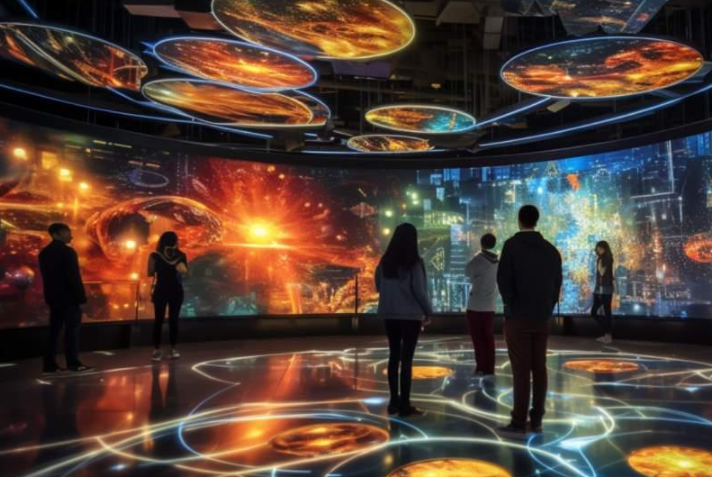
Digital art museums have moved beyond novelty. They are now serious investment opportunities within tourism, entertainment, retail, and cultural development. Around the world, developers are launching immersive attractions that combine art, technology, storytelling, and revenue generation in one destination model.
What once felt experimental is now becoming scalable.
From AI generated installations and responsive light sculptures to projection domes and multi sensory environments, these venues attract modern audiences looking for experiences rather than passive entertainment.
For owners and investors, the real challenge is no longer whether immersive museums work. The challenge is how to design them for strong performance, repeat visitation, and operational efficiency.
Why High Performance Design Matters
Many immersive projects open with strong public interest but lose momentum after launch. This usually happens when design focuses only on visual impact and ignores long term visitor behaviour.
A successful digital museum must perform in three ways:
It must impress first time visitors.
It must encourage repeat visits.
It must remain operationally efficient over time.
This requires careful planning across architecture, storytelling, technology systems, and commercial strategy.
Designing for Engagement: What Keeps Visitors Inside Longer
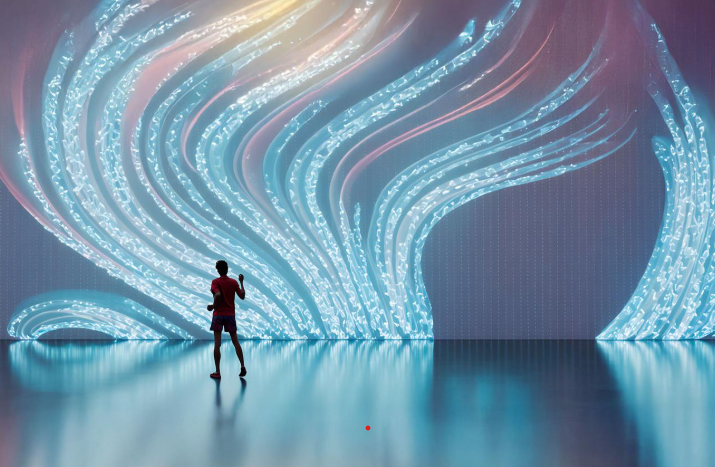
The best immersive attractions are not random collections of screens. They are carefully designed journeys.
Spatial Layering
Different zones should create changing moods and levels of intensity. A quiet entrance can lead into high energy projection chambers, followed by reflective spaces and social zones.
Contrast Lighting
Light controls emotion. Dark transitions make bright installations feel more dramatic. Controlled contrast improves photography and visitor immersion.
Triggered Interactions
When visitors influence visuals through motion, sound, touch, or presence, they feel connected to the experience. This creates stronger memories and higher satisfaction.
Narrative Progression
The venue should feel like a story unfolding from beginning to end. Without narrative flow, immersive spaces can feel repetitive.
The Monetization Framework Behind Successful Venues
High performing digital museums are built around multiple income streams. Ticket sales alone should not be the only strategy.
Rotational Digital Exhibitions
Unlike physical museums, digital venues can refresh themes quickly. Seasonal content helps drive repeat attendance without costly construction.
NFT and Blockchain Ownership Models
Artists and venues can create collectible digital editions tied to exhibitions, memberships, or exclusive access.
Premium Preview Nights
Private launches, VIP previews, influencer nights, and member access events create premium pricing opportunities.
Educational Technology Workshops
Coding, design, AI creativity, projection mapping, and digital storytelling workshops attract schools and professionals.
Immersive Brand Collaborations
Luxury brands, automotive companies, fashion labels, and technology firms increasingly seek immersive environments for launches and campaigns.
For developers, this diversified model creates stronger resilience during seasonal demand shifts.
International Case Studies Shaping the Market
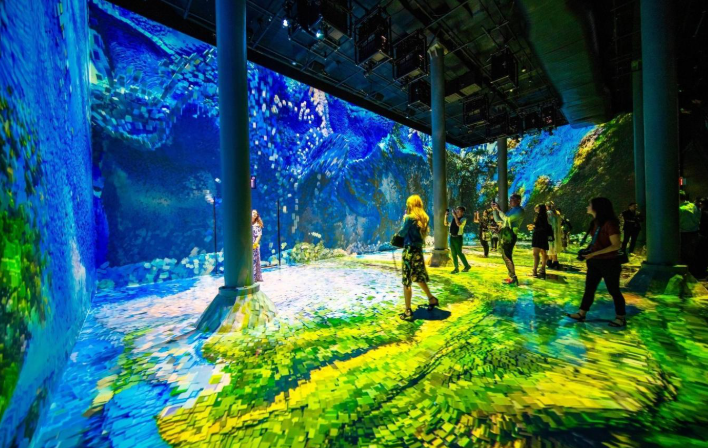
ARTECHOUSE
Known for blending art, science, and technology into ticketed immersive experiences with rotating themes.
Museum of the Future
Its interactive galleries show how innovation storytelling can become a global tourism draw.
Nxt Museum
A strong example of how digital media art can build a contemporary audience in Europe.
Operational Sustainability: The Hidden Profit Driver
Many investors underestimate lifecycle costs. Traditional scenic attractions often need expensive rebuilds to stay fresh.
Digital museums can reduce this challenge through modular content systems.
Instead of replacing physical sets, operators can update projection content, soundscapes, interactive logic, and visual themes. This keeps the attraction new while controlling capital expenditure.
Other sustainability advantages include:
Lower material waste during refresh cycles.
Faster campaign launches.
Scalable licensing partnerships.
Remote content management capabilities.
Better data tracking on visitor behaviour.
Infrastructure Reliability Cannot Be Ignored
Creative ambition must be supported by strong technical planning.
That includes:
Server architecture built for heavy media loads.
Stable fibre backbone networks.
Heat management for equipment zones.
Acoustic isolation between galleries.
Power redundancy.
Maintenance access routes.
Security systems.
Future upgrade pathways.
Without these systems, guest experience suffers and downtime increases.
Where Growth Opportunities Are Emerging
The next wave of immersive museums is likely to appear in:
Mixed use developments wanting anchor attractions.
Retail centres needing footfall recovery.
Tourism destinations seeking indoor experiences.
Smart city cultural districts.
Airport leisure zones.
Luxury hospitality projects.
These venues often increase surrounding spending across dining, retail, and entertainment.
Why Strategic Advisory Matters
Immersive attractions sit at the intersection of art and engineering. Success depends on balancing creative freedom with commercial discipline.
Professional planning helps answer critical questions:
How large should the venue be?
How many visitors per hour are realistic?
What refresh cycle maximises returns?
Which technology is future ready?
How can sponsorship revenue be built in from day one?
These decisions shape profitability long before opening day.
Partner with Peach Prime Consultancy
Peach Prime Consultancy supports immersive museum and digital attraction projects through integrated concept planning, visitor experience design, technical coordination, monetization strategy, and commercial feasibility.
Our planning model helps venues achieve two goals at once: artistic impact and financial performance.
FAQs
Are digital art museums a long term business model?
Yes. With strong content refresh cycles and diversified revenue, they can remain relevant for years.
What keeps visitors returning?
New digital themes, seasonal events, collaborative exhibitions, and changing interactive content.
Is this model only for large cities?
No. Tourist destinations, malls, and mixed use precincts can also perform strongly.
What is the biggest risk?
Overinvesting in visuals without planning operations, maintenance, and revenue channels.
Can existing buildings be converted?
Yes. Warehouses, retail spaces, and commercial buildings are often suitable with the right redesign.
Final Thought
The future of immersive museums belongs to projects that combine wonder with discipline.
Beautiful visuals may attract attention. High performance planning creates lasting success.
That is where engineering immersion truly begins.