
The global leisure market is rapidly shifting toward destinations that combine multiple reasons to visit under one roof. Guests no longer want only dinner, only games, or only nightlife. They want a complete social experience where food, entertainment, atmosphere, and shareable moments come together seamlessly.
This demand has created one of the most attractive categories in location based entertainment: eatertainment venues.
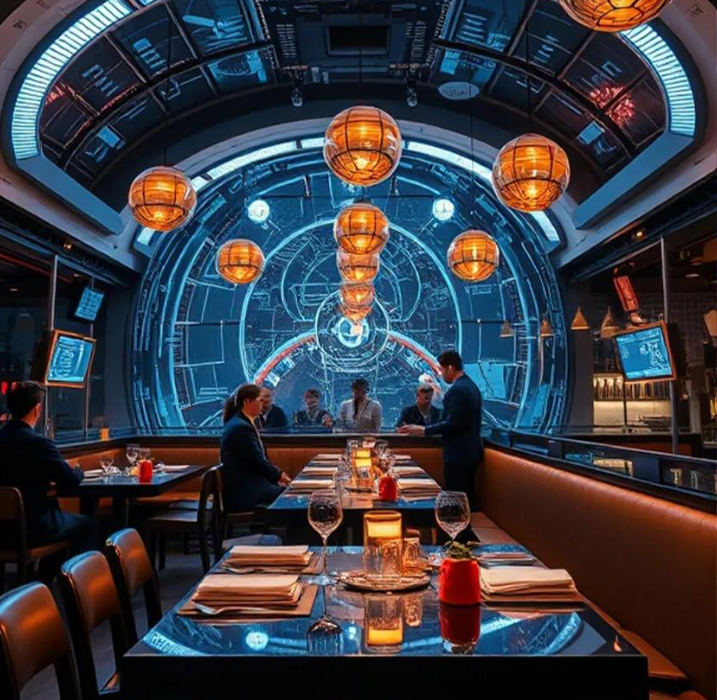
From tech mini golf lounges and arcade dining concepts to bowling restaurants and immersive social bars, hybrid venues are expanding across malls, mixed use developments, tourism districts, and urban nightlife markets.
However, success is not created by placing games beside tables.
A profitable eatertainment venue depends on careful design that balances hospitality operations with entertainment throughput. Layout efficiency, guest movement, acoustic comfort, kitchen logistics, and strong brand identity all determine whether the concept becomes a destination or a short lived trend.
Why Design Matters More Than Most Operators Realise
Many new hybrid venues focus heavily on attractions or décor while underestimating operational design.
This creates common problems:
Dining guests disturbed by noise.
Queues blocking circulation.
Slow kitchen output during peak periods.
Underused lounge zones.
Poor sightlines to attractions.
Weak identity between play and dining areas.
Confusing customer journeys.
Strong design solves these issues before opening day.
A well planned venue increases dwell time, average spend, operational efficiency, and repeat visitation.
Step 1: Zoning Strategy and Spatial Hierarchy
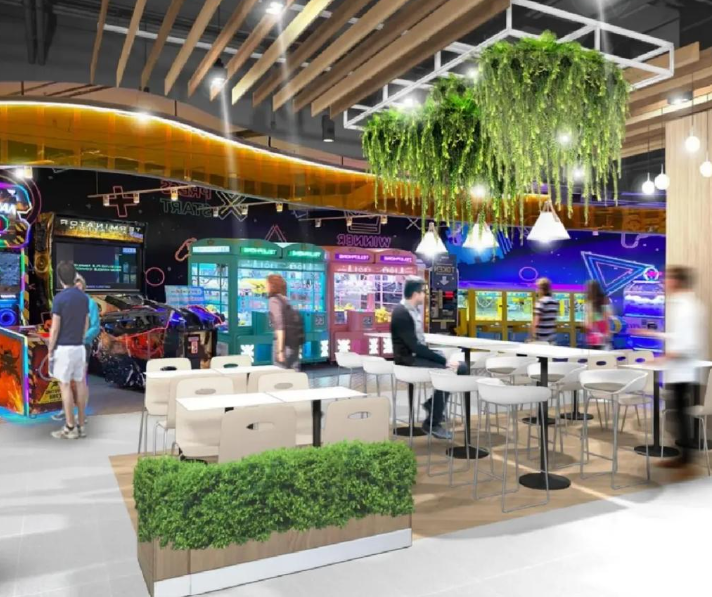
The first rule of eatertainment design is that not every zone should feel the same.
High energy spaces create excitement. Relaxed spaces create comfort. Transitional spaces drive movement and spending.
High Energy Zones
These typically include:
Arcades.
Bowling lanes.
VR arenas.
Mini golf courses.
Competitive social games.
Live event screens.
These areas can support louder music, brighter lighting, and active movement.
Relaxed Zones
These include:
Dining tables.
Lounge seating.
Private booths.
Family dining areas.
Cocktail bars.
Guests here expect comfort, conversation, and longer stays.
Transitional Zones
These are highly valuable but often overlooked.
Examples include:
Bar counters between gaming and dining.
Viewing lounges beside attractions.
Open waiting zones with drinks service.
Social seating near scoreboards.
These spaces encourage cross spending and natural movement between activities.
Why Acoustic Design Is Essential
Noise is one of the biggest reasons hybrid venues underperform.
If dining guests feel overwhelmed by arcade sounds or bowling impact noise, comfort drops and dwell time shortens.
Solutions include:
Acoustic partitions.
Ceiling absorption systems.
Soft finishes in dining zones.
Directional speakers.
Buffer corridors.
Sound zoned music systems.
Great hybrid venues feel energetic without feeling chaotic.
Step 2: Kitchen and Service Integration
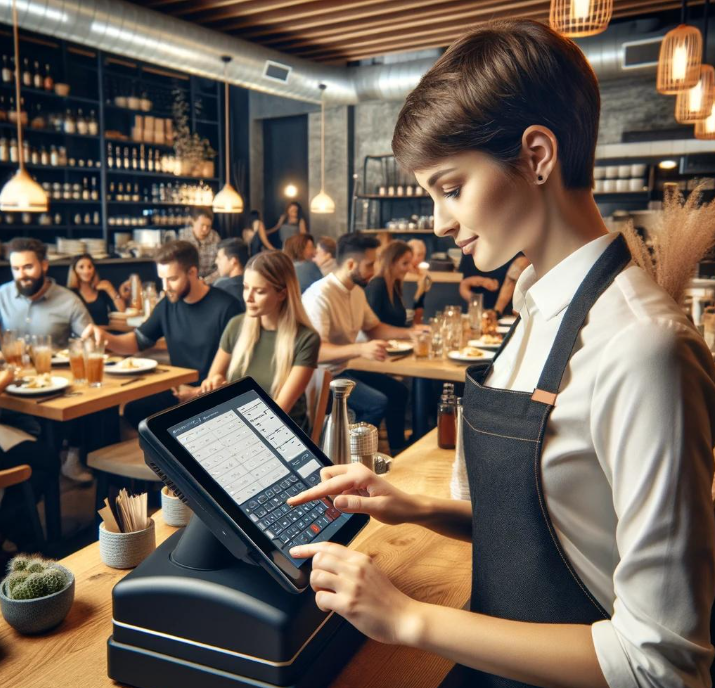
Food quality and speed are just as important as entertainment quality.
Many operators forget that gaming activity often creates sudden demand spikes. A birthday group may finish bowling and order together. A tournament may release dozens of players at once. Without planning, kitchens become bottlenecks.
Key Kitchen Planning Principles
Back of house routes separated from guest movement.
Fast access to high demand zones.
Efficient pass areas.
Flexible menu engineering.
Strong beverage service points.
Pickup zones for digital ordering.
Technology Integration
Digital systems can transform performance.
Table ordering apps.
Integrated POS platforms.
Booking systems linked to food packages.
Unified billing for games and dining.
Real time kitchen queue monitoring.
When food service feels seamless, guests stay longer and spend more.
Step 3: Experience Design and Brand Identity
Consumers choose venues emotionally before they choose them rationally.
That means atmosphere matters.
Visual Identity Drivers
Instagrammable lighting.
Neon signage.
Dynamic LED features.
Signature photo moments.
Bold material palettes.
Custom murals.
Branded game interfaces.
Storytelling Consistency
The venue should feel like one brand world, not separate businesses sharing rent.
Menus, uniforms, scoreboards, lighting language, signage, playlists, and digital touchpoints should feel connected.
This consistency builds stronger recall and social media recognition.
Designing for Gen Z and Millennial Audiences
Younger audiences value:
Interactive experiences.
Shareable spaces.
Flexible group seating.
Quick booking systems.
Casual premium food.
Late evening energy.
Competitive fun.
Memorable visuals.
Design decisions should reflect how these customers socialise today.
Three International Case Studies in Eatertainment
Puttshack
A benchmark for combining technology enabled mini golf with premium hospitality and modern design.
Punch Bowl Social
Shows how chef driven dining can integrate successfully with multiple social gaming formats.
Timezone
Demonstrates how arcade led entertainment can expand through café and event based formats within retail ecosystems.
Future Proofing the Hybrid Concept
Great venues evolve after launch.
Refresh Strategies
Rotating themed nights.
Esports watch parties.
Seasonal décor changes.
Menu refreshes.
Brand collaborations.
Limited time games.
Corporate league seasons.
Loyalty and CRM
Smart venues use guest data to increase repeat visitation through:
Birthday offers.
Member rewards.
Reactivation campaigns.
VIP access.
Family packages.
Off peak incentives.
Operational Risks to Avoid
Even strong concepts fail when operations are ignored.
Common mistakes include:
Too many seats with weak attractions.
Too many attractions with weak dining.
Poor staff training.
Slow food output.
Long queue times.
Unsafe circulation.
Weak maintenance discipline.
No repeat visit strategy.
Balance is everything.
What Investors and Developers Should Evaluate
Before committing capital, key questions include:
What is expected revenue per square foot?
What percentage of revenue comes from food?
How many guests can be served at peak hour?
How much space should dining receive?
Which attractions suit local demographics?
How often will interiors need refreshing?
Can the concept scale to multiple locations?
These answers shape ROI more than design trends.
Develop with Experienced Entertainment Consultants
Peach Prime Consultancy supports food plus entertainment developments through zoning optimization, feasibility studies, attraction planning, hospitality integration, vendor coordination, safety strategy, and financial modeling.
Partnering with experienced specialists reduces execution risk and helps create sustainable long term performance.
FAQs
What is an eatertainment venue?
A venue that combines dining with games or attractions such as mini golf, arcade, bowling, VR, or social gaming.
Why are these concepts growing?
Consumers increasingly prefer social experiences that combine food and entertainment in one place.
What matters most in design?
Zoning, acoustics, guest flow, kitchen efficiency, and brand identity.
Why is acoustic planning important?
It protects dining comfort while preserving entertainment energy.
Should food quality be premium?
Yes. Strong food and beverage often drives major profitability.
Can mall locations work well?
Yes. Many hybrid venues succeed as anchors in retail developments.
What attracts repeat customers?
New events, loyalty programs, seasonal refreshes, and consistent service.
What is the biggest design mistake?
Treating gaming and dining as unrelated components.
Are compact venues viable?
Yes. Smart layouts can make smaller footprints highly productive.
Why hire specialist consultants?
Because hospitality operations and entertainment economics must be integrated from day one.
Final Thought
Eatertainment is not simply dining with games added on the side.
It is a carefully engineered destination model where atmosphere, movement, food, technology, and social behaviour work together.
The venues that understand this will become tomorrow’s highest dwell, highest revenue social destinations.