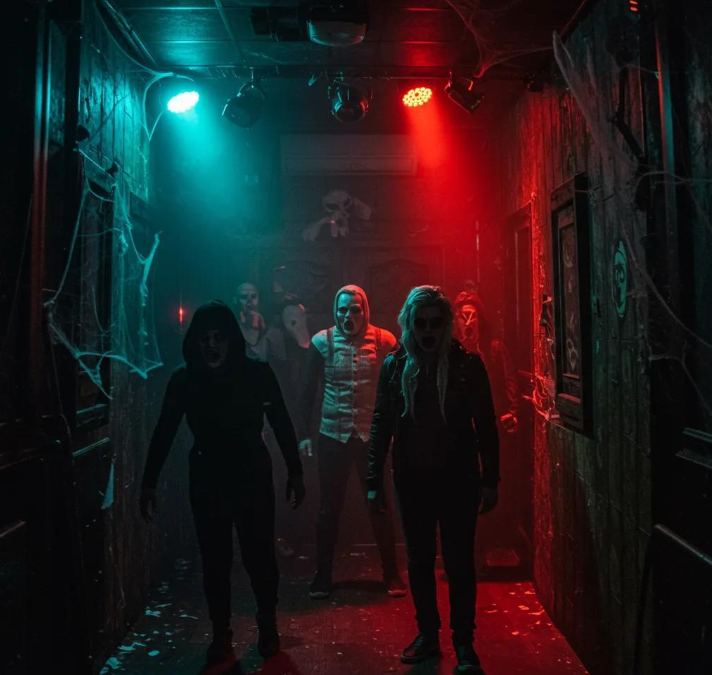
Few entertainment formats create emotional intensity, word of mouth marketing, and seasonal urgency as effectively as a haunted house attraction. When people laugh, scream, film reactions, and challenge friends to attend, the attraction markets itself.
This is why haunted walkthroughs, Halloween horror events, scare mazes, and immersive thriller experiences continue to grow across global markets. For investors and developers, haunted attractions can become high margin location based entertainment assets when structured correctly.
Unlike ride dependent parks that require massive infrastructure, a haunted attraction can generate strong returns through storytelling, scenic design, actors, lighting, sound, and operational choreography.
When done well, guests do not pay for hardware. They pay for emotion.
Why Haunted Attractions Can Be Highly Profitable
Haunted attractions often benefit from several strong business advantages.
Premium Ticket Pricing
Guests willingly pay more for intense, memorable, limited time experiences.
Strong Social Sharing
Reaction videos, group photos, and challenge based marketing create organic reach.
Repeat Visits
Multiple mazes, changing scenes, seasonal updates, and group revisits drive return demand.
Scalable Formats
Concepts can range from compact mall pop ups to large destination horror parks.
Emotional Marketing
Fear creates anticipation, curiosity, and urgency in a way many attractions cannot match.
Event Driven Revenue
Halloween season, Friday nights, themed weekends, and special blackout nights increase demand.
Understanding the Haunted House Business Model
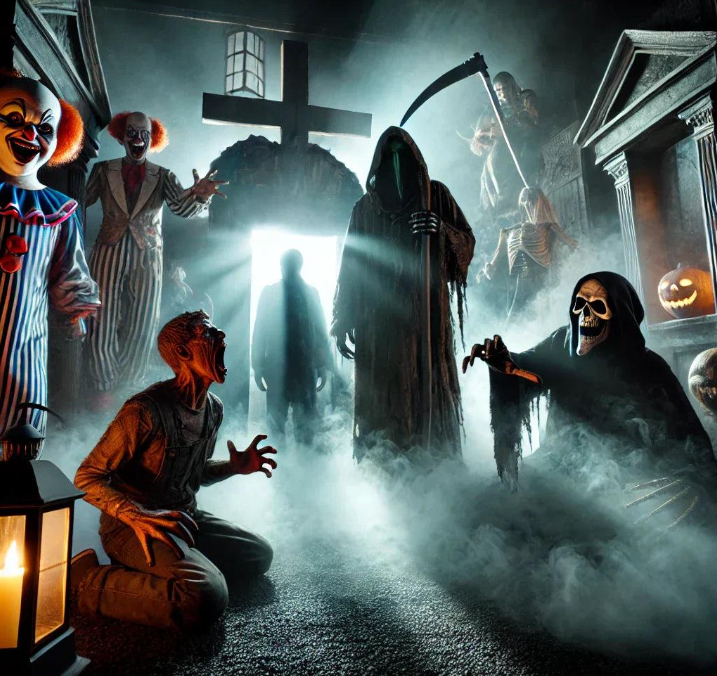
A successful haunted house business is not built only on scary costumes.
It depends on combining:
Storytelling.
Scenic design.
Lighting control.
Sound design.
Actors and timing.
Guest flow.
Safety systems.
Throughput efficiency.
Marketing momentum.
The best attractions feel cinematic and unpredictable while remaining operationally disciplined.
Guests should feel immersed in a narrative, whether they are entering an abandoned asylum, cursed mansion, infected city zone, underground lab, or supernatural forest.
Key Positioning Formats
Choosing the right model is one of the most important early decisions.
Seasonal Halloween Horror Events
Open during high demand periods such as October or festive seasons.
Best For
Temporary sites.
Large seasonal crowds.
Strong urgency marketing.
Lower year round staffing burden.
Permanent Year Round Horror Walkthroughs
Operate continuously with refreshed scenes and themed nights.
Best For
Tourism districts.
Entertainment complexes.
Mixed use destinations.
Indoor leisure centres.
Psychological Thriller Experiences
Focus more on suspense, narrative tension, and immersive theatre rather than jump scares.
Best For
Premium adult audiences.
Corporate groups.
Story driven markets.
Zombie Survival Attractions
Guests complete missions, laser combat, or live action challenges.
Best For
Teens and young adults.
Gamified experiences.
Group bookings.
Haunted Escape Hybrids
Combines puzzles, actors, and fear elements.
Best For
Repeat visitation.
Smaller footprints.
High engagement players.
Investment Planning and Cost Considerations
Haunted attractions can be more capital efficient than many amusement concepts, but planning still matters.
Major Investment Areas
Scenic fabrication and theming.
Lighting systems.
Audio and special effects.
Animatronics.
Queue zones and pre show areas.
Safety systems and fire compliance.
CCTV and control rooms.
Costumes and makeup areas.
Ticketing systems.
Marketing launch budgets.
Hidden Costs Often Missed
Actor recruitment and retention.
Set maintenance.
Daily reset labour.
Insurance.
Consumables.
Seasonal advertising spikes.
Technology repairs.
A well structured budget protects long term profitability.
Revenue Expansion Strategies
The strongest haunted businesses do not rely only on ticket sales.
VIP Fast Passes
Priority entry is often highly profitable during peak nights.
Premium Add On Experiences
Extreme routes, actor interaction upgrades, blackout tours, backstage access.
Group Bookings
Birthdays, student groups, corporate events, private buyouts.
Horror Merchandise
Apparel, masks, props, photos, collectibles.
Themed Food and Beverage
Potion bars, horror desserts, themed cafés, blood red mocktails.
Seasonal Events
Christmas horror nights, summer scream events, Valentine fright nights.
Influencer Preview Nights
Early access events can generate viral exposure quickly.
Throughput: The Hidden Profit Driver
A popular haunted house can still underperform if queues are slow and guest flow is poor.
Throughput planning includes:
Entry batching.
Maze timing intervals.
Actor reset positions.
Emergency exits.
Queue entertainment.
Ticket scanning speed.
VIP lane separation.
Crowd control on peak nights.
More efficient throughput can significantly improve nightly revenue without expanding footprint.
Safety Is Non Negotiable
Fear should feel intense but controlled.
Operators must plan:
Emergency evacuation routes.
Fire resistant materials.
Slip resistant flooring.
Medical response readiness.
Staff communication systems.
Guest behaviour management.
Age restrictions where needed.
Daily safety checks.
Trust is essential for long term success.
Marketing That Works Best for Horror Attractions
Haunted attractions thrive on anticipation.
Strong Marketing Tactics
Trailer style videos.
Reaction content.
Countdown campaigns.
Limited night urgency.
Influencer walkthroughs.
Mystery teasers.
Referral challenges.
Return visitor rewards.
Fear based products often market best when curiosity is stronger than explanation.
Who the Best Customers Are
Haunted attractions commonly attract:
Teen groups.
Young adults.
Date night visitors.
Corporate teams.
Tourists.
Content creators.
Friends seeking group experiences.
Understanding the local market helps determine intensity level and pricing.
Why Work with Peach Prime Consultancy
Peach Prime Consultancy supports haunted attraction projects through feasibility studies, concept planning, layout design, thematic development, technology coordination, safety strategy, and revenue modeling.
Whether you are launching a seasonal scare maze or a permanent horror destination, our team helps turn fear into a sustainable business model.
FAQs
Are haunted house attractions profitable?
Yes, especially when ticketing is supported by VIP passes, merchandise, and peak season demand.
Is a seasonal model better than permanent?
It depends on location, tourism flow, and market size.
Do haunted attractions need large space?
No. Compact formats can work well with strong design and throughput planning.
What is the biggest hidden cost?
Staffing, maintenance, and marketing are often underestimated.
Can haunted attractions work in malls?
Yes, temporary and permanent indoor formats can perform strongly.
How often should scenes change?
Regular refreshes help repeat visitation and maintain buzz.
Are actors necessary?
Live performers usually increase emotional impact significantly.
What age groups attend most?
Teens, young adults, and groups are common core audiences.
How important is safety?
Critical. Safety failures can damage reputation and operations immediately.
Why hire specialist consultants?
Because story, fear, flow, safety, and profitability must be engineered together.
Final Thought
A haunted attraction is not simply a maze with dark lights.
It is an emotional business built around anticipation, adrenaline, storytelling, and social energy.
For investors seeking a high impact entertainment concept with strong marketing potential, haunted houses remain one of the most compelling opportunities in location based entertainment.