
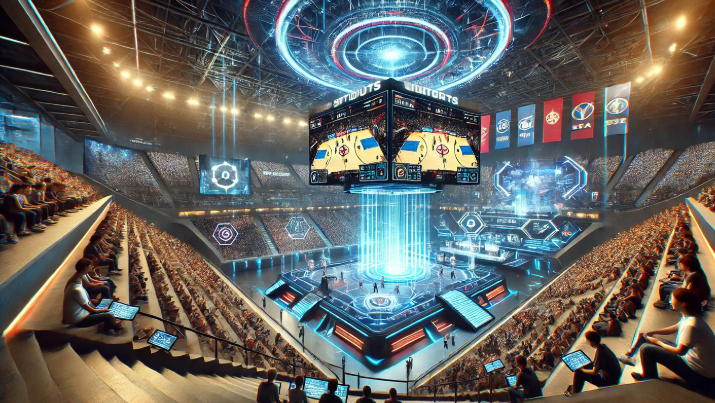
The entertainment industry is entering a new era. Traditional arcades, standalone VR pods, and static gaming lounges are being replaced by experiences that feel cinematic, social, and technologically advanced. This shift has created one of the most exciting investment opportunities in location based entertainment: holographic and next generation gaming arenas.
These venues blend projection mapping, volumetric visuals, interactive LED surfaces, spatial computing, AI powered gameplay, and multiplayer competition into one immersive destination. Players do not simply watch a screen. They step inside the game.
For investors and developers, this category offers premium positioning, strong visual marketing appeal, scalable content economics, and repeat visitation potential.
The future of gaming is no longer confined to the living room.
Why Next Gen Gaming Is a High Growth Opportunity
Several trends are driving strong demand.
Gen Z and Gen Alpha prefer social entertainment over isolated solo activities.
Young audiences are attracted to visually intense and shareable experiences.
Esports culture has mainstream credibility.
Developers seek attractions with future ready branding.
Consumers want physical movement combined with digital excitement.
Search interest continues to grow for:
Holographic gaming arena.
Immersive projection gaming.
Interactive LED floor games.
Spatial gaming environments.
Futuristic esports venue.
Unlike home consoles, these arenas offer scale, atmosphere, and group competition that are difficult to replicate at home.
What Is a Holographic and Next Gen Gaming Arena
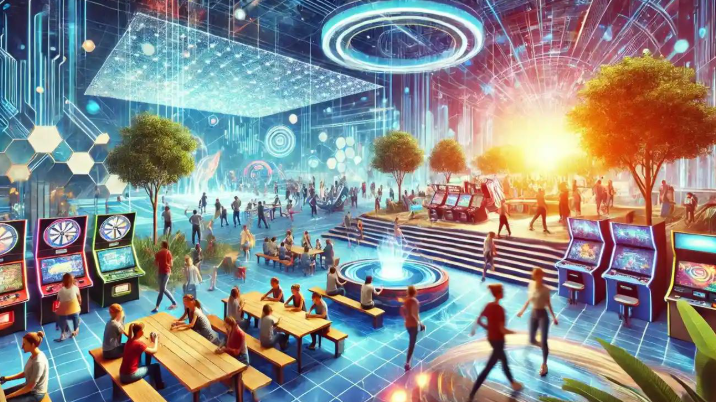
This format can include multiple technologies working together.
Projection mapped battle arenas.
Interactive LED floors with live game logic.
Motion tracked multiplayer missions.
Volumetric illusion zones.
AI adaptive challenge rooms.
Esports style competition stages.
Story driven team quests.
Mixed reality sports and fitness games.
The strongest venues combine physical movement with digital immersion.
Why This Category Can Be Attractive to Investors
Unlike many mechanical attractions, holographic gaming venues often rely more on software and content than heavy ride systems.
That can create several advantages:
Faster content refresh cycles.
New games without major rebuild costs.
Multiple revenue modes from the same space.
Strong repeat visitation through tournaments and updates.
Premium pricing due to perceived innovation.
Lower physical wear than some active attractions.
For investors, this means the same square footage can continue generating new demand through evolving content.
Core Infrastructure and Capital Planning
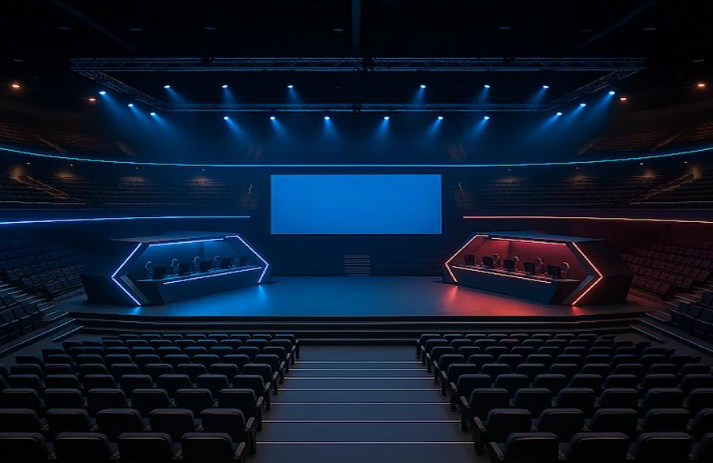
Strong guest experiences depend on disciplined technical planning.
Essential Technology Components
High lumen projection systems or holographic display units.
Interactive LED walls.
Responsive LED flooring.
Real time rendering engines.
Centralized game servers.
Motion tracking cameras.
Wearable sensors if required.
AI driven game logic systems.
Immersive sound systems.
Digital scoreboards and leaderboards.
Support Infrastructure
Redundant power systems.
Cooling for equipment rooms.
Cable management pathways.
Acoustic treatment.
Control rooms.
Remote diagnostics capability.
Network security systems.
Compared with ride attractions, success here depends heavily on AV engineering and software reliability.
Revenue and Monetization Strategy
The strongest gaming arenas build multiple income layers.
Timed Gameplay Sessions
Short, repeatable rounds with quick turnover.
Competitive Leagues
Weekly seasons, rankings, and prize events drive recurring demand.
Premium Memberships
Priority booking, discounts, exclusive modes, member tournaments.
Corporate Tech Events
Team building, innovation nights, and private arena hire.
Birthday Packages
Popular with younger audiences seeking premium celebrations.
Sponsorship Revenue
Brands can sponsor tournaments, screens, zones, or seasonal campaigns.
Food and Beverage
Snack bars, lounges, themed drinks, and social dining increase spend.
Ticketed Tournaments
Spectator events and finals nights can become major draws.
Content Rotation Advantage
Because the hardware can run multiple game modes, operators can monetize the same arena repeatedly without rebuilding infrastructure.
Three Global Benchmarks in Next Gen Gaming
iFLY
Shows how immersive simulation visuals can enhance physical experiences and premium pricing.
teamLab Borderless
Demonstrates the power of large scale projection and interactive environments with strong social media appeal.
Immotion Group
Highlights scalable immersive visual systems deployable across entertainment venues.
Operational and Risk Management
Technology uptime is directly tied to revenue.
Core Priorities
Preventive maintenance schedules.
Routine calibration.
Software patch management.
Spare parts inventory.
Trained technical staff.
Fast reboot protocols.
Guest support staff training.
Cleaning standards for sensors and surfaces.
Content Roadmap
Without fresh content, novelty fades. Operators should plan:
Seasonal modes.
Holiday tournaments.
New maps and missions.
Leaderboards resets.
Brand collaborations.
Limited time challenges.
Throughput: The Most Important Profit Metric
A popular attraction can still underperform if sessions are slow.
Strong throughput planning includes:
Digital waivers before arrival.
Quick onboarding videos.
Fast player turnover.
Clear session schedules.
Queue entertainment screens.
Preassigned team grouping.
More sessions per day often create stronger returns than raising ticket price alone.
Best Locations for These Arenas
High potential sites include:
Shopping malls.
Mixed use developments.
Urban nightlife districts.
Tourism zones.
University precincts.
Tech focused cities.
Premium family entertainment centres.
Strong demographics and repeat leisure traffic matter more than raw size alone.
What Investors Should Evaluate Before Funding
What is the realistic attendance model?
How often will content refresh?
What is the maintenance budget?
How much revenue comes beyond tickets?
Can the concept scale to more cities?
What utilisation is needed to break even?
How dependent is success on one technology vendor?
These questions determine long term viability.
Why Partner with Peach Prime Consultancy
Peach Prime Consultancy provides end to end planning for immersive gaming projects including feasibility analysis, master planning, vendor coordination, technical integration, zoning strategy, and financial modeling.
If you are planning a holographic or next gen gaming arena, our team helps create a future ready destination built for commercial performance.
FAQs
Are holographic gaming arenas profitable?
They can be highly attractive when throughput, memberships, events, and content refresh are managed well.
How are they different from VR arcades?
They often focus more on shared environments, spectator energy, and room scale immersion.
What audience uses them most?
Gen Z, Gen Alpha, young adults, corporates, and families.
Is content more important than hardware?
Both matter, but repeat visits are usually driven by gameplay quality and fresh content.
Can small venues succeed?
Yes. Compact arenas can perform strongly with efficient session models.
Why is cooling important?
High performance AV and server systems generate heat and need stable conditions.
How often should games be updated?
Regularly. Seasonal and quarterly refreshes often help retention.
What is the biggest risk?
Technology downtime and stale content.
Can malls host these venues?
Yes. They can work very well as traffic driving attractions.
Why hire specialist consultants?
Because technology, guest flow, ROI, and operations must be integrated from the start.
Final Thought
Holographic and next generation gaming arenas are more than entertainment trends. They represent the evolution of social play.
For investors, the opportunity lies in backing venues where software, spectacle, and scalable revenue models work together.
The winners will not simply build flashy rooms. They will build repeatable businesses.