Fear is one of the most reliable emotions in entertainment.
It creates anticipation before arrival, adrenaline during the experience, and conversation long after guests leave. People talk about what scared them, challenge friends to try it, post reaction videos, and return with new groups. That is why horror attractions have evolved from seasonal Halloween pop ups into serious year round businesses.
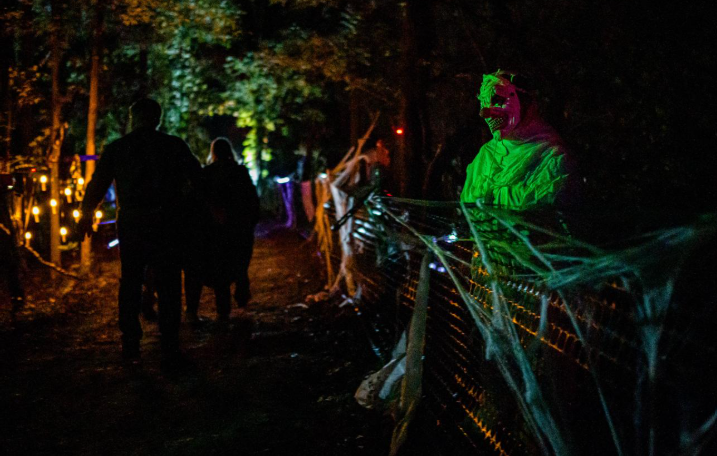
Across global markets, developers are now investing in horror walkthrough attractions, suspense mazes, immersive scare experiences, and live actor thriller concepts that operate as permanent entertainment brands.
For investors, the category offers premium ticket pricing, strong word of mouth marketing, scalable storytelling updates, and relatively efficient footprints compared with large ride based attractions.
When designed correctly, fear becomes more than an emotion. It becomes a repeatable revenue model.
Why Horror Attractions Are Growing Beyond Halloween
For many years, haunted houses were tied almost entirely to October demand. While seasonal events remain profitable, consumer appetite has expanded.
Audiences now seek:
Immersive story driven experiences.
Date night thrill activities.
Group challenges.
Content worthy social experiences.
Interactive theatre style entertainment.
Escape room alternatives.
Weekend adrenaline attractions.
This has opened the door for permanent horror brands operating throughout the year.
Unlike temporary pop ups, year round venues can build loyalty, memberships, partnerships, and stronger operational systems.
From Seasonal Haunted Houses to Permanent Horror Brands
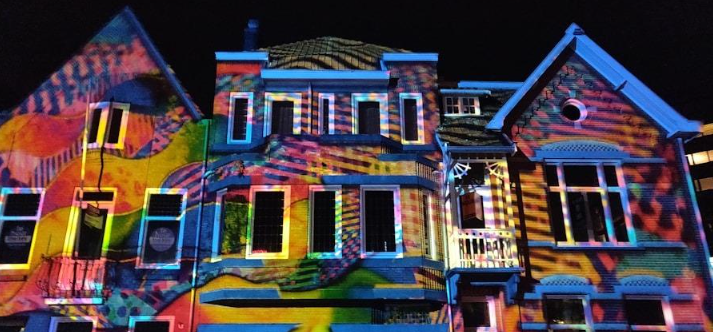
Traditional haunted houses often relied on quick scares, basic sets, and short operating calendars.
Modern permanent horror attractions are far more sophisticated.
They may feature:
Cinematic scenic design.
Detailed themed environments.
Animatronics.
Live performers with scripted timing.
Projection mapping illusions.
Scent effects.
Directional soundscapes.
Interactive scenes.
Branching story paths.
The focus is no longer only jump scares. It is immersion, suspense, anticipation, and narrative tension.
Guests should feel they entered another world.
Why Fear Works as a Business Model
Fear based entertainment has several commercial strengths.
High Emotional Memory
People remember intense experiences more than passive ones.
Natural Social Marketing
Reaction videos and group photos spread quickly online.
Strong Group Dynamics
Guests often attend in pairs or groups, increasing basket size.
Repeat Visit Potential
New story chapters, alternate routes, seasonal overlays, and changing actors encourage returns.
Premium Pricing Power
Many consumers willingly pay more for exclusive thrill experiences.
Compact Footprint Efficiency
Compared with large ride attractions, walkthrough concepts can perform strongly in smaller indoor spaces.
Revenue Architecture and Scalability
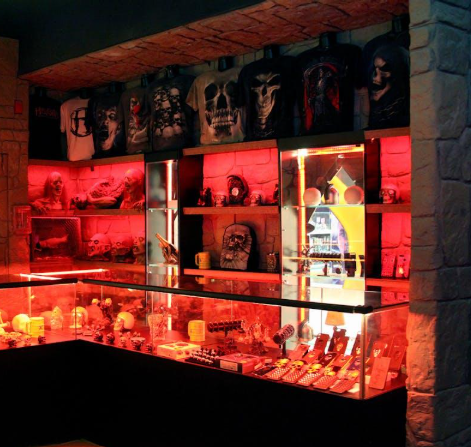
The strongest horror brands monetize beyond standard tickets.
Premium Ticketing
General admission with peak pricing for weekends and holidays.
Express Passes
Skip the queue products can be highly profitable during busy periods.
Merchandise
Masks, shirts, props, photos, collectibles, branded accessories.
Themed Food and Beverage
Potion bars, horror desserts, immersive cafés, themed drinks.
Photo and Video Packages
Guests often want proof they survived.
Corporate Bookings
Team building nights, private events, staff socials.
Membership Programs
Unlimited visits, priority entry, exclusive chapters.
Seasonal Story Overlays
Halloween editions, winter horror nights, blackout tours, Valentine fear nights.
Limited Edition Chapters
New scenes or narratives create urgency and repeat demand.
Because sessions are often batched and timed, operators can forecast hourly revenue with strong precision.
Three Global Leaders in Horror Attractions
Halloween Horror Nights
A benchmark for large scale immersive horror production, licensed stories, and premium demand.
McKamey Manor
Known for intense niche positioning and viral global attention.
The Dent Schoolhouse
Recognized for strong scenic detail, storytelling atmosphere, and loyal audience following.
Throughput: The Hidden Driver of Profitability
A sold out attraction can still underperform if guest flow is slow.
Strong Throughput Planning Includes
Timed batch entry.
Queue entertainment.
Fast ticket scanning.
Clear waiver systems if needed.
Actor reset timing.
Zone spacing between groups.
Express lane management.
Exit retail placement.
Improving throughput by small percentages can significantly raise annual revenue.
Operational Planning and Risk Control
Fear must feel intense but controlled.
Essential Safety Systems
Emergency lighting.
Clear evacuation routes.
CCTV monitoring.
Radio communication.
Daily set inspections.
Slip resistant surfaces.
Actor choreography training.
Guest behaviour protocols.
Medical response readiness.
Guest Comfort Balance
Intensity should match the brand promise. If the attraction overwhelms the wrong audience, complaints rise. Good operators segment experiences clearly.
The Importance of Content Refresh
Novelty fades if the attraction never changes.
Best practice includes:
Quarterly scene updates.
New characters.
Alternate endings.
Holiday overlays.
Special actor nights.
Limited challenge routes.
Collaboration events.
Story evolution is often cheaper than rebuilding from scratch.
Best Locations for Permanent Horror Brands
These attractions often perform strongly in:
Urban entertainment districts.
Shopping malls.
Tourism zones.
Mixed use developments.
Warehouse conversions.
Nightlife areas.
Large family entertainment centres.
Indoor operation provides year round reliability.
Why Develop with Peach Prime Consultancy
Peach Prime Consultancy supports horror attraction projects through immersive concept development, layout planning, show control integration, thematic engineering coordination, safety strategy, throughput planning, and financial feasibility modeling.
If you are planning a suspense walkthrough attraction, our team helps transform fear into a structured and profitable entertainment brand.
FAQs
Can horror attractions work year round?
Yes. Strong storytelling, refresh cycles, and strategic marketing can sustain ongoing demand.
Are horror walkthroughs profitable?
They can be highly attractive due to premium pricing and layered revenue streams.
Do they need large spaces?
No. Many successful concepts operate in compact indoor footprints.
What is the biggest hidden profit driver?
Throughput efficiency and queue conversion.
Are live actors necessary?
Usually yes. Human unpredictability adds major emotional impact.
Can families attend?
Some formats can be family friendly, while others target adults only.
How often should content change?
Regular scene and story updates help repeat visitation.
What is the biggest operational risk?
Safety failures or poor guest flow.
Can malls host horror attractions?
Yes. Indoor permanent or rotating concepts can work well.
Why hire specialist consultants?
Because fear, safety, design, and ROI must be engineered together.
Final Thought
Fear based entertainment has matured from a seasonal novelty into a scalable business category.
The most successful operators understand that guests are not paying only to be scared. They are paying for anticipation, atmosphere, adrenaline, and a story worth sharing.
For investors seeking high impact attractions with strong emotional marketing power, fear remains one of the smartest business models in experiential entertainment.