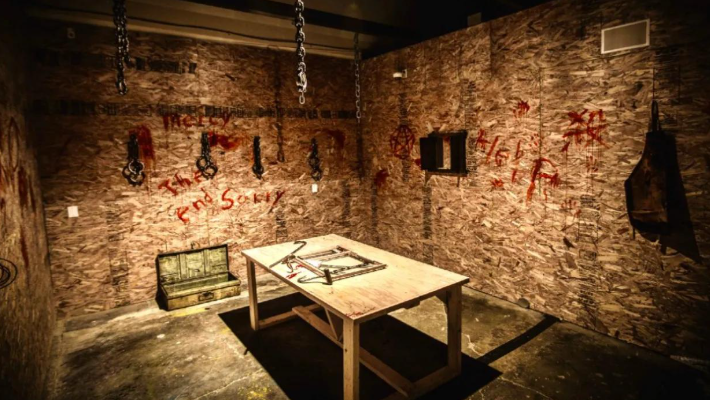
Fear may feel emotional and unpredictable, but the best horror attractions are built through precision engineering.
Behind every scream is a carefully planned system of lighting cues, actor timing, sound design, spatial psychology, guest flow, and safety management. What feels chaotic to the visitor must be highly controlled behind the scenes.
This is why successful horror walkthrough attractions are not simply dark corridors with actors. They are sophisticated immersive experiences where theatrical storytelling meets operational discipline.
For developers entering the fear based entertainment market, success depends on balancing three priorities:
Emotional intensity.
Guest safety.
Commercial throughput.
When these work together, horror attractions can become powerful year round entertainment assets.
Why Technical Planning Matters in Horror Attractions
Many operators underestimate how technical this category has become.
Modern guests expect:
Detailed environments.
Unexpected scares.
Movie quality sound.
Reactive effects.
Smooth operations.
Strong safety confidence.
Shareable memorable moments.
If timing is poor, lighting fails, actors miss cues, or queues move slowly, the illusion breaks immediately.
That is why engineering fear is as important as creative storytelling.
Step 1: Narrative Flow and Emotional Escalation
A strong horror attraction should feel like a journey, not random jump scares.
Visitors respond best when tension builds in stages.
Zone 1: Atmospheric Suspense
Guests enter uncertain environments with subtle sound, shadows, scent, and visual clues.
Zone 2: Rising Tension
Movement, distant noises, flickering lights, and glimpses of danger create anticipation.
Zone 3: Interactive Scares
Closer encounters, triggered effects, actor interactions, and environmental changes increase heart rate.
Zone 4: Climax Zone
The most intense section with major reveals, fast pacing, and high energy scare choreography.
Zone 5: Decompression Exit
Guests need a psychological release space before returning to normal areas.
This zone can include photo opportunities, retail, or themed recovery lounges.
Why This Structure Works
Fear is stronger when suspense builds gradually. Constant intensity often becomes tiring rather than effective.
Spatial Psychology: Using Design to Create Fear
Space itself can create discomfort.
Effective Techniques Include
Narrow corridors.
Low ceilings.
Unexpected turns.
Mirrors and reflections.
Sound direction confusion.
Visible but unreachable characters.
Compressed spaces followed by open voids.
These tools influence emotions before a single actor appears.
Step 2: Technology and Show Control Systems
Modern horror attractions often depend on hidden technology.
Common Systems
Motion sensors triggering scares.
Pneumatic pop effects.
Animatronics.
Fog systems.
Projection illusions.
Interactive doors and walls.
Programmable lighting cues.
Directional audio.
RFID triggered personalization.
Centralized show control software.
Why Centralized Control Matters
One control platform can coordinate:
Lighting changes.
Audio scenes.
Effect timing.
Emergency overrides.
Daily startup checks.
Maintenance alerts.
This increases reliability and keeps guest experiences consistent.
Automated Resets and Operational Efficiency
During busy nights, attractions may process hundreds or thousands of guests.
Effects that require manual reset can create delays.
Smart operators design:
Auto reset pneumatics.
Timed lighting loops.
Rapid prop recovery systems.
Hidden maintenance access.
Quick actor reposition routes.
Operational efficiency protects throughput and labour costs.
Step 3: Capacity and Risk Management
Fear attractions must feel intense while staying highly controlled.
Timed Batch Entries
Groups should be spaced to avoid crowding and prevent overlap.
Hidden Emergency Exits
Clearly compliant exits can remain visually integrated within the theme.
Actor Communication Systems
Radios or silent signals help coordinate flow and incidents.
CCTV Monitoring
Live visibility improves safety and queue control.
Medical Response Protocols
Staff must know how to respond to panic, slips, asthma issues, or injuries.
Insurance and Documentation
Liability coverage, risk assessments, maintenance logs, and training records are essential.
Throughput: The Real Profit Engine
A sold out attraction can still lose efficiency if queues move poorly.
Throughput Planning Includes
Fast ticket scanning.
Pre arrival waivers.
Briefing videos in queue lines.
Batch release timing.
Express pass lanes.
Exit routing into retail zones.
Improving cycle times by minutes can transform nightly revenue.
Three International Case Studies
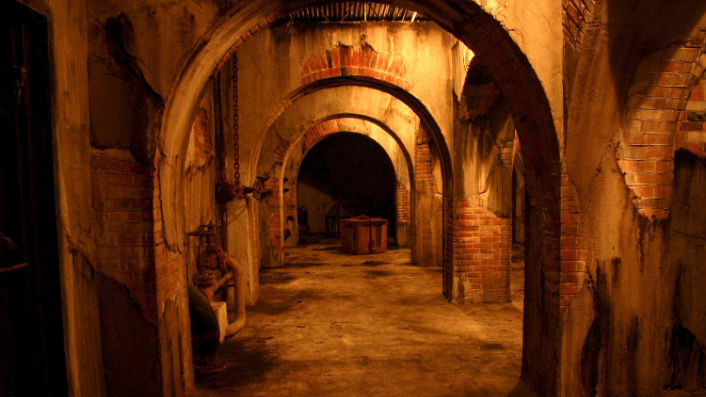
ScareHouse
Known for story driven annual themes, strong branding, and repeat demand.
The 13th Gate
Recognized for highly detailed scenic environments and large scale immersive walkthrough design.
Nightmares Fear Factory
Famous for tourist demand and viral reaction marketing.
Future Proofing Horror Attractions
The best operators plan beyond opening year.
Growth Strategies
Seasonal overlays.
Licensed IP collaborations.
Interactive RFID missions.
Membership programs.
Photo and video upgrades.
Corporate fear challenge nights.
New endings and alternate routes.
This keeps the attraction fresh without full rebuild costs.
Common Mistakes Developers Make
Too many random scares without story flow.
Weak acoustic design.
No decompression exit.
Poor actor training.
Underestimating maintenance.
Ignoring throughput.
Weak safety documentation.
No repeat visit strategy.
Great horror attractions are disciplined businesses disguised as chaos.
Partner with Experienced Immersive Planners
Peach Prime Consultancy provides immersive master planning, automation coordination, show control integration, layout planning, safety strategy, and commercial modeling for horror and suspense attractions.
Partnering with specialists helps ensure both intensity and long term sustainability.
FAQs
What makes a horror walkthrough successful?
Strong story flow, scare timing, immersive design, and safe efficient operations.
Are animatronics necessary?
Not always, but they can enhance consistency and production value.
Why is decompression important?
Guests often need a relief zone after intense experiences.
How do operators increase repeat visits?
Seasonal overlays, new scenes, alternate routes, and memberships.
What is the biggest hidden challenge?
Throughput efficiency during peak demand.
Can horror attractions run year round?
Yes, especially in tourism or entertainment districts.
Why use centralized show control?
It improves reliability, timing consistency, and emergency response capability.
Are actors still important with technology?
Yes. Human unpredictability remains one of the strongest scare tools.
What is the biggest safety priority?
Clear evacuation readiness and trained staff response.
Why hire specialist consultants?
Because story, technology, safety, and ROI must all work together.
Final Thought
Fear may feel spontaneous, but successful horror attractions are carefully engineered systems.
The venues that win long term are those where storytelling excites guests, technology supports immersion, and operations quietly keep everything running.
That is the true blueprint behind profitable fear.