
Blogs
From Dessert to Destination: Why Ice Cream and Candy Experience Museums Are Winning the Experiential Economy
The global leisure market is changing. Consumers no longer spend only on products. They increasingly spend on moments, memories, and experiences they can share. This shift has created a new category of attraction that blends food, entertainment, retail, and social media appeal: Ice Cream and Candy Experience Museums.
What once seemed like novelty pop ups are now serious location based entertainment concepts. Across major cities and tourism markets, immersive dessert attractions are drawing families, young adults, tourists, influencers, and brand partners.
These venues transform familiar treats like ice cream, chocolate, candy, and desserts into visually spectacular destinations where guests walk through themed rooms, sample products, create content, shop merchandise, and celebrate special occasions.
For investors and developers, the appeal is clear. Dessert experiences combine emotional demand, broad audience appeal, and multiple revenue streams in a compact and scalable format.
The Shift from Retail Dessert to Experiential Consumption
Traditional dessert outlets usually depend on product turnover.
A customer enters, buys an item, consumes it quickly, and leaves.
Experience museums operate very differently.
Guests may spend 60 to 120 minutes exploring rooms, taking photos, tasting products, shopping retail, joining workshops, and relaxing in branded spaces.
Instead of selling only food, the venue sells:
Joy.
Nostalgia.
Celebration.
Visual excitement.
Social moments.
Memorable family outings.
That emotional value often increases willingness to pay and total spend per guest.
Why Dessert Based Experiences Perform So Well
Food themed attractions have several commercial strengths.
Universal Appeal
Ice cream, chocolate, and candy are understood across age groups and cultures.
Strong Emotional Connection
Sweet products are associated with fun, reward, childhood memories, and celebrations.
Highly Shareable Visuals
Bright colors, oversized props, playful rooms, and tasting moments perform strongly online.
Family Friendly Demand
Parents actively seek attractions suitable for children and groups.
Repeat Visit Potential
Seasonal flavors, new rooms, workshops, and events encourage return visits.
Retail Synergy
Guests often buy products after emotionally engaging with the brand story.
What Makes an Ice Cream or Candy Experience Museum Successful
The strongest venues are not random photo rooms. They are carefully choreographed journeys.
Story Driven Progression
Guests should move through a narrative such as:
Origins of chocolate.
Candy fantasy kingdom.
Ice cream laboratory.
Sprinkle celebration room.
DIY creation studio.
Retail finale.
Sensory Variety
Use sight, sound, smell, taste, texture, and movement.
Strong Retail Integration
The exit shop should feel like a continuation of the experience, not an afterthought.
Social Media Moments
Signature installations help organic marketing.
Examples include:
Sprinkle pools.
Chocolate waterfalls.
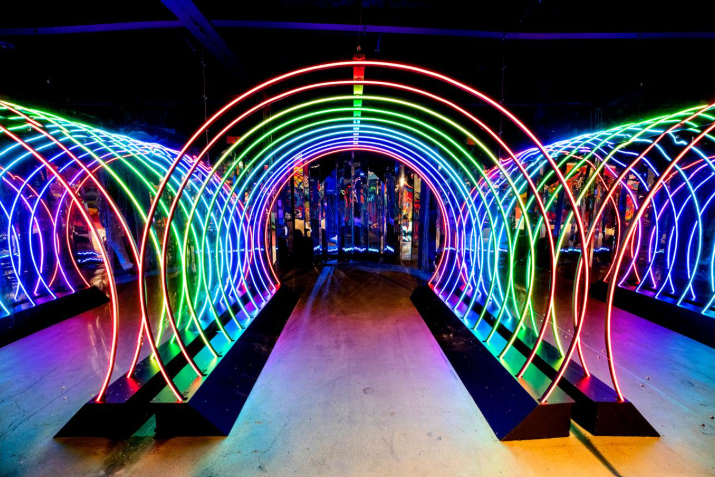
Neon candy tunnels.
Giant popsicle rooms.
Marshmallow cloud zones.
Efficient Throughput
Timed entries and batch management protect guest experience quality.
Revenue Architecture Beyond Ticket Sales
The strongest dessert museums create layered monetization.
Timed Entry Ticketing
Core admissions with peak and off peak pricing.
Premium Tasting Packages
VIP tasting menus, limited flavors, chef led sessions.
Merchandise Sales
Apparel, gift boxes, branded toys, collectibles, photo products.
DIY Workshops
Candy making, cupcake decorating, chocolate classes, kids programs.
Birthday Packages
Private rooms, catering, hosts, celebration bundles.
Corporate Buyouts
Brand launches, influencer events, team socials.
Sponsorship Activations
Brands may sponsor rooms, seasonal campaigns, or tasting zones.
Seasonal Overlays
Summer flavors, festive editions, Halloween candy labs, Valentine chocolate themes.
This diversification improves resilience and guest lifetime value.
Infrastructure and Planning Considerations
Because these projects blend entertainment and food service, planning must be disciplined.
Key Requirements
Thematic scenic rooms with durable finishes.
Food safe preparation areas.
Sampling counters with hygiene systems.
Cold storage and climate controlled inventory zones.
Retail merchandising layouts.
Social media optimized lighting.
Digital ticketing systems.
Queue management zones.
Cleaning protocols.
Waste management systems.
Why Operations Matter
Beautiful rooms alone are not enough. If sampling lines are slow or rooms overcrowded, guest satisfaction falls quickly.
Three Global Benchmark Dessert Experience Museums
Museum of Ice Cream
A leader in brand storytelling, playful set design, and merchandise driven economics.
Choco-Story
Combines educational chocolate storytelling, demonstrations, and retail.
Hershey’s Chocolate World
Shows how immersive brand experiences can drive retail scale and family tourism demand.
Why Strategic Planning Is Critical
Some dessert attractions fail because they focus only on novelty.
Short term hype fades quickly without repeat reasons to visit.
Sustainable Success Requires
Clear brand identity.
Content refresh cycles.
Operational discipline.
Retail conversion strategy.
Food compliance excellence.
Strong marketing calendar.
Family and group programming.
Consistent guest service.
The winners behave like entertainment businesses, not photo booths.
Best Locations for Dessert Experience Museums
These concepts often perform strongly in:
Tourism districts.
Shopping malls.
Mixed use developments.
City centres.
Family leisure zones.
Airport retail entertainment areas.
High footfall urban districts.
Visibility and group accessibility are major advantages.
Why Develop with Peach Prime Consultancy
Peach Prime Consultancy supports immersive dessert and candy attraction projects through feasibility studies, thematic planning, food compliance coordination, retail integration strategy, guest flow planning, and financial modeling.
If you want to build a food driven immersive destination, our team helps combine storytelling with commercial sustainability.
FAQs
Are dessert experience museums profitable?
They can be highly attractive due to ticketing, retail, food sales, events, and sponsorship revenue.
Do these attractions appeal only to children?
No. Families, young adults, tourists, and influencers are major audiences.
What is the biggest hidden profit driver?
Retail conversion after the immersive experience.
Why do these venues work on social media?
They use colorful, playful, and highly shareable environments.
Can smaller spaces work?
Yes. Compact concepts can succeed with strong storytelling and efficient layouts.
How often should content refresh?
Seasonal updates and new rooms help repeat visitation.
Is food compliance difficult?
It requires serious planning because entertainment and food operations must work together.
Are malls good locations?
Yes. Many mall owners seek experiential anchors with family appeal.
What is the biggest mistake developers make?
Treating the project as only a photo attraction instead of a full business model.
Why hire specialist consultants?
Because design, food safety, retail, guest flow, and ROI must all align.
Final Thought
Ice cream and candy experience museums prove that even familiar products can become destination businesses when wrapped in imagination.
The future of dessert is not only something guests eat. It is something they explore, photograph, remember, and buy into emotionally.
For investors seeking joyful, scalable, and high visibility concepts, dessert destinations deserve serious attention.