
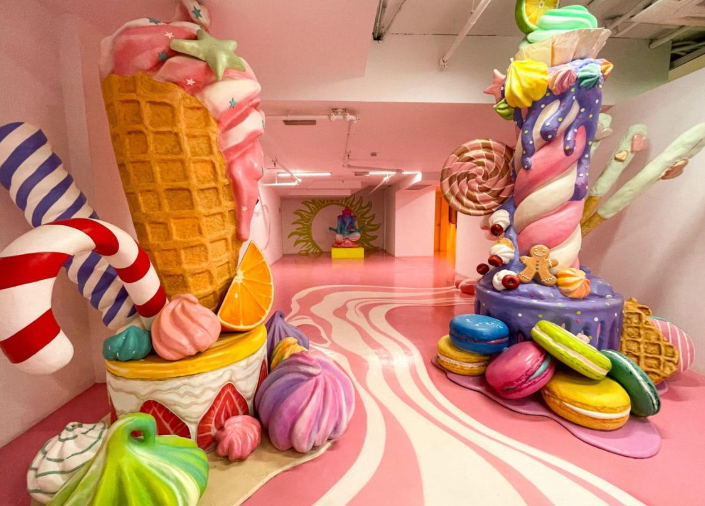
Candy and ice cream attractions have evolved far beyond novelty pop ups. Around the world, developers are turning dessert themes into serious location based entertainment assets that combine immersive design, retail conversion, food storytelling, and social media demand.
The reason is simple.
Consumers no longer want only products. They want experiences connected to products.
Instead of simply buying a dessert, guests now want to walk through colorful worlds, taste limited editions, create content, celebrate with friends, and take home branded merchandise. This shift has made candy and ice cream museums one of the most commercially interesting categories in experiential entertainment.
However, profitable projects require more than decorative rooms and oversized props.
Long term success depends on building a fully engineered ecosystem where storytelling, food operations, retail strategy, guest flow, and repeat visitation all work together.
Why Dessert Experience Attractions Are Growing
Several market trends are supporting this category.
Consumers prioritize shareable experiences.
Families seek all age attractions.
Tourists want unique indoor destinations.
Brands want emotional engagement spaces.
Retail centres need traffic driving anchors.
Young audiences respond strongly to visual environments.
Candy and ice cream concepts are especially powerful because they combine nostalgia, happiness, and broad demographic appeal.
Few themes are as instantly joyful and universally understood.
Why Decorative Concepts Often Fail
Many short term dessert attractions focus only on photo opportunities.
They may generate early buzz but struggle later because they lack:
Clear narrative flow.
Food credibility.
Retail conversion planning.
Repeat reasons to visit.
Operational efficiency.
Strong brand identity.
The winners behave like entertainment businesses with food DNA, not temporary photo sets.
Step 1: Thematic Narrative and Spatial Sequencing
A guest journey should feel progressive and emotionally rewarding.
Random rooms reduce immersion. Structured sequencing increases anticipation and spending.
Example Visitor Flow
Introduction Gallery
The origin story of candy, ice cream, flavor imagination, or brand heritage.
Interactive Creation Lab
Hands on zones where guests mix toppings, learn production steps, or customize treats.
Tasting Chamber
Premium sampling area with guided flavor moments.
Immersive Photo Zones
Sprinkle pools, marshmallow clouds, neon tunnels, chocolate illusions, giant cones.
Final Retail Marketplace
The emotional peak is converted into purchasing intent.
This sequence helps guests feel entertained first and ready to buy later.
Why Spatial Sequencing Matters Commercially
Good sequencing can improve:
Dwell time.
Guest satisfaction.
Sampling engagement.
Retail spend.
Social media sharing.
Flow efficiency.
Queue control.
In many experiential venues, the path itself is part of the product.
Step 2: Culinary Operations and Compliance Engineering
Because these venues involve edible products, food operations must be treated seriously.
Core Requirements
Food grade surfaces.
Temperature controlled storage.
Allergen management systems.
Waste handling plans.
Cleaning protocols.
Staff hygiene training.
Sampling controls.
Cold chain management where required.
Visibility Builds Trust
Guests often enjoy seeing preparation zones.
Visible kitchens, candy crafting windows, or ice cream making labs can improve authenticity and confidence.
Common Mistake
Some venues prioritize aesthetics while hiding weak food operations. Modern consumers notice quality quickly.
Step 3: Revenue Optimization and Retail Conversion
The strongest dessert museums monetize emotion at the right moment.
That moment is often just after the most joyful or memorable zone.
High Performance Retail Strategy
Position retail at the natural exit path.
Keep products visually exciting.
Offer exclusive items unavailable elsewhere.
Use limited edition urgency.
Bundle products with photos or tickets.
High Value Products
DIY kits.
Exclusive flavors.
Branded apparel.
Gift boxes.
Collectibles.
Kids party packs.
Seasonal bundles.
CRM and Loyalty Systems
Smart operators capture guest data and drive return visits through:
Birthday offers.
Flavor launches.
Member discounts.
Seasonal previews.
Referral rewards.
Three International Case Studies
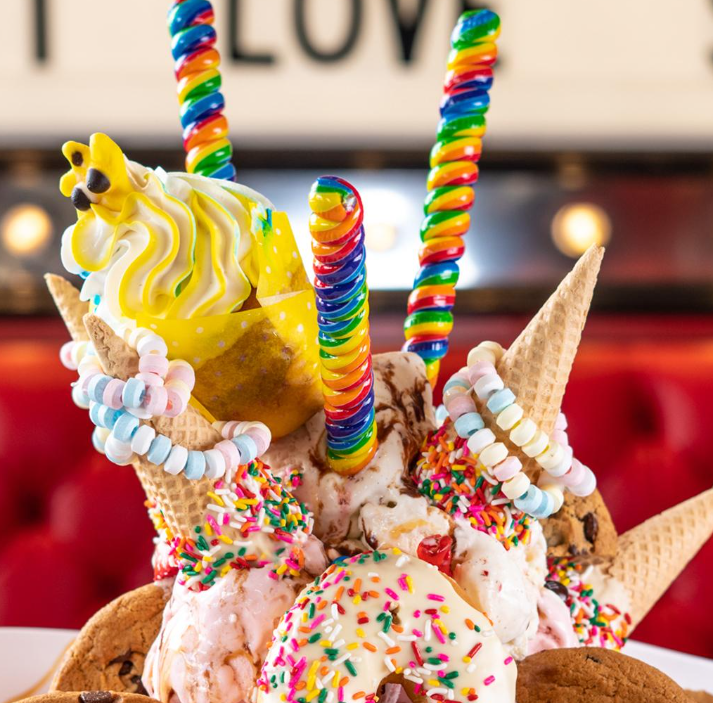
Sugar Factory
Known for visually dramatic desserts, celebrity branding, and high social media visibility.
Museu de la Xocolata
Shows how education and craftsmanship can enhance chocolate storytelling.
Candytopia
Demonstrates the power of multi room candy themed art environments with strong viral appeal.
Future Proofing the Concept
The strongest projects plan for Year 3, not only opening month.
Refresh Strategies
Rotating flavor themes.
Holiday décor overlays.
Brand collaborations.
Influencer launch nights.
New tasting menus.
Limited edition rooms.
Kids summer programs.
Modular Scenic Design
Walls, props, graphics, and interactive elements should be replaceable without major shutdown costs.
This protects capex and keeps the attraction fresh.
Best Locations for Candy and Ice Cream Museums
These concepts often perform strongly in:
Shopping malls.
Tourism districts.
Mixed use developments.
Family leisure zones.
City centres.
Airport retail zones.
High footfall entertainment precincts.
Family accessibility and photo friendly visibility matter greatly.
Risks Developers Should Avoid
Too much design, weak product quality.
Beautiful rooms, poor queue flow.
No repeat visit calendar.
Weak exit retail strategy.
Underestimating hygiene systems.
No identity beyond colors.
Overpricing without value perception.
Strong business planning is more important than oversized props.
Partner with Experienced Experiential Consultants
Peach Prime Consultancy delivers master planning, immersive concept development, food compliance coordination, retail strategy, guest flow planning, and financial modeling for dessert experience attractions.
Partnering with specialists helps ensure sustainable growth and premium market positioning.
FAQs
Are candy museums profitable?
They can be highly attractive when ticketing, retail, food sales, and events are integrated well.
Do these attractions appeal only to children?
No. Families, tourists, young adults, and influencers are major audiences.
What is the biggest hidden revenue driver?
Retail conversion at the emotional exit point.
Why is sequencing important?
It builds anticipation and increases buying intent.
How often should concepts refresh?
Seasonal and quarterly updates often help repeat visitation.
Are food safety systems critical?
Absolutely. These projects combine entertainment with real food operations.
Can smaller spaces work?
Yes. Compact high quality concepts can perform strongly.
What is the biggest mistake operators make?
Treating the venue as only a photo attraction.
Are malls good locations?
Yes. Many landlords actively seek family friendly experiential anchors.
Why hire specialist consultants?
Because design, compliance, retail, operations, and ROI must align from day one.
Final Thought
Candy and ice cream museums prove that joy can be commercialized when structured intelligently.
The most successful projects are not selling sweets alone. They are selling delight, nostalgia, celebration, and memorable experiences.
For developers, that creates a rare opportunity: a concept that feels playful to guests and strategic to investors.