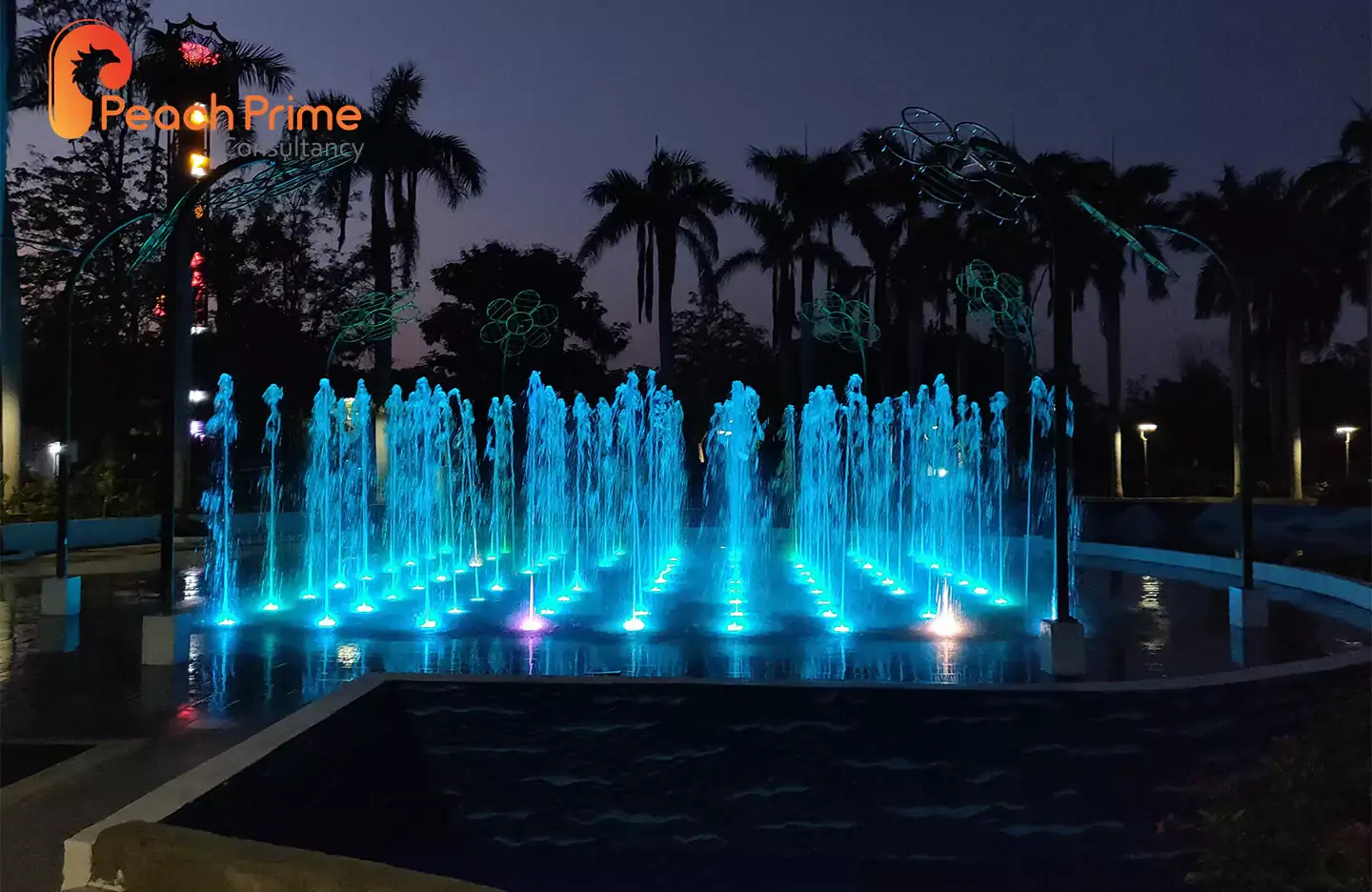

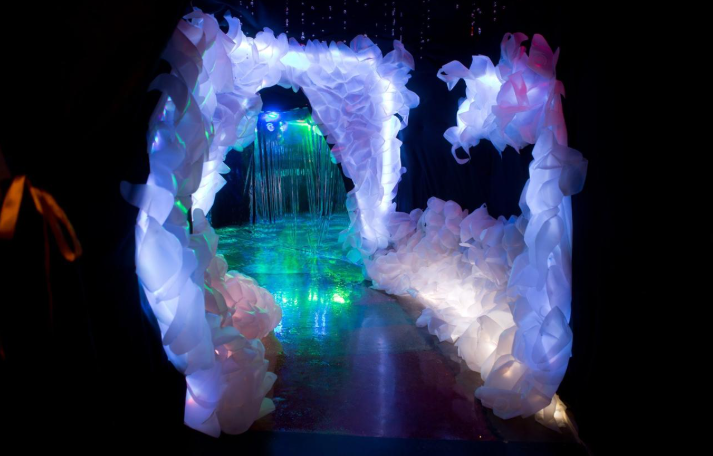
The modern entertainment market is being shaped by attractions that deliver visual wonder, emotional impact, and highly shareable moments. Consumers increasingly choose destinations that feel extraordinary rather than ordinary. This is why Infinity Rooms and Immersive Light Environments have become valuable assets across malls, tourism districts, museums, mixed use developments, and premium event spaces.
These attractions combine mirrors, lighting, projection, spatial sound, and interactive technology to transform compact rooms into seemingly endless worlds. To the guest, the experience feels magical. To the developer, success depends on engineering precision.
A profitable infinity attraction is not created by mirrors alone. It requires coordination across architecture, lighting systems, throughput planning, safety, maintenance, and commercial strategy.
When executed properly, a relatively small footprint can generate premium value.
Why Infinity and Light Attractions Are Growing
Several market shifts are driving demand.
Consumers want experiences instead of passive entertainment.
Retail destinations need traffic generating anchors.
Tourism markets seek indoor attractions with all weather reliability.
Social media rewards visually unique environments.
Developers want strong ROI concepts in compact footprints.
Technology now enables dynamic lighting at scale.
Infinity rooms combine all of these benefits in one format.
What Makes These Attractions Commercially Powerful
Infinity environments often succeed because they create a premium feeling with efficient use of space.
Key Commercial Advantages
Strong revenue per square foot.
Fast timed sessions.
Low perceived waiting resistance due to excitement factor.
Organic online marketing.
Flexible content refresh through software.
Broad audience appeal across age groups.
Strong private event potential.
For developers, this means a relatively small venue can perform like a much larger attraction.
Step 1: Spatial Planning and Mirror Engineering
Infinity rooms depend on precise geometry.
Even a small alignment error can reduce the illusion dramatically.
Critical Design Priorities
Exact mirror positioning.
Hidden structural supports.
Stable floor tolerances.
Seamless edge detailing.
Controlled sightlines.
Integrated service access.
Safe clearances for visitors.
Why Structural Precision Matters
Poor tolerances may create:
Visible gaps.
Distorted reflections.
Vibration issues.
Safety risks.
Weak visual depth.
Because reflections multiply imperfections, quality control must be exceptionally high.
Guest Psychology and Space Perception
The best rooms use narrow entries, controlled reveals, and visual layering so guests feel a dramatic transition from reality into infinity.
Step 2: Lighting and Projection Technology
Lighting is what gives life to the illusion.
Without strong lighting design, mirrors alone become static reflections.
Core Technology Stack
High density LED grids.
Pixel mapped light strips.
Synchronized lighting controllers.
DMX control networks.
Projection mapping systems.
Motion triggered effects.
Immersive audio sync systems.
Emergency override lighting.
Why Redundancy Matters
Technical downtime directly impacts revenue. Backup control systems and spare critical components reduce operational risk.
Lighting Design Strategy
Good programs create rhythm and progression.
Slow ambient moods.
Pulse effects.
Cosmic motion scenes.
Reactive guest moments.
Grand finale sequences.
Software driven lighting also makes refreshes easier and cheaper than physical rebuilds.
Step 3: Throughput and Visitor Flow Optimization
Many visually stunning attractions lose money because throughput is poorly planned.
Strong Throughput Strategy Includes
Timed batch entry.
Pre booked ticket slots.
Digital waivers if required.
Defined circulation loops.
Staff managed transitions.
Separate entry and exit paths.
Queue entertainment zones.
Retail positioned near exit.
Why This Matters
If each session loses only a few minutes, annual revenue potential can fall significantly.
The best operators design flow as carefully as visuals.
Crowd Comfort and Safety
Immersive spaces can feel intense. Guests need confidence and clarity.
Essential Safety Measures
Slip resistant flooring.
Emergency lighting systems.
Clear concealed exits.
Capacity controls.
CCTV monitoring.
Staff communication systems.
Accessible route planning.
Daily inspection checklists.
Great attractions feel magical but remain operationally disciplined.
Three International Case Studies
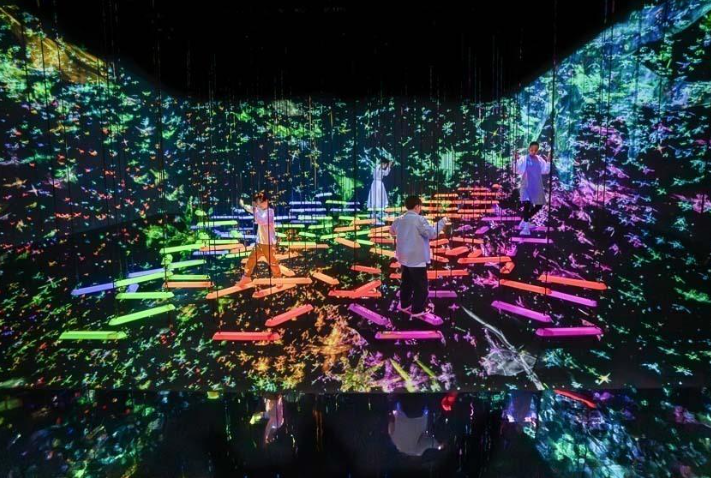
Superblue Miami
Shows how curated immersive digital art can command premium ticket pricing and brand partnership opportunities.
teamLab Planets
Demonstrates powerful sensory immersion, strong narrative progression, and high production quality.
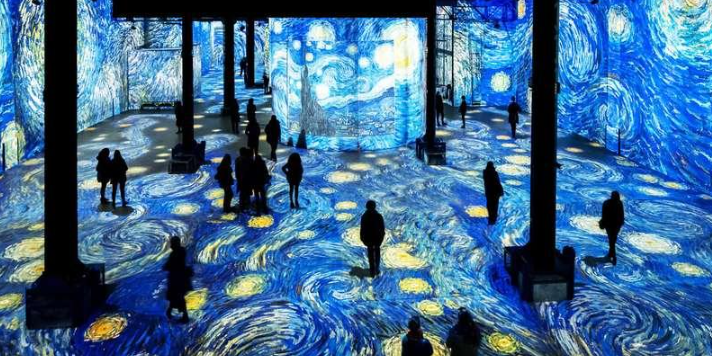
Infinity des Lumières
Highlights the tourism appeal of large scale projection based immersive environments.
Future Proofing the Investment
The smartest infinity projects are designed for updates from day one.
Long Term Value Drivers
Software based lighting refreshes.
Artist collaborations.
Seasonal themes.
Corporate branded takeovers.
New soundtracks.
Projection content updates.
Membership preview nights.
Data Driven Optimization
Tracking dwell time, queue duration, repeat visitors, and conversion rates helps improve operations and pricing strategy.
Common Developer Mistakes
Treating mirrors as the concept instead of the medium.
Using low quality reflective materials.
Ignoring throughput planning.
Weak maintenance access design.
No refresh calendar.
Poor acoustic integration.
Undertrained staff.
Infinity succeeds when design and operations are equally strong.
Best Locations for Infinity and Light Attractions
These concepts often perform strongly in:
Shopping malls.
Tourism districts.
Mixed use developments.
Luxury retail centres.
Museum clusters.
Urban nightlife zones.
Airport entertainment spaces.
High footfall and visual curiosity are ideal demand drivers.
Partner with Experienced Immersive Planners
Peach Prime Consultancy supports immersive visual environment development through detailed design coordination, technology planning, guest flow strategy, feasibility studies, and long term revenue modeling.
We help transform infinity installations into sustainable entertainment assets.
Detailed FAQs
Are infinity rooms profitable for developers?
Yes, they can be highly profitable when located in strong traffic areas and managed with efficient timed sessions. Their compact footprints often allow strong revenue per square foot. Additional income from private bookings, photo packages, sponsorships, and merchandise can significantly improve returns.
What size space is needed for an infinity attraction?
A single signature room can work in a smaller footprint, while multi room destinations require more space for sequencing, queue areas, retail, and operations. Smart design often matters more than raw square footage.
What is the biggest technical challenge?
Precision alignment is usually the biggest challenge. Minor errors in mirror angles, seams, or lighting placement can damage the illusion quickly.
How often should content be refreshed?
Lighting scenes, projection content, and soundtracks can be updated regularly. Many operators refresh minor content quarterly and introduce major seasonal updates annually.
Why are timed sessions important?
Timed sessions help control crowd density, improve guest comfort, and maximize daily throughput. They are often a major driver of profitability.
Can these attractions work inside malls?
Yes. They are excellent mall anchors because they attract impulse visitors, families, tourists, and social media driven audiences.
What maintenance is required?
Daily cleaning of reflective surfaces, lighting checks, calibration reviews, and periodic hardware servicing are essential to preserve quality.
Are infinity rooms suitable for private events?
Absolutely. They are popular for launches, proposals, fashion shoots, birthdays, and corporate functions because of their premium visual appeal.
What hidden revenue streams exist?
Photo packages, branded collaborations, VIP night access, retail souvenirs, and corporate rentals often perform strongly.
Why hire specialist consultants?
Because these attractions combine architecture, illusion engineering, guest flow, operations, and ROI planning. Expert guidance helps avoid expensive mistakes and supports long term success.
Final Thought
Infinity Rooms and Immersive Light Environments prove that scale is not measured in square feet.
With the right technical planning, a compact room can feel endless, command premium pricing, and become a powerful destination asset.
For developers seeking visually iconic, future ready attractions, infinity may offer one of the smartest paths forward.