The museum industry is changing rapidly. Families, schools, and young audiences no longer want only static displays behind glass. They increasingly seek places where learning feels active, immersive, and memorable. This shift has created one of the most valuable categories in modern experiential development: Interactive Edutainment Museums.
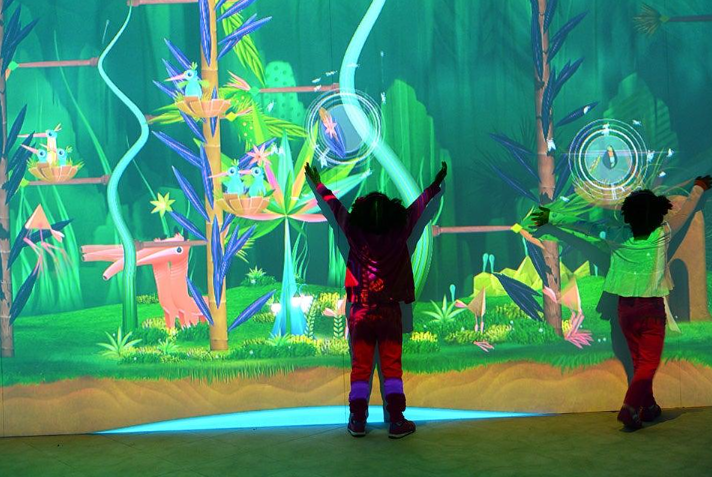
These next generation museums combine hands on exhibits, immersive technology, gamified learning, digital storytelling, maker labs, and family friendly design to turn knowledge into entertainment.
For developers, governments, tourism boards, and private investors, edutainment museums offer something rare: a concept that delivers social value and commercial potential at the same time.
They attract families on weekends, schools on weekdays, camps during holidays, sponsors seeking impact, and tourists looking for meaningful attractions.
When planned correctly, an edutainment museum becomes more than a museum. It becomes a city asset.
Why Edutainment Museums Are Growing Worldwide
Several long term trends are driving this sector.
- Parents want educational recreation for children.
- Schools need curriculum aligned field trip destinations.
- Cities seek family friendly tourism attractions.
- Children learn better through participation than passive observation.
- Technology enables engaging and updateable exhibits.
- Developers want concepts with weekday and weekend demand.
Unlike many entertainment formats, edutainment museums can generate demand across multiple audience groups throughout the year.
What Is an Interactive Edutainment Museum?
An edutainment museum blends education with entertainment through experience based learning.
Formats may include:
Interactive science galleries.
Space exploration zones.
Human body exhibits.
Robotics labs.
Maker workshops.
Projection based storytelling rooms.
Environmental awareness zones.
Career exploration role play spaces.
Math challenge arenas.
Creative arts and design studios.
The strongest projects turn curiosity into action.
Why Edutainment Is a Strong Long Term Investment
Many attractions rely heavily on trend cycles. Edutainment museums often benefit from structural demand.
Family Demand
Parents are more willing to spend when entertainment also supports learning.
School Group Bookings
Weekday attendance can be stabilized through educational visits.
Tourism Value
Visitors increasingly seek enriching indoor experiences.
Sponsorship Potential
Brands and institutions often support STEM, sustainability, and youth learning initiatives.
Membership Models
Families with children can become strong repeat customers.
Positive Public Perception
Knowledge based attractions often gain stronger community support than purely recreational venues.
This combination makes the category commercially resilient.
Core Planning and Infrastructure Requirements
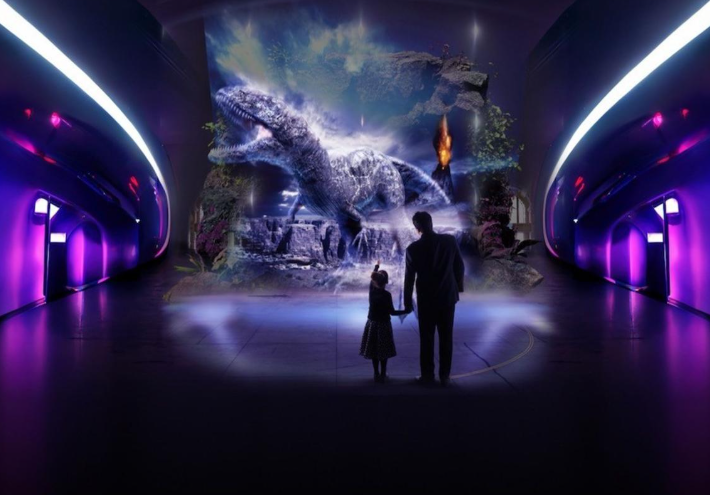
Successful edutainment museums require more than attractive exhibits.
Curriculum Aligned Design
Experiences should connect to real learning outcomes where possible.
Hands On STEM and STEAM Zones
Science, technology, engineering, arts, and mathematics should feel interactive and accessible.
Projection Mapping Galleries
Large scale storytelling spaces can simplify complex topics visually.
Touchscreen Learning Modules
Digital layers help personalize content for different ages.
Maker Labs and Workshop Studios
Hands on creation spaces increase dwell time and repeat visits.
Modular Exhibit Systems
Updateable exhibits reduce long term refresh costs.
School Group Entry Zones
Dedicated arrival, orientation, bag storage, and lunch planning areas improve weekday operations.
Why Experience Design Matters More Than Artifact Display
Traditional museums often focus on preservation and display.
Edutainment museums focus on:
Participation.
Experimentation.
Movement.
Discovery.
Problem solving.
Play based learning.
Emotional memory.
Children often remember what they touched, built, solved, or experienced far more than what they only read.
Revenue and Sustainability Model
The strongest edutainment museums build diversified revenue streams.
General Admission Tickets
Family and tourist visits remain core revenue.
Annual Memberships
Excellent for repeat family attendance.
School Bookings
Large weekday demand driver.
Birthday Programs
Science parties, maker birthdays, themed celebrations.
Holiday Camps
Seasonal camps can be highly profitable.
Workshops
Coding, robotics, art, engineering, sustainability themes.
Café Operations
Parents and groups value quality food options.
Merchandise
Science kits, educational toys, books, branded products.
Grants and Sponsorships
Public institutions and corporations often support learning focused attractions.
Three Global Benchmark Edutainment Museums
Exploratorium
A global pioneer in hands on science learning with continuous exhibit innovation.
Science Museum
Combines large scale visitor appeal, interactive galleries, and strong educational depth.
OliOli
Shows how boutique children’s museums can deliver premium design and curated experiential learning.
Operational Strategy and Content Refresh
Strong museums evolve continuously.
Best Practice Refresh Strategies
Rotating exhibits.
Seasonal science camps.
Guest educator programs.
University collaborations.
Festival themed events.
New maker challenges.
Traveling exhibitions.
Why Refresh Matters
Children outgrow content quickly. Repeat families need new reasons to return.
Data Driven Optimization
Tracking dwell time, favorite exhibits, repeat usage, and visitor feedback helps improve layouts and programming.
Best Locations for Edutainment Museums
These concepts often perform strongly in:
Major cities.
Shopping malls.
Mixed use developments.
Tourism districts.
Education clusters.
Family suburbs.
Cultural precincts.
Accessibility, parking, and school bus access can be major success factors.
Common Developer Mistakes
Too much screen content, not enough hands on play.
Weak school group logistics.
Beautiful design with poor learning value.
No refresh strategy.
Underestimating staffing needs.
Weak café and parent comfort zones.
No sponsorship strategy.
Great edutainment museums balance inspiration with operations.
Why Partner with Peach Prime Consultancy
Peach Prime Consultancy specializes in interactive museum planning, exhibit design coordination, technology integration, guest flow strategy, and financial feasibility modeling.
If you are planning an interactive edutainment museum, our team helps ensure educational integrity with commercial strength.
Detailed FAQs
What is an interactive edutainment museum?
It is a museum or learning attraction where visitors actively participate through experiments, games, maker activities, immersive technology, and hands on exhibits rather than only observing static displays.
Are edutainment museums profitable?
They can be highly sustainable when built with multiple revenue streams such as admissions, school bookings, memberships, workshops, café sales, camps, and sponsorships.
Why do parents choose these attractions?
Parents often prefer experiences that combine fun with learning. It feels like valuable leisure time rather than passive entertainment.
How important are school visits?
Very important. School groups can provide strong weekday demand and help stabilize annual attendance.
What age groups are best suited?
Most concepts serve children from early years through teenagers, depending on exhibit design. Family zones and adult friendly learning areas can broaden appeal.
How often should exhibits be updated?
Minor refreshes can happen regularly, while larger exhibit changes are often planned annually or seasonally to encourage repeat visitation.
Can malls host edutainment museums?
Yes. Mall based concepts can perform strongly because they attract families and increase dwell time for surrounding tenants.
What is the biggest hidden challenge?
Balancing educational depth with entertainment value. Too much of either side can weaken demand.
Are sponsors interested in these projects?
Yes. STEM, sustainability, innovation, and youth learning themes often attract corporate and institutional partnerships.
Why hire specialist consultants?
Because these projects combine pedagogy, attraction design, operations, technology, and ROI planning. Expert guidance improves long term success.
Final Thought
Interactive Edutainment Museums represent the future of family learning spaces.
They prove that knowledge can be exciting, commercially viable, and socially valuable at the same time.
For developers and cities seeking future ready destinations, few concepts combine purpose and profitability as effectively as edutainment.