

A comprehensive investment guide for developers planning free-roam VR adventure parks and multiplayer virtual reality entertainment centres, covering infrastructure requirements, revenue architecture, and the global benchmark models that define commercially successful execution.
Introduction: The Commercial Case for VR Adventure Parks
Virtual reality as a home entertainment technology has struggled to achieve mass adoption despite sustained investment and marketing by the world’s largest consumer technology companies. The headset discomfort, the limited physical space requirements of home environments, the social isolation of single-player VR experiences, and the cost of premium VR hardware have collectively constrained consumer VR to an enthusiast audience rather than the mainstream market that its advocates predicted. Location-based VR, by contrast, has found a genuinely compelling commercial niche precisely because it addresses every limitation that constrains home VR simultaneously.
A location-based VR adventure park provides the physical space required for free-roam experiences that home environments cannot accommodate. It provides the premium hardware infrastructure that most consumers cannot justify purchasing for home use. It creates the social and competitive dimensions that are absent from home VR but are among the most powerful engagement drivers in the competitive leisure market. And it provides the cinematic storytelling quality, the physical haptic enhancement elements, and the professional content development investment that turn a technology demonstration into a genuinely immersive adventure that visitors remember and return for.
This guide provides the complete investment planning framework for a VR adventure park: from the infrastructure requirements that determine experience quality through to the revenue architecture, operational discipline, and content refresh strategy that sustain commercial performance over a multi-year operating lifecycle.
MARKET OPPORTUNITY | Consumers are actively searching for virtual reality theme parks, VR zombie survival experiences, VR escape missions, and immersive multiplayer VR attractions. This search demand reflects an audience that is ready to pay premium prices for premium VR experiences that they cannot replicate at home, creating a strong consumer pull for well-designed location-based VR venues. |
Why VR Adventure Parks Are Commercially Attractive
The commercial advantages of the VR adventure park format are grounded in a set of structural characteristics that distinguish it from both traditional theme park attractions and most other indoor entertainment formats. The most commercially significant is content flexibility: a VR system whose physical infrastructure consists of tracking sensors, wireless headsets, and a clear floor space can deliver completely different experiences through software content updates without any physical modification to the venue. A horror survival mission, a deep-sea exploration adventure, and a competitive multiplayer battle can all use identical physical infrastructure and deliver genuinely distinct and separately priced experiences, which means the effective content catalogue of a VR attraction grows over time without the capital investment cycles that physical attraction refreshing requires.
The time-controlled session model creates the revenue-per-available-hour predictability that makes financial modelling unusually precise for a VR attraction. Unlike open-flow entertainment formats where dwell time varies unpredictably, VR sessions have defined durations that allow operators to model daily capacity, peak-hour throughput, and annual revenue with the accuracy of a hotel rooms inventory rather than the variability of a general admission attraction.
Core Planning and Investment Structure
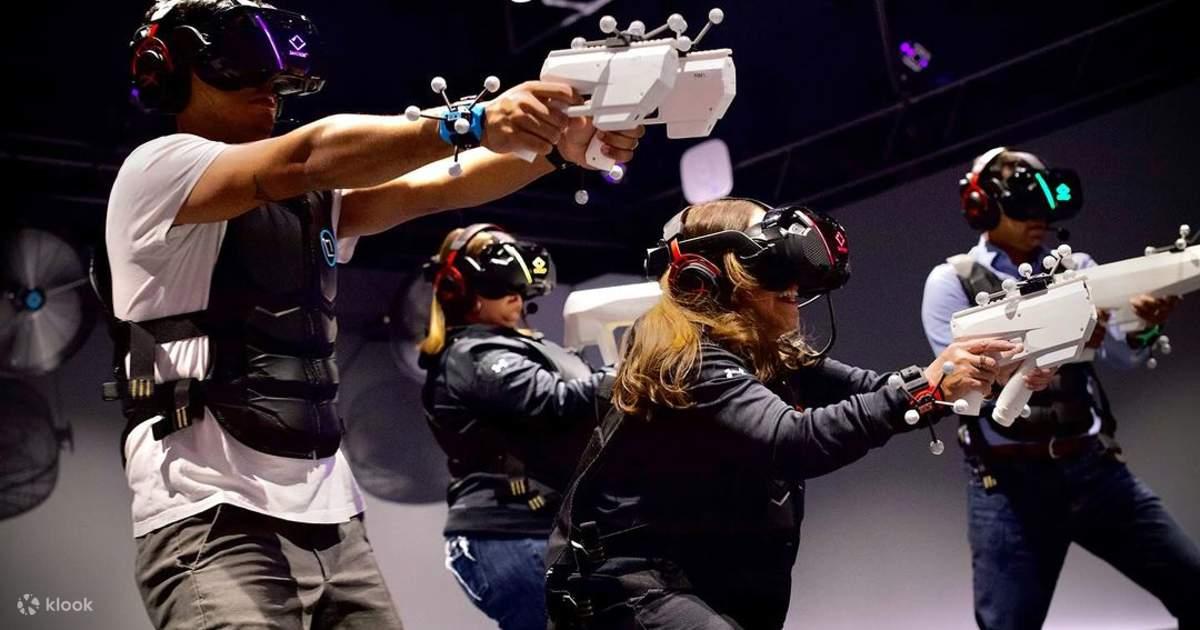
- Free-roam wireless VR systems: the choice between leading platform providers determines the content catalogue available, the hardware reliability track record, and the ongoing content development pipeline; operators should evaluate platforms on content depth and update frequency as much as on hardware specification
- High-performance gaming servers: the server infrastructure must support the simultaneous processing requirements of all active VR sessions without performance degradation, with appropriate redundancy to maintain session quality if a primary server component fails during operation
- Low-latency network infrastructure: the wireless data transmission between headsets and servers must achieve sub-20-millisecond round-trip latency to prevent the motion sickness that higher latency induces in VR users, which requires purpose-designed WiFi 6 or LiDAR-based wireless infrastructure rather than standard commercial WiFi
- Motion tracking and safety boundary systems: the physical safety boundaries of each free-roam arena must be visible to players within the VR environment as the guardian boundary that prevents physical contact with walls and other players, and the tracking system must maintain sufficient spatial accuracy at all points of the arena to prevent boundary errors that create safety incidents
- Immersive scenic theming: physical set elements within the VR arena that correspond to virtual environment features, such as tactile wall surfaces that players can feel when the virtual environment shows a wall, or physical prop versions of key interactive objects, significantly enhance the immersive quality of the experience and justify premium positioning
- Timed session scheduling software: the operational management platform must handle concurrent session scheduling across multiple arenas, equipment assignment, pre-session briefing timing, and real-time session monitoring from a single game master interface
- Equipment sanitisation and charging stations: public VR headsets require rigorous sanitisation between each session; inadequate sanitisation protocols create hygiene concerns that generate negative reviews and reputational damage disproportionate to their operational complexity
Revenue Streams and Monetisation
- Timed VR sessions: the primary revenue stream, priced by session duration and experience type, with premium pricing for longer and more technically intensive missions
- Premium multiplayer missions: higher-priced group experiences with cooperative or competitive dynamics that generate the social energy and shared memory that drive advocacy and return visits
- Corporate team-building events: exclusive arena hire with facilitated competitive missions and post-experience debrief that command premium pricing and generate B2B referral networks
- Birthday packages: complete event management including arena hire, multiple mission experiences, food and beverage, and personalised event elements for the premium family occasion market
- Esports tournaments: structured competitive VR gaming events with entry fees, leaderboard tracking, and prize formats that generate community engagement and event-driven revenue
- Membership subscriptions: monthly access programmes for frequent visitors with priority booking and discounted session rates that create recurring revenue and community depth
- F&B integration: themed food and beverage available before and after sessions that increases per-visit spending and extends dwell time beyond the session itself
Global VR Park Benchmarks
01 | Zero Latency VR Melbourne, Australia Zero Latency VR pioneered the large-scale free-roam VR arena format and remains one of the most commercially successful and globally distributed VR entertainment operators in the world. Its model, which provides multi-player cooperative and competitive VR experiences in dedicated warehouse-scale arenas rather than the smaller multiplayer pods that characterise most commercial VR installations, delivers the genuine freedom of movement and the large-group social dynamics that create the most immersive and most commercially compelling VR experience available. The company’s global expansion to over eighty locations across more than twenty countries provides the strongest evidence available that the free-roam VR arena format is commercially viable across a wide range of market contexts when the content quality and operational standards are maintained consistently. For developers planning a large-format VR arena, Zero Latency’s operational playbook and content development approach represent the most directly applicable commercial benchmark. |
02 | Sandbox VR Hong Kong and Global Locations Sandbox VR represents the premium positioning end of the location-based VR market, combining high-quality full-body tracking with haptic feedback vests, cinematic narrative storytelling, and a premium hospitality environment to create an experience that commands significantly higher per-capita pricing than most VR competitors. Its focus on licensed IP collaborations with major entertainment franchises and original cinematic narrative productions developed specifically for the VR medium creates a content portfolio with the brand recognition and storytelling quality that justify the premium price point and attract both the enthusiast VR audience and the mainstream entertainment consumer seeking a unique experience occasion. For developers targeting a premium market positioning with corporate and Gen Z audience appeal, the Sandbox VR model provides the most instructive benchmark for how the combination of premium technology, cinematic content, and hospitality quality translates into premium commercial performance. |
03 | The VOID Former USA and UAE Locations The VOID, despite its commercial closure during the COVID-19 pandemic, remains one of the most technically innovative and experientially compelling location-based VR concepts developed to date and provides important design lessons for developers planning hybrid physical-virtual experiences. Its approach, combining purpose-built physical environments with VR overlay content to create the sensation of genuinely inhabiting a completely different physical space, demonstrated the extraordinary immersive quality that is achievable when physical and virtual experience design are integrated from the earliest stage of concept development rather than treated as separate disciplines. The demand generated by The VOID at its operational peak demonstrated strong consumer willingness to pay premium prices for the highest quality hybrid immersive experiences, providing evidence that the market ceiling for premium VR experience pricing is substantially higher than most operators have tested. |
Operational and Risk Management
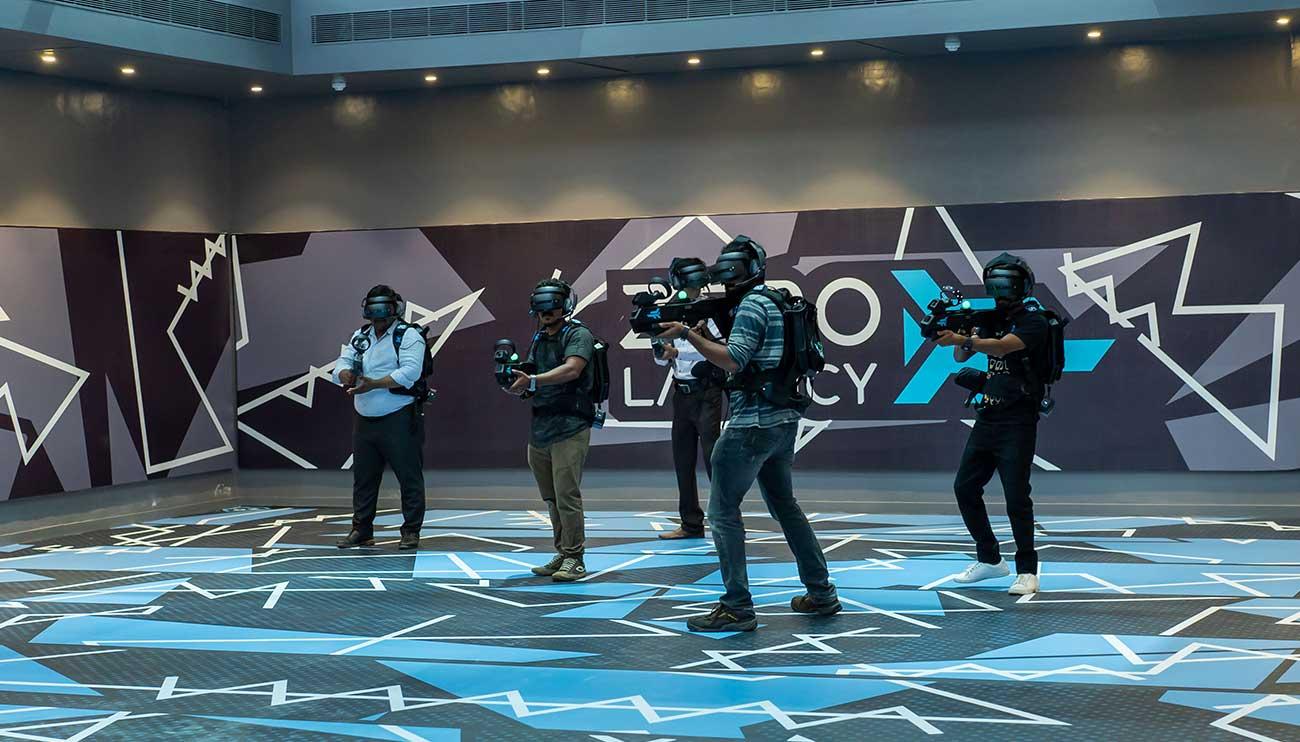
The operational risk profile of a VR adventure park is dominated by technology reliability, equipment hygiene, and the quality of the visitor onboarding experience that introduces each group to the VR environment before their session begins. Technology reliability requires a preventive maintenance programme that tests all headsets, tracking sensors, and server hardware weekly under simulated operational load, replacing components before failure rather than after. Equipment hygiene requires a sanitisation protocol that is thorough enough to prevent cross-contamination between sessions while being fast enough to complete within the session changeover window without delaying the subsequent group’s start time. And visitor onboarding quality requires a trained and enthusiastic game master who can efficiently brief groups on the safety boundaries and controls, calibrate equipment to each individual player’s physical dimensions, and troubleshoot the minor technical issues that occur in every busy operating day without reducing the group’s excitement and anticipation before their session begins.
Frequently Asked Questions
What floor area is required for a free-roam VR arena? |
A minimum viable free-roam VR arena for groups of up to six simultaneous players requires approximately 600 to 900 square feet of clear, unobstructed floor space, with ceiling height of at least 3 metres to accommodate the overhead tracking sensor infrastructure and prevent players from making contact with sensor hardware during play. Most commercial VR platform providers publish minimum and recommended arena dimensions for their specific tracking system architecture, and these specifications must be met to guarantee the tracking accuracy and safety boundary reliability that safe public operation requires. A venue planning multiple simultaneous arenas will typically require 1,500 to 3,000 square feet of net playing space plus the gear-up, briefing, and server room infrastructure that supports the arenas, making a total venue footprint of 3,000 to 6,000 square feet viable for a two-arena commercial operation. |
How frequently should VR content be updated to sustain repeat visitation? |
A content update programme that introduces new missions or experience content at a rate of one to two new sessions per quarter, combined with seasonal themed variants on existing experiences and limited-time exclusive content aligned with cultural moments, provides sufficient novelty for enthusiast visitors who return monthly while maintaining accessibility for new visitors who discover the venue for the first time. The most commercially important content update cycle is the annual flagship release, a major new multi-player mission with production values and narrative ambition that generates media coverage and motivates return visits from the existing audience base. Operators who rely on their VR platform provider’s centrally developed content exclusively are dependent on that provider’s content development pace; operators who invest in custom content development for their specific brand can create unique experiences that no competitor can replicate. |
What are the most common operational failures in VR park management? |
The three most commercially damaging operational failures in VR park management are inadequate equipment sanitisation that generates hygiene complaints on public review platforms, tracking system calibration drift that creates safety boundary errors causing physical contact incidents, and under-trained game masters who cannot efficiently manage equipment calibration and technical troubleshooting within session changeover windows, causing delays that degrade the experience quality of subsequent groups. Sanitisation failures are the most publicly damaging because hygiene complaints on review platforms specifically deter the family and corporate group audiences that represent the highest-value customer segments. Establishing rigorous, documented sanitisation procedures and making compliance visible to waiting visitors through a transparent pre-session preparation ritual is both a hygiene necessity and a customer confidence investment. |
How should a VR park develop its corporate team-building revenue stream? |
Corporate team-building revenue development for a VR park requires a dedicated B2B product design and sales approach rather than simply offering corporate groups the same experience as general admission visitors at a higher price. The corporate event product should include exclusive arena hire during the event period, a facilitated competitive mission format with team scoring and a live scoreboard visible to all participants, a post-experience debrief session that connects the experience to specific teamwork, communication, and leadership themes, and a professional events manager from the venue team who handles all event logistics from the booking stage through to post-event photography delivery. This complete event management product commands premium pricing and generates the internal advocacy within the client organisation that produces subsequent bookings from other teams without additional marketing cost. |
What is the payback period for a mid-scale VR adventure park? |
A mid-scale VR adventure park of two to four arenas with a total investment of INR 3 to 7 crore, operated in a strong urban market with active corporate event development and consistent content programming, typically achieves payback within 30 to 48 months. The key variables are the average session occupancy rate across operating hours and the development of the corporate event revenue stream, which carries significantly higher per-group yield than general admission and generates the advance booking revenue that improves cash flow predictability during the early trading period. Venues that secure partnership relationships with corporate event management agencies and hotel concierge networks within the first six months of opening consistently achieve payback at the faster end of this range through the corporate revenue pipeline these relationships create. |
What should investors look for when evaluating VR platform providers? |
Investors evaluating VR platform providers for a location-based VR venue should assess five criteria beyond hardware specification. Content library depth: the number of distinct experiences available on launch day and the historical rate of new content additions from the platform’s development programme. Operator support quality: the technical support resources, operational training, and maintenance protocols the provider offers to venue operators rather than simply hardware warranty terms. Hardware reliability track record: documented uptime performance data from existing venue operators rather than manufacturer-specified MTBF figures. Content exclusivity policies: whether the platform licenses content exclusively to venues within a defined exclusion radius, providing competitive protection, or allows competing venues to offer identical experiences. And commercial terms: the revenue sharing, licensing, or flat-fee model for content access, which varies significantly between providers and has a substantial impact on the long-term financial performance of the venue. |
Why Work with Peach Prime Consultancy
Peach Prime Consultancy supports VR adventure park investors with feasibility studies, technology vendor evaluation, master planning, and operational modelling. If you are planning to launch a VR adventure park, our structured development approach helps reduce risk and maximise long-term returns. Visit www.peachprime.in to arrange a planning consultation.
WHAT PEACH PRIME DELIVERS | Feasibility analysis and site evaluation, VR platform vendor comparison and selection support, arena and venue master planning, technology infrastructure specification, revenue architecture modelling, operational playbook development, and investor presentation support. |