
Why India Is Emerging as One of the World’s Most Important Experiential Entertainment Markets
India’s experiential entertainment industry is entering a defining growth cycle that is reshaping the country’s leisure, retail, and urban lifestyle landscape. Over the last decade, India’s organized entertainment sector has evolved far beyond traditional cinema multiplexes and arcade-led Family Entertainment Centers. Today, consumers are actively seeking immersive, socially engaging, technology-enabled entertainment environments that combine recreation, hospitality, competition, and digital interaction within a single destination. This transformation is being accelerated by several structural shifts occurring simultaneously across the Indian market:- Rising disposable income among urban consumers
- Rapid expansion of organized retail infrastructure
- Large-scale mall repositioning projects
- Strong growth in domestic tourism and leisure spending
- Increasing demand for social and group-based experiences
- Widespread smartphone and digital adoption
- A young demographic profile driving experience consumption
India’s Demographic Advantage: A Young and Experience-Driven Consumer Base
One of India’s most significant structural advantages is its demographic profile. More than 65% of the country’s population is under the age of 35, creating one of the world’s largest youth-driven consumer markets. This generation of consumers has fundamentally different leisure expectations compared to previous generations. Modern Indian audiences increasingly prioritize:- Competitive social experiences
- Interactive entertainment
- Tech-enabled attractions
- Visually immersive environments
- Social-media-friendly destinations
- Group participation formats
- Food-integrated leisure experiences
- Hybrid entertainment ecosystems
The Rise of the Digitally Connected Leisure Consumer
India’s young urban population is highly connected through smartphones, gaming ecosystems, digital content platforms, and social media communities. This digitally engaged audience actively seeks:- VR and AR attractions
- Competitive gaming environments
- Projection-based immersive experiences
- Interactive museums
- Social sports venues
- Experience-driven hospitality destinations
- Instagrammable environments
- Gamified leisure formats
Tier-1 Cities Are Maturing — Tier-2 and Tier-3 Markets Are Emerging
While metro cities such as Mumbai, Delhi NCR, Bengaluru, Hyderabad, Chennai, Pune, and Ahmedabad continue to lead experiential entertainment development, the next major growth wave is expected to emerge from Tier-2 and Tier-3 urban markets. Cities such as:- Indore
- Surat
- Lucknow
- Chandigarh
- Jaipur
- Coimbatore
- Kochi
- Vadodara
- Nagpur
- Bhubaneswar
Retail Repositioning and the Entertainment-Led Mall Transformation
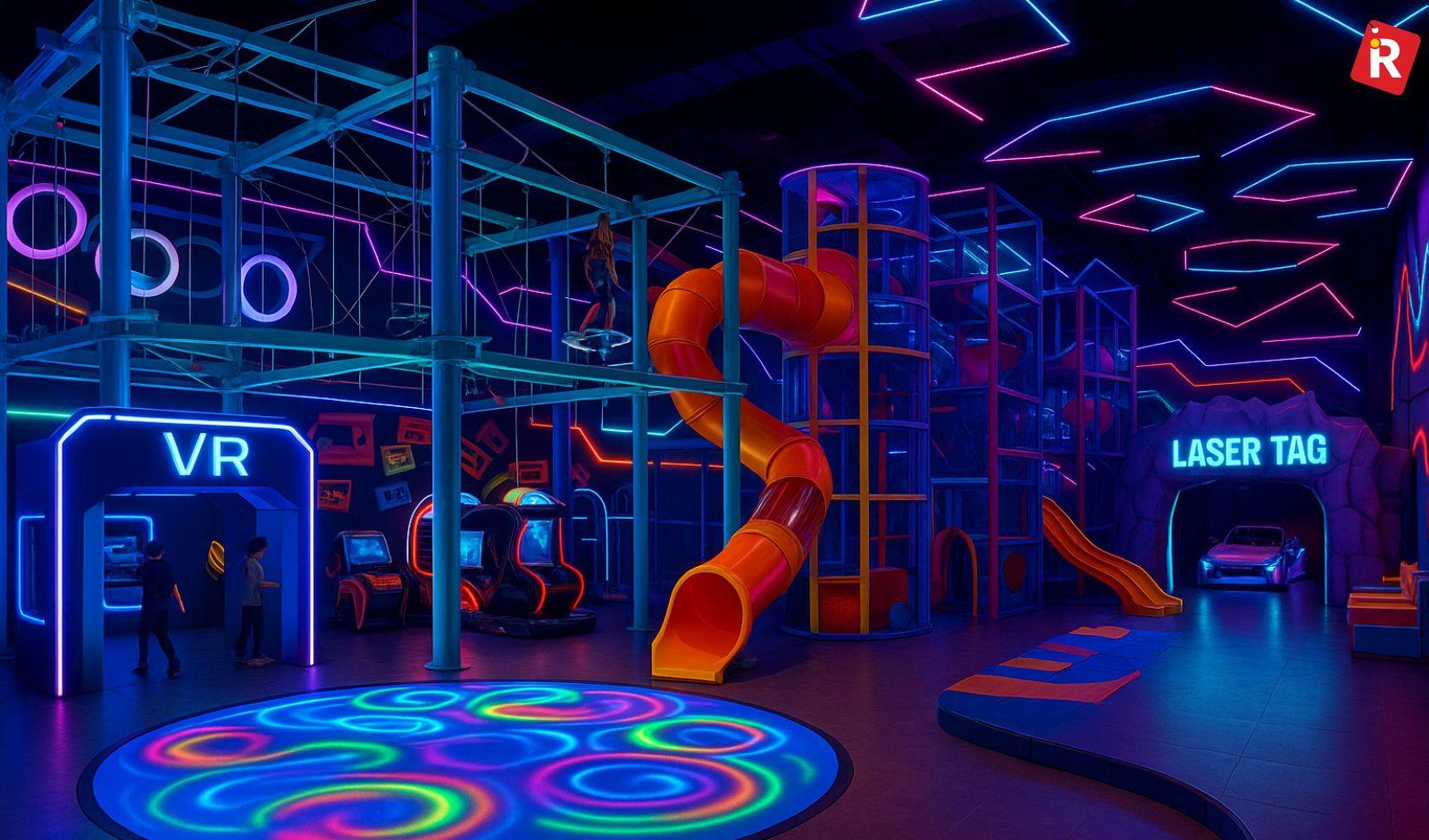 One of the strongest catalysts behind India’s experiential entertainment growth is the ongoing transformation of the country’s organized retail sector.
Traditional mall formats heavily dependent on fashion retail and transactional shopping are increasingly being repositioned into entertainment-led social ecosystems.
One of the strongest catalysts behind India’s experiential entertainment growth is the ongoing transformation of the country’s organized retail sector.
Traditional mall formats heavily dependent on fashion retail and transactional shopping are increasingly being repositioned into entertainment-led social ecosystems.
Why Entertainment Is Becoming the New Anchor
Mall operators across India are allocating larger floor areas toward experiential concepts because entertainment generates:- Higher dwell times
- Repeat visitation
- Weekend and evening traffic
- Stronger food and beverage sales
- Better social media visibility
- Multi-generational audience appeal
Entertainment Formats Expanding Across Indian Malls
Indian malls are increasingly integrating:- Bowling and social gaming arenas
- Trampoline parks
- VR gaming centers
- Indoor adventure parks
- Immersive projection galleries
- Role-play cities
- Competitive active entertainment
- Mini-golf concepts
- Family edutainment attractions
- Interactive museums
High-Growth Experiential Segments in India (2026–2030)
Several entertainment categories are expected to experience particularly strong growth over the next five years.01 — Hybrid Social Entertainment Centers (SEC)
Social Entertainment Centers combining gaming, dining, nightlife, sports simulators, and event programming are emerging as one of the most scalable urban entertainment formats in India. These venues appeal strongly to:- Young professionals
- Gen Z consumers
- Corporate groups
- Social gatherings
- Premium urban audiences
02 — Digital Sports Simulation Arenas
Golf simulators, cricket simulators, football gaming environments, and interactive sports technology concepts are rapidly gaining traction among urban consumers. These formats benefit from:- High repeat visitation
- Corporate engagement potential
- Competitive social interaction
- Indoor operational scalability
- Strong food and beverage integration
03 — Children’s Discovery and Edutainment Museums
Parents increasingly seek educational leisure experiences that combine learning with interactive entertainment. Edutainment museums focusing on:- Science exploration
- Technology interaction
- Creativity development
- Role-play environments
- Discovery learning
04 — Immersive Projection and Infinity Experience Centers
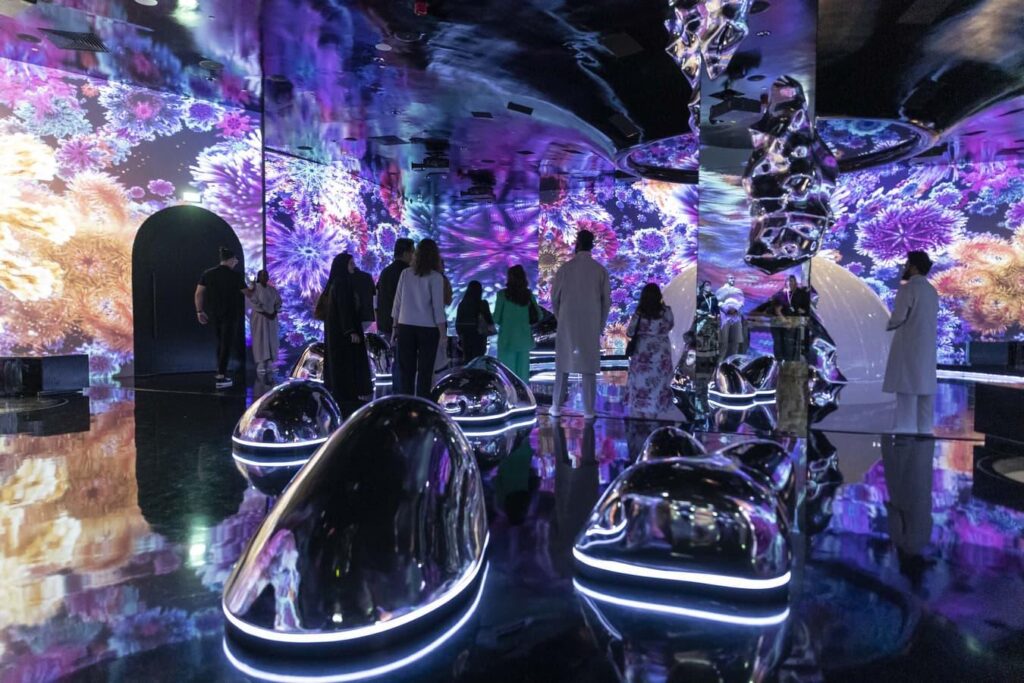
Projection mapping, digital storytelling environments, infinity rooms, and immersive art installations are becoming increasingly popular among India’s social-media-driven audiences. These concepts generate:- Strong visual appeal
- High social sharing potential
- Lower operational staffing complexity
- Flexible content refresh opportunities
05 — Competitive Active Entertainment Arenas
Climbing centers, ninja courses, indoor karting, trampoline parks, and obstacle-based active entertainment are expanding rapidly across Indian metros. These formats align strongly with:- Wellness-oriented leisure trends
- Group-based entertainment
- Corporate team-building demand
- Youth engagement
- Event-driven programming
Why Layered Monetization Is Driving Investor Interest
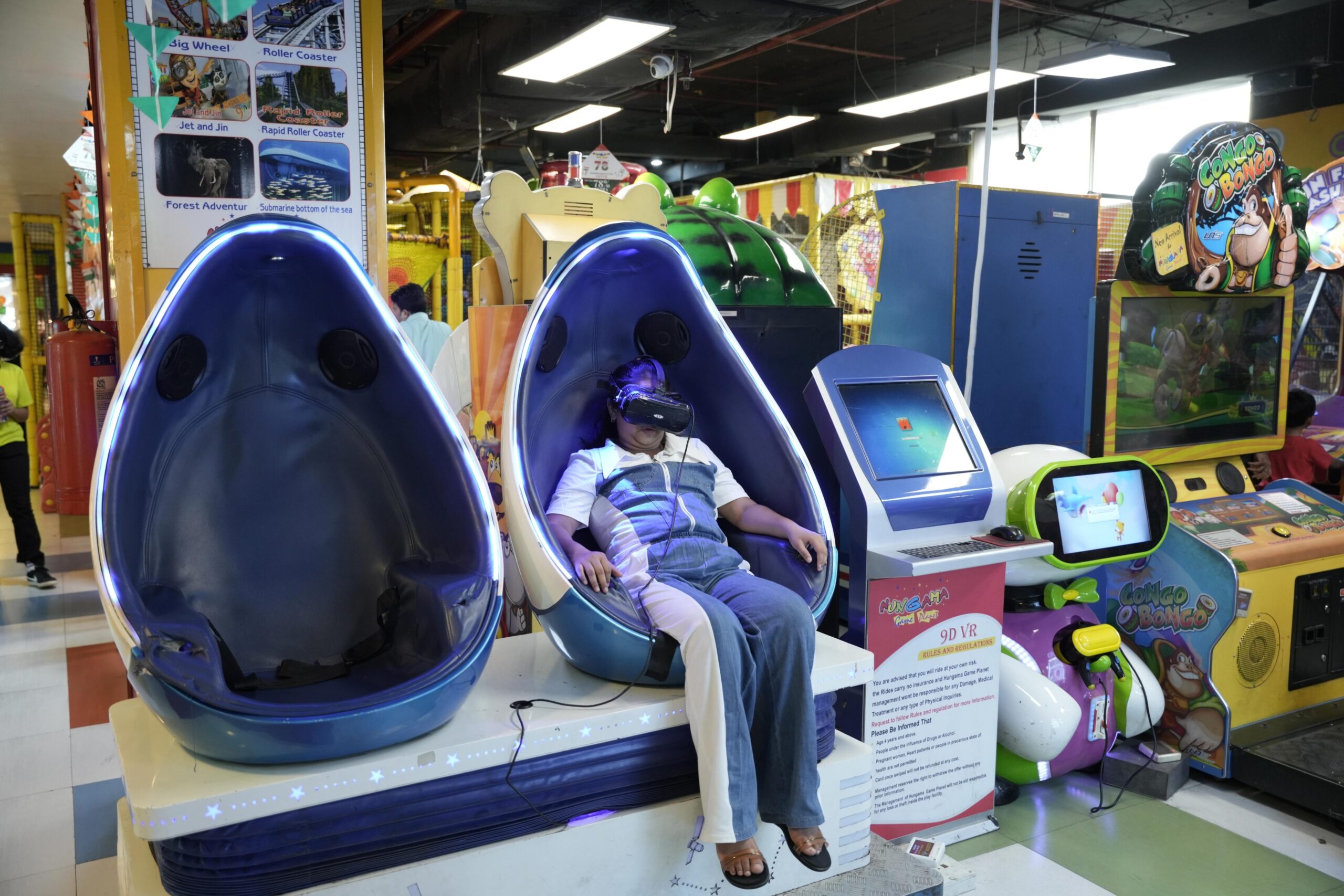 Modern experiential entertainment formats generate revenue across multiple channels simultaneously, making them more commercially resilient than single-attraction concepts.
Revenue Streams Across Experiential Formats
| Revenue Layer | Commercial Contribution |
| Ticket Sales | Core attraction revenue |
| Membership Programs | Recurring revenue |
| Food and Beverage | High-margin ancillary sales |
| Corporate Events | Premium group bookings |
| Merchandise | Brand extension revenue |
| Sponsorship Activations | Advertising and partnerships |
| Special Programming | Seasonal demand acceleration |
Global Expansion Models Relevant to India
01 — Topgolf
Global
Topgolf demonstrates how sports entertainment can evolve into a scalable social entertainment ecosystem combining gaming, hospitality, and event programming. Its model is highly adaptable for premium Indian metro markets where urban consumers increasingly seek group-based experiential leisure.02 — KidZania
Global and India
KidZania’s operational success in India validates strong long-term demand for structured edutainment concepts within urban Indian family markets. The brand’s success highlights the commercial viability of high-quality immersive educational entertainment within organized retail environments.03 — teamLab
Japan and Global
teamLab illustrates the growing global demand for immersive projection-based experiences and digital art environments. Its success is particularly relevant for India’s tech-savvy urban audiences who increasingly prioritize visually immersive and socially shareable experiences.Investment Outlook and Market Challenges
Despite its enormous growth potential, India’s experiential entertainment sector also presents operational and financial complexities that investors must evaluate carefully.Key Investment Considerations
Capex Intensity
High-quality experiential projects require significant investment in technology, interiors, attraction systems, and infrastructure.Real Estate Economics
Mall leasing structures, revenue-share models, and operational costs vary significantly across cities.Operational Talent Availability
Experienced entertainment operations professionals remain limited within many emerging Indian markets.Localization Requirements
Consumer behaviour, pricing expectations, and cultural preferences differ substantially across regions.Tier-2 Market Validation
Emerging city opportunities require careful demand analysis before expansion commitments. Disciplined feasibility analysis remains essential before entering new markets or launching large-scale entertainment projects.Why Strategic Planning Is Essential in India
India offers enormous entertainment growth potential, but long-term success depends on disciplined execution and localized strategy. The strongest-performing projects typically succeed because they prioritize:- Market-specific feasibility analysis
- Scalable attraction planning
- Operational sustainability
- Localized pricing models
- Cultural alignment
- Phased investment strategy
- Hospitality integration
- Strong programming and events strategy
Future Outlook: India’s Next Entertainment Growth Cycle
Between 2026 and 2030, India’s experiential entertainment industry is expected to evolve into one of Asia’s most dynamic growth sectors. Several long-term trends are likely to accelerate expansion:- Entertainment-led mixed-use developments
- Premium SEC growth across urban markets
- Increased tourism-driven entertainment
- Digital and immersive attraction adoption
- Competitive social gaming expansion
- Food-plus-play hybrid destination growth
- Greater investor participation
- International brand entry into India