Why the Middle East Has Become One of the World’s Fastest-Growing Entertainment Markets
The Middle East is rapidly transforming into one of the most ambitious and investment-driven experiential entertainment markets globally. Across the Gulf Cooperation Council (GCC), particularly in the United Arab Emirates and Saudi Arabia, entertainment is no longer viewed as a secondary leisure category. It is becoming a central pillar of economic diversification, tourism expansion, urban development, and global destination positioning. Governments throughout the region are investing heavily in large-scale entertainment infrastructure as part of long-term national transformation strategies designed to reduce dependence on oil-driven economies and accelerate international tourism growth. As a result, the region is witnessing unprecedented development across:- Indoor theme parks
- Immersive museums
- Social Entertainment Centers (SEC)
- Digital sports arenas
- Experiential retail ecosystems
- Projection-based attractions
- Family edutainment destinations
- Mixed-use entertainment districts
The Rise of Entertainment-Led Economic Diversification
Historically, the GCC economy was heavily associated with energy and real estate sectors. However, over the last decade, governments across the region have aggressively prioritized tourism, culture, leisure, hospitality, and entertainment as key drivers of long-term economic sustainability. This transformation is reshaping urban development across the Middle East.Why Entertainment Is Central to Regional Development Strategy
Entertainment and tourism infrastructure generate multiple economic benefits simultaneously, including:- International tourism growth
- Job creation
- Hospitality demand
- Retail activation
- Real estate appreciation
- Global destination branding
- Cultural engagement
- Lifestyle diversification
Government-Led Vision and Infrastructure Investment
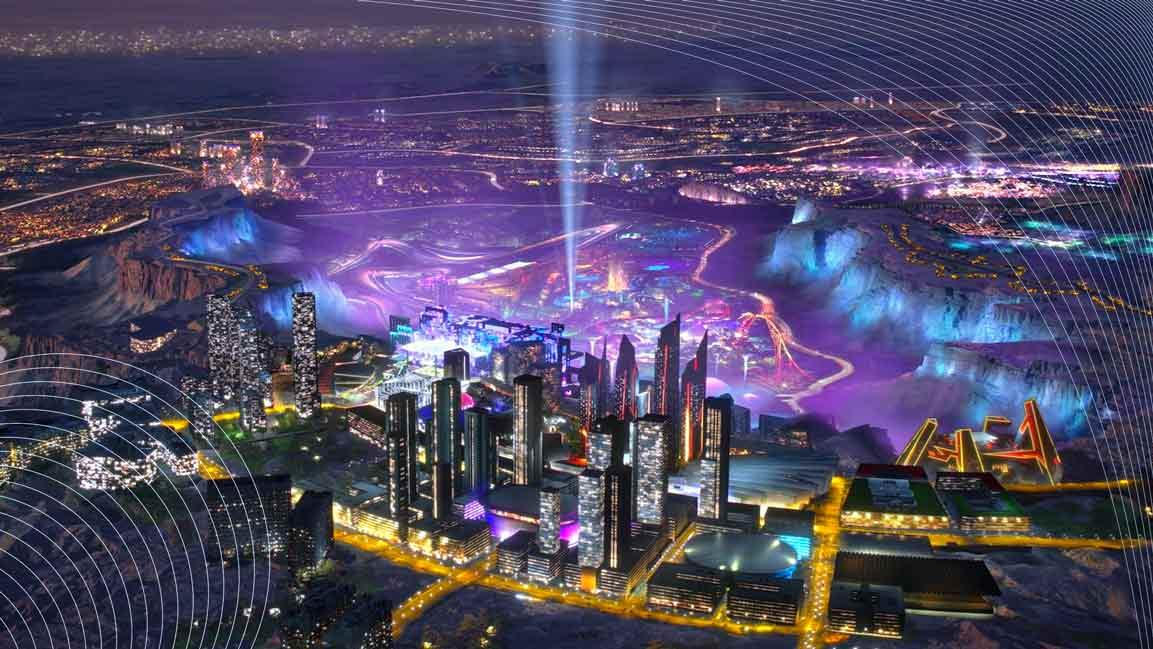 The scale of entertainment growth across the GCC is being accelerated by government-backed strategic initiatives that prioritize immersive tourism and destination infrastructure.
Saudi Arabia’s Vision 2030
Saudi Arabia’s Vision 2030 initiative has become one of the largest entertainment and tourism transformation programs globally. The strategy focuses heavily on:- Tourism diversification
- Lifestyle infrastructure
- Cultural development
- Mega entertainment projects
- Hospitality expansion
- Sports and recreation ecosystems
UAE’s Tourism and Lifestyle Expansion Strategy
The UAE has spent decades positioning itself as a premium global tourism and entertainment destination. Cities such as Dubai and Abu Dhabi continue expanding through:- Entertainment corridors
- Destination retail ecosystems
- Cultural districts
- Luxury hospitality developments
- Family entertainment infrastructure
- Immersive attraction investments
Mega Projects Reshaping the Entertainment Landscape
Several large-scale developments are redefining experiential entertainment infrastructure across the Middle East.NEOM — Saudi Arabia
NEOM represents one of the world’s most ambitious future-city developments, integrating technology, sustainability, tourism, and immersive lifestyle infrastructure into a large-scale urban ecosystem. Entertainment and cultural experiences are positioned as key components of its long-term economic strategy.Qiddiya — Saudi Arabia
Qiddiya is being developed as one of the world’s largest entertainment, sports, and cultural destinations. The project includes:- Theme parks
- Sports infrastructure
- Esports environments
- Experiential attractions
- Hospitality districts
- Cultural programming
Dubai’s Expanding Entertainment Corridors
Dubai continues strengthening its global entertainment positioning through integrated tourism districts, destination malls, immersive attractions, and large-scale mixed-use developments. The city’s infrastructure, aviation connectivity, and hospitality ecosystem make it one of the most accessible entertainment markets globally.Why Indoor Entertainment Performs Exceptionally Well in the GCC
The region’s climate is one of the most important operational factors shaping entertainment demand. Extreme outdoor temperatures during much of the year create sustained demand for high-quality indoor entertainment destinations capable of providing climate-controlled social and leisure environments. As a result, large-format indoor attractions perform exceptionally well across the Middle East.High-Potential Experiential Segments in the Middle East
Several experiential categories are emerging as particularly strong investment opportunities across the GCC region.01 — Indoor Theme Parks and Immersive Walkthrough Attractions
Indoor theme parks continue performing strongly due to their ability to deliver year-round entertainment independent of climate conditions. Modern indoor attractions increasingly integrate:- Projection mapping
- Interactive storytelling
- Advanced theming
- Digital ride systems
- IP-driven experiences
- Multi-sensory immersion
02 — Competitive Social Entertainment Venues
Social Entertainment Centers combining gaming, dining, nightlife, and interactive sports experiences are rapidly gaining traction among younger urban audiences. These venues appeal strongly to:- Young professionals
- Social groups
- Corporate events
- Tourism-driven audiences
- Premium lifestyle consumers
03 — Digital Sports Simulation Arenas
Technology-enabled sports entertainment continues expanding throughout the GCC market. Popular formats include:- Golf simulators
- Racing simulators
- Football gaming environments
- Cricket simulation experiences
- Interactive esports lounges
04 — Immersive Art and Projection-Based Museums
Immersive projection galleries and digital art museums are becoming increasingly popular due to their strong visual impact and social media appeal. These experiences attract both tourism audiences and local lifestyle consumers seeking interactive cultural entertainment. Their flexibility also allows regular content refresh cycles that support repeat visitation.05 — Family Edutainment Cities and Discovery Centers
Family entertainment remains one of the most stable entertainment categories within the Middle East. Discovery centers and role-play cities perform strongly because they combine:- Educational engagement
- Family participation
- Repeat visitation potential
- School partnership opportunities
- Indoor operational sustainability
Benchmark Entertainment Projects in the Region
01 — Ferrari World
Abu Dhabi, UAE
Ferrari World demonstrates the commercial power of intellectual property-driven destination entertainment within the GCC. Its success is driven by:- Strong global brand recognition
- High-quality thematic execution
- Tourism integration
- Indoor climate-controlled operation
02 — IMG Worlds of Adventure
Dubai, UAE
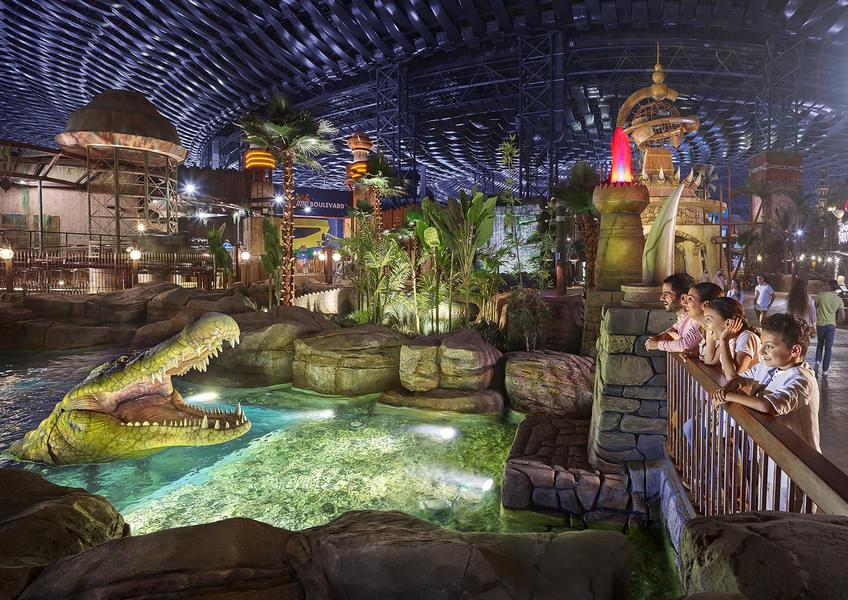
IMG Worlds of Adventure remains one of the world’s largest indoor theme parks and represents a benchmark for climate-adaptive entertainment infrastructure. Its success highlights the GCC market’s preference for large-scale immersive indoor experiences capable of supporting year-round visitation. The project also demonstrates the importance of operational scale and thematic consistency.03 — Boulevard Riyadh City
Saudi Arabia
Boulevard Riyadh City showcases the growing importance of integrated entertainment ecosystems combining retail, hospitality, live events, attractions, and public realm activation. Its programming-driven operational model creates sustained audience engagement beyond standalone attractions. The project demonstrates how entertainment districts are evolving into lifestyle-centered urban destinations.Investment Considerations for the GCC Market
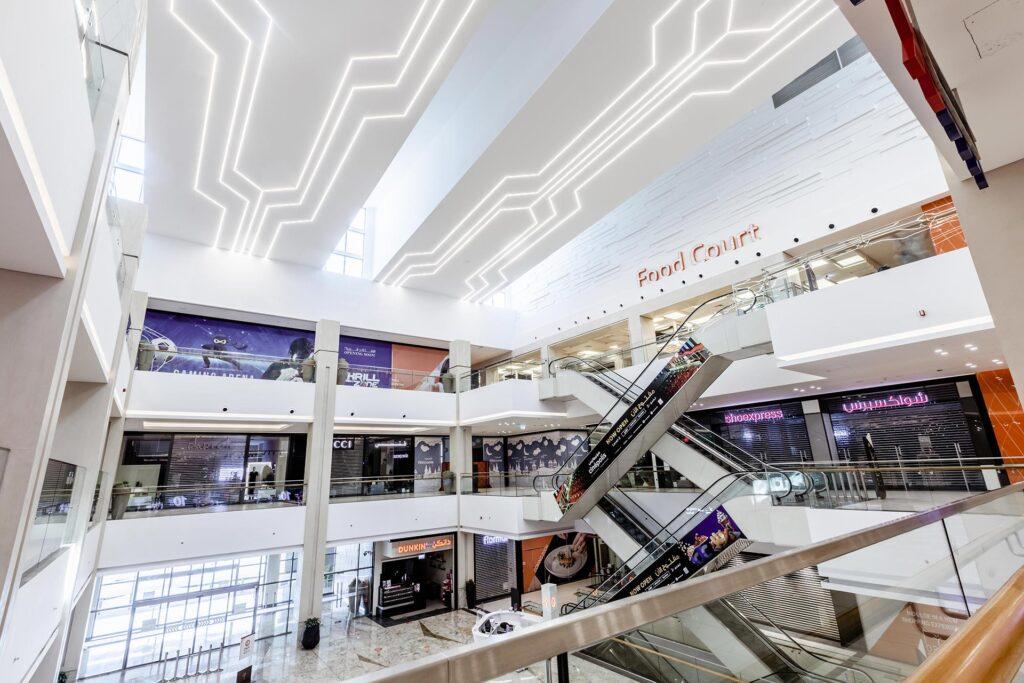 Despite the region’s enormous growth potential, entertainment projects in the Middle East involve substantial operational and financial complexity.
Key Investment Considerations
Premium Capital Expenditure Expectations
The market demands world-class thematic execution, architecture, and guest experience quality.High Design and Technical Standards
Developments are expected to meet international entertainment and hospitality benchmarks.Regulatory Compliance Requirements
Projects must comply with strict regional safety, engineering, and operational standards.Strategic Local Partnerships
Joint ventures with local developers or operators often improve execution efficiency and market navigation.Cultural Localization
Programming, branding, and visitor experience strategies should align carefully with regional cultural expectations. Disciplined planning and operational alignment are critical to long-term success.Why Strategic Planning Is Critical in the GCC
Entertainment projects within the GCC are often developed at massive scale with substantial investor visibility. As a result, planning mistakes can create significant operational and financial consequences. Successful projects typically prioritize:- International-quality master planning
- Structured feasibility analysis
- Technical coordination discipline
- Vendor integration oversight
- Phased financial modeling
- Scalable operational systems
- Tourism ecosystem integration
The Future of Middle East Entertainment Development
The Middle East is expected to remain one of the world’s fastest-growing experiential entertainment markets throughout the next decade. Several long-term trends are likely to accelerate growth further:- Entertainment-led tourism expansion
- Mega mixed-use destination development
- Immersive technology integration
- Social entertainment growth
- Family entertainment scaling
- Cultural tourism investment
- Esports ecosystem expansion
- Premium hospitality-linked entertainment