
Why Private Members’ Entertainment Clubs Are Emerging as the Future of Luxury Leisure
The global luxury leisure market is undergoing a major transformation as affluent consumers increasingly prioritize exclusivity, curated social experiences, private networking environments, and lifestyle-driven entertainment over traditional public hospitality formats. This shift is driving the rapid rise of private members’ entertainment clubs — a new category of premium experiential assets that blend hospitality, immersive entertainment, social culture, and elite community access into highly curated lifestyle ecosystems.
Unlike traditional entertainment venues designed for mass-market visitation, private entertainment clubs operate on a fundamentally different value proposition. These environments are built around exclusivity, controlled access, personalized service, and community identity rather than volume-driven footfall alone.
Modern private entertainment clubs combine:
- Immersive gaming experiences
- Sports simulation environments
- Luxury dining
- Digital art and media lounges
- Cultural programming
- Business networking
- Wellness and lifestyle integration
- Invitation-only social ecosystems
The result is a premium hybrid hospitality-entertainment asset positioned not merely as a venue, but as a long-term lifestyle membership platform.
For developers and investors, private entertainment clubs represent an emerging high-value asset category capable of generating recurring revenue, strong brand equity, premium pricing power, and resilient long-term customer retention.
This guide explores the strategic framework behind private members’ entertainment clubs, the operational systems that define successful concepts, and why this category is becoming one of the most compelling frontiers in luxury experiential development.
The Shift from Public Entertainment to Curated Membership Ecosystems
Traditional entertainment venues focus primarily on maximizing attendance volume. Private members’ entertainment clubs, by contrast, prioritize exclusivity, personalization, and long-term relationship-driven engagement.
This operational shift reflects broader consumer trends among affluent audiences who increasingly value:
- Privacy
- Social status
- Curated communities
- Premium hospitality
- Controlled access environments
- Personalized experiences
- Lifestyle identity alignment
Private membership ecosystems create emotional and social value beyond the entertainment offering itself.
Why Exclusivity Increases Commercial Value
Limited-access environments generate stronger perceived prestige and pricing power than publicly accessible venues.
Membership exclusivity creates:
- Community identity
- Social differentiation
- Higher retention rates
- Increased customer loyalty
- Stronger recurring revenue
- Premium pricing acceptance
Scarcity-driven positioning is one of the defining commercial characteristics of successful private entertainment clubs.
Core Components of a Private Entertainment Club
Successful private members’ entertainment clubs integrate multiple lifestyle and experiential layers into a unified hospitality ecosystem.
Invitation-Only Membership Structure
Membership structure is the foundation of the club’s identity and commercial positioning.
Most successful concepts implement:
- Invitation-based onboarding
- Curated member selection
- Tiered access levels
- Annual membership renewals
- Referral-based growth systems
The objective is to maintain exclusivity while building a highly engaged member community.
Membership scarcity directly influences perceived prestige and long-term retention value.
Private Competitive Gaming Suites
Competitive gaming environments within private clubs are evolving far beyond traditional arcade concepts.
Premium gaming suites increasingly include:
- Luxury esports lounges
- VR competition rooms
- Interactive projection gaming
- Simulator-based entertainment
- Multiplayer social gaming environments
These spaces are designed to function as premium social interaction environments rather than casual public gaming facilities.
High-End Sports Simulation Environments
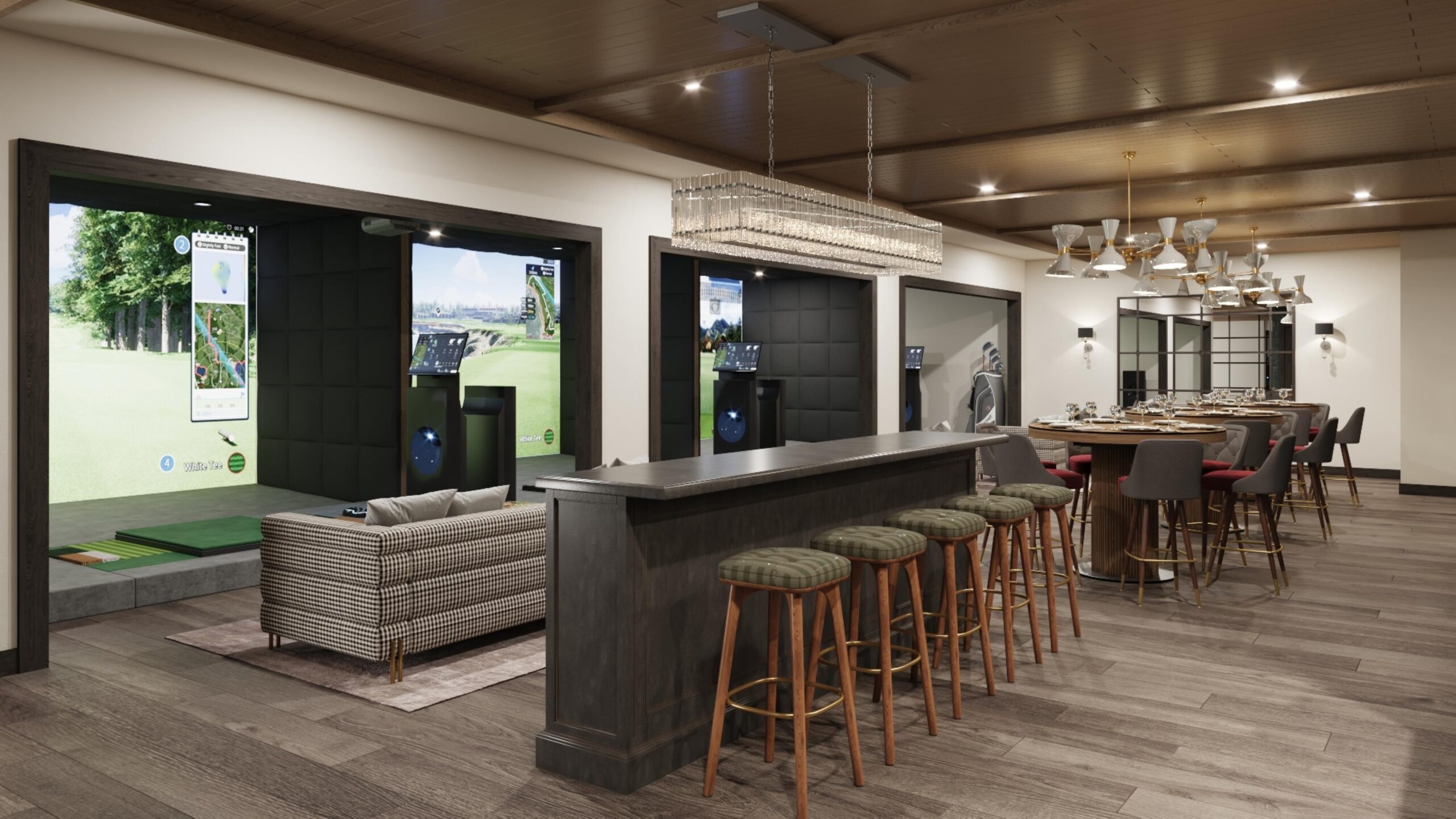
Sports simulators have become one of the strongest premium experiential categories within private entertainment ecosystems.
Popular integrations include:
- Golf simulators
- Racing simulators
- Football simulation suites
- Interactive sports analytics experiences
- VIP tournament environments
The integration of sports simulation within luxury hospitality settings creates strong engagement among affluent social and corporate audiences.
Immersive Art and Media Lounges
Luxury entertainment clubs increasingly incorporate immersive media environments designed for cultural engagement, digital storytelling, and social interaction.
These may include:
- Projection mapping installations
- Digital art galleries
- Interactive media environments
- Private cinema lounges
- Immersive audio experiences
These spaces help position clubs as cultural and creative lifestyle destinations rather than purely entertainment venues.
Chef-Led Experiential Dining Zones
Food and beverage operations are central to the success of premium private clubs.
Unlike standard hospitality models, private entertainment clubs increasingly position dining as a core experiential pillar.
Successful concepts integrate:
- Chef-led tasting experiences
- Curated cocktail programs
- Private dining environments
- Social lounge dining
- Experiential culinary programming
Luxury F&B integration significantly increases both dwell time and member retention.
Exclusive Event Programming
Curated programming is essential for sustaining long-term engagement within private membership ecosystems.
High-performing clubs frequently host:
- Private tournaments
- Cultural showcases
- Business networking events
- Brand collaborations
- Live performances
- Invitation-only launches
- Thought leadership sessions
Programming transforms the club from a static venue into a continuously evolving social ecosystem.
Revenue and Valuation Model
Private entertainment clubs generate revenue through layered monetization systems that combine hospitality, membership, events, and brand positioning.
Membership Revenue as the Financial Foundation
Recurring membership revenue creates predictable cash flow and improves long-term financial stability.
Revenue structures often include:
Revenue Stream | Commercial Contribution |
Annual Membership Fees | Recurring core revenue |
Premium Tier Upgrades | High-margin upselling |
Guest Access Charges | Ancillary monetization |
Corporate Memberships | Institutional revenue |
Event Access Packages | Premium engagement |
Membership-driven models also reduce dependency on unpredictable public footfall.
Luxury Food and Beverage Margins
Private clubs often achieve stronger F&B margins than public hospitality venues due to:
- Premium pricing power
- Controlled member environments
- Higher-spending demographics
- Curated culinary positioning
Luxury dining integration significantly strengthens EBITDA performance.
Brand Collaborations and Sponsorship Alignment
High-end membership clubs frequently attract luxury brand partnerships due to their concentrated affluent audience base.
Common partnership opportunities include:
- Automotive collaborations
- Fashion activations
- Technology showcases
- Premium beverage partnerships
- Lifestyle brand integrations
Brand alignment creates additional monetization opportunities while enhancing club prestige.
Why Limited Capacity Increases Pricing Power

Unlike volume-driven entertainment venues, private clubs intentionally limit capacity to preserve exclusivity.
Controlled membership density improves:
- Guest experience quality
- Service standards
- Community perception
- Retention rates
- Pricing leverage
Scarcity becomes a strategic commercial advantage.
Benchmark Premium Club Concepts
01 — Casa Cipriani Club
Global
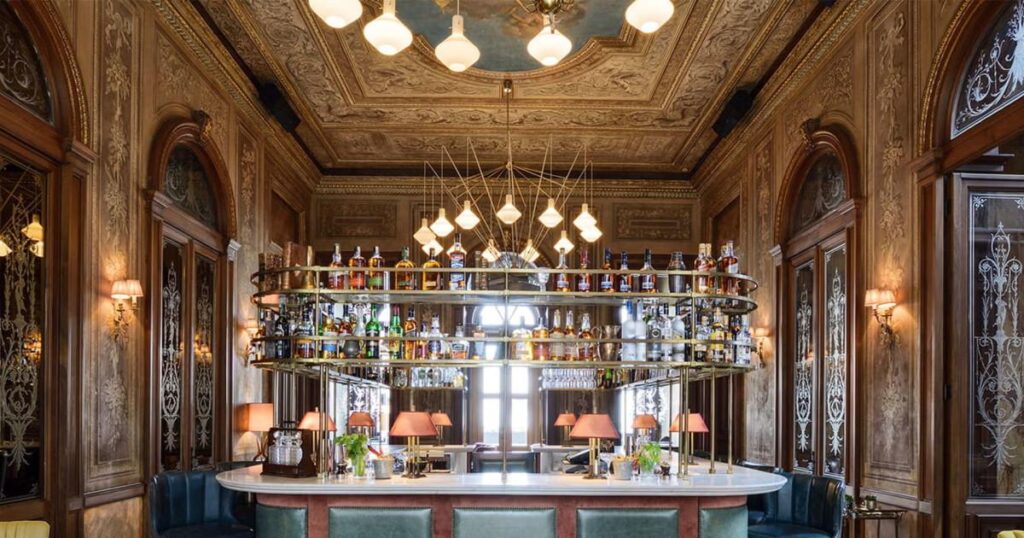
Casa Cipriani demonstrates the commercial power of strong brand heritage combined with elite membership positioning.
Its success is built around:
- Heritage luxury branding
- Hospitality excellence
- Curated member experience
- High-profile social positioning
The concept highlights how lifestyle identity significantly influences premium leisure valuation.
02 — Soho House
Global
Soho House remains one of the strongest examples of community-driven luxury hospitality.
Its long-term success is driven by:
- Curated membership ecosystems
- Cultural programming
- Creative-industry positioning
- Lifestyle-oriented hospitality
The brand demonstrates how community identity can become the core commercial driver of a hospitality-entertainment ecosystem.
03 — Topgolf Suites (VIP Concepts)
Global
Topgolf’s premium suite concepts illustrate how sports simulation entertainment can integrate successfully within luxury hospitality environments.
Its VIP positioning combines:
- Competitive entertainment
- Premium dining
- Corporate hospitality
- Group-based social engagement
The concept highlights the growing convergence between sports entertainment and luxury leisure.
Strategic Development Framework for Premium Entertainment Clubs
Developing successful private entertainment clubs requires a fundamentally different planning approach compared to mass-market entertainment venues.
Location Prestige and Urban Positioning
Location selection strongly influences brand perception and membership demand.
High-performing clubs are typically positioned within:
- Luxury mixed-use developments
- Financial districts
- Premium hospitality corridors
- Waterfront destinations
- Lifestyle-oriented urban districts
Prestige positioning reinforces exclusivity and long-term brand value.
Architectural Signature and Design Identity
Private entertainment clubs must deliver strong visual and experiential identity through architecture and interior design.
Successful projects emphasize:
- Timeless luxury aesthetics
- Spatial intimacy
- Acoustic comfort
- Privacy-oriented layouts
- Premium material selection
- Immersive environmental design
Design quality directly impacts membership perception and retention.
Operational Discretion and Service Standards
Service quality is one of the defining differentiators within premium private clubs.
Operational priorities include:
- Personalized member service
- Privacy management
- Concierge-style hospitality
- High staff-to-member ratios
- Seamless digital integration
Luxury service standards are non-negotiable within elite membership ecosystems.
Risk Mitigation and Long-Term Planning
Private entertainment clubs require disciplined operational and financial planning to maintain long-term sustainability.
Strict Membership Vetting
Curated membership selection protects:
- Brand positioning
- Community quality
- Social alignment
- Long-term exclusivity
Poor membership management can dilute brand value rapidly.
Phased Capex Deployment
Phased development strategies reduce financial exposure while allowing demand validation before expansion.
This approach improves:
- Capital efficiency
- Operational calibration
- Investor confidence
Technology Redundancy Planning
Technology systems supporting immersive entertainment environments require strong redundancy frameworks.
Operational continuity planning should include:
- Backup infrastructure
- Vendor support agreements
- Preventive maintenance systems
- Data protection protocols
Technology failures can significantly damage premium guest perception.
Structured Brand Positioning Strategy
Private clubs require carefully controlled brand communication emphasizing:
- Exclusivity
- Lifestyle identity
- Community alignment
- Cultural positioning
- Premium hospitality
Brand dilution risks long-term pricing power.
Long-Term SOP Documentation
Documented operational systems ensure consistency across service, hospitality, maintenance, and member experience delivery.
Strong SOP frameworks support:
- Scalability
- Staff training
- Operational quality control
- Brand consistency
Operational discipline directly influences long-term asset value.
Why Luxury Entertainment Clubs Are Attractive Investment Assets
Private entertainment clubs increasingly attract investor interest because they combine characteristics from several resilient premium sectors simultaneously:
- Hospitality
- Lifestyle real estate
- Membership ecosystems
- Experiential entertainment
- Luxury dining
- Social networking environments
Their recurring revenue structure and exclusivity-driven pricing power create strong long-term valuation potential.
Frequently Asked Questions
What is a private members’ entertainment club?
A private members’ entertainment club is an invitation-based lifestyle venue combining premium entertainment, hospitality, dining, cultural programming, and curated social engagement.
Why are private entertainment clubs becoming popular?
Affluent consumers increasingly seek exclusive, personalized, and community-driven experiences rather than mass-market public entertainment environments.
What revenue streams support private entertainment clubs?
Revenue typically comes from memberships, premium dining, events, sponsorships, brand collaborations, guest access, and luxury hospitality services.
Why is exclusivity important for premium club concepts?
Limited membership capacity increases perceived prestige, strengthens community identity, improves retention, and supports premium pricing power.
What operational factors are most important for success?
Service quality, curated programming, privacy management, operational consistency, and strong hospitality standards are critical.
Why are luxury entertainment clubs attractive to investors?
They offer recurring membership revenue, strong brand positioning, high-margin hospitality integration, and long-term lifestyle asset potential.
Work with Peach Prime Consultancy
Developing premium private entertainment clubs requires disciplined master planning, luxury hospitality strategy, financial modeling, operational structuring, and long-term brand positioning expertise.
Peach Prime Consultancy provides advisory services for luxury experiential entertainment projects, including concept development, master planning, investment modeling, operational structuring, and execution coordination.
If you are planning a private members’ entertainment club or premium experiential lifestyle destination, our structured advisory approach helps enhance investor confidence, operational sustainability, and long-term asset value creation.
Visit www.peachprime.in to arrange a strategic consultation.