
Why Motion Simulator Attractions Are Becoming a Scalable Experiential Investment Category
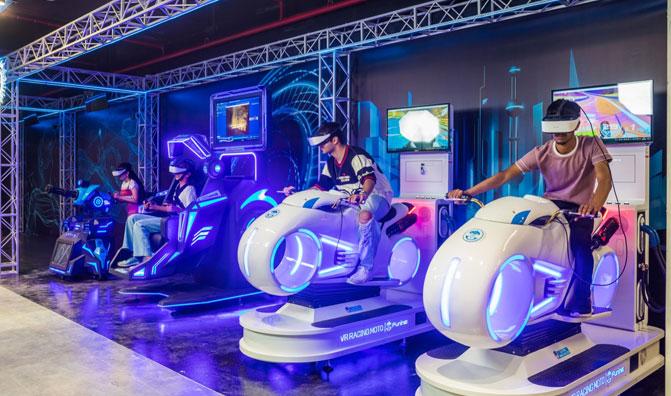
Motion simulator attractions are rapidly evolving into one of the most commercially attractive categories within immersive entertainment. Combining virtual reality, synchronized motion systems, cinematic storytelling, projection environments, and interactive technology, simulator attractions deliver high-impact guest experiences within relatively compact operational footprints. As consumer demand continues shifting toward immersive, technology-enabled leisure, investors are increasingly evaluating VR attractions, motion ride centers, flying theaters, and simulator-based entertainment ecosystems as scalable experiential assets capable of generating strong revenue density and repeat engagement. Unlike traditional amusement infrastructure requiring large outdoor footprints and weather-dependent operations, motion simulator attractions offer:- Indoor operational scalability
- High throughput potential
- Flexible thematic programming
- Tourism integration opportunities
- Efficient space utilization
- Strong repeat-visit capability
- Technology-driven guest engagement
Why Simulator-Based Entertainment Is Growing Rapidly
Consumer entertainment behavior is increasingly driven by demand for:- Immersive storytelling
- Interactive experiences
- Technology-enabled recreation
- Social engagement
- Sensory-driven entertainment
- Short-duration high-intensity attractions
- Destination malls
- Tourism districts
- Family Entertainment Centers
- Theme parks
- Mixed-use developments
- Hybrid entertainment ecosystems
Experience and Throughput Planning
One of the most important operational disciplines within simulator attractions is balancing immersive experience quality with throughput efficiency. Long-term profitability depends heavily on how effectively the venue converts available operational time into revenue generation.Designing Efficient Queue Systems
Queue systems are no longer viewed purely as waiting areas. High-performing simulator attractions increasingly use queue environments as part of the immersive storytelling experience. Well-designed queue systems improve:| Queue Strategy | Operational Benefit |
| Guest Flow Management | Reduced congestion |
| Pre-Show Storytelling | Increased immersion |
| Digital Queue Systems | Better pacing |
| Themed Queue Environments | Improved perceived wait times |
| Capacity Forecasting | Throughput optimization |
Pre-Show Areas and Experience Sequencing
Pre-show spaces are essential for:- Safety briefings
- Narrative setup
- Guest immersion
- Operational staging
- Capacity management
Exit Retail and Revenue Capture Zones
Exit pathways represent one of the most valuable monetization opportunities within immersive attractions. Well-planned exit zones increase:- Merchandise conversion
- Food and beverage sales
- Upsell opportunities
- Repeat ride purchases
- Brand engagement
Maximizing Revenue Per Square Foot
Simulator attractions are particularly attractive from an investment perspective because they can generate strong revenue density within compact indoor footprints. Revenue optimization depends heavily on:- Efficient ride turnover
- Controlled guest flow
- Layered monetization
- Space utilization
- Queue engineering
- Ride cycle efficiency
Revenue Optimization Framework
Successful simulator attractions generate revenue across multiple monetization layers rather than relying solely on basic ticketing.Dynamic Pricing Models
Dynamic pricing strategies improve profitability by aligning ticket pricing with operational demand. Common pricing structures include:- Peak-hour pricing
- Weekend premium pricing
- VIP experiences
- Fast-track access
- Seasonal pricing adjustments
Seasonal Ride Refresh Cycles
One of the biggest challenges in immersive entertainment is novelty fatigue. Successful attractions maintain repeat visitation through:- Seasonal overlays
- Updated storylines
- New VR missions
- Thematic refresh cycles
- Limited-time experiences
Corporate Rentals and Group Experiences
Corporate bookings create valuable non-peak revenue opportunities. Motion simulator attractions are increasingly used for:- Team-building events
- Product launches
- Brand activations
- VIP hospitality experiences
- Client entertainment
Birthday Packages and Family Programming
Family-oriented simulator attractions often generate strong ancillary revenue through event-driven programming. Popular offerings include:- Birthday party packages
- Group ride experiences
- Multi-attraction bundles
- Food and beverage integration
- VIP event access
Sponsorship Integration and Brand Partnerships
Simulator attractions with strong visual visibility often attract sponsorship opportunities from:- Automotive brands
- Technology companies
- Beverage brands
- Tourism organizations
- Gaming ecosystems
Technology Infrastructure and Ride Engineering
Technology systems are the operational foundation of simulator attractions. Improper technology planning can significantly reduce long-term profitability.Motion Systems and Ride Platforms
Modern attractions increasingly integrate advanced motion systems such as:- 6DOF hydraulic platforms
- Electric motion simulators
- Flying theater systems
- Vibration-enhanced seating
- Motion synchronization technology
Visual and VR Integration
Immersive visual systems may include:- VR headsets
- Projection domes
- LED visual environments
- Interactive media systems
- Real-time rendering engines
Why Ride Cycle Length Matters Financially
Short ride cycles are one of the strongest financial advantages within simulator attractions. Efficient ride turnover enables:- Higher daily throughput
- Better space utilization
- Improved revenue density
- Faster operational scaling
Maintenance Planning Protects Margins
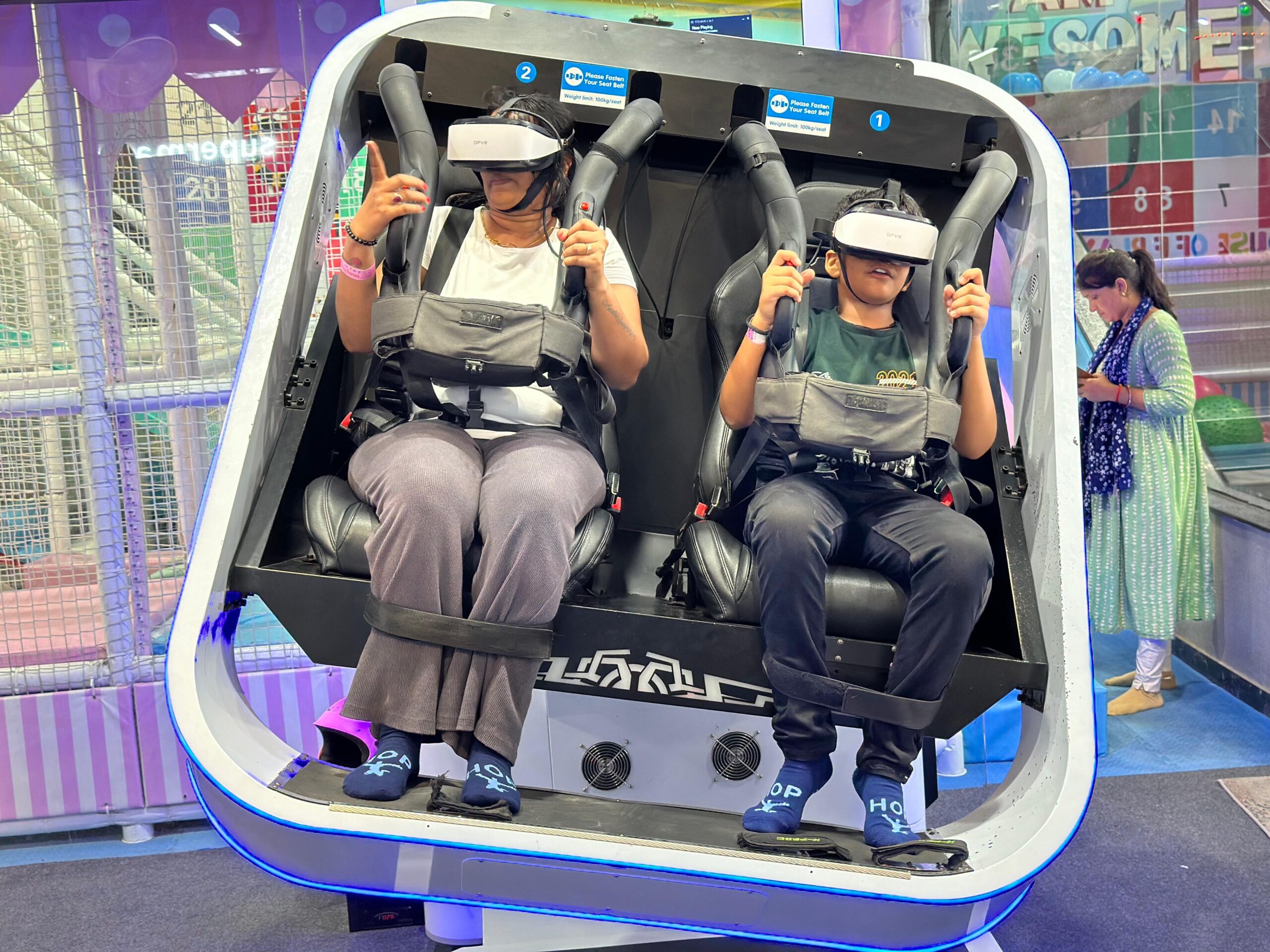 Simulator attractions are highly technology-dependent operational businesses.
Maintenance discipline directly impacts:
Simulator attractions are highly technology-dependent operational businesses.
Maintenance discipline directly impacts:
- Attraction uptime
- Guest satisfaction
- Revenue stability
- Asset lifespan
- Operational efficiency
Preventive Maintenance Systems
Professional operators implement structured preventive maintenance programs covering:| Maintenance Area | Strategic Importance |
| Motion Systems | Ride reliability |
| Projection Systems | Visual quality |
| VR Hardware | Guest experience consistency |
| Show Control Systems | Synchronization accuracy |
| Environmental Effects | Immersion continuity |
Vendor Service Agreements and Redundancy Planning
Technology redundancy planning is essential within immersive attractions. Strong vendor agreements should include:- Emergency support timelines
- Spare component availability
- Software update protocols
- Calibration services
- Preventive inspection schedules
Global Benchmark Simulator Attractions
01 — VR Park Dubai
UAE
VR Park Dubai demonstrates the commercial viability of large-scale VR entertainment ecosystems integrated within premium mall environments. Its success is driven by:- Diverse attraction mix
- Strong tourism positioning
- High visual immersion
- Technology-driven engagement
02 — Soarin’
Disney Parks
Soarin’ remains one of the most influential flying theater attractions globally. Its operational success highlights the importance of:- Story-driven immersion
- Motion synchronization
- Efficient ride throughput
- Emotional guest engagement
03 — iFly Simulation Experiences
Global
iFly simulation environments demonstrate how simulator-based concepts can scale internationally through structured operational systems and repeatable technology infrastructure. The brand highlights the importance of operational standardization and scalable experiential design.Financial Structuring Insights for Investors
Simulator attractions combine high capex intensity with strong throughput potential. Successful financial structuring depends on balancing:- Ride cycle efficiency
- Maintenance reserves
- Content refresh planning
- Staffing optimization
- Operational scalability
Why Scalability Matters
Investors increasingly prioritize simulator concepts capable of:- Multi-location expansion
- Standardized operations
- Replicable technology systems
- Modular attraction deployment
- Centralized content management
Risk Mitigation Framework
Motion simulator attractions involve several operational and technical risks that must be managed carefully. Core risk mitigation priorities include:- Technology redundancy planning
- Preventive maintenance scheduling
- Safety compliance systems
- Ride certification management
- Insurance alignment
- Operational SOP documentation
Why Professional Advisory Improves ROI Outcomes
Experienced consultants help align immersive attraction ambition with financial sustainability and operational practicality. Professional advisory improves:- Ride selection strategy
- Throughput optimization
- Layout engineering
- Vendor evaluation
- Capex efficiency
- Financial modeling
- Long-term scalability planning
The Future of Motion Simulator Entertainment
The immersive entertainment industry is expected to continue expanding rapidly as advancements in:- VR technology
- Real-time rendering
- Interactive storytelling
- AI-driven personalization
- Motion engineering
- Mixed reality attractions
- Tourism-integrated simulators
- Competitive multiplayer VR
- Sports simulation ecosystems
- Hybrid simulator entertainment districts