

Blogs
Museum Design Trends for 2026: The Future of Interactive, Sustainable, and Visitor-Centric Museums
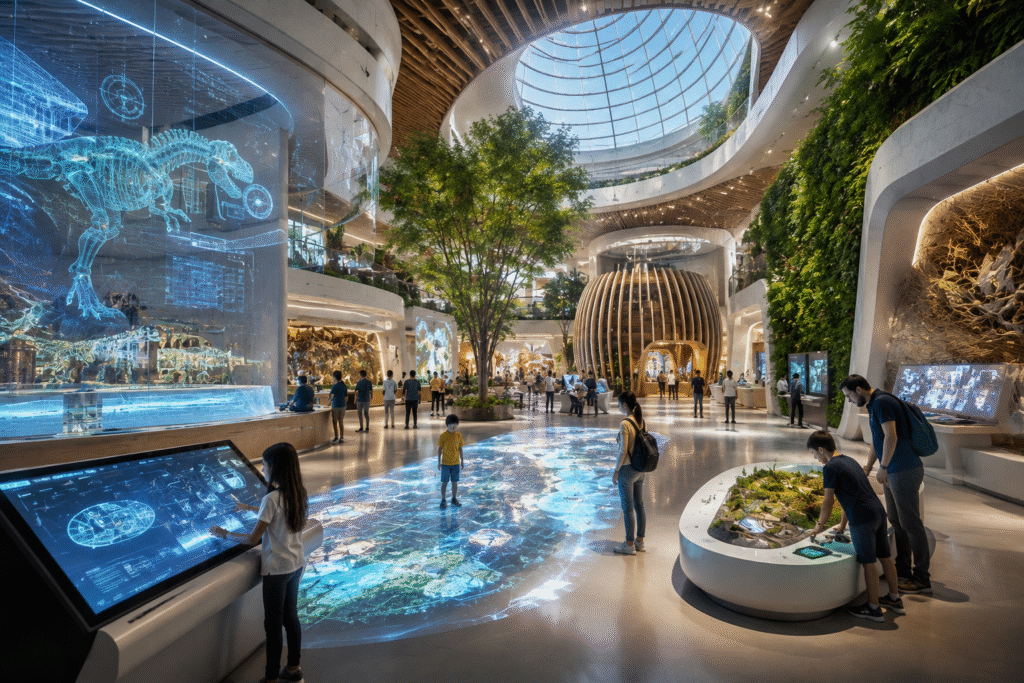
Museums have evolved far beyond displaying artifacts behind glass. Today, they are interactive cultural spaces that educate, inspire, and engage visitors through technology, storytelling, and innovative design. As visitor expectations continue to grow, Museum Design Trends for 2026 focus on creating immersive, accessible, and sustainable environments that make learning more memorable.
Whether developing a new museum or modernizing an existing one, successful projects require thoughtful planning, creative design, and the right technology. Here are the key trends shaping the future of museum design.
Immersive Experiences Take Center Stage
Modern museums are replacing static displays with immersive experiences that encourage visitors to interact with exhibits rather than simply observe them.
Projection mapping, interactive walls, surround sound, digital storytelling, and multimedia installations create engaging environments that bring history, science, and culture to life. These experiences encourage longer visits and improve visitor engagement.
Smart Technology Enhances Learning
Technology is transforming how people experience museums. Mobile apps, digital guides, interactive touchscreens, AI-powered information kiosks, and contactless ticketing make visits more convenient and informative.
Augmented Reality (AR) and Virtual Reality (VR) allow visitors to explore historical sites, ancient civilizations, and scientific discoveries in entirely new ways. Digital museums and virtual tours also make collections accessible to people around the world.
Flexible Exhibition Spaces
Museums regularly update exhibitions, making flexible layouts more important than ever.
Movable walls, modular display systems, and adjustable lighting allow galleries to adapt quickly for temporary exhibitions, educational programs, and cultural events. Flexible spaces reduce renovation costs while keeping museums fresh and engaging.
Sustainable Museum Design
Sustainability continues to influence museum architecture worldwide. Modern museums are designed to reduce environmental impact while improving long-term operational efficiency.
Natural lighting, energy-efficient HVAC systems, rainwater harvesting, recycled materials, renewable energy, and green building practices help lower operating costs. Many projects also incorporate biophilic design through landscaped spaces, natural materials, and indoor greenery to create healthier environments.
Storytelling Through Design
Every successful museum tells a story, and the building itself should support that narrative.
Architecture, interior design, lighting, exhibition graphics, and visitor circulation work together to guide guests through meaningful experiences. Strong storytelling creates emotional connections and helps visitors better understand the significance of each exhibit.
Accessibility for Everyone
Accessibility has become a fundamental part of museum planning.
Barrier-free entrances, elevators, tactile pathways, accessible restrooms, multilingual signage, braille panels, audio guides, and wheelchair-friendly layouts ensure museums can be enjoyed by visitors of all ages and abilities.
Clear wayfinding systems and digital navigation tools also make large museums easier to explore.
Smarter Exhibition Lighting
Lighting plays a vital role in both presentation and preservation.
Modern LED lighting highlights artifacts, creates atmosphere, and protects sensitive collections while reducing energy consumption. A balanced combination of natural and artificial lighting improves comfort without compromising conservation standards.
Adaptive Reuse of Historic Buildings
Many museums are being developed by converting heritage buildings instead of constructing entirely new facilities.
Former factories, warehouses, railway stations, and historic structures are transformed into cultural destinations while preserving their architectural character. This approach reduces construction waste, protects heritage, and creates unique visitor experiences.
Planning for Future Growth
Successful museums are designed with future expansion in mind.
Master planning considers exhibition galleries, education spaces, conservation labs, administration areas, cafés, retail outlets, visitor amenities, parking, and opportunities for future development. A well-planned layout supports efficient operations and allows museums to grow as collections and visitor numbers increase.
Integrated Design and Project Management
Developing a museum requires close collaboration between architects, interior designers, engineers, exhibition specialists, and project managers.
An integrated approach ensures smooth coordination throughout planning, design, engineering, and construction. Many organizations choose turnkey museum solutions, where a single team manages the entire project from concept to completion, helping reduce delays and improve quality.
Why Professional Museum Design Matters
A museum is more than a building—it is a place where culture, education, history, and innovation come together. Professional museum design creates spaces that attract visitors, support learning, preserve valuable collections, and strengthen community engagement.
Whether developing a history museum, science museum, children’s museum, art gallery, or cultural interpretation center, thoughtful planning and creative design are essential for long-term success.
Why Choose Peach Prime Consultancy?
Peach Prime Consultancy provides complete museum design and consultancy services across India. Our expertise includes Museum Architecture, Interior Design, Master Planning, Exhibition Planning, Engineering, Construction Planning, Project Management, and Turnkey Museum Projects.
Whether you’re building a new museum, expanding an existing facility, or renovating a heritage space, our experienced team delivers innovative, sustainable, and visitor-focused solutions tailored to your project goals.
Conclusion
Museum Design Trends for 2026 focus on creating interactive, sustainable, and accessible cultural spaces that inspire every visitor. From immersive technology and flexible galleries to smart planning and environmentally responsible architecture, modern museums are becoming dynamic learning destinations.
By combining innovative design with expert planning, organizations can create museums that preserve heritage, embrace new technology, and remain relevant for future generations. With the right guidance from Peach Prime Consultancy, your museum project can become a lasting cultural landmark.