

Blogs
How to Design a Children’s Museum: A Complete Guide to Creating Inspiring Learning Spaces
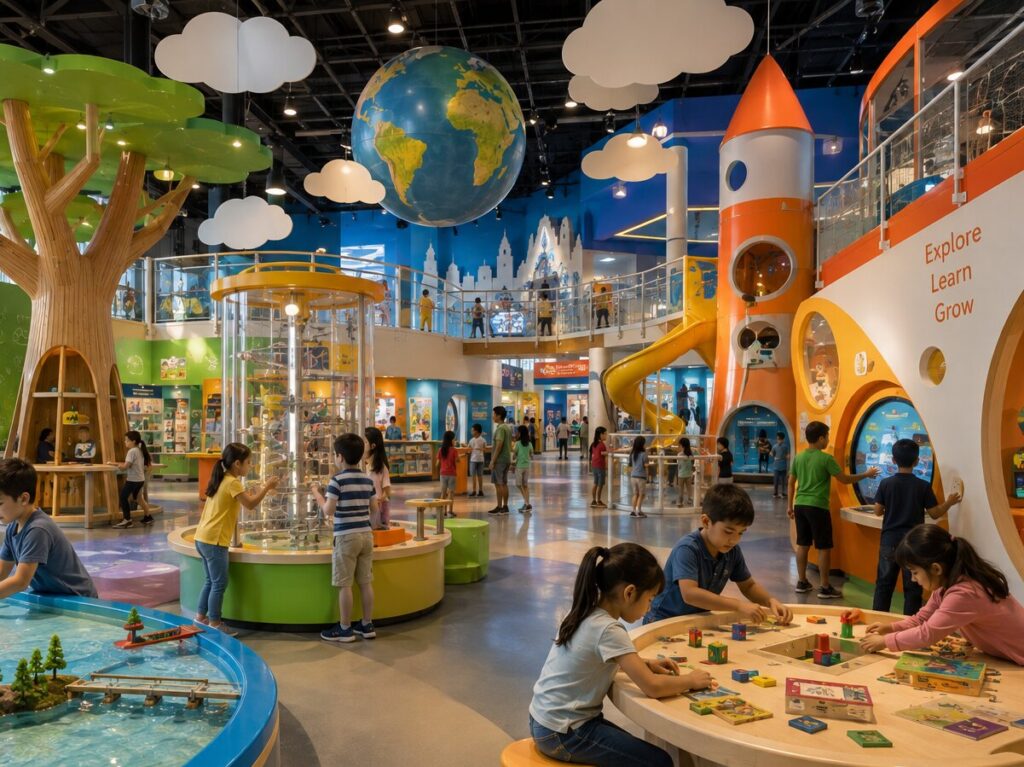
Children learn best through exploration, creativity, and hands-on experiences. Unlike traditional museums that focus on displaying collections, modern children’s museums encourage visitors to touch, experiment, build, and discover through interactive exhibits.
As educational institutions, government organizations, and private developers invest in learning spaces, the demand for thoughtfully designed children’s museums continues to grow. Creating a successful museum requires more than colorful interiors—it involves careful planning, engaging exhibits, safe environments, and spaces that support meaningful learning for children and families.
Define the Museum’s Purpose
Every successful children’s museum begins with a clear vision. Before planning the design, it’s important to define the museum’s educational goals and the audience it will serve.
Whether the focus is science, history, art, culture, technology, or nature, every exhibit should encourage curiosity and active participation. The objective is to create an environment where children learn by exploring rather than simply observing.
Start with Strategic Planning
Careful planning forms the foundation of every successful museum project.
The planning process should identify the target audience, available space, visitor capacity, educational objectives, operational requirements, accessibility needs, and future expansion opportunities. Understanding these factors early helps create a museum that functions efficiently while delivering a memorable visitor experience.
Research into visitor behavior and educational needs also helps shape exhibits that are suitable for different age groups.
Design Spaces That Inspire Exploration
Children naturally enjoy discovering new environments, so museum layouts should encourage movement and interaction.
Open galleries, activity zones, creative workshops, quiet learning areas, family seating, and flexible exhibition spaces create a balanced environment for learning and play. Natural light, child-friendly materials, vibrant colors, and comfortable furniture make the museum both welcoming and engaging without overwhelming young visitors.
Create Interactive Learning Experiences
Hands-on participation is the heart of every children’s museum.
Interactive exhibits allow children to explore science, engineering, art, culture, and everyday life through experiments, creative activities, and problem-solving challenges. Many museums also include STEAM learning experiences that combine science, technology, engineering, arts, and mathematics to develop creativity, teamwork, and critical thinking skills.
Learning through participation makes educational concepts easier to understand and remember.
Encourage Play-Based Learning
Play is one of the most effective ways children develop new skills.
Discovery zones, sensory play areas, role-playing activities, storytelling spaces, creative workshops, and construction activities help children build confidence, imagination, and social skills while enjoying the learning process.
A successful museum balances education with entertainment, ensuring every activity has a meaningful purpose.
Prioritize Safety and Accessibility
Safety should be considered throughout the design process.
Rounded corners, non-slip flooring, secure play equipment, child-friendly materials, emergency planning, and clear visibility help create a safe environment for visitors and staff.
Accessibility is equally important. Wide pathways, ramps, elevators, accessible restrooms, tactile guidance, and inclusive exhibit design ensure children of all abilities can comfortably enjoy the museum. Quiet zones and sensory-friendly spaces also provide additional support for visitors with different needs.
Design Exhibitions That Tell Stories
Great museums guide visitors through engaging stories rather than presenting isolated information.
Interactive displays, graphics, lighting, multimedia, digital games, augmented reality, and immersive technology help transform educational topics into memorable experiences. Story-driven exhibitions encourage children to stay curious and actively participate throughout their visit.
Create a Family-Friendly Environment
Children usually visit museums with parents, teachers, or caregivers, making family-friendly facilities essential.
Comfortable seating, cafés, nursing rooms, family restrooms, stroller-friendly pathways, and flexible educational spaces improve convenience and encourage longer visits. These features also support school programs, workshops, and community events throughout the year.
Improve Visitor Navigation
Simple navigation helps families explore the museum with confidence.
Color-coded zones, child-friendly graphics, interactive maps, and clear directional signage make it easy for visitors to move between exhibits while reducing congestion during busy periods.
Design for Future Expansion
Educational programs and visitor expectations continue to evolve, so museums should be designed with flexibility in mind.
Movable walls, modular exhibits, adaptable learning spaces, and expandable galleries allow new exhibitions and technologies to be introduced without major renovations, helping the museum remain relevant for years to come.
Work with Experienced Museum Design Consultants
Designing a children’s museum requires expertise in architecture, exhibition design, education, engineering, and project management.
Professional consultants help develop concepts, optimize layouts, coordinate engineering, manage construction, and create engaging exhibition experiences. Many organizations also choose turnkey solutions, where one team manages the entire project from concept development to final execution.
Why Choose Peach Prime Consultancy?
Peach Prime Consultancy provides complete children’s museum design and consultancy services for educational institutions, government organizations, cultural projects, and private developers across India.
Our expertise includes Children’s Museum Planning, Museum Architecture, Exhibition Design, Master Planning, Engineering, Construction Planning, Project Management, and Turnkey Museum Solutions.
Whether you’re developing a new children’s museum or renovating an existing facility, our experienced team delivers innovative learning environments that combine creativity, functionality, and educational value.
Conclusion
Designing a successful children’s museum requires thoughtful planning, interactive exhibits, safe environments, and engaging learning experiences. Every element, from the layout and exhibition design to accessibility and future expansion, contributes to creating a space where children can learn through exploration and play.
With expert guidance from Peach Prime Consultancy, you can create a children’s museum that inspires curiosity, supports education, and becomes a valuable destination for families, schools, and communities.