

Blogs
Interactive Museum Technology Guide: How Digital Innovation is Transforming Modern Museums
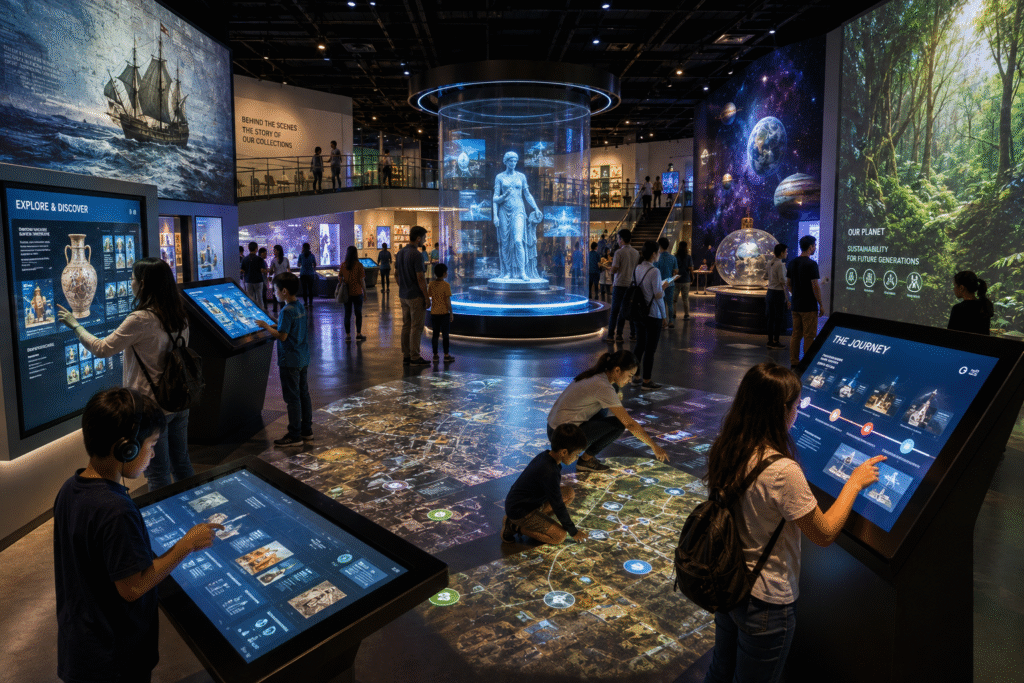
Museums today are evolving into interactive spaces where visitors can explore, learn, and engage with exhibits in new ways. Instead of simply viewing artifacts behind glass, people now expect experiences that combine storytelling, technology, and hands-on participation.
From history and science museums to art galleries and cultural centers, digital solutions are helping institutions create memorable visitor experiences. Interactive Museum Technology is no longer an optional feature—it has become an essential part of modern museum planning.
This guide explores how technology is reshaping museums and why investing in the right digital solutions can improve visitor engagement, education, and operational efficiency.
The Shift from Traditional to Interactive Museums
Traditional museums focused on displaying collections with written descriptions. While these exhibits remain valuable, today’s visitors—especially children and younger audiences—prefer experiences that are interactive and easy to understand.
Modern museums combine physical exhibits with digital technologies to make learning more engaging. Visitors can watch historical events unfold through projection mapping, interact with digital displays, or experience ancient civilizations through virtual reality. These immersive experiences encourage exploration and make every visit more memorable.
Interactive Exhibits Create Better Learning Experiences
Interactive exhibits allow visitors to become active participants instead of passive observers.
Touchscreens, digital games, hands-on installations, and multimedia displays encourage people to explore exhibits at their own pace. Instead of reading long information panels, visitors can access videos, animations, and interactive content that explain complex topics in a simple and engaging way.
This approach improves learning while making museums more appealing to families, students, and tourists.
Augmented and Virtual Reality Bring Stories to Life
Augmented Reality (AR) and Virtual Reality (VR) are changing the way museums present history, science, and culture.
AR adds digital content to real-world exhibits through mobile devices or tablets, allowing visitors to see historical reconstructions, 3D models, or additional information.
VR creates fully immersive environments where visitors can explore historical monuments, ancient cities, underwater ecosystems, or space missions without leaving the museum.
These technologies transform traditional exhibits into unforgettable experiences.
Artificial Intelligence Makes Museum Visits More Personal
Artificial Intelligence (AI) is helping museums deliver personalized experiences for every visitor.
AI-powered systems can recommend exhibitions based on visitor interests, provide multilingual assistance, answer common questions, and guide guests through the museum. Museums also use AI to study visitor behaviour, helping improve exhibit planning and overall operations.
As technology advances, AI will continue to make museums smarter and more visitor-friendly.
Digital Storytelling Enhances Every Exhibit
Every museum has a story to tell, and technology helps tell it in a more engaging way.
Projection mapping, LED video walls, synchronized audio, digital animations, and multimedia presentations create immersive environments that capture attention and improve understanding.
Instead of relying only on text panels, museums can present stories through visuals, sound, and interactive media, creating stronger emotional connections with visitors.
Smart Lighting and Audio-Visual Systems
Lighting plays an important role in both exhibit protection and visitor experience.
Modern LED lighting systems highlight important displays, create the right atmosphere, and protect sensitive artifacts from excessive light exposure. Combined with professional audio-visual systems, museums can deliver high-quality presentations without distracting from the exhibits themselves.
Well-planned AV integration ensures that every digital element works together seamlessly.
Contactless and Motion-Based Interaction
Many museums are introducing touch-free technologies that allow visitors to interact without touching screens.
Motion sensors and gesture-controlled displays let guests activate animations, rotate digital objects, or explore interactive exhibits using simple hand movements. These solutions improve accessibility, hygiene, and visitor engagement while creating a modern museum experience.
Smart Technology Behind the Scenes
Technology also improves museum operations behind the scenes.
RFID systems help track collections and manage inventory, while smart sensors monitor environmental conditions to protect valuable artifacts. Digital ticketing, visitor analytics, and mobile applications simplify operations and provide valuable insights into visitor behaviour.
These technologies help museums operate more efficiently while improving the overall visitor experience.
Plan Technology with the Museum, Not Around It
Technology should support the museum’s story—not become the attraction itself.
Successful museums choose digital solutions that complement exhibits, improve learning, and enhance visitor engagement. Infrastructure such as networking, electrical systems, maintenance access, and future upgrade capabilities should also be considered during the planning stage.
A well-planned technology strategy ensures long-term reliability and easier expansion as new innovations emerge.
Designing Museums for the Future
Visitor expectations continue to evolve, making flexibility essential.
Modern museums benefit from scalable digital systems that can support future exhibitions, updated content, virtual tours, online learning, and interactive educational programs. Future-ready planning helps museums remain relevant while reducing the need for expensive upgrades later.
Why Professional Museum Technology Planning Matters
Integrating technology into a museum requires expertise in architecture, exhibition design, engineering, digital systems, and visitor experience.
Professional museum consultants help identify the right technologies, develop practical implementation strategies, and ensure every system works together efficiently. This coordinated approach reduces project risks, improves functionality, and creates a better experience for visitors.
Why Choose Peach Prime Consultancy?
Peach Prime Consultancy provides complete museum planning and technology integration services for museums, science centers, cultural institutions, children’s museums, and interpretation centers across India.
Our expertise includes Museum Design, Exhibition Planning, Interactive Museum Technology, AV Integration, Museum Infrastructure Planning, Engineering, Project Management, and Turnkey Museum Solutions. We combine innovative design with practical technology to create engaging, future-ready museum environments.
Conclusion
Interactive Museum Technology is changing how museums educate, inspire, and connect with visitors. From interactive exhibits and digital storytelling to AI, AR, VR, and smart infrastructure, technology is making museums more engaging than ever before.
The key to success is thoughtful planning. When digital innovation is combined with strong storytelling and well-designed spaces, museums become destinations that visitors remember and return to.
Whether you are developing a new museum or upgrading an existing one, Peach Prime Consultancy can help you create a modern, interactive museum that delivers meaningful experiences while supporting long-term operational success.