
The future of museums is no longer static. It is immersive, responsive, and constantly evolving.
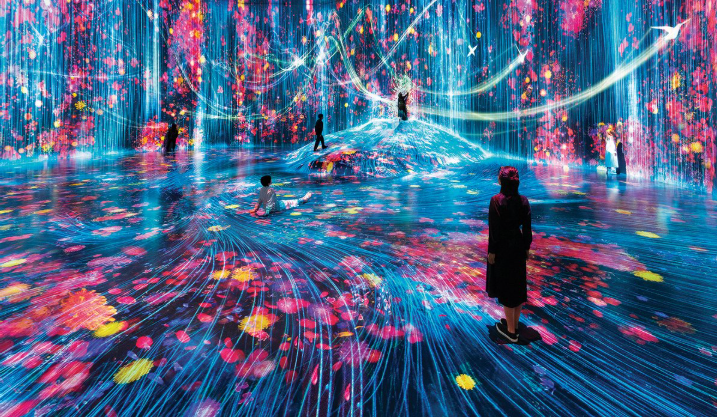
360° projection museums represent the next generation of cultural and entertainment spaces. These environments combine digital scenography, motion reactive visuals, spatial audio, and programmable show systems to create fully immersive visitor journeys.
For developers and investors, this format offers a scalable, content driven model that can continuously adapt without physical reconstruction.
The Rise of Spatial Storytelling
Traditional museums present information. Immersive museums create experiences.
360° projection environments allow visitors to:
- Walk through dynamic digital worlds
- Interact with motion responsive visuals
- Experience layered soundscapes synchronized with visuals
This approach transforms storytelling into a physical journey, increasing emotional engagement and visitor retention.
Designing the Immersive Flow
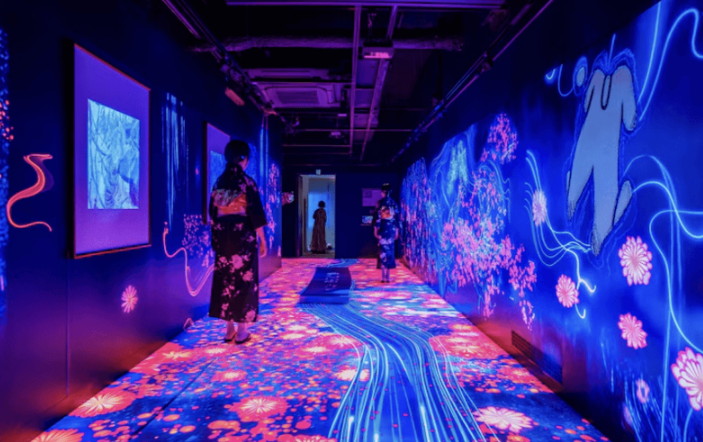
A successful projection museum is built on a carefully structured spatial narrative.
Key zones include:
Introduction Portal
Sets the tone and prepares visitors for the immersive journey.
Core Immersive Chamber
The main experience zone where large scale projection storytelling unfolds.
Interactive Response Zone
Visitors engage directly with motion based or sensor driven visuals.
Reflective Exit Lounge
A transition space for relaxation, social sharing, and extended engagement.
This emotional sequencing increases dwell time and encourages repeat visits.
Scalable Content Strategy
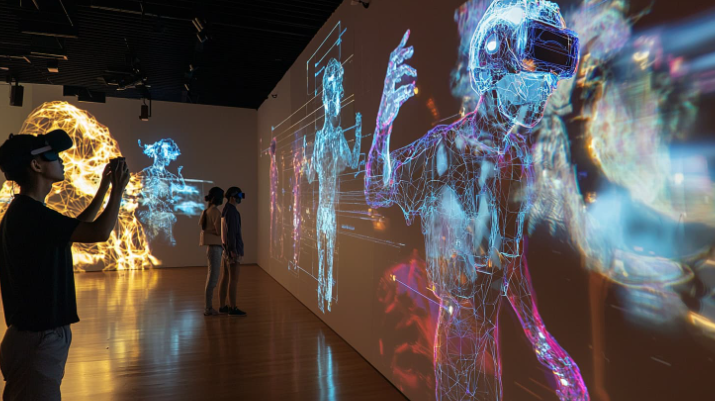
One of the biggest advantages of projection based museums is content flexibility.
Unlike traditional exhibits, digital environments can be updated without structural changes.
Examples of scalable content include:
- Classic art reinterpretations such as Van Gogh experiences
- AI generated immersive worlds
- Cultural storytelling themes
- Brand collaborations and sponsored content
This allows operators to refresh experiences regularly and maintain audience interest.
Revenue Diversification Model
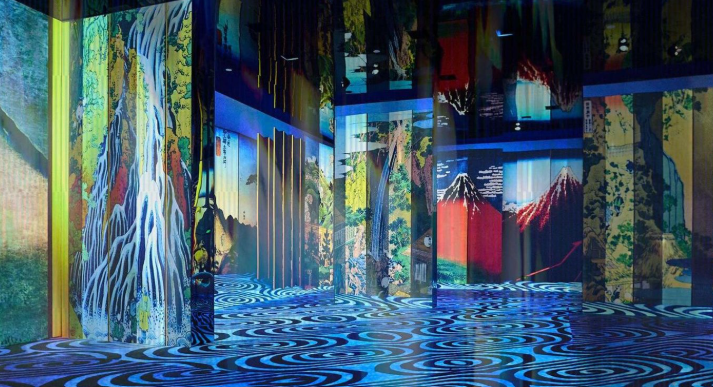
A projection museum is a multi dimensional business model with diverse revenue streams.
Key revenue opportunities include:
Rotational Ticket Pricing
Dynamic pricing based on demand, time slots, and special experiences.
Seasonal Art Collaborations
Partnering with artists and creators to introduce new content cycles.
School STEAM Workshops
Educational programs that attract institutional bookings.
Private Immersive Dining Experiences
Premium offerings combining hospitality with digital environments.
Influencer Preview Events
Driving awareness and organic reach through curated experiences.
This diversified model ensures consistent revenue across different audience segments.
Global Inspiration Projects
Leading immersive museums around the world demonstrate the commercial and experiential potential of this format.
AYA Universe Dubai UAE
A multi room immersive experience combining digital storytelling and interactive environments.
Superblue Miami USA
A platform for large scale experiential art installations blending technology and creativity.
Frameless London UK
An immersive art space that reimagines classical masterpieces through projection.
These projects highlight how immersive museums can become major cultural attractions and revenue generators.
Future Trends Shaping the Industry
The next wave of immersive museums will be driven by advanced technologies.
Key trends include:
- Real time AI generated projection environments
- Volumetric capture for realistic human and object rendering
- Interactive avatar based experiences
- Mixed reality overlays combining physical and digital layers
These innovations will push immersion to new levels and unlock new business opportunities.
Strategic Advantage for Developers
For developers, 360° projection museums offer:
- High flexibility in content updates
- Reduced long term renovation costs
- Strong repeat visitation potential
- Adaptability across different markets and themes
They represent a future ready investment in experience driven infrastructure.
Partner with Peach Prime Consultancy
Developing a successful immersive museum requires a balance between creative storytelling, technical precision, and financial planning.
Peach Prime Consultancy supports projects through:
- Immersive concept and narrative development
- Spatial planning and visitor flow design
- AV and projection system coordination
- Content scalability strategy
- Financial feasibility and ROI modeling
We help transform architectural spaces into living digital canvases that deliver both experiential impact and long term commercial success.