
The food industry is changing. Consumers no longer want only products served across a counter. They increasingly want participation, entertainment, storytelling, and memorable experiences connected to what they eat.
This shift has created one of the most exciting opportunities in the experiential economy: Interactive Dessert Labs.
These concepts combine live dessert creation, culinary theatre, tasting sessions, premium hospitality, immersive interiors, workshops, and retail under one roof. Guests do not simply buy a dessert. They watch it being created, participate in the process, learn techniques, share the moment online, and often purchase take home products.
For developers, investors, and hospitality brands, dessert labs can become powerful destination assets with multiple revenue streams and strong repeat visitation potential.
However, long term success requires more than attractive cakes and colorful interiors.
A profitable dessert lab depends on structured planning across kitchen operations, hygiene compliance, guest flow, brand identity, and monetization strategy.
Why Interactive Dessert Labs Are Growing
Several trends are fueling this category.
Consumers value experiences over transactions.
Social media rewards visually exciting food moments.
Families seek activity based outings.
Young audiences enjoy workshops and personalization.
Retail centres need traffic driving attractions.
Premium food brands seek stronger emotional engagement.
Desserts are especially powerful because they naturally connect with joy, reward, celebration, and gifting.
What Is an Interactive Dessert Lab?
An Interactive Dessert Lab is a venue where dessert production becomes part of the guest experience.
Formats may include:
Live chocolate making theatres.
Ice cream creation labs.
Cake decorating studios.
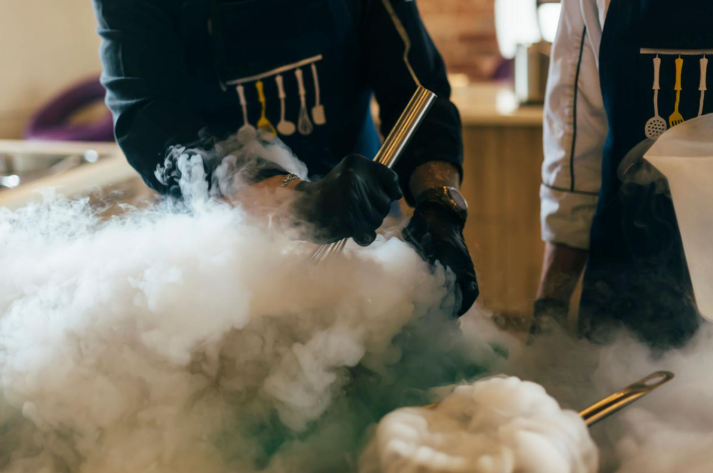
Nitrogen dessert bars.
Macaron workshops.
Chef led tasting rooms.
Family baking experiences.
Dessert innovation show kitchens.
The strongest concepts combine hospitality quality with entertainment energy.
Why Developers Like the Model
Interactive Dessert Labs can outperform standard dessert outlets because they monetize more than product sales.
Multiple Revenue Channels
Dessert sales.
Workshop tickets.
Premium tasting menus.
Retail products.
Birthday packages.
Corporate events.
Chef collaborations.
Membership clubs.
Seasonal launches.
Strong Dwell Time
Guests often stay longer than in traditional cafés, increasing food and beverage spend.
Broad Audience Appeal
Families, tourists, couples, schools, and corporate groups can all engage with the format.
Social Media Reach
Interactive plating, liquid nitrogen, chocolate fountains, and custom creations naturally generate online sharing.
Step 1: Spatial Zoning and Guest Flow
The layout of a dessert lab directly affects safety, efficiency, and guest satisfaction.
Core Zones to Plan
Preparation Zones
Back of house production areas where ingredients and mise en place are managed.
Demonstration Counters
Chef facing zones where guests can watch live creation.
Participant Stations
Hands on areas for classes and workshops.
Cold Storage and Dry Storage
Ingredient quality and inventory control are critical.
Seating Lounges
Comfortable tasting and dining zones encourage dwell time.
Retail Marketplace
Packaged products, kits, gift boxes, and branded merchandise.
Why Flow Matters
Clear circulation paths reduce congestion, especially during peak classes or family sessions. Guests should move naturally from anticipation to participation to purchase.
Step 2: Culinary Technology and Equipment Planning
The guest experience depends heavily on professional kitchen systems.
Core Equipment May Include
Induction cooktops.
Chocolate tempering machines.
Blast chillers.
Precision digital scales.
Refrigeration systems.
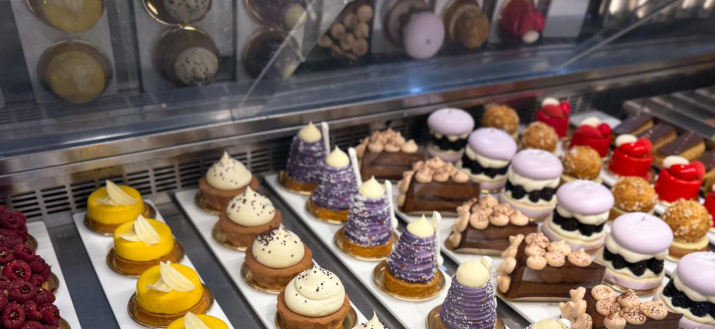
Display vitrines.
Nitrogen stations where compliant.
Planetary mixers.
Baking ovens.
Dishwashing systems.
Why Engineering Matters
Energy efficiency, extraction systems, temperature control, and ergonomic workflows directly impact long term profitability.
Safety First
Any spectacle equipment such as nitrogen or live flame presentation requires strict compliance and trained staff.
Step 3: Experience Design and Brand Identity
Great dessert labs sell emotion as much as food.
Design Elements That Work Well
Neon signage.
Pastel palettes.
Open kitchens.
Interactive topping walls.
Signature plating stages.
Luxury display counters.
Branded packaging moments.
Photo friendly seating corners.
Why Branding Matters
The venue should feel like a memorable world, not only a café with classes. Menus, uniforms, packaging, music, and interiors should tell one clear story.
Revenue Engineering: Turning Fun Into Profit
The strongest operators build layered revenue models.
Workshop Tickets
Cake decorating, chocolate classes, kids baking sessions.
Premium Tastings
Chef curated dessert flights or seasonal menus.
Retail Products
Sauces, chocolate bars, gift boxes, kits, branded tools.
Birthday Packages
Private rooms, hosts, custom cakes, group workshops.
Corporate Events
Team building classes and product launches.
Membership Models
Monthly tastings, early access launches, discounts.
Limited Edition Drops
Exclusive desserts create urgency and press attention.
Three International Case Studies
Chocolate Museum Cologne
Demonstrates how storytelling, tasting, and retail can combine into a destination experience.
Hershey’s Chocolate World
Shows the strength of brand storytelling plus interactive production and strong retail conversion.
Dominique Ansel Bakery
Known globally for innovation driven launches that create media attention and repeat traffic.
Future Proofing the Culinary Entertainment Model
The strongest venues continue evolving.
Smart Growth Strategies
Rotating masterclasses.
Celebrity chef collaborations.
Seasonal menus.
Holiday décor themes.
Subscription dessert clubs.
Kids camps.
Corporate loyalty programs.
CRM and Data Strategy
Digital systems can track birthdays, preferences, repeat visits, and popular products to improve retention and upselling.
Common Mistakes Developers Make
Beautiful interiors but weak kitchen planning.
Too many seats and no experience element.
Strong classes but poor retail conversion.
Underestimating hygiene systems.
No seasonal refresh strategy.
Weak staffing training.
Confusing brand identity.
A dessert lab must function operationally as well as visually.
Best Locations for Dessert Labs
These concepts often perform strongly in:
Shopping malls.
Tourism districts.
Mixed use developments.
High street retail zones.
Luxury lifestyle centres.
Family entertainment hubs.
Airport premium retail zones.
Foot traffic and celebration driven audiences are valuable demand drivers.
Develop with Experienced Experiential Consultants
Peach Prime Consultancy provides integrated planning for culinary entertainment venues including kitchen layout optimization, experiential branding, compliance coordination, guest flow planning, and revenue modeling.
We help transform dessert innovation ideas into profitable destination businesses.
Detailed FAQs
What is an Interactive Dessert Lab?
It is a hospitality concept where dessert creation becomes part of the guest experience. Customers may watch chefs live, join workshops, taste curated menus, and purchase take home products in one venue.
Are Dessert Labs profitable for investors?
They can be highly attractive because they combine food revenue with workshops, retail, events, memberships, and brand collaborations. Multiple revenue streams often create stronger resilience than a standard café model.
How much space is required?
Smaller boutique concepts can work in compact footprints, while destination versions need room for show kitchens, seating, workshops, storage, and retail. Smart zoning is more important than pure size.
Why do guests choose these venues over normal dessert shops?
They offer entertainment, learning, personalization, and memorable moments rather than only a quick transaction.
What is the biggest operational challenge?
Balancing guest facing theatre with efficient kitchen workflows and hygiene compliance.
How often should menus change?
Seasonal refreshes and limited edition launches often help repeat visitation and social buzz.
Can these concepts work inside malls?
Yes. They can perform strongly as family friendly and high dwell attractions.
What hidden revenue streams exist?
Birthday packages, corporate team events, branded merchandise, digital memberships, and masterclasses often perform very well.
Are they suitable for families?
Absolutely. Family workshops and kids classes can become major demand drivers.
Why hire specialist consultants?
Because these projects combine hospitality operations, entertainment design, compliance, branding, and ROI planning. Expert guidance reduces costly mistakes.
Final Thought
Interactive Dessert Labs prove that food can become theatre, education, retail, and destination entertainment all at once.
For developers, the opportunity is not simply selling sweets. It is building a brand people visit, celebrate, remember, and return to.
In the experiential economy, dessert can be far more than dessert.