

The next wave of location based entertainment is being driven by immersive competition. Audiences no longer want only arcade machines or standard VR pods. They want to step inside the game, move through reactive environments, compete with friends, and share cinematic moments online.
This demand is creating strong interest in holographic gaming arenas.
These venues combine projection technology, interactive surfaces, motion tracking, AI powered gameplay, and multiplayer competition to create futuristic entertainment experiences. For developers, they represent a high value category within esports, family entertainment, mixed use developments, and premium urban leisure markets.
However, successful holographic arenas are not built by simply purchasing projectors.
They require structured integration between architecture, lighting, networking, operations, throughput planning, and revenue strategy.
When engineered correctly, a holographic gaming arena can become a visually iconic, high repeat visit entertainment asset.
Why Holographic Gaming Is Gaining Momentum
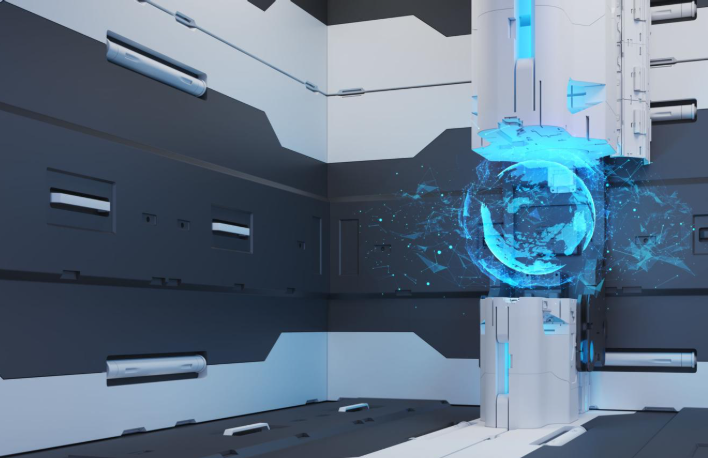
Several trends are driving demand.
Consumers want physical activity combined with digital excitement.
Young audiences enjoy competitive social experiences.
Esports culture has mainstream visibility.
Developers seek attractions with strong visual marketing appeal.
Technology now allows more responsive immersive environments.
Visitors prefer shareable experiences over passive entertainment.
Unlike home gaming, holographic arenas offer scale, spectacle, and group energy that cannot be replicated easily at home.
What Is a Holographic Gaming Arena?
A holographic gaming arena is a live play environment where players move physically through a digitally enhanced space.
Gameplay may include:
Team battles.
Sci fi missions.
Sports challenges.
Obstacle survival rounds.
Fantasy quests.
Laser style tactical competition.
Interactive puzzle missions.
Leaderboard tournaments.
The venue uses projection, sensors, responsive lighting, audio, and game logic to transform the room into a changing world.
Spatial Layout and Immersive Design
Physical layout is one of the most important success factors.
Open, Obstruction Free Arena Design
Players need safe movement, clear visibility, and reactive space.
Columns, blind corners, or cluttered layouts reduce immersion and safety.
Impact Resistant Flooring
High traffic gameplay requires surfaces that absorb impact, resist slipping, and support frequent cleaning.
Spectator Zones
Watching others play often drives impulse purchases and social energy. Viewing lounges, score screens, and photo areas improve engagement.
360 Degree Projection Strategy
Walls, floors, and ceilings can all become part of gameplay. A simple room can transform into:
Alien worlds.
Sports stadiums.
Jungle missions.
Cyber cities.
Volcanic zones.
Space stations.
Lighting Synchronization
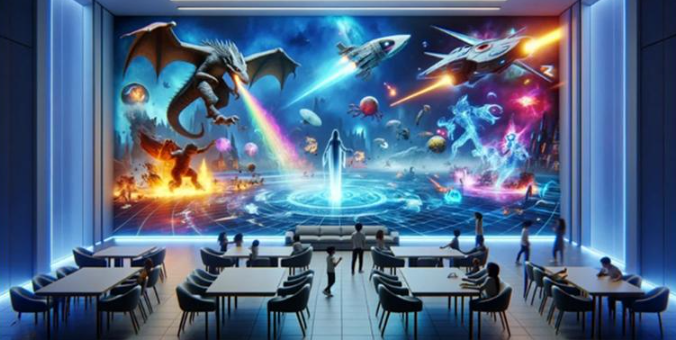
Programmable lighting tied to game events increases intensity and drama.
Red alert modes, countdown moments, victory effects, and environmental transitions elevate the experience.
Technology Stack Integration
Strong visual effects mean little if systems lag or fail.
Core Systems Often Include
Holographic projection systems.
Volumetric display units.
Interactive LED panels.
Motion tracking cameras.
Wearable sensors where required.
Centralized show control software.
AI driven game engines.
Low latency local networking.
Audio synchronization systems.
RFID or player identity systems.
Critical Support Systems
Backup power supply.
Environmental cooling.
Dust management.
Cable routing access.
Remote diagnostics.
Security systems.
Hardware redundancy for peak periods.
Reliability is essential because downtime directly impacts revenue.
Why Game Design Matters as Much as Hardware
Many operators overinvest in technology and underinvest in content.
Players return for new challenges, rankings, stories, and competition.
High Retention Formats
Seasonal tournaments.
Progression leagues.
Cooperative missions.
Corporate team challenges.
Youth skill competitions.
Weekly leaderboard prizes.
Limited time game worlds.
Software driven attractions often gain a major advantage because content can evolve without rebuilding the venue.
Three International Case Studies
Hologate
Known for compact multiplayer systems that fit family entertainment environments with strong throughput potential.
Dreamscape Immersive
Shows how physical environments and digital overlays can create premium story driven experiences.
AYA Universe
Demonstrates strong market demand for visually rich, highly shareable immersive visitor environments.
Throughput and Profit Optimization
A visually impressive venue can still underperform if session economics are weak.
Best Practice Revenue Models
Timed session bookings.
Premium peak pricing.
Membership passes.
Corporate private events.
Birthday packages.
Tournament entries.
Food and beverage add ons.
Merchandise sales.
VIP arena hire.
Throughput Planning Includes
Fast onboarding.
Waiver completion before arrival.
Quick briefing systems.
Efficient session turnover.
Live queue entertainment.
Staff reset protocols.
More sessions per day often matter more than higher ticket prices alone.
Operational Risks to Manage
Technology led attractions need disciplined operations.
Common risks include:
Projector misalignment.
Tracking errors.
Network lag.
Overheating hardware.
Weak staff training.
Long queue times.
Poor cleaning routines.
No content refresh plan.
Preventive maintenance and strong SOPs protect margins.
Best Locations for Holographic Arenas
These concepts often perform strongly in:
Shopping malls.
Mixed use developments.
Tourism districts.
Urban nightlife zones.
Family entertainment centres.
University markets.
Tech focused cities.
The strongest sites combine visibility, young demographics, and repeat leisure demand.
Why Partner with Peach Prime Consultancy
Peach Prime Consultancy supports immersive entertainment projects through feasibility studies, technical planning, attraction layout design, vendor coordination, operational playbooks, safety compliance, and revenue modeling.
If you are planning a holographic gaming arena, our team helps align visual spectacle with commercial sustainability.
FAQs
What is a holographic gaming arena?
A live interactive gaming venue that uses projection, sensors, lighting, and digital systems to create immersive multiplayer gameplay.
Is it different from VR?
Yes. Many holographic arenas allow shared physical play without isolating each player in headsets.
Are these venues profitable?
They can be highly attractive when throughput, pricing, and repeat content updates are managed well.
What age groups use them?
Teens, young adults, families, corporates, and gaming communities.
Why is networking important?
Low latency performance is essential for accurate gameplay and player satisfaction.
How often should content change?
Regular updates, seasonal modes, and tournaments help maintain demand.
Can small spaces work?
Yes. Compact arenas can perform strongly with smart layout and efficient throughput.
What is the biggest investor mistake?
Buying hardware without planning operations and revenue strategy.
Are spectators important?
Yes. Viewing zones create atmosphere and often help conversion to paid play.
Why use specialist consultants?
Because technology, architecture, safety, guest flow, and ROI must be planned together.
Final Thought
Holographic gaming arenas represent the future of competitive entertainment.
They combine movement, technology, spectacle, and social play in a format that feels impossible to replicate at home.
For developers seeking a next generation attraction, success will come not from flashy hardware alone, but from disciplined design and operational excellence.