Urban leisure is changing fast. Consumers no longer want single purpose venues where they only eat, only play, or only socialize. They increasingly prefer destinations that combine competition, dining, immersive experiences, nightlife energy, and shareable moments in one place.
This shift has created a powerful category in location based entertainment: the Hybrid Social Entertainment Center, often called an SEC.
These projects blend multiple attraction formats such as simulator sports, mini golf, arcade gaming, immersive rooms, lounges, bars, event spaces, and premium food under one roof. For developers, they can become highly productive assets that drive long dwell time, repeat visitation, and diversified revenue.
However, success is not created by placing several attractions in one building.
A profitable SEC requires strategic integration of zoning, technology, hospitality, branding, and operations.
Why Hybrid Social Entertainment Centers Are Growing
Several market forces are driving demand.
Consumers value experiences over passive spending.
Younger audiences prefer social and interactive nights out.
Developers need traffic driving anchors for mixed use projects.
Hospitality venues seek longer dwell times.
Traditional nightlife models face more competition.
Brands want spaces for events and activations.
Hybrid SEC venues answer all of these needs by combining multiple reasons to visit in one destination.
A guest may come for games, stay for dinner, return for tournaments, and book a private event later.
Why This Model Can Be Attractive to Developers
Unlike single concept venues, SEC projects often earn from several channels simultaneously.
Gaming fees.
Food and beverage.
Memberships.
Private events.
Corporate bookings.
Sponsorships.
Seasonal programs.
Merchandise.
VIP experiences.
This diversification can improve resilience and reduce dependence on one customer behavior pattern.
Step 1: Experience Zoning and Circulation Planning
The most successful SEC venues feel exciting but easy to navigate.
Poor layouts create congestion, noise conflict, and underused zones. Great layouts guide guests naturally through the venue.
Core Zones Often Include
Competitive Gaming Areas
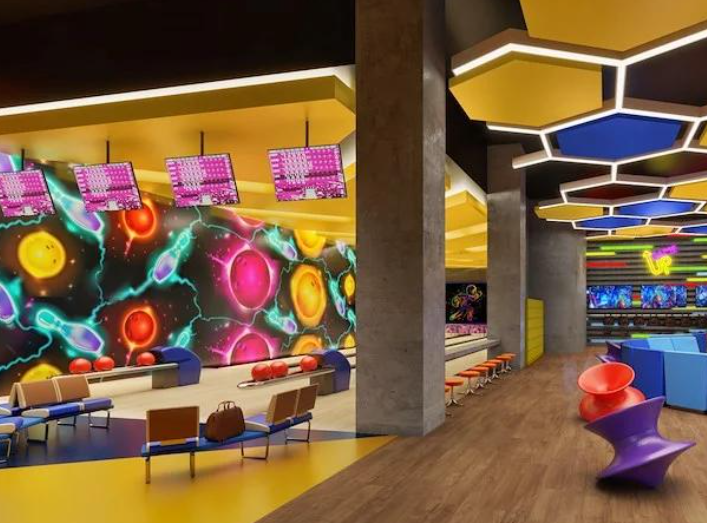
Bowling, cricket simulators, golf bays, darts, esports pods, arcade zones.
Immersive Attractions
Projection rooms, VR arenas, themed challenge spaces, digital experiences.
Casual Lounges
Waiting lounges, spectator seating, social bars, premium booths.
Dining Clusters
Restaurants, bars, cafés, event dining zones.
Event Spaces
Private rooms, corporate suites, birthday areas, flexible function halls.
Strategic Transitions Matter
Movement between zones should encourage spending.
Examples include:
Bar near simulator exits.
Dessert kiosk beside mini golf finish zone.
VIP lounge overlooking gaming arena.
Retail near exits.
Good circulation increases cross utilization without guests feeling forced.
Acoustic and Atmosphere Control
One common mistake is treating all zones with the same sound level.
Bowling and nightlife energy can work well in one area. Dining and premium lounges require calmer environments.
Solutions include:
Acoustic partitions.
Sound zoned speaker systems.
Ceiling absorption treatments.
Visual buffers.
Lighting transitions between zones.
The best venues feel energetic without becoming exhausting.
Step 2: Technology Backbone and Systems Integration
Modern SEC venues rely heavily on digital infrastructure.
Essential Systems
Centralized booking platforms.
CRM databases.
Integrated POS systems.
Digital scoreboards.
Membership management.
LED lighting control networks.
Queue management tools.
Analytics dashboards.
WiFi and guest connectivity.
Why Reliability Matters
If bookings fail, games glitch, or billing is confusing, guest trust drops quickly.
Technology should feel invisible to the guest and powerful to the operator.
Step 3: Revenue Engineering and Brand Positioning
A hybrid SEC should monetize across different customer needs.
Revenue Layers
Casual walk in gaming.
Food and beverage spend.
Tiered memberships.
VIP lounge access.
Corporate events.
Birthday packages.
League tournaments.
Influencer hosted nights.
Sponsorship activations.
Premium reservations.
Brand Positioning Matters
The venue must answer one question clearly:
Is it family fun, premium nightlife, active sports socializing, or upscale urban leisure?
Trying to be everything to everyone often weakens performance.
Instagrammable Design Helps
Modern customers market venues for free when the environment is memorable.
Neon features.
Signature murals.
Immersive lighting moments.
Branded photo zones.
Live leaderboard displays.
Three International Case Studies
Bounce Empire
Shows how adventure attractions can combine with nightlife energy and event programming.
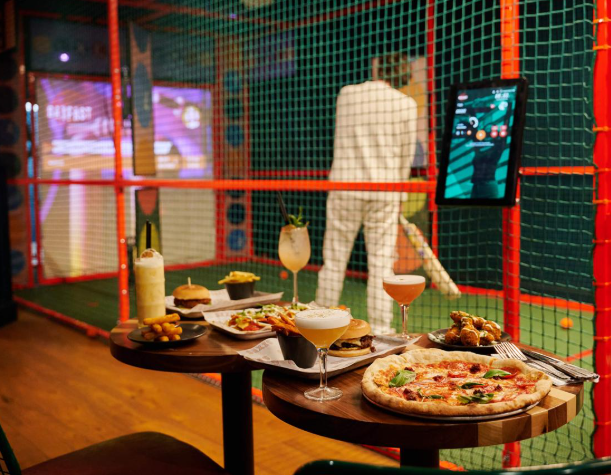
Sixes Social Cricket
Demonstrates sports simulation plus premium dining and strong corporate appeal.
Urban Putt
Highlights how themed mini golf can integrate successfully with strong food and beverage operations.
Future Proofing the SEC Investment
The strongest projects evolve after opening.
Refresh Strategies
Seasonal themes.
New tournaments.
Menu changes.
Limited time attractions.
Holiday events.
Corporate league seasons.
Influencer collaborations.
Live viewing nights.
Data Driven Retention
Use CRM tools for:
Birthday campaigns.
Lapsed customer offers.
VIP invitations.
Membership upsells.
Off peak promotions.
Repeat visitation often drives the best long term margins.
Common Mistakes Developers Make
Too many attractions with no identity.
Strong games but weak food quality.
Beautiful interiors with poor throughput.
No acoustic control.
Overreliance on weekend trade.
Weak booking technology.
No refresh plan after launch.
A Hybrid SEC is a system, not a collection of features.
What Investors Should Evaluate
Revenue per square foot.
Average spend per guest.
Peak hour throughput.
Food contribution margin.
Membership potential.
Capex refresh needs.
Demographic fit.
Scalability to more locations.
These metrics matter more than trend headlines.
Partner with Experienced Entertainment Planners
Peach Prime Consultancy supports Hybrid SEC developments through concept creation, zoning strategy, technical coordination, vendor selection, attraction planning, and financial feasibility analysis.
Partnering with specialists helps deliver scalable growth and operational excellence.
FAQs
What is a Hybrid Social Entertainment Center?
A venue combining multiple entertainment formats with dining, lounges, and social experiences.
Why are these projects growing?
Consumers increasingly want interactive group experiences in one convenient destination.
Are they profitable?
They can be highly attractive due to diversified revenue streams.
What attractions work best?
Sports simulators, bowling, mini golf, arcade, immersive rooms, and event spaces.
How important is food and beverage?
Often critical to total profitability and dwell time.
Can malls host SEC venues?
Yes. They are increasingly used as anchor attractions.
What is the biggest design mistake?
Poor zoning that creates noise conflict and weak guest flow.
Why are memberships valuable?
They improve recurring revenue and repeat visitation.
How often should venues refresh?
Regular programming and seasonal updates help maintain relevance.
Why hire specialist consultants?
Because design, technology, hospitality, and ROI must be integrated from the start.
Final Thought
Hybrid Social Entertainment Centers represent where urban leisure is heading.
They combine activity, atmosphere, competition, and hospitality in a format built for how people socialize today.
For developers, the opportunity is not simply to build fun spaces. It is to build high yield destinations where guests stay longer, spend more, and return often.