

The global entertainment economy is entering a new phase. For years, investors focused heavily on retail, office assets, hospitality, and traditional leisure formats. In 2026, capital is increasingly moving toward a different category: experiential entertainment.
Consumers are spending more on memorable experiences and less on passive consumption. Shopping centres are being redesigned. Mixed use developments need stronger traffic drivers. Tourism markets want destination attractions. Cities need social spaces that connect recreation, food, technology, and community.
As a result, smart investors are not asking whether experience led formats work. They are asking which concepts scale efficiently, attract repeat demand, and create durable long term value.
This shift is creating major opportunities in location based entertainment, hybrid social venues, immersive museums, digital sports arenas, themed dining, and family activity destinations.
The Macro Shift: Experience Over Ownership
A structural change in consumer behaviour is reshaping leisure spending.
Younger audiences, especially Gen Z and Millennials, often place higher value on shared experiences than on owning more physical products. They seek activities that are social, interactive, visually engaging, and worth talking about afterward.
This preference has major commercial implications.
Instead of spending only on shopping, people now allocate discretionary income toward:
Weekend group activities.
Birthday experiences.
Date night venues.
Competitive social entertainment.
Immersive art events.
Family edutainment outings.
Food plus play destinations.
Wellness and recreation experiences.
For investors, this means experiential assets can capture spending that once flowed only to retail categories.
Why Real Estate Is Following the Trend
Retail landlords and mixed use developers are adapting quickly.
Traditional stores may generate transactions, but strong entertainment anchors generate something even more valuable: time. The longer people stay, the more they spend across food, retail, services, and surrounding tenants.
Experiential venues often increase:
Footfall frequency.
Evening traffic.
Weekend visitation.
Cross spending in dining zones.
Social media exposure.
Tenant ecosystem performance.
This is why many developments now allocate larger footprints to entertainment driven uses than they did five years ago.
High Growth Experiential Segments for 2026
Not all concepts perform equally. Smart capital is moving toward categories with broad audience demand, layered revenue, and repeat visit potential.
1. Competitive Social Entertainment
Includes bowling, mini golf, darts, shuffle games, digital sports, and social gaming lounges.
Why attractive:
Strong group demand.
Food and beverage synergy.
Corporate event revenue.
Repeatable social occasions.
2. Immersive Visual and Projection Based Experiences
Projection mapping venues, digital art museums, light shows, and multisensory storytelling attractions.
Why attractive:
High shareability online.
Tourism appeal.
Strong ticket pricing potential.
Content refresh flexibility.
3. Role Play and Edutainment Cities
Child focused mini cities, profession role play, learning through play environments.
Why attractive:
Family demand.
School partnerships.
Brand sponsorship potential.
Long dwell times.
4. Tech Driven Sports Simulation Arenas
Golf simulators, cricket arenas, football challenge centres, multi sport performance clubs.
Why attractive:
Urban space efficiency.
Membership potential.
Coaching revenue.
Year round operation.
5. Hybrid Food Plus Play Destinations
Dining integrated with games, immersive themes, racing, karaoke, or social competition.
Why attractive:
Higher spend per visit.
Broad demographic reach.
Night economy strength.
Premium group bookings.
Why Investors Prefer Experience Anchors
Experience led venues can outperform passive tenancy models in several ways.
Revenue Beyond Rent
Some owners structure revenue share agreements, event income, or strategic partnerships.
Organic Marketing Power
Customers actively post photos, videos, scores, and celebrations online. This can reduce customer acquisition costs.
Stronger Emotional Loyalty
People remember experiences more than transactions. That memory drives return visits.
Better Use of Large Footprints
Big boxes and underperforming retail zones can be repositioned into active entertainment spaces.
Resilience Through Diversification
Many experiential concepts earn from tickets, memberships, food, events, sponsorship, and merchandise.
Global Signals Confirming the Trend
Topgolf
A strong example of technology led sports entertainment scaling internationally through hospitality and social play.
teamLab Borderless
Demonstrates global appetite for immersive projection based art environments.
KidZania
Shows the long term viability of structured role play cities for families and schools.
What Smart Investors Evaluate in 2026
Sophisticated capital looks beyond trend headlines. Key investment questions include:
Revenue Per Square Foot
Can the concept outperform alternative uses of the same space?
Capex vs Lifecycle Refresh Costs
How expensive is the initial build, and how often must the attraction be renewed?
Technology Reliability
If systems fail regularly, guest satisfaction and margins fall quickly.
Scalability
Can the concept expand into multiple cities or new formats?
Demographic Alignment
Does the local market support the target audience year round?
Exit Strategy Value
Will the asset be attractive to future buyers, operators, or franchise groups?
Throughput Efficiency
How many paying guests can the venue serve during peak periods?
Secondary Spend Opportunity
Can food, merchandise, memberships, and events significantly raise margins?
Risks Investors Should Understand
Experiential assets can be powerful, but they are not automatic wins.
Common risks include:
Overbuilding without demand validation.
Poor location selection.
Weak operations and staffing.
High maintenance technology.
No refresh strategy after launch.
Underestimating marketing needs.
Too narrow an audience profile.
Weak pricing strategy.
Good concepts fail when execution is weak.
Why Strategic Feasibility Is Non Negotiable
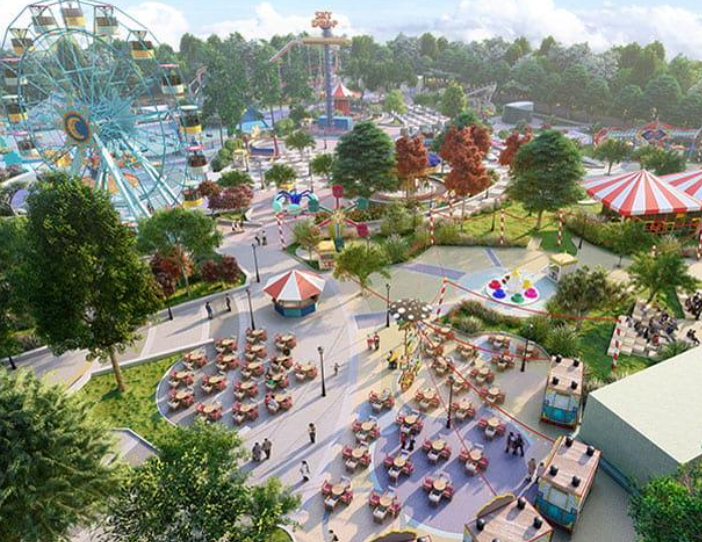
Before capital is deployed, investors need clarity.
Professional feasibility planning helps answer:
What concept best fits the catchment area?
What size footprint is optimal?
What is realistic attendance?
Which revenue mix offers strongest returns?
How much staffing is required?
What is the payback timeline?
How should zones be allocated between play, dining, retail, and circulation?
These answers improve capital efficiency and reduce avoidable mistakes.
Where Smart Capital Is Likely to Move Next
In 2026 and beyond, strong investor interest is likely in:
Compact urban entertainment formats.
Premium adult social leisure concepts.
Family destinations in growing suburbs.
Tourism driven immersive attractions.
Sports simulation memberships.
Food integrated entertainment hubs.
Flexible modular concepts that refresh easily.
The common theme is clear: experiences that combine repeat use, emotional appeal, and operational scalability.
Partner with Peach Prime Consultancy
Peach Prime Consultancy supports investors, developers, and operators through feasibility analysis, concept planning, master planning, attraction mix strategy, experience design coordination, and financial modeling.
If you are evaluating experiential entertainment opportunities in 2026, our team helps turn ideas into bankable strategies.
FAQs
What is experiential entertainment?
It includes attractions where guests actively participate, compete, explore, or immerse themselves rather than passively consume.
Why is the sector growing?
Consumer preferences are shifting toward memorable social experiences and mixed use developments need stronger traffic drivers.
Are experiential assets profitable?
They can be highly profitable when concept fit, operations, and revenue layering are managed correctly.
Which segment has the best potential?
This depends on market demographics, competition, and location. Social entertainment and tech driven recreation remain strong categories.
Why do malls want entertainment anchors?
They increase dwell time, footfall, and spending across other tenants.
Is this trend only for major cities?
No. Secondary cities and suburban growth corridors also present strong opportunities.
What matters most before investing?
Feasibility studies, catchment demand, capex discipline, and operational planning.
Can small footprint concepts work?
Yes. Many compact formats can perform strongly with efficient design.
How important is food and beverage?
Very important in many models because it can significantly improve total spend per guest.
What is the biggest investor mistake?
Following trends without validating local market demand.
Final Thought
Experiential entertainment is no longer an optional lifestyle category. It is becoming a core component of modern real estate, leisure spending, and urban social life.
For investors in 2026, the opportunity is not simply to buy into fun. It is to back scalable assets that generate traffic, loyalty, and diversified income.
Smart capital is moving where people want to spend their time.