
Blogs
How Much Does It Cost to Build a Theme Park in India? A Complete Guide to Planning, Budget & Investment
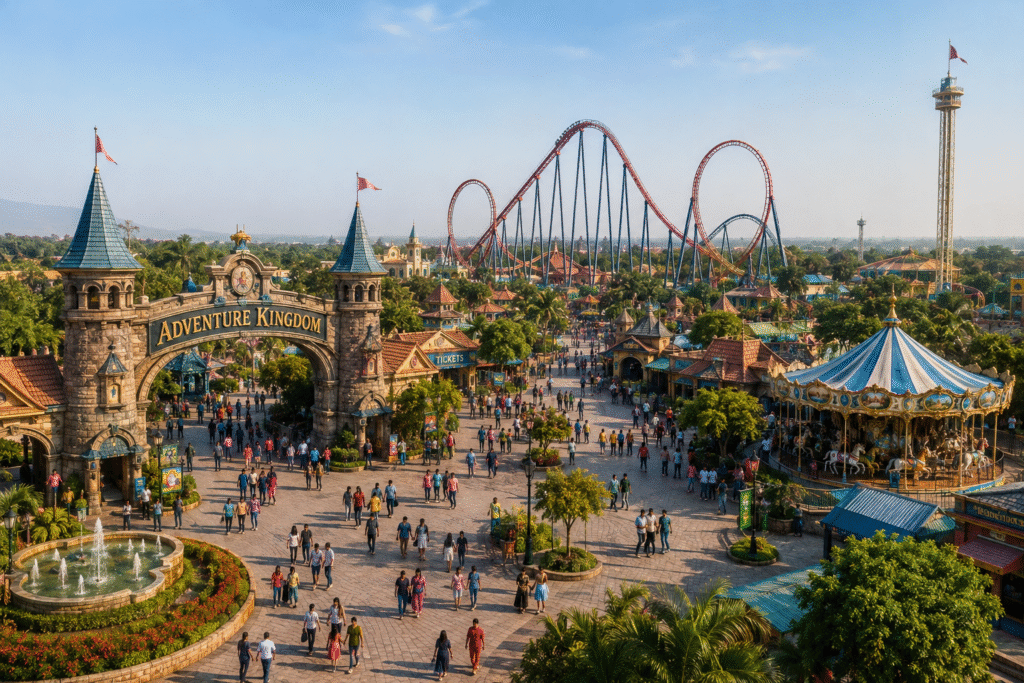
India’s entertainment industry is growing rapidly, driven by rising tourism, higher disposable incomes, and increasing demand for unique leisure experiences. From Family Entertainment Centers (FECs) and Adventure Parks to Water Parks and large-scale Theme Parks, investors are exploring opportunities to create exciting destinations for visitors of all ages.
One of the first questions every investor asks is: How much does it cost to build a theme park in India? The answer depends on several factors, including the size of the park, its location, the type of attractions, infrastructure requirements, and the overall visitor experience. Every project is unique, making proper planning and cost estimation essential for long-term success.
Understanding Theme Park Construction Cost in India
The cost of building a theme park in India varies according to the project’s scale and complexity. A small indoor entertainment center inside a shopping mall requires a much lower investment than a large outdoor amusement park with roller coasters, water rides, themed zones, restaurants, retail outlets, and entertainment facilities.
Small projects such as Family Entertainment Centers (FECs) or Adventure Parks usually require an investment starting from a few crores. Medium-sized amusement parks need a higher budget because they include more attractions and supporting infrastructure. Large destination theme parks, especially those combined with hotels or resorts, may require investments worth hundreds of crores. A professional feasibility study and detailed cost estimation provide the most accurate picture of the investment required.
Key Factors That Affect Theme Park Development Cost
Land and Location
Land is one of the largest expenses in any theme park project. Properties near major cities or tourist destinations generally cost more but also offer greater business potential. Selecting the right location improves accessibility, attracts more visitors, and supports long-term growth.
Theme Park Design
A successful theme park is much more than a collection of rides. A well-planned design combines attractions, pathways, landscaping, restaurants, and entertainment areas to create an enjoyable visitor experience. An attractive layout encourages visitors to spend more time inside the park, increasing revenue opportunities.
Master Planning
Master planning ensures the entire project is organized efficiently. It defines attraction zones, visitor movement, utilities, parking, and space for future expansion. Proper planning helps control construction costs by reducing unnecessary design changes during development.
Attractions and Rides
The type and number of attractions significantly affect the overall budget. Roller coasters, water rides, family rides, children’s play areas, and interactive experiences all have different construction and installation costs. Every attraction must also meet engineering and safety standards to ensure reliable operation.
Infrastructure and Engineering
A successful theme park depends on quality infrastructure as much as exciting attractions. Roads, internal pathways, parking, electrical systems, water supply, drainage, lighting, security, and public facilities all contribute to smooth operations and visitor comfort.
Professional engineering ensures structural safety, efficient utility systems, and lower maintenance costs over time. Investing in quality infrastructure during construction helps avoid expensive repairs and operational issues in the future.
Landscaping also plays an important role by creating visually appealing surroundings through gardens, shaded walkways, water features, and themed architecture that enhance the overall visitor experience.
Why Planning Matters
Strategic planning helps reduce unnecessary expenses while improving profitability. Before construction begins, developers should conduct a detailed feasibility study to evaluate market demand, target audience, tourism potential, competition, investment requirements, revenue opportunities, and possible risks.
This analysis provides a clear understanding of the project’s financial viability and helps investors make informed business decisions.
Developing a Strong Business Plan
A successful theme park business plan includes much more than construction costs. It defines the project’s vision, identifies target customers, estimates operating expenses, and outlines revenue opportunities through ticket sales, food and beverage outlets, retail stores, events, parking, and hospitality services.
Accurate budgeting helps investors understand both the required investment and the expected long-term returns.
Choosing the Right Theme Park Consultant
Developing a commercial entertainment project requires expertise in planning, design, engineering, construction, and operations. An experienced theme park consultant can manage every stage of the project, helping reduce delays, improve quality, and control costs.
Many investors also choose turnkey development solutions, where a single team handles concept development, master planning, architecture, engineering, ride installation, construction, testing, and final project delivery. This approach simplifies project management and improves coordination throughout the project.
Why Theme Park Investment in India Is Growing
India’s growing tourism industry and increasing demand for family entertainment continue to drive investment in theme parks. Modern parks generate revenue from ticket sales, restaurants, retail outlets, events, branded merchandise, parking, and hospitality services.
Whether developing an indoor entertainment center, adventure park, water park, or a large outdoor theme park, long-term success depends on careful planning, quality design, and efficient execution.
Partner with Peach Prime Consultancy
Peach Prime Consultancy provides complete theme park development solutions for investors, developers, and organizations across India. Our services include feasibility studies, master planning, architecture, engineering, project management, cost estimation, and construction support.
Whether you’re planning a Family Entertainment Center, Water Park, Adventure Park, or a large-scale Theme Park, our experienced team helps transform your vision into a successful and profitable entertainment destination.
Conclusion
The cost of building a theme park in India depends on your project’s size, location, attractions, infrastructure, and business objectives. While every project has different investment requirements, strategic planning and professional guidance are essential to controlling costs and maximizing returns.
Working with an experienced consultancy like Peach Prime Consultancy ensures your project is carefully planned, efficiently executed, and positioned for long-term success in India’s growing entertainment industry.