
The global entertainment market is shifting toward attractions that offer more than rides or simple leisure. Visitors now want to enter worlds, follow stories, meet characters, solve quests, and create memories inside environments that feel real. This change has created strong demand for fantasy and mythology immersive centers.
From magical kingdoms and dragon realms to ancient gods, heroic warriors, and lost civilizations, fantasy themed destinations are becoming high value attractions in tourism zones, malls, mixed use developments, and leisure districts.
For investors and developers, these projects offer something highly attractive: timeless storytelling combined with diversified revenue opportunities. Unlike trend driven attractions that fade quickly, mythology based concepts are built on narratives that have survived for centuries.
When planned correctly, a fantasy immersive center can become a destination asset with long term commercial value.
Why Fantasy Based Attractions Perform So Strongly
Fantasy is one of the most powerful entertainment categories because it crosses age groups, cultures, and languages.
Children love magical creatures and adventure. Teenagers enjoy epic worlds and interactive challenges. Adults connect with nostalgia, storytelling depth, and cinematic production value. Tourists seek unique attractions. Corporates seek premium private event venues.
Most importantly, mythology and fantasy themes rarely feel outdated.
Stories about dragons, kingdoms, gods, heroes, quests, and mystical forces have global relevance. Every region has legends and folklore that can inspire compelling experiences.
That gives these attractions a longer shelf life than concepts built only around temporary trends.
Why the Business Model Is Attractive to Investors
Fantasy immersive centers can generate revenue from many sources rather than relying only on entry tickets.
Visitors often stay longer than in traditional attractions because they want to explore, photograph, dine, shop, and participate in story based activities.
This creates strong opportunities in:
Ticketed admission.
Premium quests and upgrades.
Themed retail.
Collectibles and merchandise.
Food and beverage.
Birthday packages.
Corporate events.
VIP tours.
Seasonal festivals.
Membership programs.
Longer dwell time often means higher total spend per guest.
Core Business Planning Elements
Launching a fantasy attraction requires more than decoration. It requires disciplined master planning.
1. Strong Narrative Architecture
The venue should feel like a journey, not a collection of rooms.
Guests may begin in a village, move through enchanted forests, enter a warrior citadel, and end in a royal hall or treasure chamber.
A structured story path increases immersion and guest satisfaction.
2. Scenic Fabrication and Durability
Fantasy environments must look believable while handling heavy foot traffic.
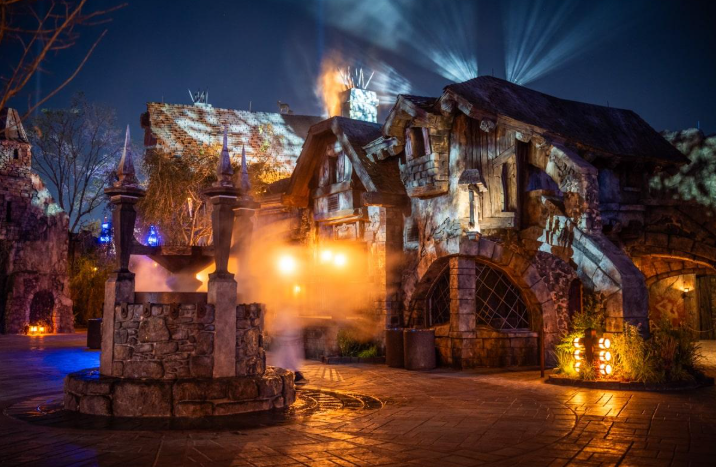
Stone walls, castle gates, caves, temples, market streets, and mystical landscapes need durable materials with premium finishes.
3. Projection Mapping and Lighting
Dynamic lighting transforms static scenery into living worlds.
Storm skies, magical portals, glowing runes, lava chambers, or celestial effects can be created efficiently through projection and light systems.
4. Animatronics and Interactive Technology
Moving dragons, talking statues, responsive doors, magical mirrors, and sensor based challenges create memorable moments.
5. Visitor Flow and Timed Entry
Strong guest flow prevents congestion and protects experience quality.
Timed entries, queue storytelling, and zone capacity planning are critical.
6. Retail and Food Integration
Shops and dining should feel like part of the world rather than separate commercial zones.
Revenue Model and Monetization Strategy
The strongest fantasy attractions build layered revenue.
Ticket Sales
General admission, timed slots, and peak pricing models.
Premium Quest Upgrades
Guests pay extra for missions, interactive devices, hidden challenges, or exclusive rooms.
Merchandise
One of the strongest categories in themed entertainment.
Popular products include:
Weapons replicas.
Character apparel.
Collectible coins.
Scrolls and maps.
Plush creatures.
Jewellery.
Books and art prints.
Food and Beverage
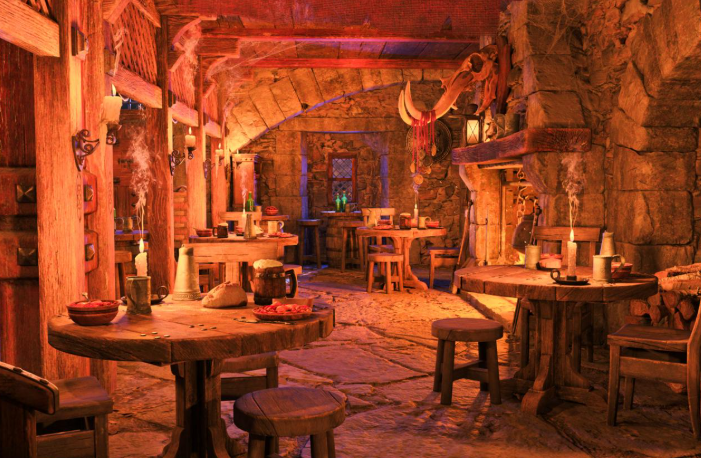
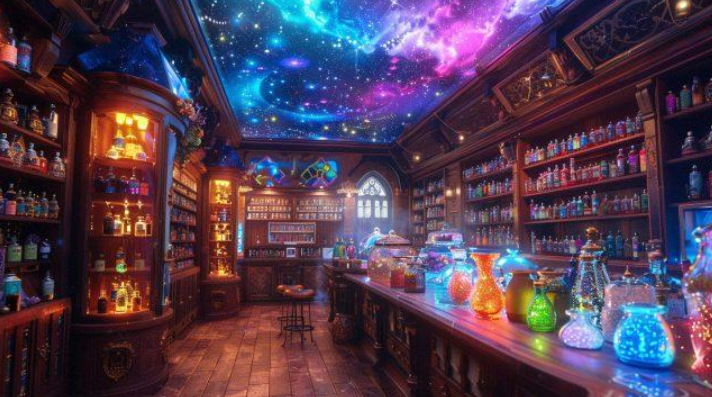
Themed taverns, royal banquets, magical desserts, potion bars, and immersive dining can significantly increase revenue.
Events and Private Bookings
Corporate nights, birthday celebrations, cosplay events, and private tours.
Seasonal Festivals
Halloween mythology nights, winter kingdom festivals, summer quest events, and limited story arcs drive repeat visitation.
Three Successful Fantasy and Mythology Projects
The Wizarding World of Harry Potter
A benchmark in world building, themed retail, and emotional storytelling. Guests feel transported into a complete fictional universe.
Epic Universe
Demonstrates how large scale master planning and zone based storytelling create premium destination value.
Efteling Theme Park
Built around folklore and fairy tales with strong multi generational appeal and long term brand loyalty.
Scaling and Expansion Strategy
Many investors do not need to launch a massive project on day one.
A phased model often reduces risk.
Phase 1
Launch a flagship realm with strong retail and food integration.
Phase 2
Add new kingdoms, myths, or adventure zones.
Phase 3
Expand into hotels, seasonal events, digital memberships, or travelling experiences.
Technology based updates can refresh storylines without rebuilding entire environments.
This helps maintain relevance while controlling capital costs.
Local Mythology Can Be a Powerful Advantage
Many markets can build unique concepts using regional legends rather than expensive global licenses.
Examples include:
Indian epics and kingdoms.
Greek mythology.
Norse legends.
Arabian fantasy worlds.
East Asian folklore.
African legends.
Celtic myths.
Local authenticity can create stronger identity and lower IP dependence.
Operational Priorities Investors Must Understand
Fantasy attractions succeed through consistency.
Key priorities include:
Daily scenic maintenance.
Costume and staff presentation.
Guest service storytelling.
Lighting reliability.
Interactive technology uptime.
Queue management.
Cleanliness.
Merchandise replenishment.
Safety systems.
Even stunning design can underperform with weak operations.
Why Strategic Feasibility Matters
Before investment, developers should answer:
What age groups drive demand?
How large should the venue be?
What price point suits the market?
How much spend can retail capture?
How often should content refresh?
Should it be mall based or destination based?
What staffing model is required?
These decisions shape ROI long before opening.
Partner with Peach Prime Consultancy
Peach Prime Consultancy supports fantasy and mythology attraction projects through concept development, thematic planning, feasibility analysis, experience design coordination, technology integration, and commercial modeling.
If you are planning an immersive story driven destination, our team helps convert imagination into a profitable reality.
FAQs
Are fantasy immersive centers profitable?
Yes, especially when ticketing, retail, dining, and events are integrated well.
Do these attractions need licensed IP?
No. Original worlds or local mythology can also perform strongly.
What audience uses them most?
Families, young adults, tourists, schools, and private groups.
Is merchandise important?
Very important. Emotional connection to symbols and characters often drives strong retail sales.
Can small footprint concepts work?
Yes. Compact indoor models can succeed with strong storytelling and design.
How often should content be refreshed?
Seasonal overlays and new quests can keep the attraction fresh.
Are mall locations suitable?
Yes. Many fantasy concepts can work well in malls and mixed use projects.
What is the biggest investor mistake?
Focusing on scenery while ignoring operations and monetization.
Can dining become a major revenue source?
Absolutely. Themed food experiences can significantly increase spend per guest.
Why use specialist consultants?
Because story design, guest flow, technology, and ROI must work together.
Final Thought
Fantasy and mythology attractions offer something many entertainment concepts cannot: timeless emotional power.
When combined with strong business planning, they become more than themed spaces. They become repeatable destination assets that attract visitors across generations.
For developers seeking the next memorable entertainment category, the opportunity is real.