
Why Motion Simulator Parks Are Emerging as High-Growth Experiential Attractions
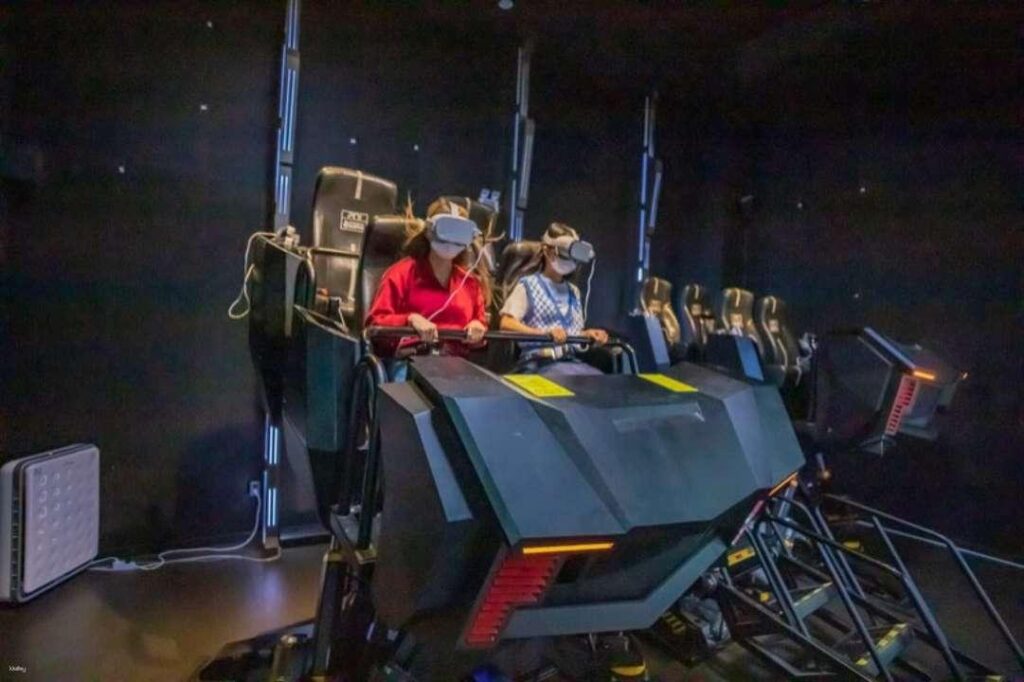
Motion simulator parks are rapidly becoming one of the most dynamic categories within experiential entertainment. Combining immersive storytelling, motion technology, virtual reality, interactive media, and sensory engagement, these attractions deliver high-impact entertainment experiences within relatively efficient footprints.
As global consumer demand shifts toward immersive and technology-enabled leisure, investors are increasingly evaluating motion simulator parks, 4D ride attractions, VR theaters, and simulator-based entertainment centers as scalable experiential assets capable of generating strong revenue density and repeat visitation.
Search demand for:
- 4D motion simulator business
- VR ride installation cost
- Immersive simulator park ROI
- Flight simulator attraction investment
- Motion ride attraction development
continues increasing globally, driven by tourism growth, mall repositioning strategies, family entertainment demand, and the expansion of immersive leisure ecosystems.
Unlike traditional amusement infrastructure requiring massive land allocation, motion simulator attractions can often be integrated efficiently within malls, mixed-use developments, tourism districts, and indoor entertainment ecosystems.
However, profitable simulator park development requires far more than purchasing ride equipment. Long-term success depends on structured capex planning, technology selection, throughput engineering, operational uptime management, and scalable financial modeling.
This guide outlines the investment framework, operational systems, and revenue strategies required to launch a commercially sustainable motion simulator park.
Why Immersive Simulator Attractions Are Growing Rapidly
Consumers increasingly seek entertainment experiences that combine:
- Immersion
- Technology
- Interactivity
- Storytelling
- Sensory engagement
- Social participation
Motion simulator attractions align strongly with these behavioral trends because they deliver cinematic-scale entertainment within compact indoor environments.
Modern simulator ecosystems combine:
- Motion platforms
- Projection mapping
- VR integration
- Interactive media
- Environmental effects
- Themed storytelling
This creates highly engaging entertainment experiences attractive across multiple demographics.
Market Demand and Industry Trends
Several macro trends are accelerating growth within the motion simulator and immersive attraction sector.
Tourism and Destination Entertainment Growth
Tourism-focused developments increasingly integrate simulator attractions because they:
- Operate year-round
- Function efficiently indoors
- Deliver high visitor throughput
- Support multi-language content
- Require relatively compact footprints
Tourism districts and destination malls frequently position simulators as anchor attractions within broader entertainment ecosystems.
Mall Repositioning and Indoor Entertainment Demand
Retail real estate developers increasingly allocate space toward immersive attractions capable of increasing:
- Dwell time
- Repeat visitation
- Social engagement
- Food and beverage spending
- Family visitation
Motion simulator attractions align particularly well with entertainment-led mall repositioning strategies.
The Rise of VR and Interactive Media
Advancements in:
- VR technology
- Real-time rendering
- Motion synchronization
- Projection systems
- Interactive media design
have significantly improved the commercial viability of immersive simulator attractions.
Technology-driven entertainment continues attracting younger digital-native audiences seeking interactive leisure experiences.
Revenue Model for Motion Simulator Parks
One of the strongest advantages of simulator-based entertainment is the ability to layer revenue streams across multiple operational channels.
Per-Ride Ticketing
Most motion simulator parks operate primarily through session-based or ride-based ticketing systems.
Revenue optimization strategies include:
- Peak-hour pricing
- VIP ride access
- Multi-ride bundles
- Dynamic pricing systems
- Family packages
High-throughput operations significantly improve revenue density.
Bundle Packages and Attraction Ecosystems
Bundled entertainment packages improve guest spending while increasing dwell time.
Popular bundle structures include:
| Bundle Type | Commercial Benefit |
| Multi-Ride Packages | Higher per-capita spend |
| Family Bundles | Group participation |
| All-Day Access Passes | Extended visitation |
| Combo F&B Packages | Ancillary revenue growth |
| Premium Experience Packages | Upselling opportunities |
Integrated entertainment ecosystems generally outperform standalone ride operations.
Premium VR Missions and Interactive Experiences
Premium interactive content provides additional monetization opportunities.
Examples include:
- Multiplayer VR missions
- Competitive simulation experiences
- Story-driven interactive rides
- Seasonal content overlays
- Limited-edition missions
Content refresh cycles improve repeat visitation and long-term engagement.
Franchise IP Integration
Intellectual property integration significantly increases attraction visibility and pricing power.
Popular IP partnerships may include:
- Film franchises
- Automotive brands
- Gaming partnerships
- Adventure storytelling concepts
- Tourism-themed experiences
IP-driven attractions often command higher attendance and stronger marketing visibility.
Corporate Bookings and Group Experiences
Corporate events provide valuable weekday monetization opportunities.
Simulator parks increasingly host:
- Team-building events
- Product launches
- Corporate entertainment nights
- Brand activations
- VIP hospitality experiences
Group bookings improve operational utilization during non-peak consumer periods.
Technology and Capex Planning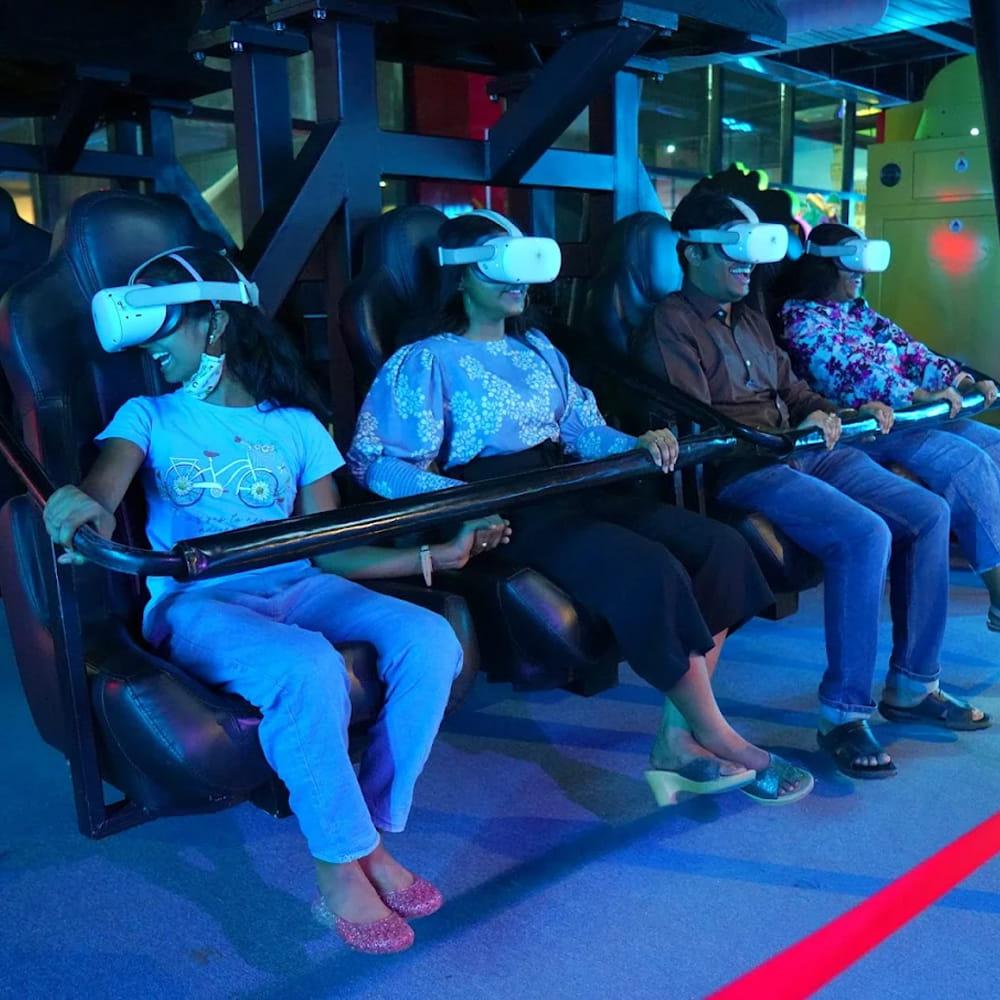
Technology infrastructure is the operational core of any simulator-based attraction.
Improper technology selection or under-budgeting significantly increases long-term operational risk.
6DOF Hydraulic Motion Systems
Six Degrees of Freedom (6DOF) hydraulic or electric motion systems are among the most common technologies used within advanced motion simulator attractions.
These systems provide synchronized movement across:
- Pitch
- Roll
- Yaw
- Surge
- Heave
- Sway
Ride realism and guest immersion depend heavily on motion synchronization quality.
VR Headsets and Immersive Visual Systems
Modern simulator attractions increasingly integrate VR systems to improve immersion and reduce physical set dependency.
Technology planning should evaluate:
- Headset durability
- Resolution quality
- Hygiene management
- Software compatibility
- Content scalability
VR systems must align with operational throughput and maintenance realities.
Projection Domes and Visual Environments
Large-format projection systems remain highly effective for group-based simulator experiences.
Projection planning considerations include:
- Dome geometry
- Visual brightness
- Projection blending
- Resolution consistency
- Media server integration
Visual quality directly impacts perceived ride value.
Vibration Platforms and Environmental Effects
Sensory enhancement systems improve immersion significantly.
Popular integrations include:
- Wind effects
- Vibration systems
- Scent systems
- Water effects
- Environmental lighting
Multi-sensory integration strengthens guest engagement and differentiates attractions competitively.
Synchronized Show Control Software
Advanced show control systems coordinate:
- Motion synchronization
- Visual playback
- Environmental effects
- Lighting systems
- Audio timing
Operational reliability depends heavily on software stability and redundancy planning.
Why Redundancy Planning Is Critical
Simulator attractions are highly technology-dependent.
System failures can create:
- Ride downtime
- Revenue loss
- Guest dissatisfaction
- Operational disruption
Redundancy planning should include:
- Backup systems
- Spare components
- Vendor support agreements
- Preventive maintenance schedules
- Software recovery protocols
Technology uptime directly influences profitability.
Layout Planning and Throughput Engineering
Simulator parks must balance immersion quality with operational efficiency.
Poor throughput planning reduces revenue-per-hour performance significantly.
Queue Design and Guest Flow
Effective queue systems improve:
- Guest comfort
- Capacity management
- Ride pacing
- Perceived wait times
Queue environments increasingly integrate pre-show storytelling and interactive media to enhance visitor engagement.
Spectator and Lounge Integration
Many simulator parks now include:
- Viewing lounges
- Social seating
- Food and beverage zones
- Retail integration
- Event spaces
Supporting hospitality environments improve dwell time and ancillary spending.
Maximizing Revenue Per Available Hour (RevPAH)
Revenue Per Available Hour (RevPAH) is one of the most important operational metrics within simulator attractions.
Operational strategies improving RevPAH include:
- Fast ride turnover
- Timed ticketing
- Dynamic pricing
- Efficient boarding systems
- Multi-theater operations
- Group booking integration
High-throughput efficiency significantly improves ROI performance.
Successful Global Motion Simulator Models
01 — FlyOver Canada
Vancouver, Canada
FlyOver Canada demonstrates the commercial strength of immersive flying theater attractions integrated with tourism storytelling.
Its success is driven by:
- Strong thematic content
- Large-format immersive visuals
- Tourism integration
- High operational throughput
The attraction highlights how simulator technology can become a destination-level tourism experience.
02 — Ferrari World Simulators
Abu Dhabi, UAE
Ferrari World’s simulator attractions illustrate the power of intellectual property integration within immersive entertainment ecosystems.
The project combines:
- Brand-driven storytelling
- Advanced simulator technology
- High thematic quality
- Tourism positioning
Its success demonstrates how simulator attractions can enhance destination entertainment infrastructure.
03 — Universal Studios Motion Rides
USA
Universal Studios remains one of the global benchmarks in motion-based immersive ride design.
Its attractions demonstrate the importance of:
- Story integration
- Motion synchronization
- Operational reliability
- Scalable throughput systems
The brand highlights how immersive simulator technology can support large-scale entertainment ecosystems.
Risk Mitigation and Operational Sustainability
Long-term profitability in simulator attractions depends heavily on operational uptime and maintenance discipline.
Preventive Maintenance Contracts
Preventive maintenance systems significantly reduce downtime risk.
Critical maintenance areas include:
| Maintenance Area | Operational Importance |
| Motion Systems | Ride reliability |
| VR Hardware | Guest experience consistency |
| Projection Equipment | Visual performance |
| Show Control Systems | Synchronization stability |
| Environmental Effects | Immersion quality |
Structured maintenance planning protects long-term ROI.
Vendor Evaluation and Lifecycle Planning
Technology vendors should be evaluated based on:
- Support capabilities
- Spare parts availability
- Software update policies
- Global maintenance network
- Warranty coverage
Vendor reliability directly impacts operational sustainability.
Safety Compliance and Certification
Simulator attractions must comply with:
- Ride engineering standards
- Safety certifications
- Emergency evacuation systems
- Insurance requirements
- Operational SOP frameworks
Safety compliance significantly improves investor confidence.
Why Professional Planning Matters
Motion simulator parks involve substantial capital investment and complex technology integration.
Improper planning often results in:
- Technology incompatibility
- Throughput inefficiencies
- Underperforming revenue density
- Operational instability
- Excessive maintenance costs
Professional feasibility and technical advisory significantly reduce execution risk.
The Future of Simulator-Based Entertainment
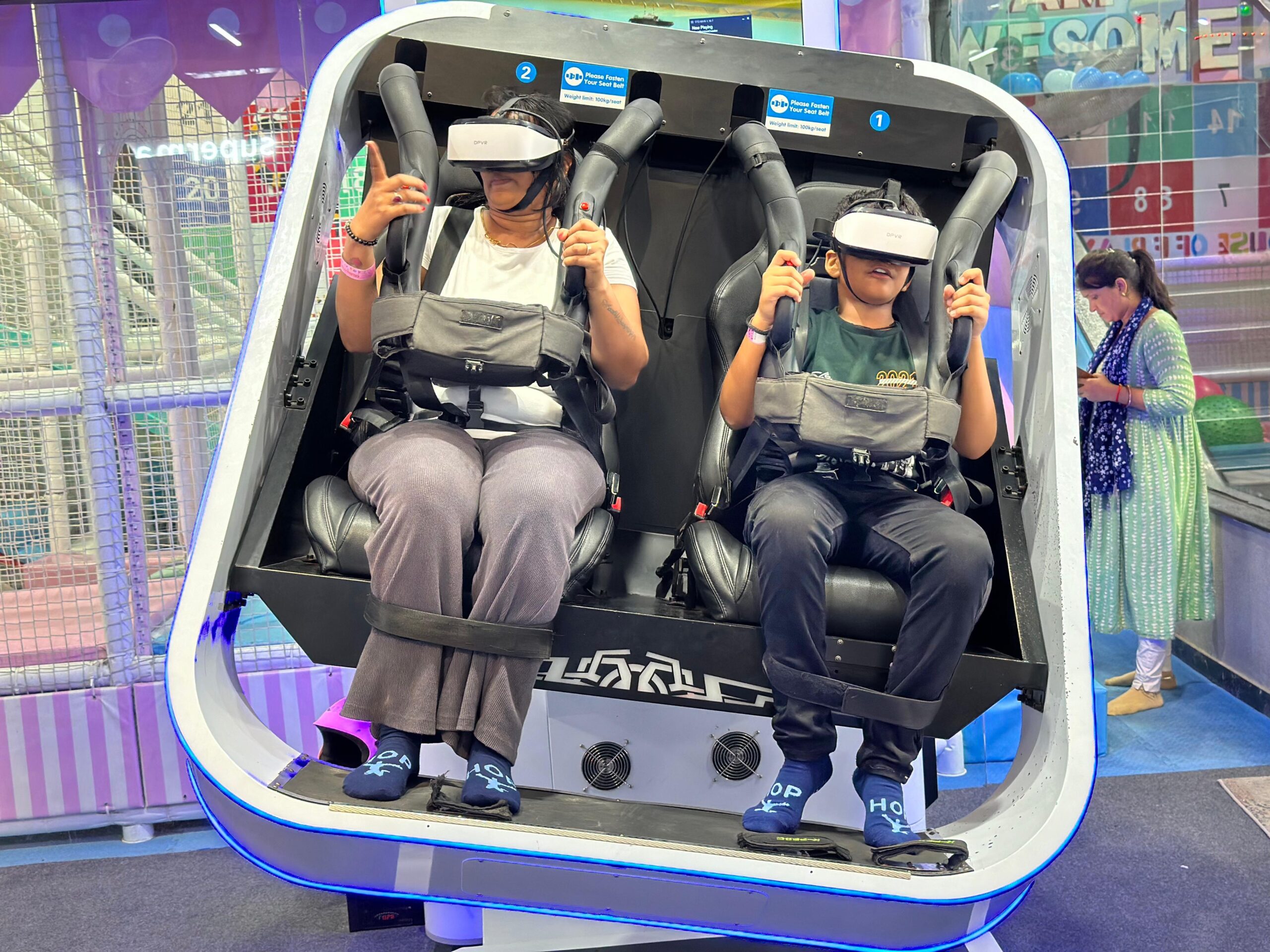
The immersive entertainment sector is expected to continue expanding rapidly as technology evolves and consumer demand for experience-led recreation increases.
Future growth areas include:
- Mixed reality attractions
- Interactive multiplayer simulators
- AI-driven personalization
- Tourism-integrated experiences
- Sports simulation ecosystems
- Hybrid VR entertainment districts
Motion simulator attractions are increasingly positioned as long-term experiential infrastructure rather than novelty-based rides.
Frequently Asked Questions
Why are motion simulator parks considered attractive investments?
They offer immersive entertainment within efficient footprints while generating strong throughput-driven revenue and diversified monetization opportunities.
What are the primary revenue streams for simulator attractions?
Revenue typically comes from ticketing, premium experiences, bundles, corporate bookings, sponsorships, and hospitality integration.
Why is technology selection important in simulator parks?
Ride reliability, guest experience quality, maintenance efficiency, and scalability depend heavily on technology infrastructure decisions.
What is RevPAH and why does it matter?
Revenue Per Available Hour measures how efficiently an attraction converts operational time into revenue generation.
Why is preventive maintenance critical?
Simulator attractions rely heavily on technology systems. Downtime directly impacts profitability and guest satisfaction.
What are common mistakes developers make?
Common mistakes include under-budgeting technology infrastructure, poor throughput planning, weak redundancy systems, and inadequate maintenance planning.
How Peach Prime Consultancy Helps
Developing a successful motion simulator park requires disciplined feasibility analysis, technology evaluation, operational planning, and financial modeling.
Peach Prime Consultancy supports investors through ride selection strategy, layout planning, vendor evaluation, safety compliance advisory, throughput optimization, and investor-ready financial modeling.
If you are evaluating investment into a motion simulator park, VR attraction center, or immersive ride ecosystem, our structured advisory approach helps improve technical precision, operational sustainability, and long-term ROI performance.
Visit www.peachprime.in to arrange a strategic consultation.