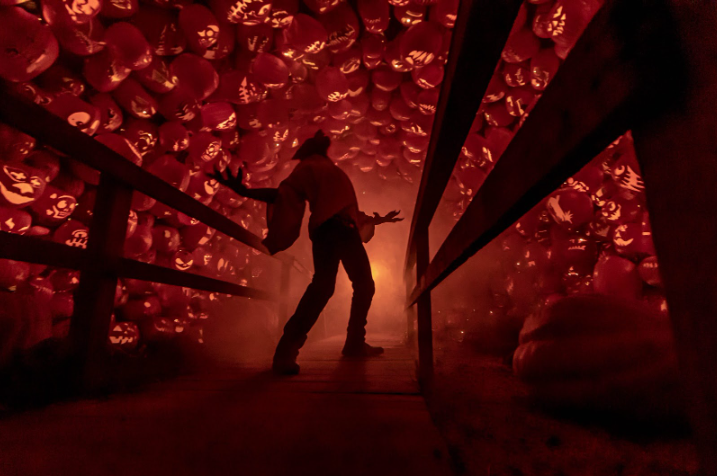
Fear is one of the oldest and most reliable drivers of entertainment spending. Horror walkthrough attractions, haunted houses, suspense mazes, and immersive scare experiences have been generating strong returns for operators who understand the format for decades. What has changed is the sophistication of the product and the breadth of the audience willing to pay for it.
If you are evaluating investment in a Horror House or Suspense Walkthrough Attraction, this guide gives you a structured framework covering capital planning, thematic development, operational strategy, and the revenue model required to build a high-margin immersive scare experience that performs year-round.
Why Horror Attractions Are a Resilient Investment Category
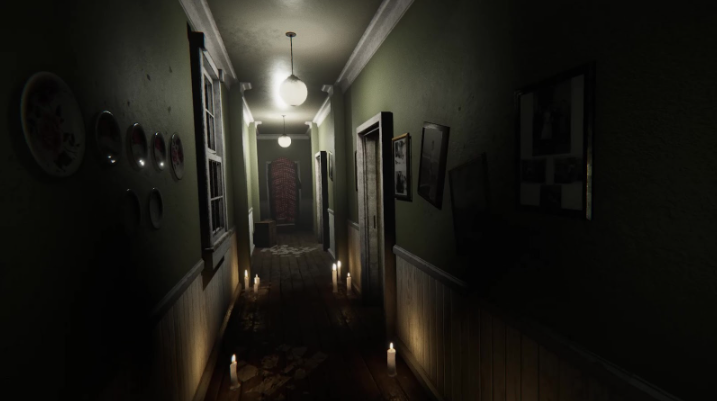
The horror entertainment market has a demand profile that most entertainment formats would envy. It is emotionally driven, socially bonding, and almost entirely impossible to replicate at home regardless of how sophisticated a consumer’s entertainment setup is. Watching a horror film alone on a sofa is a fundamentally different experience from walking through a pitch-dark corridor not knowing what is around the next corner. That irreplicability is the commercial foundation of the entire category.
Search interest in terms like haunted house business cost, horror maze investment, year-round horror attraction, immersive scare experience design, and walkthrough attraction ROI reflects a growing audience of investors and developers who have observed the category’s performance and are actively researching entry points. The demand is real, the market is growing, and the barriers to home replication remain absolute.
The audience is broader than many investors initially assume. Core horror fans are loyal, high-frequency visitors who travel specifically for premium scare experiences. Friend groups seeking shared social experiences represent the largest single booking category. Corporate team-building and after-work entertainment events are a growing segment, particularly for venues that can offer private group access. Seasonal Halloween demand creates revenue spikes that fund off-season operational costs. A well-positioned horror attraction serves all of these segments from the same physical asset.
Capital Planning and Design Infrastructure
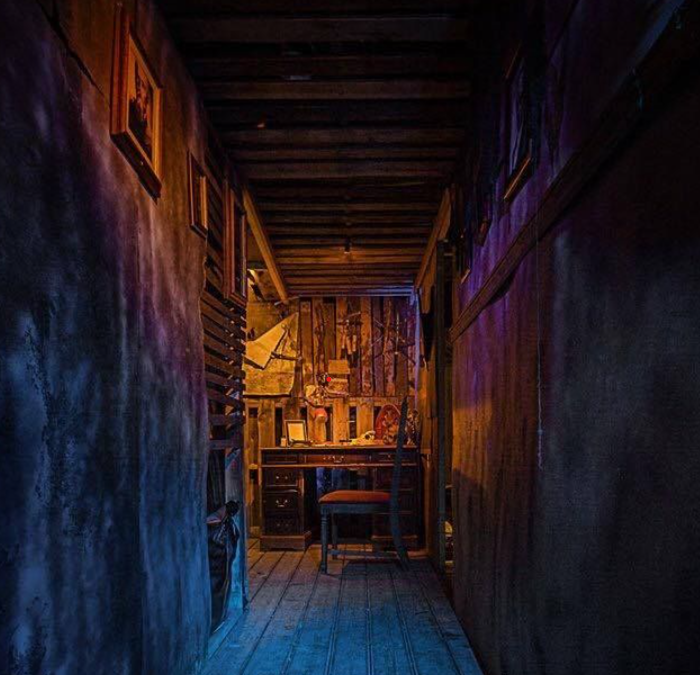
Horror walkthrough attractions require investment across two distinct categories: physical construction and experiential technology. Getting the balance right between these two determines the quality ceiling of your guest experience and the sustainability of your maintenance costs.
Scenic Fabrication is the physical foundation of the attraction. Walls, corridors, themed rooms, structural elements, and surface treatments create the environment that everything else is built within. The quality and durability of your scenic fabrication directly affects both guest experience and long-term maintenance costs. Commercial-grade materials specified for high-traffic, high-contact environments last significantly longer than theatrical or residential equivalents. Guests in a fear state touch walls, recoil from surfaces, and move through spaces in ways that test structural integrity far more aggressively than normal foot traffic. Specify for operational durability from the beginning.
Animatronics deliver the automated scare moments that operate consistently without actor fatigue. High-quality animatronic elements, pneumatically or electronically actuated, create reliable startles at key narrative moments throughout the walkthrough. Animatronic procurement decisions need to balance upfront cost against operational reliability and maintenance accessibility. Complex custom-built pieces create unique scare moments but carry higher maintenance risk than proven off-the-shelf commercial units. A hybrid approach, using proven commercial animatronics for high-frequency scare moments and custom fabrication for signature set pieces, typically delivers the best balance of impact and operational reliability.
Projection Mapping elevates the visual storytelling capability of the attraction beyond what static scenic fabrication alone can achieve. Projected environments that transform room surfaces, create the illusion of moving creatures or collapsing structures, and deliver narrative content dynamically allow a single physical space to deliver multiple distinct experiences at different times. This is particularly valuable for seasonal content updates and the modular refresh strategy that protects long-term ROI.
Controlled Lighting is one of the most powerful and cost-effective tools in the horror attraction designer’s repertoire. The absence of light, deployed strategically, is more frightening than most fabricated elements. Lighting design that controls exactly what guests can see and when, that creates disorientation through sudden darkness and equally sudden revelation, and that uses colour and intensity to signal emotional states throughout the narrative, requires careful programming and DMX control infrastructure. The investment in a sophisticated lighting control system pays returns in guest experience quality across every operating day.
Sound Design in a horror attraction operates at a neurological level. Low-frequency bass vibrations that guests feel physically, spatial audio that creates the impression of something moving behind them, and a precisely timed sound design score that builds and releases tension in synchronisation with physical scare moments all contribute to an immersive experience that transcends what visuals alone can deliver. Custom sound design for each zone of your attraction, rather than generic horror sound libraries played at volume, is the difference between a professional product and an amateur one.
Scent Effects are the sensory layer that most operators underinvest in and most guests remember most viscerally. The smell of damp earth, decay, smoke, or specific environmental materials triggers emotional responses at a subconscious level that no visual element can replicate. Scent diffusion systems integrated into your ventilation infrastructure, programmed to match the thematic environment of each zone, create a full-sensory immersion that guests describe in reviews and to friends with disproportionate emphasis relative to the cost of the technology.
Actor Choreography Planning is the human performance layer that no technology can fully replace in a premium horror attraction. Trained scare actors operating within clearly defined choreography frameworks deliver the unpredictable, responsive, human elements of the experience that create genuine fear rather than mere startlement. Actor briefing protocols, zone assignment structures, safe word and guest distress response procedures, and performance stamina management across multi-session operating days all need to be formalised before you open. An actor who improvises dangerously or responds poorly to guest distress creates liability risk and reputational damage. A trained actor operating within a professional performance framework is your highest-value guest experience asset.
Revenue Streams and Financial Modelling
A professionally operated Horror Walkthrough Attraction generates revenue across multiple channels that compound across both peak and off-peak periods.
Timed Entry Ticketing is your baseline revenue structure. Controlling guest entry timing through timed ticketing prevents the corridor congestion that destroys the scare experience and allows you to manage the actor-to-guest ratio that determines experience quality. Timed entry also enables advance booking, which provides revenue visibility and reduces the walk-up dependency that creates unpredictable daily cash flow.
Premium Fast-Track Passes capture a high-willingness-to-pay segment without adding operational complexity. Guests who book in advance and want guaranteed entry at a specific time will pay a meaningful premium over standard ticketing for that certainty. Fast-track passes also improve your booking revenue predictability because they are typically purchased further in advance than standard tickets.
Seasonal Halloween Surcharges are the single most significant revenue event in the horror attraction calendar. Halloween demand for quality scare experiences is intense and relatively price-insensitive. Operators who have built a strong reputation year-round command premium Halloween pricing that significantly exceeds standard ticket rates. The operational intensity of Halloween season, which often requires extended operating hours, increased actor numbers, and additional maintenance cycles, is fully justified by the revenue premium it generates.
Group and Corporate Bookings represent operationally efficient, high-value revenue. Private group access outside standard operating hours, with dedicated actor performance and customised scare intensity levels, commands rates that are multiples of standard public ticketing. Corporate clients seeking genuinely memorable team entertainment events find horror attractions compelling precisely because the shared experience of fear creates authentic social bonding that standard corporate entertainment formats do not. Developing a structured corporate package with clear group pricing, private access options, and optional post-experience F&B integration simplifies the buying decision and drives conversion.
Merchandise and Themed Food and Beverage extend revenue per visit in a format where guest emotional engagement creates strong purchase intent. Merchandise tied to the specific characters, narrative, and visual identity of your attraction carries significantly higher perceived value than generic horror merchandise. Themed food and beverage concepts that extend the horror narrative into the post-experience dwell period, macabre presentation styles, thematically named items, atmospheric service environment, create an ancillary revenue stream that also deepens the overall brand experience.
Three Global Benchmarks
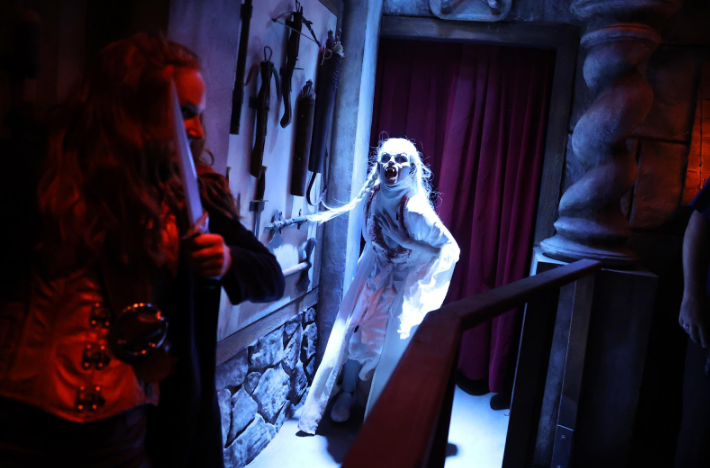
Universal Studios Halloween Horror Nights (USA) represents the highest expression of what a premium seasonal horror attraction can achieve. Their investment in IP-driven horror experiences, professional scare zone design, and multi-attraction format within a large theme park environment has created one of the most financially successful horror entertainment events in the world. For independent horror attraction investors, the most transferable lessons from Halloween Horror Nights are the value of narrative investment, the commercial power of a strong thematic identity, and the revenue compounding effect of building a reputation that guests plan and travel around.
The 13th Gate (USA) is one of the most awarded and consistently rated horror attractions in North America, operating as a standalone destination attraction rather than a seasonal event within a larger park. Their model demonstrates that a purpose-built, year-round horror attraction can sustain premium pricing and strong occupancy outside of Halloween season when the product quality justifies it. Their investment in set design, animatronics, and actor performance training creates an experience that guests describe as categorically different from standard haunted house formats, which is precisely the positioning that supports destination-level pricing.
The London Bridge Experience (UK) built a commercially successful year-round horror attraction within a heritage tourism destination, demonstrating that the horror attraction format adapts successfully to diverse physical environments and operates profitably outside of North American seasonal formats. Their model is particularly relevant for investors evaluating horror attraction concepts within mixed-use tourism or heritage destinations, where the horror format can capture incremental spending from an existing visitor base rather than generating all demand independently.
Scalability Strategy: Modular Design as Long-Term ROI Protection
The single most important scalability decision in a horror attraction investment is the modularity of your scene design.
Guests who visit a horror attraction and experience the same scenes, the same scare moments, and the same narrative on a return visit twelve months later have a diminished experience relative to their memory of the first visit. The fear response, crucially, is partly a function of not knowing what comes next. Familiarity is the enemy of fear, and familiarity is the enemy of repeat visitation revenue.
Modular scene design, where individual zones of the attraction can be rebuilt, rethemed, or resequenced without structural demolition of the entire walkthrough, allows you to update meaningful portions of the experience on an annual or seasonal basis. New narrative themes, new scare sequences, new animatronic elements introduced into refreshed zones, and seasonal content variations keep the experience genuinely novel for returning guests and give your marketing team real news to communicate.
The capital efficiency of modular refresh, compared to full attraction rebuilds, is significant. An attraction that can update thirty to forty percent of its content annually through modular scene replacement, while retaining the structural infrastructure and high-capital elements that remain effective, amortises its fit-out investment over a much longer useful life than one that requires periodic full rebuilds to remain commercially competitive.
This is not merely a cost management strategy. It is the operational mechanism that sustains repeat visitation, maintains your reputation for freshness in the market, and protects the long-term asset value of your investment.
How Peach Prime Consultancy Supports Investors
Developing a successful horror walkthrough attraction requires integrating thematic creativity with commercial rigour in a way that most pure creative teams and most pure investment advisors cannot achieve independently. The concept needs to be genuinely frightening. The operations need to be genuinely profitable. Getting both right simultaneously is the challenge that defines the difference between attractions that become destination venues and ones that close after two seasons.
Peach Prime provides concept development, thematic master planning, scare sequencing design, and financial modelling for horror and immersive attraction investors. Our approach ensures that the creative vision is structured around a commercial framework from the beginning, not retrofitted into one after the investment has been made.
We work with investors from initial concept evaluation through to attraction launch and operational optimisation, supporting every stage of the development process with both creative and financial expertise.
Contact Peach Prime today to begin your horror attraction concept and feasibility assessment.
Peach Prime is a specialist consultancy helping investors and operators build and scale immersive entertainment venues across emerging markets. Visit peachprime.in to learn more.