Why Competitive Fitness Entertainment Is Becoming a High-Growth Investment Category
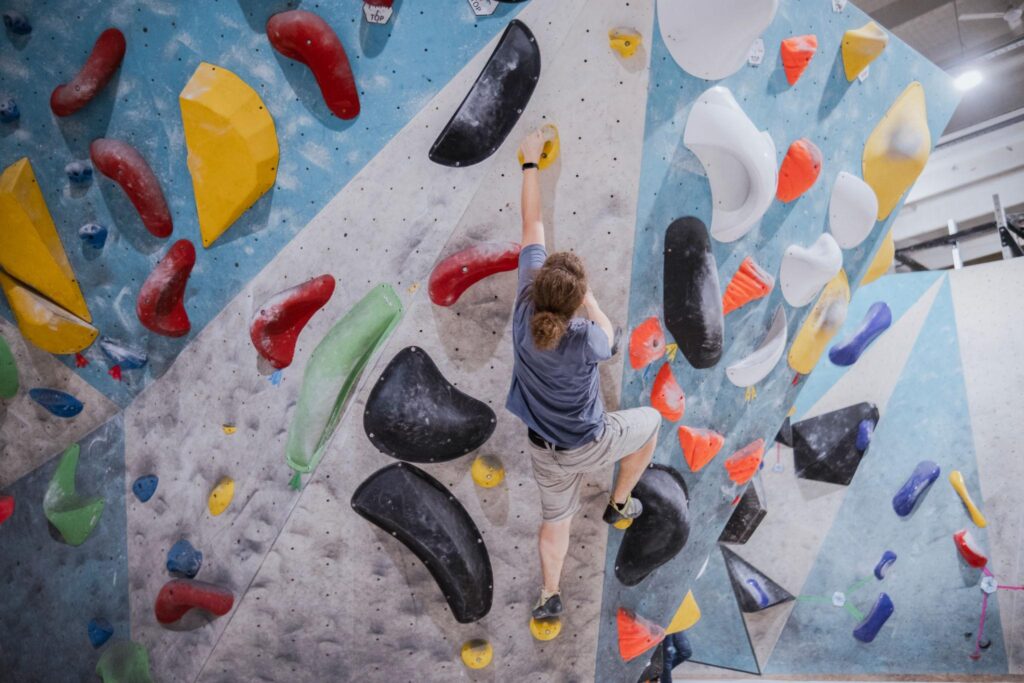
The global experiential fitness and active entertainment sector is evolving rapidly as consumers increasingly seek immersive, socially engaging, and physically interactive recreation experiences. Ninja warrior arenas and climbing facilities are emerging as one of the fastest-growing categories within this space, combining fitness, entertainment, gamification, and community engagement into scalable operational businesses. Unlike traditional gyms that primarily depend on passive membership retention, competitive fitness entertainment centers generate engagement through challenge-based participation, skill progression, event programming, and repeat social visitation. This evolution has created strong demand across multiple consumer segments including:- Gen Z audiences
- Families
- Corporate wellness groups
- Youth sports communities
- Fitness enthusiasts
- School partnerships
- Social recreation audiences
The Rise of Competitive Fitness Entertainment
Consumer behavior within the recreation and wellness industry is shifting toward active participation experiences that combine:- Physical challenge
- Social interaction
- Competitive engagement
- Lifestyle identity
- Community participation
- Gamified progression
- Ninja warrior facilities
- Indoor climbing gyms
- Adventure fitness parks
- Obstacle-based recreation
- Hybrid active entertainment concepts
Why Repeat Engagement Matters More Than First Visits
The long-term profitability of climbing and ninja businesses depends heavily on repeat visitation. Successful venues create retention through:- Skill progression systems
- Competitive leagues
- Membership ecosystems
- Event programming
- Community-building strategies
- Youth academy development
Layout and Zoning Strategy
Layout engineering is one of the most critical operational variables in competitive fitness entertainment development. Poor spatial planning reduces throughput, weakens customer experience, and increases safety risk. Well-designed facilities maximize both operational efficiency and revenue generation.Separating Beginner, Intermediate, and Advanced Zones
One of the most important layout principles within climbing and ninja environments is skill-level separation. Facilities should establish clearly differentiated zones for:- Beginner participants
- Intermediate users
- Advanced athletes
- Children and youth programs
- Competitive training
| Zoning Benefit | Operational Impact |
| Safety Management | Reduced collision and injury risk |
| User Comfort | Better beginner confidence |
| Throughput Efficiency | Improved attraction utilization |
| Skill Progression | Stronger retention |
| Event Management | Better programming flexibility |
Maintaining Clear Spectator Sightlines
Spectator visibility significantly impacts guest engagement and social atmosphere. Parents, event participants, and corporate groups increasingly expect comfortable viewing environments within active entertainment facilities. Effective spectator planning includes:- Elevated viewing platforms
- Lounge seating zones
- Clear visual corridors
- Event viewing areas
- Integrated food and beverage spaces
Integrating Warm-Up and Recovery Areas
Professional active entertainment venues increasingly include dedicated physical preparation and recovery zones. These spaces improve:- User safety
- Athletic performance
- Training quality
- Member experience
- Corporate wellness positioning
- Stretching areas
- Mobility zones
- Warm-up stations
- Recovery lounges
- Hydration stations
Throughput Engineering and Capacity Optimization
Operational throughput directly influences profitability within ninja and climbing businesses. Facilities must balance:- Guest comfort
- Attraction utilization
- Queue management
- Session turnover
- Safety compliance
Why Session-Based Operations Improve Revenue Density
Many successful climbing and ninja venues operate through timed sessions rather than unrestricted access. Benefits include:- Better crowd management
- Increased throughput predictability
- Dynamic pricing opportunities
- Improved safety supervision
- Higher operational efficiency
Monetization Optimization
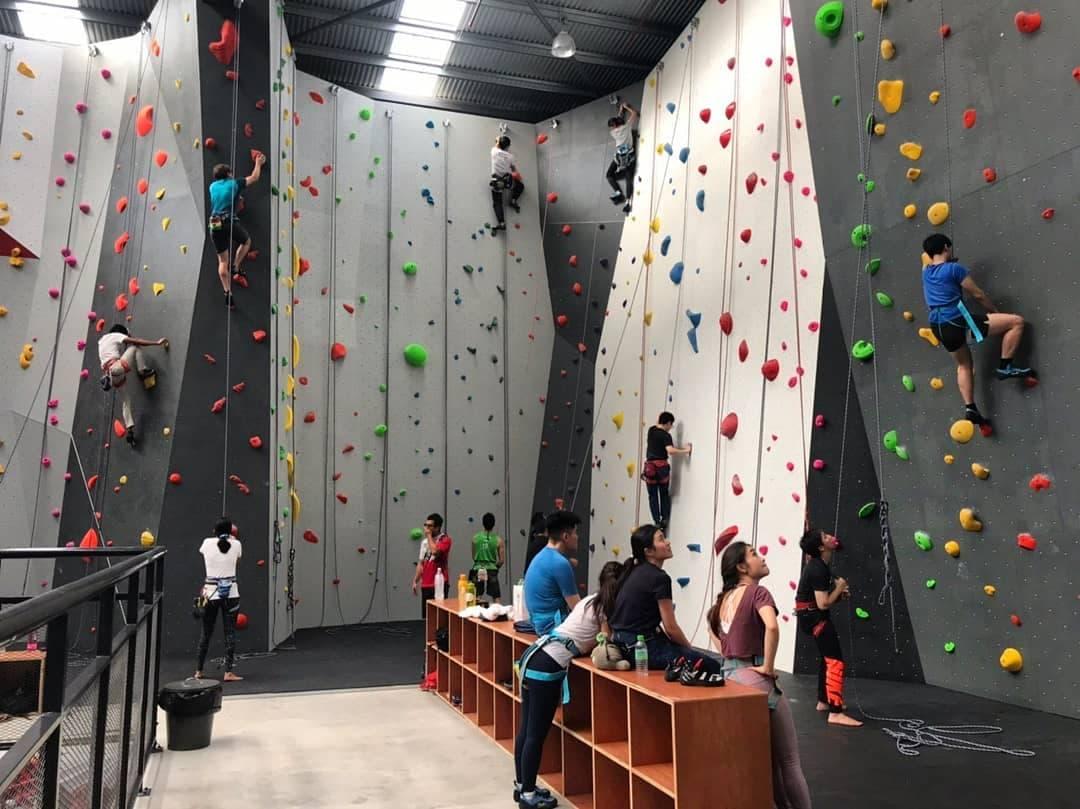 The strongest ninja and climbing businesses generate revenue through multiple monetization layers rather than relying solely on entry ticket sales.
Youth Leagues and Training Programs
Youth programming is one of the most valuable recurring revenue channels within competitive fitness entertainment. Popular offerings include:- Ninja training academies
- Climbing instruction programs
- Skill development leagues
- Athletic conditioning camps
- School partnerships
Subscription Membership Models
Membership programs significantly improve financial stability. Benefits include:- Recurring revenue
- Community building
- Predictable attendance
- Improved customer retention
- Stronger brand loyalty
National Competitions and Event Programming
Competitive events create powerful visibility and monetization opportunities. Events may include:- Regional tournaments
- National competitions
- Corporate challenges
- Youth championships
- Sponsored obstacle events
Corporate Fitness Partnerships
Corporate wellness programs are becoming increasingly important revenue drivers. Climbing and ninja facilities align strongly with:- Team-building programs
- Corporate wellness initiatives
- Leadership development events
- Group recreation activities
Branded Merchandise and Retail Integration
Retail integration provides valuable ancillary revenue while strengthening brand identity. Common retail categories include:- Sports apparel
- Branded accessories
- Performance equipment
- Event merchandise
- Youth training gear
Risk and Safety Management
Safety management is one of the most critical operational pillars within competitive fitness entertainment. Investors evaluate safety systems closely because liability exposure directly impacts long-term sustainability.Certified Structural Design
Professional structural engineering is essential for:- Load-bearing systems
- Dynamic movement resistance
- Climbing infrastructure
- Obstacle framework integrity
- Expansion flexibility
Insurance Alignment and Compliance
Professional operators should maintain structured insurance and compliance frameworks covering:- Public liability
- Equipment certification
- Staff training compliance
- Emergency response systems
- Incident reporting procedures
Equipment Inspection and Preventive Maintenance
Preventive maintenance systems reduce operational risk and improve equipment longevity. Critical maintenance priorities include:| Maintenance Area | Strategic Importance |
| Obstacle Inspection | User safety |
| Climbing Equipment Testing | Liability reduction |
| Flooring Assessment | Impact protection |
| Harness Systems | Operational reliability |
| Structural Monitoring | Long-term integrity |
SOP Documentation and Operational Discipline
Standard Operating Procedures (SOPs) create consistency across all operational functions. Core SOP areas include:- Safety supervision
- Equipment handling
- Guest onboarding
- Emergency response
- Cleaning workflows
- Staff certification
- Event operations
International Benchmarks
01 — Bounce Inc X-Park
Australia
Bounce Inc X-Park demonstrates the commercial potential of hybrid active entertainment ecosystems combining ninja obstacles, freestyle movement, and social recreation. Its success is driven by:- Community engagement
- Event programming
- Youth participation
- Multi-attraction integration
02 — Basecamp Climbing Gym
Europe
Basecamp Climbing Gym represents a premium climbing-focused operational model emphasizing training quality, community culture, and long-term membership retention. The concept highlights the importance of scalable programming and customer loyalty ecosystems.03 — The Gravity Vault
USA
The Gravity Vault demonstrates the scalability of professionally operated climbing facilities through standardized operations, training systems, and community-driven programming. Its success reflects the importance of operational consistency and repeat-visit engagement strategies.Investor Takeaway: Operations Drive Long-Term Valuation
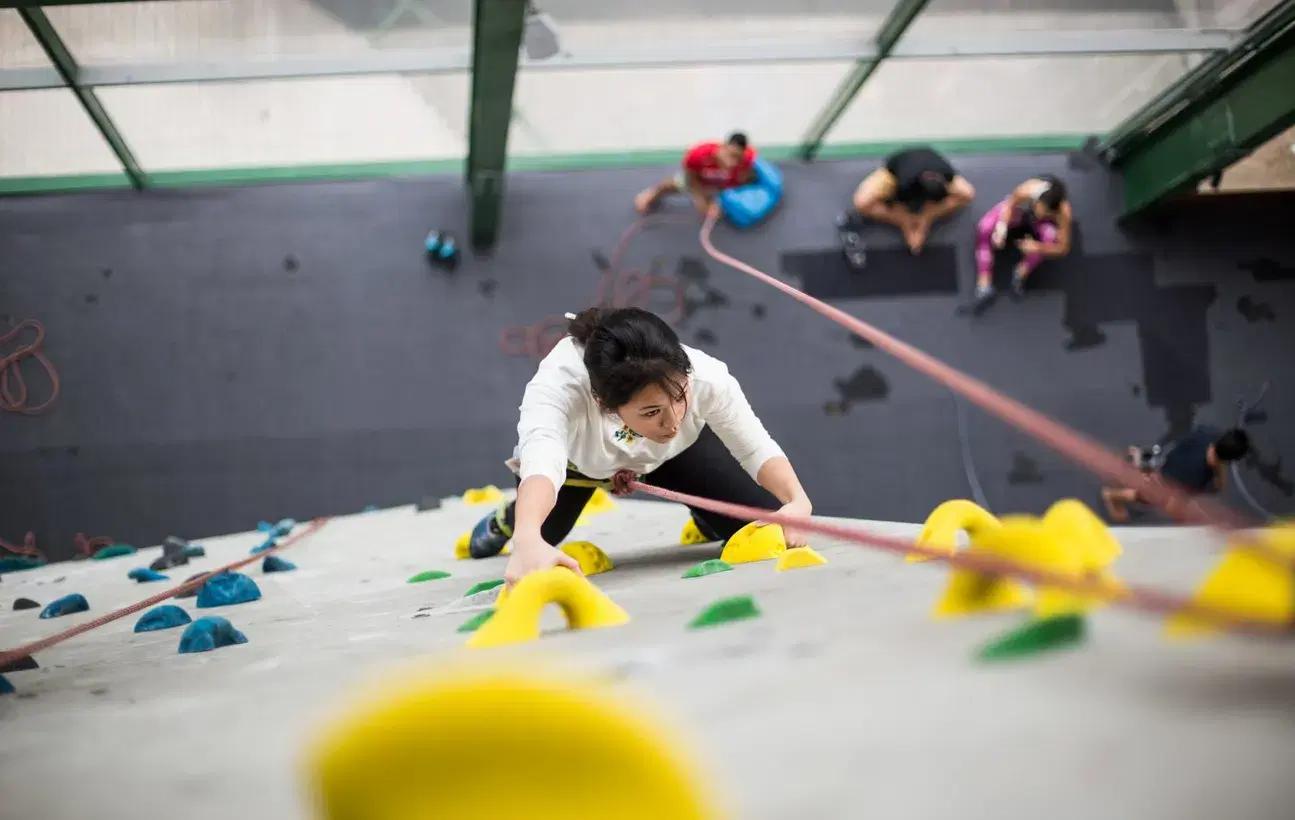 The long-term value of a ninja or climbing business is not determined solely by attraction quality or launch visibility.
Sustainable enterprise value depends on:
The long-term value of a ninja or climbing business is not determined solely by attraction quality or launch visibility.
Sustainable enterprise value depends on:
- Operational systems
- Repeat visitation
- Membership retention
- Throughput optimization
- Safety compliance
- Event programming
- Community engagement
- Scalable business infrastructure
Why Professional Planning Matters
Improper zoning, poor throughput engineering, or weak safety systems can significantly reduce operational performance and increase liability exposure. Professional planning improves:- Space utilization
- Revenue optimization
- Safety compliance
- Operational scalability
- Investor confidence
- Long-term sustainability