
Why Operational Strategy Determines Long-Term Success in Experiential Entertainment
In the experiential entertainment industry, visually impressive design and successful opening-day marketing campaigns often receive the most public attention. However, the long-term commercial success of an entertainment venue is rarely determined by launch excitement alone. Sustainable profitability is built through operational discipline, structured systems, maintenance planning, revenue optimization, and continuous performance management long after the grand opening is complete. Many entertainment projects generate strong initial attendance but struggle to maintain profitability over time due to operational inefficiencies, inconsistent guest experience delivery, poor maintenance systems, weak staffing structures, or inadequate revenue layering strategies. The reality of experiential entertainment is that opening day is only the beginning. Whether operating a Social Entertainment Center (SEC), immersive museum, Family Entertainment Center (FEC), digital sports arena, hybrid food-plus-play destination, or projection-based attraction, long-term financial sustainability depends on transforming design intent into operational excellence. The highest-performing experiential venues globally are not simply well-designed. They are engineered as operational ecosystems where staffing, technology, maintenance, guest flow, pricing systems, analytics, and monetization channels function together seamlessly. This guide explores the operational frameworks that transform experiential entertainment venues from short-term attractions into scalable, profitable, long-term entertainment businesses.Why Operational Excellence Matters More Than Initial Design
Design attracts visitors. Operations determine whether they return. A venue may launch with world-class architecture, advanced attractions, and strong marketing visibility, but poor operational systems quickly erode customer satisfaction and profitability. Operational failures typically appear through:- Long queue times
- Equipment downtime
- Inconsistent service quality
- Poor guest flow
- Weak maintenance standards
- Revenue leakage
- Staffing inefficiencies
- Declining repeat visitation
Throughput Engineering and Capacity Planning
One of the most important operational disciplines within experiential entertainment is throughput engineering. Throughput refers to the number of guests a venue can efficiently accommodate while maintaining experience quality and maximizing revenue generation.Why Throughput Drives Profitability
Entertainment venues operate within finite spatial and time constraints. Poor capacity management creates operational bottlenecks that reduce both guest satisfaction and revenue potential. Effective throughput planning increases:- Revenue per available hour
- Attraction utilization
- Guest flow efficiency
- Food and beverage conversion
- Repeat visitation
- Operational predictability
Timed Sessions and Visitor Scheduling
Timed-entry operational models have become increasingly important for immersive attractions and interactive entertainment formats. Benefits include:- Reduced congestion
- Better queue management
- Improved visitor pacing
- Enhanced guest comfort
- Higher operational predictability
- Better staffing alignment
Digital Booking Systems and Dynamic Operations
Integrated digital booking infrastructure enables operators to optimize attendance distribution throughout the day. Key operational benefits include:| Operational Tool | Strategic Benefit |
| Online Reservations | Attendance forecasting |
| Dynamic Pricing | Demand balancing |
| Visitor Batching | Queue reduction |
| Mobile Ticketing | Faster processing |
| CRM Integration | Customer retention |
| Capacity Monitoring | Operational optimization |
Understanding RevPAH: Revenue Per Available Hour
High-performing entertainment venues increasingly evaluate operational performance through Revenue Per Available Hour (RevPAH). RevPAH measures how efficiently a venue converts operational time into revenue generation. Operational strategies that improve RevPAH include:- Dynamic pricing systems
- Faster guest processing
- Improved attraction utilization
- Reduced downtime
- Better staffing allocation
- Layered monetization
- Optimized event scheduling
Revenue Layering Strategy: Building Multiple Monetization Channels
Single-source revenue models create operational vulnerability within experiential entertainment. The strongest-performing venues generate income across multiple monetization layers simultaneously.Why Layered Revenue Improves Sustainability
Layered monetization improves:- Financial resilience
- Visitor lifetime value
- Per-capita spending
- Operational scalability
- Seasonal stability
Core Revenue Layers in Experiential Entertainment
Ticketing Revenue
Ticketing remains the primary revenue driver for most attractions. Modern ticketing strategies increasingly incorporate:- Peak pricing
- VIP upgrades
- Group packages
- Multi-attraction bundles
- Timed-access tiers
- Membership integration
Food and Beverage Integration
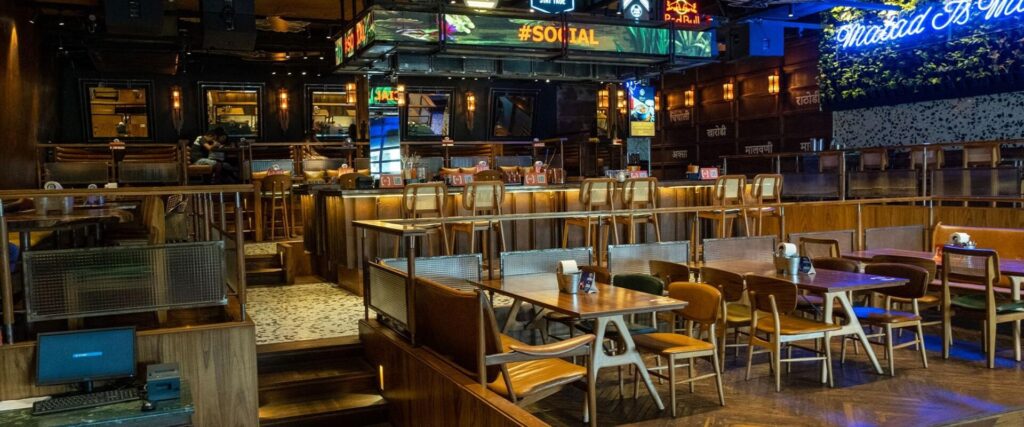
Food and beverage operations often represent one of the highest-margin revenue channels within entertainment venues. Successful F&B integration transforms dining from a support function into a destination experience. High-performing venues integrate:- Themed dining
- Cocktail programs
- Premium lounges
- Social dining zones
- Event catering
- Experience-linked menus
Membership and Loyalty Ecosystems
Membership programs generate recurring revenue while improving customer retention. Benefits include:- Predictable revenue streams
- Stronger community engagement
- Improved repeat visitation
- Customer behavior analytics
- Enhanced marketing efficiency
Corporate Events and Group Programming
Corporate bookings significantly improve venue profitability due to higher average transaction values. Experiential entertainment venues are increasingly targeting:- Team-building events
- Product launches
- Private celebrations
- Brand activations
- Networking events
Sponsorship and Brand Partnerships
Entertainment venues with strong audience visibility often generate incremental revenue through sponsorship integration. These may include:- Branded attraction zones
- Event sponsorships
- Technology partnerships
- Experiential activations
- Venue naming rights
Technology and Maintenance Discipline
Technology infrastructure is central to modern experiential entertainment operations. However, advanced technology environments require disciplined maintenance systems to remain commercially sustainable.Why Maintenance Directly Impacts Profitability
Poor maintenance leads to:- Attraction downtime
- Negative guest experiences
- Revenue loss
- Increased repair costs
- Reduced asset lifespan
- Reputation damage
Preventive Maintenance Planning
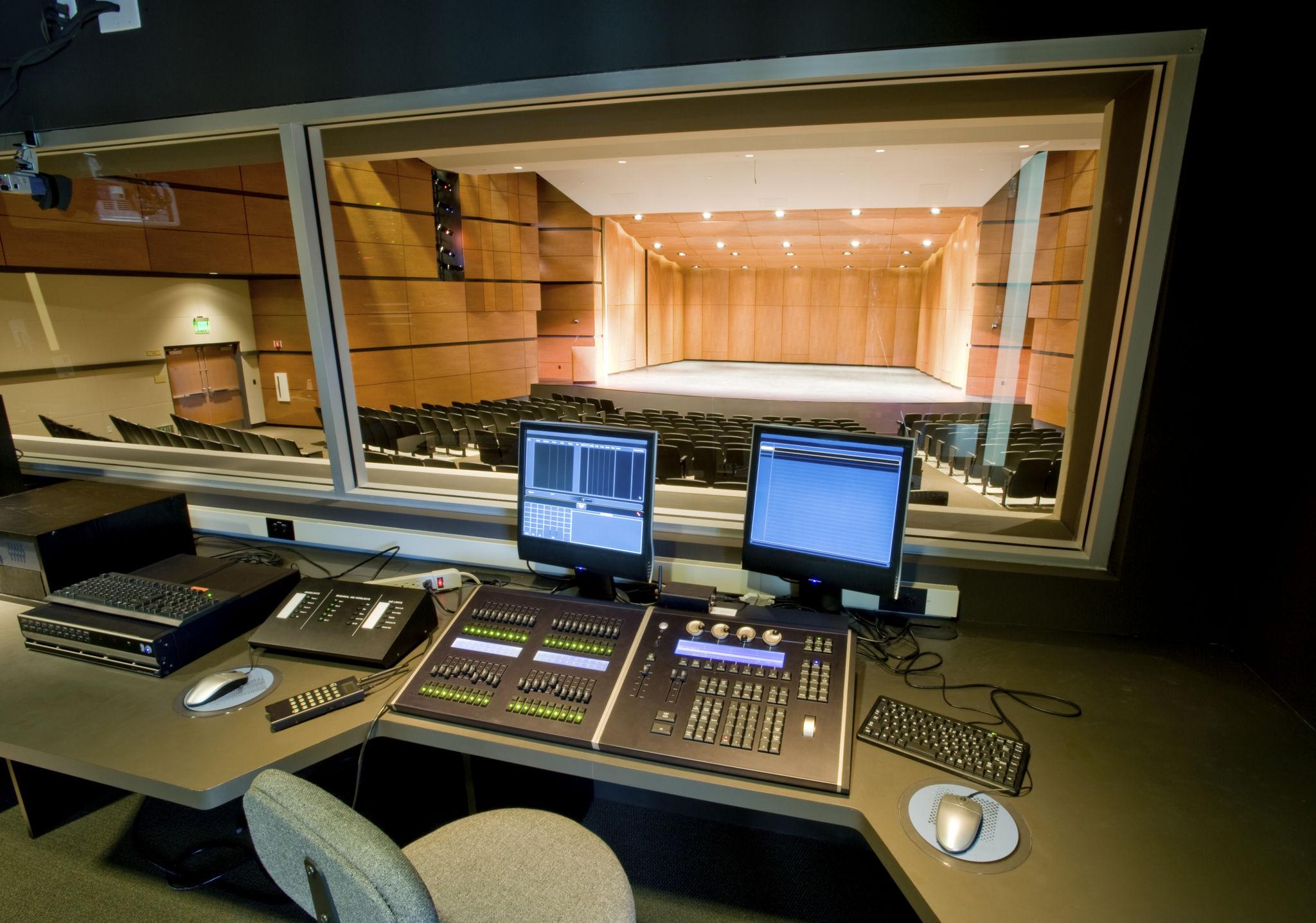 High-performing entertainment venues implement structured preventive maintenance systems rather than reactive repair strategies.
Key maintenance disciplines include:
High-performing entertainment venues implement structured preventive maintenance systems rather than reactive repair strategies.
Key maintenance disciplines include:
| Maintenance Area | Operational Importance |
| Equipment Inspection | Safety and reliability |
| Software Updates | System stability |
| Calibration Cycles | Attraction accuracy |
| HVAC Maintenance | Guest comfort |
| Lighting Systems | Experience consistency |
| AV Infrastructure | Technical performance |
Vendor Service Agreements
Technology-driven attractions often depend on specialized vendor support for ongoing performance management. Structured vendor agreements typically include:- Maintenance response timelines
- Spare parts availability
- Software support
- Calibration services
- Emergency technical assistance
Data Analytics and Operational Intelligence
Modern experiential venues increasingly rely on analytics systems to optimize operational performance continuously.Key Performance Metrics
Successful operators track:- Attendance patterns
- Dwell time
- Conversion rates
- Repeat visitation
- Queue performance
- F&B attachment rates
- Attraction utilization
- Membership retention
Global Operational Success Models
01 — Dave & Buster’s
USA
Dave & Buster’s represents one of the strongest examples of layered entertainment monetization and operational systems integration. Its success is built on:- Strong operational standardization
- Technology-enabled gaming systems
- Revenue layering strategy
- Integrated food and beverage operations
- Membership and loyalty systems
02 — Five Iron Golf
USA
Five Iron Golf highlights the operational power of membership-driven retention strategies within sports entertainment environments. Its hybrid operational model combines:- Membership ecosystems
- Simulator-based entertainment
- Hospitality integration
- Corporate event programming
03 — Museum of Ice Cream
Global
Museum of Ice Cream demonstrates the importance of seasonal refresh cycles and evolving visitor engagement strategies. The brand maintains repeat visitation through:- Updated thematic experiences
- Social-media-driven activation
- Interactive installations
- Content evolution
Why Seasonal Refresh Cycles Matter
One of the biggest operational risks within experiential entertainment is novelty fatigue. Guests who perceive the experience as static are less likely to return. Successful venues combat this through:- Seasonal overlays
- Event programming
- New attraction modules
- Thematic refreshes
- Digital content updates
- Limited-time activations
The Role of SOPs in Operational Consistency
Standard Operating Procedures (SOPs) create consistency across all operational functions. Core SOP categories include:- Guest interaction standards
- Attraction operation protocols
- Safety procedures
- Cleaning workflows
- Maintenance schedules
- Food service operations
- Emergency response systems
Why Strategic Advisory Improves Long-Term Performance
Professional advisors help align creative design ambition with operational practicality and financial sustainability. Strategic operational advisory improves:- Throughput efficiency
- Revenue optimization
- Maintenance planning
- Vendor coordination
- Operational scalability
- Financial performance monitoring
Turning Entertainment Venues Into Long-Term Assets
Experiential entertainment should not be viewed as a short-term attraction business. The strongest-performing venues operate as long-term lifestyle and social ecosystems supported by:- Operational discipline
- Technology integration
- Revenue diversification
- Staff training
- Preventive maintenance
- Experience evolution
- Data-driven optimization