Peach Prime Consultancy

Strategic Planning for an Optical Illusion Museum

A successful Optical Illusion Museum in India requires layered spatial storytelling, structured visitor circulation, and exhibit sequencing precision. Engagement depends on narrative flow, immersive intensity, and operational clarity.

Our planning approach ensures:

  • Thematic zoning strategy
  • Visitor circulation mapping
  • Exhibit sequencing for storytelling flow
  • Structural planning for perspective rooms
  • Controlled lighting environments
  • AV and projection integration coordination
  • Safety compliance and accessibility planning
  • Throughput optimization
  • Queue management strategy

When structured correctly, an Interactive Illusion Museum maintains high dwell time while ensuring smooth visitor movement.
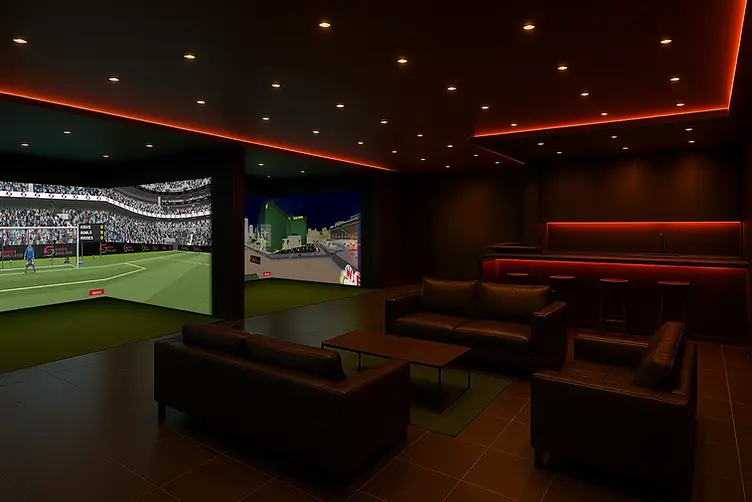
Optical Illusion Museum Interior
Optical Illusion Museum Experience

What Is an Optical Illusion Museum?

An Optical Illusion Museum, also known as an Interactive Illusion Experience Center or Instagram Museum, is an immersive attraction built around visual perception, perspective distortion, and spatial illusion.

It typically integrates:

  • Ames rooms (forced perspective chambers)
  • Upside-down rooms
  • Mirror maze environments
  • Infinity LED light rooms
  • Rotating tunnel illusions
  • 3D trick art photography zones
  • Holographic or projection-based exhibits
  • Perception science demonstrations

Unlike conventional museums, Illusion Museums emphasize:

  • Visitor participation
  • Photography-driven interaction
  • Social sharing
  • Edutainment integration
  • High repeat engagement

They operate as:

  • Mall anchor attractions
  • Tourist-focused experiential destinations
  • Family engagement hubs
  • Educational entertainment venues
  • Urban lifestyle entertainment centers

The impact of an Illusion Museum lies in master planning, immersive layering, and structured exhibit flow.

Core Attraction Zones in an Illusion Museum

A professionally curated Optical Illusion Museum Design may include:

Venue Design

1. Perspective & Scale Illusions

Forced perspective rooms, size distortion spaces, and interactive optical depth chambers.

Venue Design

2. Mirror & Reflection Installations

Mirror mazes, infinite reflection corridors, and reflective spatial distortion exhibits.

Venue Design

3. Motion & Kinetic Illusion Zones

Rotating tunnel experiences and perception-shifting environments.

Venue Design

4. Immersive Light Environments

Infinity LED rooms, projection-mapped chambers, and sensory light tunnels.


The key is balancing static illusions with interactive and immersive installations to maintain engagement variety.

Designing a High-Impact Illusion Experience Center

A well-planned Optical Illusion Museum must balance immersive storytelling, structural precision, safety compliance, visitor throughput, and maintenance accessibility.

Key design standards include:

  • High-quality reflective surfaces
  • Seamless illusion detailing
  • Durable finishes for high footfall
  • Controlled lighting calibration
  • Anti-slip flooring integration
  • Emergency access planning
  • Hidden structural reinforcement
  • Social-media-optimized framing angles

Illusion Museums operating in public environments require robust construction and careful circulation planning.

Complete Scope of Optical Illusion Museum Planning Services

Peach Prime Consultancy provides:

1.
Concept development and thematic positioning
2.
Master planning and zoning strategy
3.
Exhibit curation and sequencing
4.
Structural coordination for illusion rooms
5.
AV and lighting integration strategy
6.
Visitor flow modeling
7.
Revenue structuring guidance
8.
Vendor-neutral advisory
9.
Execution-stage supervision

Each Optical Illusion Museum is structured to combine immersive design with long-term operational clarity.

Ideal Locations for Illusion Museum Development

Interactive Illusion Museums perform effectively in:

  • High-footfall shopping malls
  • Tourism districts
  • Mixed-use lifestyle developments
  • Urban entertainment hubs
  • Metro city experiential zones
  • Destination-based retail environments

Within India’s evolving experiential entertainment landscape, Optical Illusion Museums are emerging as visually iconic attractions.

Why Peach Prime Consultancy

Peach Prime Consultancy integrates experiential planning, illusion design coordination, and high-footfall attraction strategy to develop perception-driven entertainment environments.

Optical Illusion Museums developed by Peach Prime are:

FAQs

Skill-based gaming rewards measurable player performance such as speed, precision, and coordination, while redemption games often rely on chance-based outcomes.

Yes. Competitive social gaming formats generate strong repeat participation, league engagement, and corporate bookings in urban markets.

Space requirements depend on the game mix and zoning plan. Efficient layouts can be developed within mid-sized FEC environments while maintaining safe circulation.

Yes. They complement esports venues by adding physical, performance-driven gaming experiences alongside digital competitions.

Absolutely. Structured competitive formats and leaderboard-driven challenges make Skill Gaming Arenas highly effective for corporate engagement programs.

Common models include pay-per-play access, time-based entry, tournament entry fees, league memberships, birthday packages, school programs, and brand-sponsored competitions.