Blogs
The Importance of Landscape Design in Theme Parks
When people talk about theme parks, they usually think of rides, shows, and exciting attractions. But behind every memorable park is something deeper — the landscape. The trees, pathways, water bodies, gardens, textures, and natural elements shape the mood long before a visitor steps onto a ride. In theme park landscape design, nature becomes a storyteller, guiding visitors, calming them, and sometimes even surprising them.
This blog explores how landscaping becomes one of the strongest tools in creating theme parks that feel alive.
Why Landscape Design Matters More Than Most People Realize
Theme parks are not just concrete and machines. They are environments. And an environment works only when it feels natural, organized, and welcoming.
Landscaping helps:
- Set the tone for the park’s story
- Control how visitors move
- Improve comfort through shade and wind control
- Add emotional layers to themed spaces
- Reduce visual noise
- Create Instagram-worthy moments
A great landscape is not decoration. It is part of the experience.
1. First Impressions Start With the Landscape
Before visitors see a building or ride, they see the entry zone — trees, sculptures, plants, pathways, and lighting.
This first impression sets the expectation of the entire visit. A clean, well-designed entry landscape makes the park feel premium and well-managed.
Entry landscaping helps:
- Slow visitors down in a pleasant way
- Create a sense of anticipation
- Introduce the theme gently
- Offer comfortable waiting spaces
Good parks understand that the story begins the moment guests see the gate.
2. Pathways That Guide Without Pushing
A big part of theme park landscape design is visitor flow. Designers use landscaping to subtly guide people so they don’t feel forced in any direction.
Techniques include:
- Path curvature to slow movement
- Plant-lined walkways to define routes
- Open spaces that naturally split crowds
- Landmark trees or sculptures as “magnets”
Visitors feel free, but the landscape quietly leads them where they need to go.
3. Making Attractions Feel More Immersive
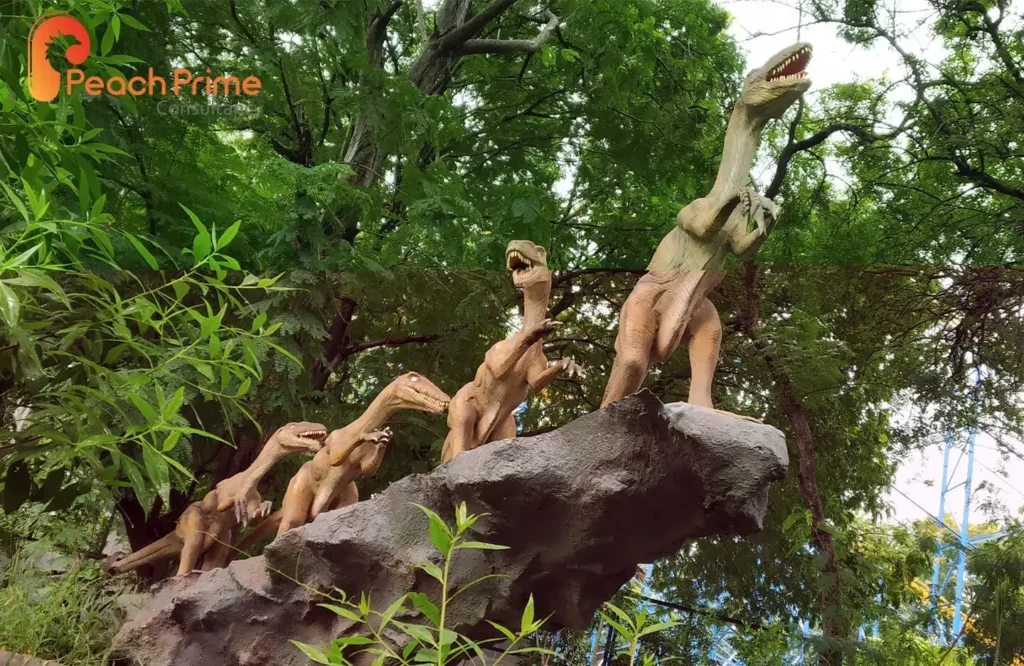
Landscaping is one of the strongest tools for immersion. Plants, rocks, terrain, and water shape the mood of a ride much more than people imagine.
Examples:
- Dense foliage for jungle or adventure zones
- Dry, textured plants for desert themes
- Colorful flowers for fantasy worlds
- Bamboo clusters for Asian themes
- Waterfalls and mist for mystery-themed attractions
When landscape supports the theme, visitors forget they are in a man-made environment.
4. Comfort: The Hidden Science of Landscaping
Landscaping can improve comfort more effectively than built structures.
It helps with:
- Shade during hot summers
- Noise reduction in crowded areas
- Cooler microclimates
- Softer surfaces for kids
- Resting areas that feel natural and peaceful
In India’s climate, landscape planning is not optional — it is essential.
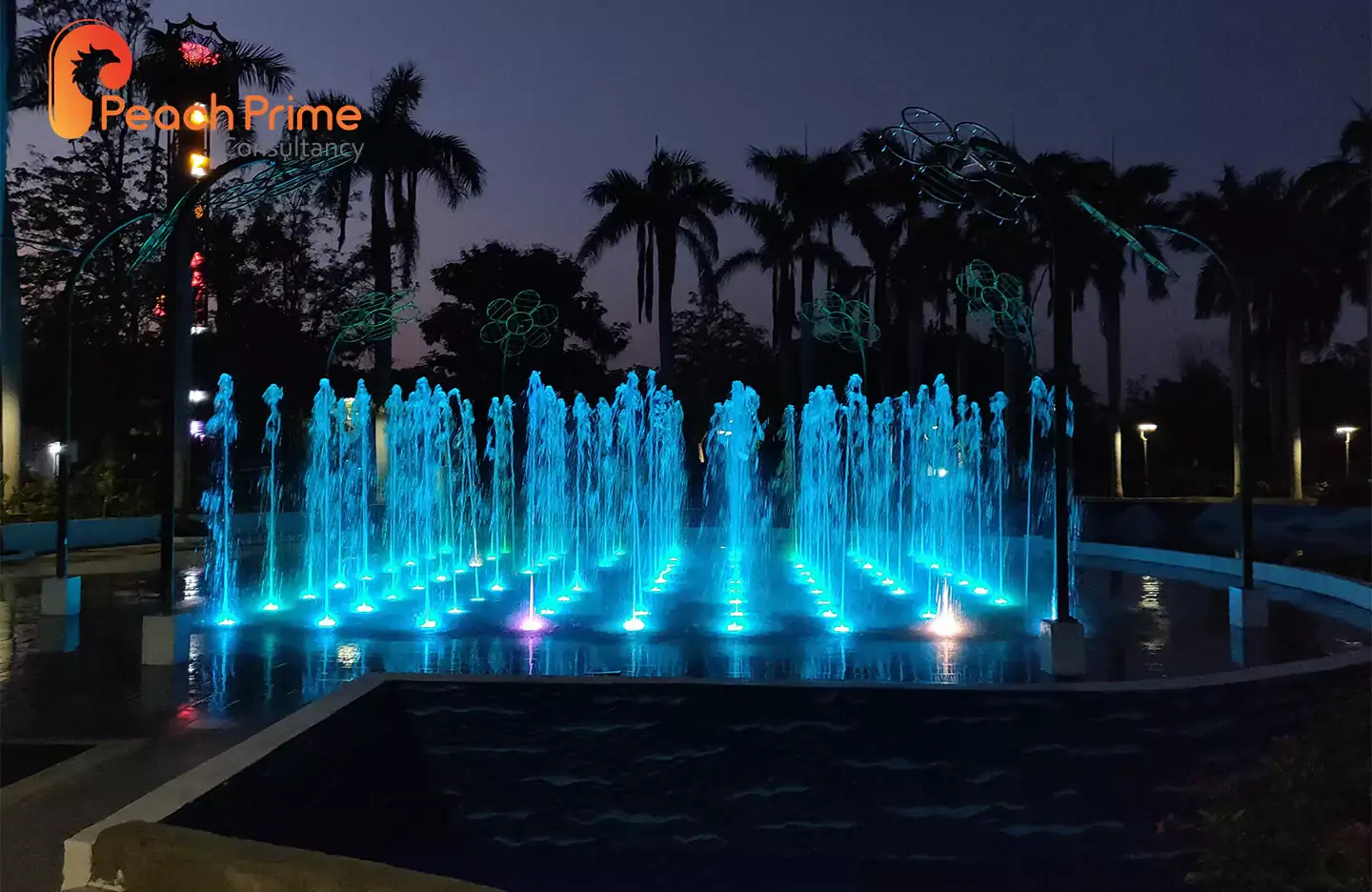
5. Water: The Most Powerful Element in Park Atmospheres
Many great theme parks use water strategically, not just for looks but to create emotional reactions.
Water features can:
- Bring calm to busy zones
- Add drama to themed areas
- Support night-time reflections
- Reduce temperature
- Create soundscapes that mask crowd noise
Even small water bodies can change the mood of an entire zone.
6. Landscape as a Storytelling Tool
Smartly planned landscapes help tell stories without words or signs.
Examples of storytelling through landscape:
- A pirate zone with rugged rocks, palms, and broken barrels
- A fairyland with bright plants, oversized mushrooms, and soft lighting
- A futuristic zone with minimal greenery and clean geometric lines
- An ancient kingdom theme with stone pathways and shaded courtyards
Visitors understand the world they are entering simply by observing the environment.
7. Sustainability and Maintenance Made Smarter
Modern theme parks now use sustainable landscaping to reduce costs and protect the environment.
Designers focus on:
- Low-maintenance plant selection
- Smart irrigation systems
- Rainwater harvesting
- Use of local vegetation
- Soil health and drainage planning
This makes the park easier to maintain while still looking fresh every day.
8. Creating Photo Spots and Memory Points
Today, every park needs spaces people want to photograph. Landscaping plays a huge role in creating these “memory points.”
These include:
- Tree tunnels
- Sculpted gardens
- Flower walls
- Water bridges
- Themed lawns
- Natural backdrops for selfies
Visitors share these online — giving the park free visibility.
Peach Prime Consultancy: Experts in Landscape-Driven Theme Park Experiences
Peach Prime Consultancy understands that the landscape is not a background element — it is the foundation of emotional experience. Our team blends environmental planning, visitor psychology, and creative storytelling to design landscapes that elevate every attraction. From green zoning to water features, from themed vegetation to comfort-focused layouts, we create outdoor environments that feel immersive, efficient, and unforgettable. With expertise in landscape-led entertainment design, Peach Prime helps developers build parks that stand apart in both beauty and experience.