
Cities are changing. Space is limited, outdoor land is expensive, and modern consumers want experiences that are social, competitive, and easy to access. This is why a new category of entertainment is growing rapidly across global markets: digital sports arenas.
These venues combine professional sports technology with hospitality, gaming energy, and year round indoor operation. Guests can play championship golf, face a fast bowler, train like a footballer, compete in tennis challenges, or join multi sport tournaments without needing a full outdoor field.
For developers, investors, and entertainment operators, digital sports arenas offer something rare: strong repeat visitation with multiple revenue streams inside a compact footprint.
Why Digital Sports Venues Are Growing So Fast
Traditional recreation models often depend on weather, large land parcels, seasonal demand, and expensive maintenance. Digital sports venues solve many of these challenges.
A climate controlled indoor arena can operate morning to late night. Rain does not matter. Heat does not matter. Lighting is consistent. Bookings can be scheduled efficiently.
More importantly, these spaces appeal to wider audiences than traditional sports facilities. Serious athletes can train. Beginners can play casually. Friends can socialise. Families can celebrate events. Companies can host tournaments.
That broad demand creates stronger commercial stability.
What Is a Digital Sports Performance Arena?
A digital sports arena uses advanced simulation systems, tracking technology, and interactive gameplay to recreate competitive sports in an indoor environment.
Popular formats include:
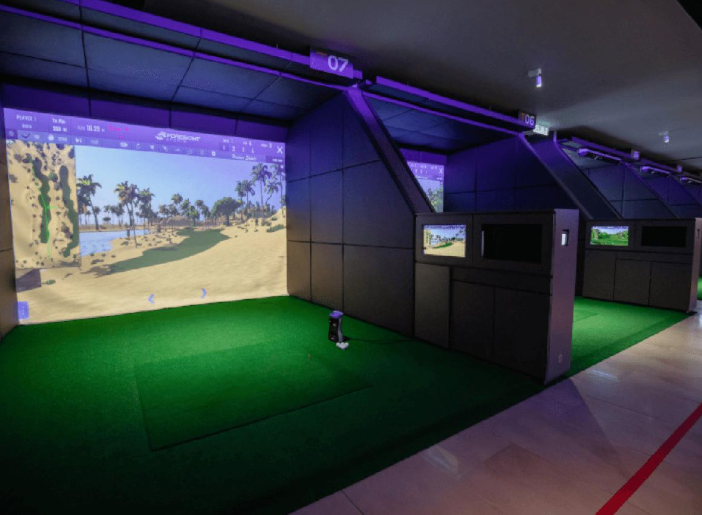
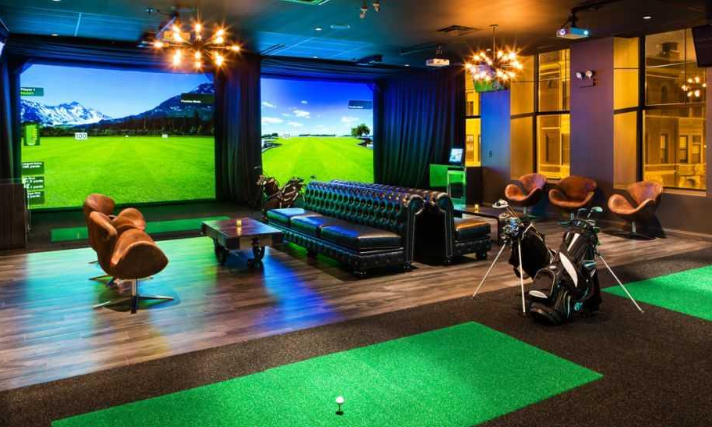
Indoor golf simulator lounges with real course play.
Cricket batting simulators with speed and spin variations.
Football shooting and passing challenges.
Tennis reaction and target training systems.
Multi sport VR competition zones.
Skill based team tournaments with live scoring.
The best venues feel less like practice rooms and more like high energy entertainment destinations.
Why Digital Sports Outperform Traditional Recreation Models
Better Use of Urban Space
Outdoor sports need large areas. Digital formats can operate successfully in malls, warehouses, mixed use developments, basements, and city centres.
Year Round Revenue
Weather disruption is removed, helping operators maintain consistent bookings.
Wider Customer Base
Professionals, beginners, families, tourists, and corporate groups can all use the same venue.
Higher Engagement Per Visit
Technology adds scoring, rankings, analytics, leaderboards, and replay value.
Easier Upselling Opportunities
Food, beverages, coaching sessions, memberships, and premium bays are naturally integrated.
Commercial Strength: Why Investors Like the Model
Well designed digital sports venues rarely rely on one income source.
Core Revenue Channels
Hourly Bay Rentals
Customers book simulator bays by the hour.
Membership Programs
Frequent users pay monthly for discounted access and leagues.
Coaching Sessions
Trainers use analytics tools to improve swing, batting, passing, or reaction skills.
Corporate Events
Team building tournaments and client entertainment can command premium pricing.
Birthday Packages
Families prefer active celebrations with food and entertainment in one venue.
Food and Beverage Sales
Guests often stay longer than traditional sports users, increasing spend per head.
Subscription Analytics
Players may pay for stored stats, progress reports, or performance tracking.
This layered model can significantly improve customer lifetime value.
Technology Infrastructure That Drives Success
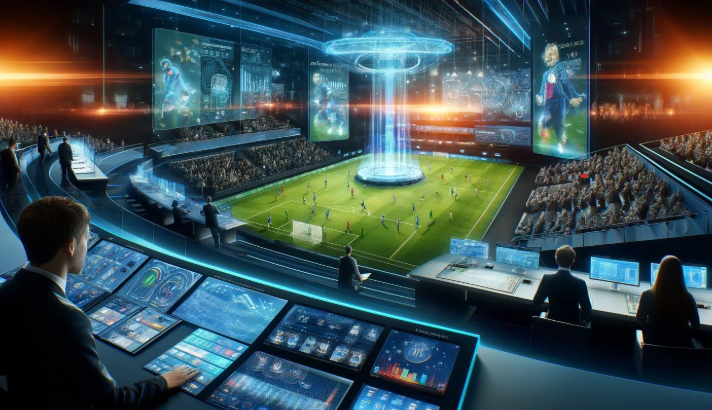
Guests notice fun. Operators must manage the systems behind it.
High performing venues typically require:
High speed ball and motion tracking sensors.
Impact screens and projection systems.
AI movement analysis tools.
Integrated scoring software.
Acoustic treatment for sound control.
Booking systems linked with CRM tools.
Stable networks and power backup.
Routine calibration programs.
If calibration slips or software lags, guest trust drops quickly. Reliability is not optional.
Three Global Concepts Proving the Model
Topgolf
A global leader that turned golf into a social entertainment product through technology, hospitality, events, and strong brand experience.
TOCA Football
Focused on football training systems combined with league style gameplay and analytics based coaching.
Sixes Social Cricket
Shows how cricket simulation can pair successfully with dining, social competition, and group entertainment.
Why Strategic Planning Decides Profitability
Many venues invest heavily in equipment but overlook operational design.
The most profitable arenas carefully plan:
Guest flow from entry to bays.
Spectator seating and social zones.
Dining adjacency to active play areas.
Peak hour throughput.
Staff training and reset times.
Maintenance schedules.
Noise management.
Booking mix between casual users and premium groups.
A simulator business is not just technology. It is a throughput business.
Where the Biggest Opportunities Exist
Digital sports arenas perform especially well in:
Urban malls needing traffic growth.
Mixed use developments wanting anchor entertainment.
High income residential districts.
Corporate zones needing after work leisure.
Tourism destinations seeking indoor attractions.
University precincts with young audiences.
These projects often lift spending across nearby restaurants and retail.
Develop with Peach Prime Consultancy
Peach Prime Consultancy helps investors and operators launch profitable digital sports venues through feasibility studies, concept creation, spatial planning, technology coordination, and revenue modeling.
Whether the goal is a premium golf simulator club, cricket entertainment arena, or multi sport social venue, our team aligns guest excitement with long term financial performance.
FAQs
Are digital sports arenas profitable?
Yes, especially when multiple revenue channels like bookings, memberships, coaching, events, and food sales are combined.
Do these venues need large spaces?
No. Many successful concepts operate in compact urban footprints.
Which sport works best?
It depends on the local market. Golf, cricket, football, and multi sport formats all show strong potential.
Can beginners enjoy simulator venues?
Absolutely. Most systems are designed for all skill levels.
What is the biggest operational mistake?
Ignoring maintenance, calibration, and throughput planning.
Final Thought
The future of urban recreation is not limited to traditional courts and outdoor fields.
Consumers want competition, convenience, technology, and social energy in one place. Digital sports arenas deliver all four.
For developers looking at the next generation of entertainment assets, this category deserves serious attention.