Blogs
Top Trends in Global Theme Park Architecture: Innovations Shaping Visitor Experiences
Theme parks are evolving faster than ever. Modern visitors expect more than rides—they seek immersive experiences, interactive zones, and aesthetic environments. The latest theme park architecture and theme park design trends reflect this shift. Designers are blending technology, storytelling, and sustainability to create parks that are engaging, visually stunning, and operationally efficient.
This article explores the key trends shaping global theme park design and offers insights for planners, developers, and entertainment professionals.
1. Immersive Storytelling Through Architecture
Storytelling is at the heart of contemporary theme parks. The architecture itself is designed to transport visitors into another world.
Key approaches:
- Themed entrances and gateways that set the mood from the start.
- Buildings and structures aligned with the park’s narrative.
- Use of props, textures, and materials to reinforce the story.
- Seamless integration of rides, pathways, and show elements.
Example: A fantasy-themed zone may feature castle facades, cobblestone paths, and theatrical lighting to immerse visitors in a medieval story.
2. Sustainability and Eco-Friendly Design
Modern parks are adopting green architecture principles. Sustainable theme park architecture reduces environmental impact and operational costs.
Popular strategies:
- Solar-powered lighting and ride systems.
- Rainwater harvesting and efficient water management.
- Green roofs and vertical gardens integrated into park structures.
- Recycled and eco-friendly materials in construction.
Example: Some parks in Asia use natural landscaping and renewable energy to power rides, creating visually appealing and eco-conscious attractions.
3. Mixed-Use Entertainment Spaces
The latest theme park design trends include mixed-use zones that combine entertainment, dining, and retail in innovative ways.
Design ideas:
- Interactive plazas where visitors can play, dine, and shop simultaneously.
- Multi-purpose theaters for live shows, movies, or virtual experiences.
- Pop-up attractions and seasonal events integrated into existing zones.
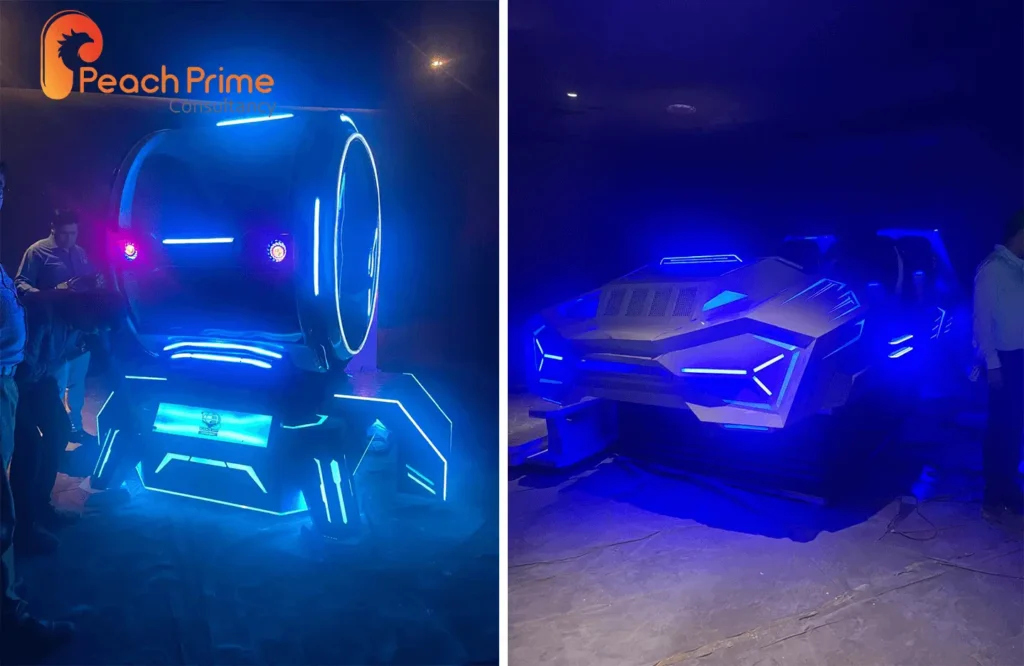
Example: A futuristic zone may include VR experiences, tech-based rides, and themed restaurants in a single area, increasing dwell time and visitor engagement.
4. Interactive and Experiential Elements
Interactivity is now a core component of theme park architecture. Visitors want to engage actively rather than passively watch.
Key trends:
- Hands-on exhibits and touchable props.
- Projection mapping and augmented reality experiences.
- Gamified attractions where visitors’ actions influence outcomes.
- Digital scavenger hunts or story-based challenges.
Example: A space-themed ride might let visitors control certain elements using interactive panels, making the experience personal and memorable.
5. Compact and Vertical Design Solutions
Urban spaces are inspiring parks to use vertical and compact architectural solutions. This trend is increasingly popular in densely populated areas.
Design strategies:
- Multi-level pathways and observation decks.
- Vertical ride installations that optimize limited space.
- Rooftop entertainment zones and gardens.
- Integration of elevators, escalators, and ramps for accessibility.
Example: A city-based park may use rooftops for dining, mid-level platforms for rides, and ground-level interactive zones, maximizing utility without expanding the footprint.
6. Smart Technology Integration
Technology is shaping both the design and operation of modern parks. Theme Park architecture now incorporates advanced systems for a seamless visitor experience.
Applications include:
- Smart ticketing and entry systems.
- Real-time crowd monitoring to improve visitor flow.
- Automated ride operations and safety systems.
- Interactive digital signage and wayfinding.
Example: Theme parks in Europe use mobile apps integrated with park maps to guide visitors, reducing congestion and enhancing experience.
7. Minimalist and Clean Design Approaches
While immersive theming remains popular, a parallel trend is the minimalist approach. Clean lines, simple geometry, and open spaces are used to balance visually busy zones.
Design elements:
- Subtle thematic cues rather than over-the-top props.
- Open plazas with clear sightlines for crowd monitoring.
- Neutral palettes enhanced with selective color accents.
Example: A modern adventure zone may use simple structural forms, allowing the rides and interactive exhibits to be the focal point.
8. Flexible and Modular Architecture
Flexibility is key for future-proof theme parks. Modular construction allows zones to be updated or replaced without major reconstruction.
Benefits:
- Quick adaptation to seasonal events and new themes.
- Reduced downtime for maintenance or upgrades.
- Cost-effective implementation of new attractions.
Example: Pop-up haunted houses during Halloween can be installed in modular spaces and removed after the season, maintaining the park’s fresh appearance.
9. Enhanced Accessibility and Inclusivity
Inclusive design is a growing priority in theme park architecture. Parks are focusing on accessibility and comfort for all visitors.
Design approaches:
- Wide pathways and ramps for wheelchairs and strollers.
- Signage in multiple languages and braille.
- Quiet zones for visitors with sensory sensitivities.
- Rest areas and family-friendly facilities throughout the park.
Example: Parks in North America integrate multi-sensory areas for children with autism, ensuring a welcoming experience for everyone.
10. Peach Prime Consultancy – Experts in Theme Park Architecture and Design Trends
Peach Prime Consultancy leads in theme park architecture India and innovative theme park design trends. We provide immersive theme park solutions and interactive amusement park planning India that align design, storytelling, and operational efficiency. From conceptual planning to ride placement, entertainment zones, and visitor flow, Peach Prime ensures every project is immersive, safe, and memorable. Our expertise in experiential park setup India and modern design trends allows us to deliver unique parks that captivate visitors and stand out globally.