

A strategic guide for investors, venue developers, and education entrepreneurs exploring next-generation science and discovery centres.
Introduction: Where Education Meets Experience
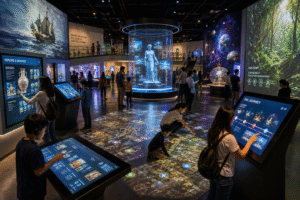
The global landscape of public education is undergoing a quiet but powerful revolution. Traditional science halls, with their static displays and passive placards, are giving way to something far more compelling: immersive, participatory learning environments that blur the line between play and discovery. These are not simply upgraded museums. They are purpose-built experiential ecosystems designed to inspire curiosity, deepen understanding, and build genuine emotional engagement with knowledge.
For investors and developers operating in the edutainment space, this shift represents one of the most exciting built-environment opportunities of the decade. The interactive learning museum model combines the scalability of entertainment infrastructure with the social legitimacy of educational programming. When designed with intent and executed with expertise, these venues attract diverse and loyal visitor bases, generate layered revenue streams, and earn a position of genuine community significance.
This guide explores the full spectrum of what it takes to conceptualise, design, and operationalise a high-impact interactive learning museum: from experience architecture and trending technology modules to monetisation models and the international precedents that are redefining the standard.
KEY INSIGHT | Modern edutainment centres are no longer static science halls. They are immersive ecosystems that combine digital labs, interactive walls, motion-based exhibits, holographic storytelling, and real-time data simulations to deliver meaningful learning at scale. |
1. Rethinking the Learning Environment: From Passive to Participatory
The foundational premise of a modern interactive learning museum is deceptively simple: people learn better by doing than by observing. Decades of cognitive science and educational psychology back this up. When a visitor physically interacts with a system, whether by adjusting variables in a climate simulation, assembling a robotics prototype, or navigating a virtual spacewalk, the experience creates neural associations that passive reading cannot replicate.
But building an effective participatory learning environment requires far more than placing touchscreens on pedestals. It demands intentional design at every level: spatial sequencing, thematic coherence, accessibility for multiple age groups and learning styles, and the ability to scale from a single visitor’s experience to that of a school group of forty children.
The best modern edutainment centres achieve this by thinking architecturally. They do not curate isolated exhibits. They design complete learning journeys, with each zone, module, and interaction point contributing to a cumulative sense of discovery and accomplishment. The visitor arrives curious and leaves transformed.
2. Designing the Educational Journey: A Framework for Spatial Sequencing
One of the most critical design decisions in any interactive learning museum is how visitors move through the space. Flow architecture determines the emotional arc of the visit, manages crowd density, and creates natural opportunities for both independent exploration and guided programming.
A well-structured visitor journey follows a clear progression built around intentional escalation. Each phase prepares the visitor for the next, deepening engagement and building toward the most immersive experiences the venue offers.
Phase 1: Entry and Orientation
The entry zone is where expectations are set and curiosity is sparked. Great edutainment venues open with a sensory hook: a dramatic visual installation, an ambient soundscape that signals discovery, or an interactive welcome prompt that invites immediate participation. Orientation content at this stage should be light, welcoming, and confident in tone, giving visitors a clear sense of what awaits them without overwhelming the experience before it begins.
Phase 2: Thematic Exploration Zones
The core of any interactive museum is its thematic zone structure. These are the destination areas that give the venue its identity and content depth. Each zone is themed around a distinct domain of knowledge and houses multiple interactive modules, exhibit formats, and facilitated activity stations. Common and high-performing zone themes include:
- Space and Astronomy: orbital mechanics, planetary science, cosmology, and the physics of space travel
- Robotics and Artificial Intelligence: coding fundamentals, machine learning concepts, sensor-based automation, and robotic assembly
- Climate and Environmental Science: renewable energy systems, biodiversity, carbon cycle visualisations, and ecological simulation
- Human Biology and Health: anatomy exploration, neuroscience interactives, genetics basics, and the science of sport and movement
- Mathematics and Engineering: structural design challenges, mathematical patterns, algorithmic thinking, and applied physics
Each zone should be designed with a narrative arc: an entry stimulus, a set of interactive discovery stations, an expert-facilitated activity area, and a reflection or synthesis point before the visitor transitions to the next zone.
Phase 3: Hands-On Labs
Dedicated laboratory spaces within the museum elevate the experience from interactive to truly experimental. These are settings where visitors, often in guided groups, conduct structured activities with measurable outcomes: building a circuit, testing a hypothesis, programming a basic robotic movement, or growing a culture in a safe simulated biology lab. Labs are central to STEAM programming and are among the highest-value spaces in the venue for both educational impact and commercial monetisation through school partnerships and workshop packages.
Phase 4: Immersive Simulation Chamber
The simulation chamber is the centrepiece experience: the space that visitors remember most vividly and talk about most enthusiastically afterward. Whether it takes the form of a full-dome planetarium, a virtual reality environment, a 4D theatre, or a mixed-reality interactive arena, the simulation chamber should deliver a level of sensory immersion that no screen at home can replicate. It is the single most powerful driver of word-of-mouth advocacy and repeat visitation.
Phase 5: Reflection and Retail Zone
The exit experience is often undervalued. A well-designed reflection zone gives visitors a moment to consolidate what they have experienced, whether through a digital badge system, a takeaway challenge card, or a participatory community wall. The adjacent retail and cafe area, when curated thoughtfully, extends the experiential identity of the museum: science kits, themed merchandise, and discovery-oriented books and games that carry the inspiration home.
DESIGN PRINCIPLE | The most successful learning museums are not collections of exhibits. They are choreographed journeys: each phase, zone, and transition point is designed to build curiosity, reward participation, and deepen the visitor’s connection to the subject matter. |
3. Trending Experience Modules: The Technology Driving Next-Generation Venues
The rapid evolution of consumer-grade immersive technology has dramatically expanded what is possible within a learning museum environment. Formats that were once confined to research facilities or premium theme parks are now accessible, cost-effective, and audience-ready. The following modules represent the current frontier of interactive learning design and are generating the strongest visitor engagement metrics globally.
Virtual Reality Spacewalk Simulators
VR spacewalk experiences transport visitors into orbital environments with a level of fidelity that inspires genuine awe. Visitors don headsets and are placed outside the International Space Station, walking the surface of Mars, or piloting a spacecraft through an asteroid field. The key design challenge is calibrating the experience for a range of ages and physical sensitivities while maintaining scientific accuracy. When executed well, these experiences create an emotional connection to space science that no documentary or textbook can replicate.
AI Coding Labs
Artificial intelligence coding labs introduce visitors to the foundational concepts of machine learning, neural networks, and algorithmic decision-making through accessible, age-tiered activities. Younger visitors might train a simple image classifier or teach a robot to respond to voice commands. Older visitors might explore data bias, predictive modelling, or natural language processing through guided projects. These labs are among the most commercially scalable modules in the museum, with strong demand from school groups, teacher training programmes, and corporate team-building formats.
Interactive Earthquake Simulation Platforms
Seismic simulation platforms allow visitors to experience the physics of an earthquake in a controlled, viscerally engaging environment. Combined with structural engineering challenges, where visitors design and test building models against simulated tremors, these exhibits teach concepts from geology, civil engineering, and risk assessment in a way that is simultaneously thrilling and intellectually rigorous.
Renewable Energy Stations
Hands-on renewable energy stations let visitors generate, store, and route real electrical power using solar panels, wind turbines, and hydrogen fuel cells at demonstration scale. These exhibits have particularly strong resonance with young audiences and align closely with curriculum requirements in environmental science and physics. Their visual, tactile, and quantifiable nature makes them natural anchors for guided workshop programming.
Augmented History Timelines
Augmented reality history timelines overlay digital content onto physical wall installations, bringing historical events, scientific discoveries, and cultural milestones to life through animation, archival footage, and interactive narrative branching. Visitors can step into a timeline and explore history at their own pace, following threads of interest across centuries and disciplines. These installations are highly adaptable to local and regional content, making them valuable tools for civic identity and community engagement.
4. Monetisation Framework: Building Commercial Viability Into the Design
A well-designed interactive learning museum is not only an educational asset. It is a commercially viable enterprise with multiple, layered revenue streams. The most successful venues achieve this by thinking about monetisation from the earliest stages of concept development, ensuring that commercial spaces, programming infrastructure, and visitor flows are all designed to support revenue generation without compromising the integrity of the experience.
Rotational Exhibitions
Temporary and touring exhibitions are one of the most effective tools for sustaining repeat visitation and maintaining media attention over time. By scheduling major rotational exhibitions across the calendar year, venues give their existing audience a reason to return and attract new visitors who may not have engaged with the permanent collection. Strong exhibition partners include international science institutions, space agencies, natural history collections, and technology companies with public engagement mandates.
- Drives media coverage and social media engagement with each new installation
- Allows the venue to test new thematic zones before committing to permanent investment
- Creates natural sponsorship and co-branding opportunities with science and technology brands
- Enables partnerships with international touring exhibition producers for shared cost and risk
STEAM Workshops and School Programmes
Curriculum-aligned STEAM workshop programmes are among the highest-margin revenue streams available to a learning museum. By partnering with school systems and education departments, venues can fill weekday capacity during school hours with group bookings that deliver structured, facilitated learning experiences. These programmes typically command a premium per-head rate compared to general admission and often include pre and post-visit resources that extend the value proposition for educators.
- Structured programmes aligned to national curriculum standards in science, technology, engineering, and mathematics
- Tiered offerings for primary, secondary, and tertiary education groups
- Dedicated teacher resource packs and digital learning extensions
- Partnership opportunities with education departments for subsidised access programmes
Teacher Training Programmes
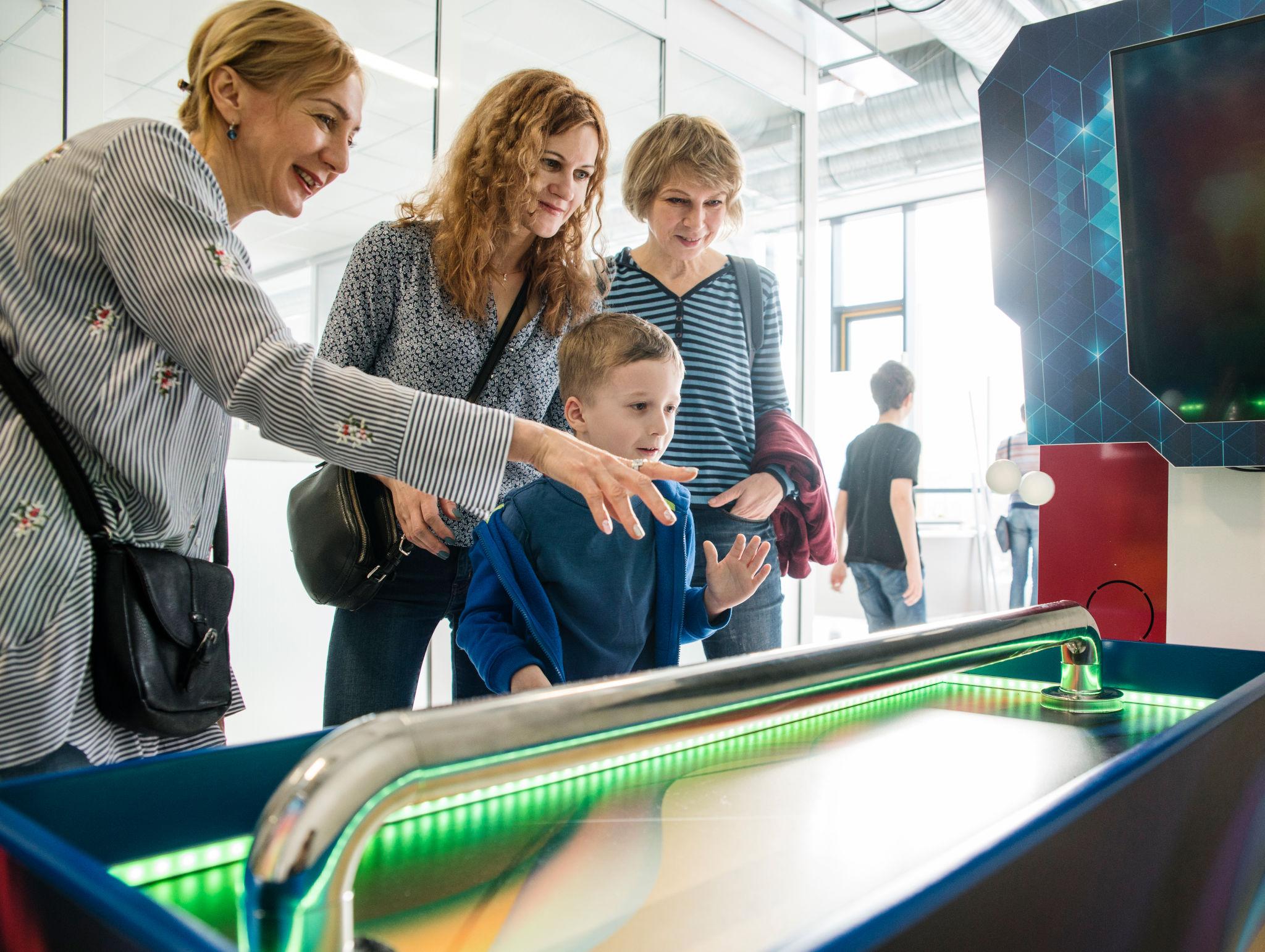
Professional development programmes for educators represent a high-value, low-footprint revenue stream with strong institutional credibility. By offering certified teacher training workshops delivered within the museum environment, venues position themselves as active partners in the broader education ecosystem. Programmes can cover STEAM pedagogy, the use of technology in the classroom, and how to integrate museum visits into curriculum planning. These programmes generate revenue, build long-term school relationships, and support the venue’s positioning as an educational authority rather than simply an entertainment venue.
Edutainment Summer Camps and Holiday Programmes
Seasonal camp programmes fill the venue during non-school periods and create deep, multi-day experiences that build lasting affinity with the museum brand. A well-designed summer camp programme spans four to ten days, blends immersive venue experiences with hands-on project work, and culminates in a showcase or presentation that families attend. These programmes attract premium pricing, generate strong word-of-mouth through parent networks, and create a pipeline of visitors who become regular attendees throughout the year.
- Full-day and half-day formats for holiday periods across all age groups
- Theme-based programmes tied to current exhibitions or trending topics in science and technology
- Showcase events at programme conclusion that drive parent and community attendance
- Alumni membership or loyalty programmes that incentivise repeat enrolment
REVENUE INSIGHT | The most commercially successful interactive learning museums generate between 40 and 60 per cent of their revenue from programming, events, and institutional partnerships, rather than from general admission alone. Designing for this mix from day one is essential to long-term financial sustainability. |
5. International Inspiration: Three World-Class Models
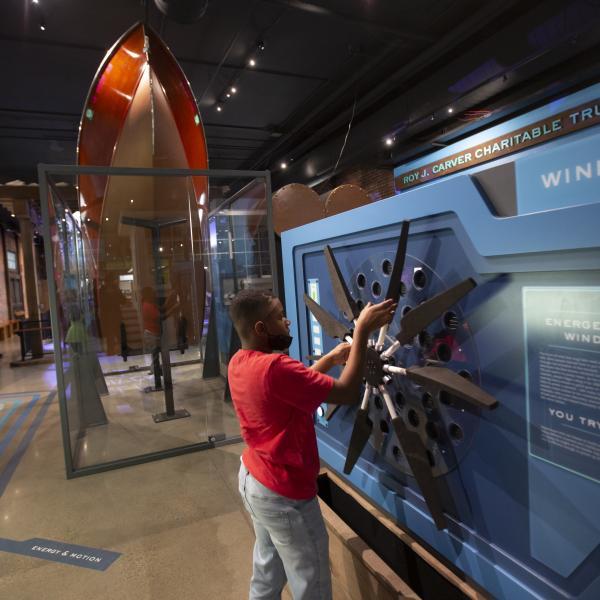
The global landscape of interactive learning museums offers a rich body of precedent for venue developers and investors. The following three institutions represent distinct approaches to the model, each offering lessons that are directly applicable to new venue development in emerging and growth markets.
Science Museum, London, United Kingdom
The Science Museum in London is one of the most visited cultural institutions in the world and stands as a benchmark for how a major public science venue can balance breadth, depth, and accessibility. With over 300,000 objects spanning five centuries of scientific history and a permanent collection that includes original steam engines, Apollo command module replicas, and the first computers, the Science Museum demonstrates the power of authentic artefact-based storytelling combined with state-of-the-art interactive technology.
Key learnings from the Science Museum model include the value of free general admission in driving volume and community equity, the commercial power of a world-class IMAX theatre as a standalone revenue generator, and the importance of a dedicated interactive learning gallery for children as a driver of family visitation. The museum’s ability to attract blockbuster temporary exhibitions, including touring shows from NASA and the Wellcome Collection, illustrates the commercial and reputational benefits of a strong international exhibition partnership network.
Museum of Science and Industry, Chicago, USA
The Museum of Science and Industry in Chicago is consistently ranked among the most innovative science centres in the United States and represents an outstanding example of how to design for maximum immersion within a historic building envelope. The museum is home to a full-sized captured German submarine, a simulated coal mine experience, a weather chamber, and a mirror maze, alongside more than 35,000 artefacts and 400,000 square feet of exhibit space.
What sets the Chicago MSI apart is its commitment to genuine interactivity at scale. The museum does not simply label objects for observation. It invites visitors to participate in processes: operating controls, making decisions, and experiencing consequences within carefully designed simulation environments. This participatory philosophy, combined with a strong school programme that serves hundreds of thousands of students annually, makes it a compelling model for venues seeking both educational credibility and commercial scale.
NEMO Science Museum, Amsterdam, Netherlands
NEMO in Amsterdam is perhaps the most architecturally distinctive science museum in Europe and one of the best examples in the world of a venue designed entirely around the learning needs of children and families. Housed in a striking copper-green building designed by architect Renzo Piano that extends above the entrance to a major road tunnel beneath the IJ waterway, NEMO is instantly recognisable and draws visitors as much by its visual drama as by its programming.
Inside, NEMO is organised around five thematic floors covering science, technology, energy, humanity, and phenomena, each filled with hands-on experiments and participatory installations. Notably, NEMO charges no admission for children under 4 and offers significant discounts for families, reflecting a deliberate policy of accessibility as a driver of community loyalty. The rooftop terrace, which doubles as an outdoor science park and cafe, is a masterclass in extending the visitor experience beyond the building envelope and generating dwell time through informal programming.
6. Future Trends: What the Next Generation of Learning Museums Will Look Like
The interactive learning museum sector is evolving rapidly, driven by advances in consumer technology, shifts in educational philosophy, and the growing expectations of a generation of visitors who have grown up with personalised digital experiences. Understanding these trends is essential for any developer or investor planning a new venue or a major refurbishment of an existing one.
AI-Driven Personalised Learning Journeys
Artificial intelligence is beginning to enable a level of personalisation within museum environments that was previously impossible at scale. Visitor-facing applications can now track preferences, learning pace, and topic engagement in real time, using that data to recommend personalised pathways through the venue, suggest supplementary content, and tailor the difficulty of interactive challenges to individual ability levels. Over the coming decade, the venues that invest in this capability will be able to offer every visitor an experience that feels designed specifically for them: a profound shift from the uniform experience model that has characterised the industry for generations.
Gamified Achievement and Digital Badge Systems
Gamification is transforming how visitors engage with learning content, particularly among younger audiences who are accustomed to achievement systems in video games and educational apps. Venues are increasingly implementing digital badge and achievement tracking systems that reward visitors for completing challenges, exploring all zones, or achieving particular scores in interactive activities. These systems serve multiple commercial functions: they extend average visit duration, incentivise repeat visitation, and create shareable digital assets that drive organic social media engagement.
Hybrid Physical and Digital Exhibit Formats
The boundary between the physical museum and the digital world is dissolving. Leading venues are developing hybrid exhibit formats that begin inside the museum and continue at home through apps, online platforms, and AR-enabled physical take-home kits. This approach dramatically extends the relationship between the visitor and the venue beyond the single visit, creates recurring engagement touchpoints, and opens new revenue opportunities through digital subscription products and premium take-home experiences.
Inclusive and Neuro-Affirming Design
A growing body of research and a rising standard of expectation from families and educators is driving investment in genuinely inclusive museum design. This means not only physical accessibility for visitors with mobility challenges but also sensory-sensitive environments, neuro-affirming programming for visitors with autism and ADHD, and multilingual content delivery. Venues that invest in genuine inclusivity earn loyalty from underserved communities, access funding streams that reward accessibility, and build reputations as genuinely welcoming public spaces.
Partner with Peach Prime Consultancy
Designing and delivering a high-impact interactive learning museum requires more than architectural vision or curatorial expertise. It demands a structured planning approach that integrates experience design, commercial modelling, educational programming strategy, and operational feasibility into a single, coherent development framework.
Peach Prime Consultancy brings deep specialist expertise in the edutainment sector to every project we support. Our team has worked across interactive learning venues, family entertainment centres, and science-focused cultural institutions across India and internationally. We understand what makes these venues work: not just as physical spaces, but as sustainable, commercially viable, and educationally impactful enterprises.
Whether you are at the earliest stages of concept development, conducting feasibility analysis, or preparing investor documentation for a fully scoped venue, Peach Prime Consultancy offers the structured, expert-led support you need to move from vision to reality with confidence.
WHAT WE OFFER | Concept development and experience architecture, market feasibility and commercial modelling, exhibition and programming strategy, operator and technology partner introductions, and end-to-end project management support for venue developers and institutional investors. |
To learn more about how Peach Prime Consultancy can support your next edutainment project, visit www.peachprime.in or reach out to our team directly to arrange a strategic consultation.