
Education is changing rapidly. Traditional classrooms, textbook-only learning, and passive museum visits are no longer enough for modern audiences. Today’s families, schools, and young learners want spaces where knowledge feels exciting, hands on, and memorable.
This shift has created one of the most promising categories in experiential development: Interactive Edutainment Museums.
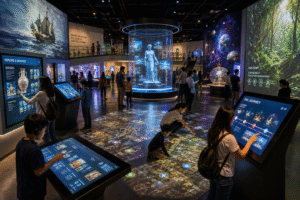
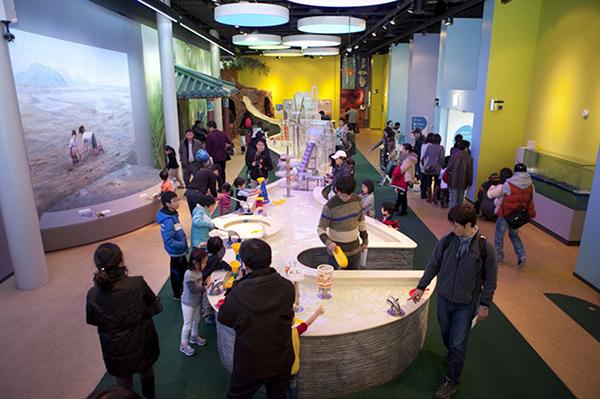
These next generation museums combine immersive storytelling, science experiments, projection based simulations, gamified learning, robotics, touchscreen experiences, maker labs, and digital environments to transform learning into leisure.
For developers, governments, investors, and tourism authorities, edutainment museums offer something rare: strong social impact with long term commercial sustainability.
They attract weekday school groups, weekend families, holiday camps, corporate sponsors, and tourists looking for meaningful experiences.
When planned correctly, an edutainment museum becomes far more than an attraction. It becomes a future ready learning destination.
Why Edutainment Museums Are High Demand
Several global trends are driving growth in this category.
- Parents increasingly want meaningful recreation for children.
- Schools need curriculum aligned excursion destinations.
- Cities want knowledge based attractions that improve branding.
- Children learn better through doing than only reading.
- Technology allows museums to stay dynamic and updateable.
- Developers seek attractions with weekday and weekend demand.
Unlike many leisure concepts that depend only on weekends, edutainment museums can generate steady attendance across the full week.
What Is an Interactive Edutainment Museum?
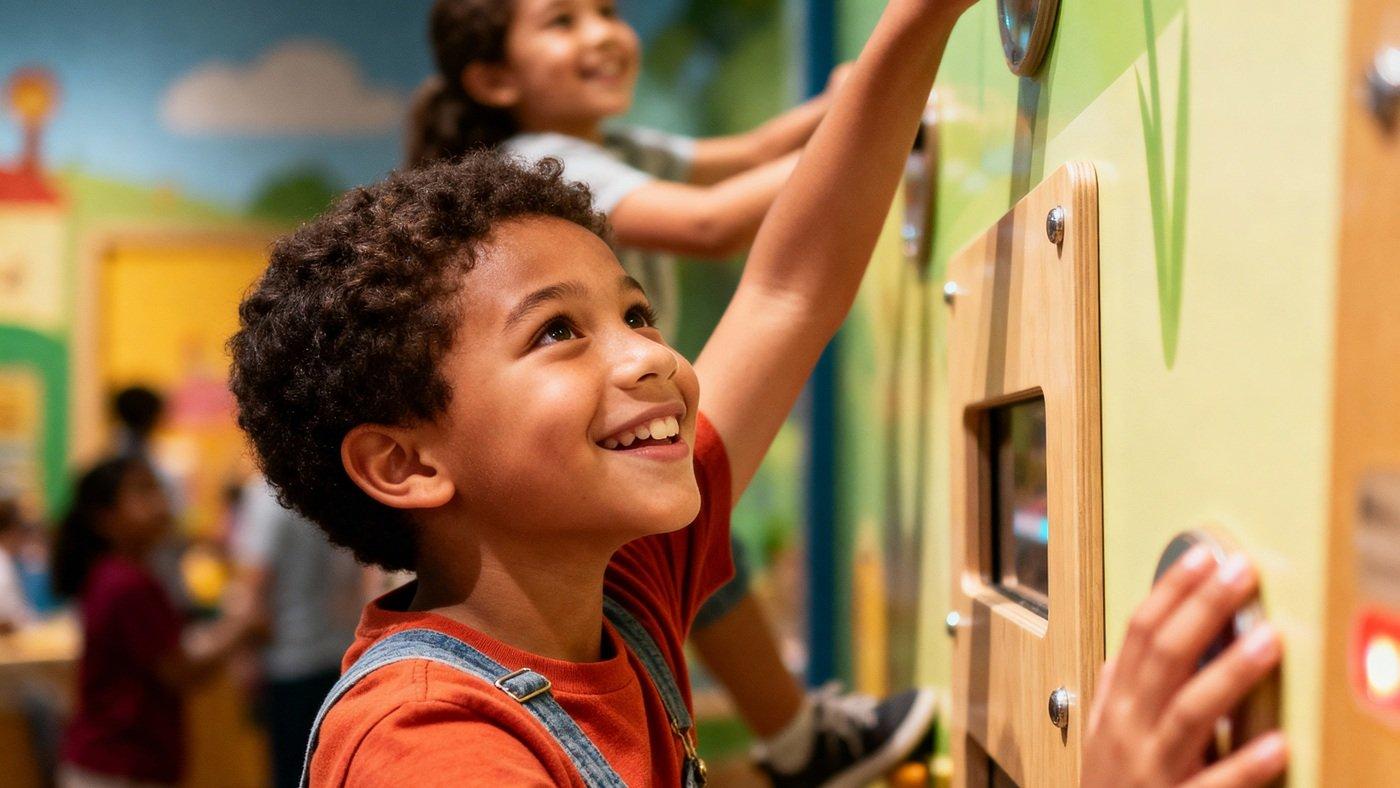
An edutainment museum combines education and entertainment through active participation.
Guests may experience:
- Interactive physics labs.
- Space exploration simulators.
- Robotics zones.
- AR history exhibits.
- Climate change immersive galleries.
- Human body learning zones.
- Maker workshops.
- Math challenge arenas.
- Creative STEAM studios.
- Innovation labs.
The strongest museums turn curiosity into excitement.
Why This Segment Is a Strong Long Term Investment
Many attractions rely on short term trends. Edutainment museums benefit from structural demand.
Family Leisure Demand
Parents often prefer attractions that entertain while supporting child development.
School Group Revenue
Weekday bookings create reliable traffic and stronger annual occupancy.
Tourism Appeal
Travelers increasingly seek educational indoor experiences.
Sponsorship Opportunities
Technology brands, banks, healthcare firms, and sustainability focused companies often support learning spaces.
Membership Models
Families with children are strong repeat customers when content stays fresh.
Positive Community Value
Knowledge driven attractions often receive stronger support from cities and institutions.
For investors, this creates a balanced and resilient business model.
Revenue Architecture
The strongest edutainment museums build multiple revenue streams.
Ticketed Entry
Daily admissions for families, tourists, and casual visitors.
Annual Memberships
Unlimited visits, priority booking, and exclusive workshops.
School Curriculum Partnerships
Regular school programs aligned to science, history, or environmental education.
Government Collaborations
Public education campaigns, grants, and city learning initiatives.
Corporate Sponsored Exhibits
Branded zones supporting STEM, sustainability, innovation, or career awareness.
Retail and Café Integration
Educational toys, books, kits, themed merchandise, and family dining.
Traveling Exhibitions
Portable exhibits can create external revenue while marketing the core brand.
Infrastructure and Technical Planning
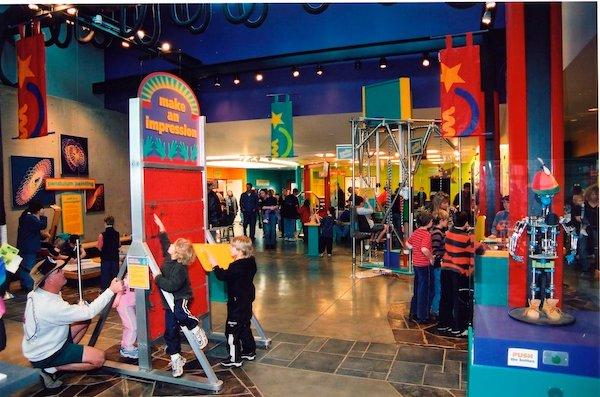
Interactive museums require stronger technical systems than traditional display museums.
Core Requirements
- Robust AV systems.
- Interactive touch interfaces.
- Motion sensors.
- Projection mapping galleries.
- Server backbone and networking.
- Durable exhibit fabrication.
- Easy maintenance access.
- Accessible circulation routes.
- School group orientation zones.
- Content management systems.
Why Durability Matters
Hands on attractions receive heavy daily use. Exhibits must be engineered for reliability and quick repair.
Why Refresh Planning Matters
Children and families need new reasons to return. Modular systems help update content without full rebuilds.
What Successful Edutainment Museums Do Differently
The best venues combine three elements:
Narrative Flow
Guests move through a journey rather than random exhibits.
Hands On Participation
Learning happens through action and experimentation.
Commercial Intelligence
Memberships, café revenue, retail, events, and sponsors are integrated from the start.
A beautiful museum without a business model struggles. A profitable museum without educational quality loses relevance.
Three Global Benchmarks
Exploratorium
A world leader in hands on science learning with continuous exhibit innovation.
Cité des Sciences et de l’Industrie
A major benchmark in combining education, scale, and public engagement.
Miraikan
Known for future focused science exhibits, robotics, and technology storytelling.
Strategic Development Insight
Developers often underestimate the planning depth required for this category.
Strong projects need:
- Clear age segmentation.
- School logistics planning.
- Durable fabrication.
- Learning content strategy.
- Sponsor integration design.
- Efficient staffing models.
- Refresh budgets.
- Guest flow management.
The strongest museums are designed as evolving platforms, not fixed buildings.
Best Locations for Edutainment Museums
These concepts often perform strongly in:
- Major cities.
- Shopping malls.
- Mixed use developments.
- Tourism zones.
- Education districts.
- Family suburbs.
- Cultural precincts.
Parking, school bus access, and climate controlled comfort are major advantages.
Common Mistakes Developers Make
- Too much screen content and not enough hands on play.
- Beautiful design but weak curriculum relevance.
- No weekday school strategy.
- Poor parent comfort areas.
- No refresh cycle planning.
- Weak café and retail offer.
- Ignoring sponsorship potential.
Great edutainment museums balance purpose with performance.
Work with Peach Prime Consultancy
Peach Prime Consultancy delivers concept curation, exhibit planning, immersive AV integration, spatial sequencing, revenue modeling, and feasibility studies for interactive learning museums.
We help create museums that educate deeply and perform commercially.
Detailed FAQs
Q. What is an Interactive Edutainment Museum?
It is a museum or attraction where learning happens through immersive technology, hands on exhibits, simulations, games, and active participation instead of only static displays.
Q. Are edutainment museums profitable?
They can be highly sustainable when supported by admissions, school bookings, memberships, workshops, café revenue, retail sales, sponsorships, and grants.
Q. Why are parents attracted to these venues?
Parents increasingly value leisure activities that also build curiosity, confidence, and learning outcomes for children.
Q. How important are school groups?
Very important. School visits often create stable weekday revenue and strong annual attendance.
Q. What age groups should be targeted?
Most successful concepts segment zones for toddlers, children, teens, and family co play experiences rather than serving one narrow group.
Q. How often should exhibits be refreshed?
Minor updates can happen regularly, while major new exhibits are often introduced annually or seasonally.
Q. Can malls host edutainment museums successfully?
Yes. Mall based museums can increase family footfall, dwell time, and cross spending with nearby retail and food tenants.
Q. What is the biggest hidden challenge?
Maintaining exhibit reliability under heavy daily use while keeping content fresh.
Q. Are sponsors interested in this category?
Yes. STEM, environment, health, technology, and future skills themes often attract corporate and institutional partners.
Q. Why hire specialist consultants?
Because these projects combine education strategy, attraction design, technology systems, operations, and ROI planning. Expert support reduces costly mistakes.
Final Thought
Interactive Edutainment Museums represent the new age of learning.
They show that education can be immersive, exciting, commercially viable, and deeply valuable to society at the same time.
For developers and cities looking to build future ready destinations, few concepts combine impact and profitability as effectively as edutainment.