Peach Prime Consultancy is a game zone design company that turns a concept into an efficient, profitable floor plan. As an independent game zone design consultant in India, we plan the layout and space so an arcade and amusement gaming venue earns from every square foot, manages visitor flow, and feels easy to move through. We work with clients across India and on projects across Asia and other global markets.
Layout is where many game zones quietly lose money, because machines bought without a plan crowd the busy areas and leave dead space elsewhere. Getting this stage right before any capital is committed to equipment or fit out protects both the budget and the day to day earnings of the venue.
What Is Game Zone Layout and Space Planning?
Game zone layout and space planning is the process of translating the concept into a spatial framework. It covers zoning, circulation, capacity, sightlines, and the placement of every attraction so the venue holds the right number of machines, moves visitors smoothly, and keeps the busiest games earning throughout the day. It is the bridge between the creative concept and the equipment plan.
Why Layout Decides Profit
Two venues with the same machines and the same budget can perform very differently, and the difference is usually the layout. Good space planning raises play density, lengthens dwell time, removes the bottlenecks that frustrate visitors, and puts the highest earning attractions where they stay busy. These decisions are hard and expensive to fix once machines are installed and services are run, which is why they belong at the planning stage.
What Our Layout and Space Planning Covers
- Floor plan and zoning. A clear plan that groups attractions logically and supports the theme.
- Visitor flow and circulation. Routes that move people past the right machines without bottlenecks.
- Play density optimisation. The right number of machines for the area, so the floor earns without feeling crowded.
- Sightlines and queue management. Clear views into the venue and queue space that does not block walkways.
- 2D and 3D CAD layouts. Drawings that the equipment, interior, and installation stages follow.
- Service coordination. Layout aligned with power, network, and access requirements.
How Much Space Does a Game Zone Need?
Game zones work across a wide range of sizes, from compact units inside a mall to large standalone anchors. The footprint should follow the game mix and the expected footfall rather than a fixed number, because a smaller floor planned well can outperform a larger one that is not. The table below gives indicative size bands.
Venue type | Indicative size | Notes |
|---|
Compact mall zone or kiosk | 500 to 1,500 sq ft | A focused mix of high earning machines in a small footprint |
Mid size mall game zone | 1,500 to 4,000 sq ft | A balanced mix with a prize counter and some seating |
Large anchor game zone | 4,000 to 10,000 sq ft | Full mix with simulators, VR, and party space |
FEC with a game zone core | 10,000 sq ft and above | Game zone alongside other attractions and dining |
Game Zone Zoning Principles
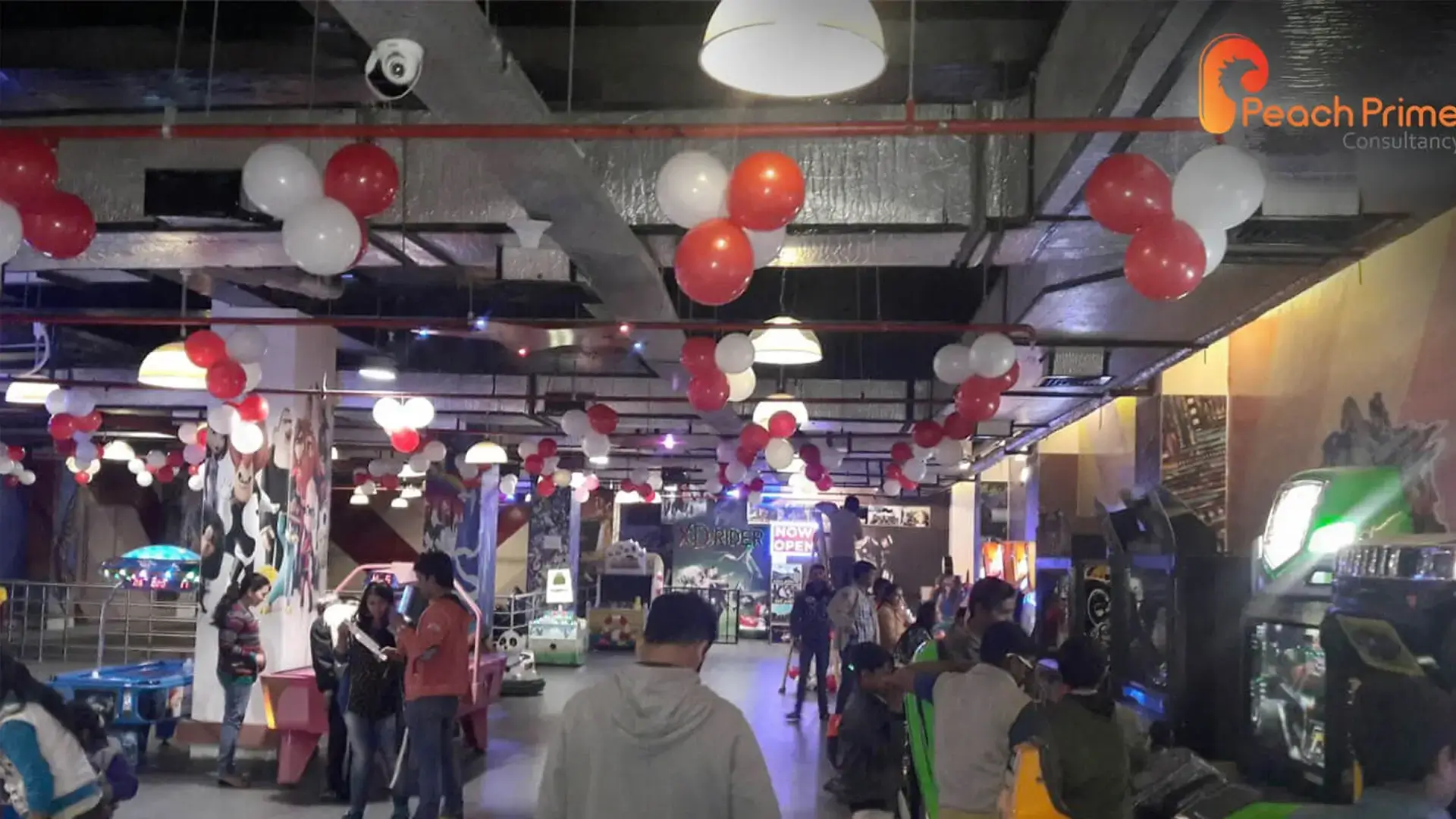
A well planned game zone is organised into zones that each do a job, arranged so visitors flow naturally from one to the next. The common zones include:
- Entrance and prize counter. A welcoming arrival point, with the prize counter visible to pull redemption play.
- High energy zone. Simulators, VR, and headline machines placed to draw people in and create visible activity.
- Redemption and ticket games. Grouped so visitors build tickets and head to the counter.
- Kids and family zone. Softer, lower machines kept slightly apart from the loudest attractions.
- Food, seating, and party space. Rest and regroup areas that lengthen visits, where the model allows.
Visitor Flow and Play Density
Flow and density are the two levers that decide how much a floor earns. We design circulation so visitors pass the machines most likely to draw a play, avoid dead ends, and never queue across a walkway. We then set play density so the floor holds enough machines to earn well without feeling cramped, which protects both revenue and the comfort that keeps visitors longer.
2D and 3D Layouts and Drawings
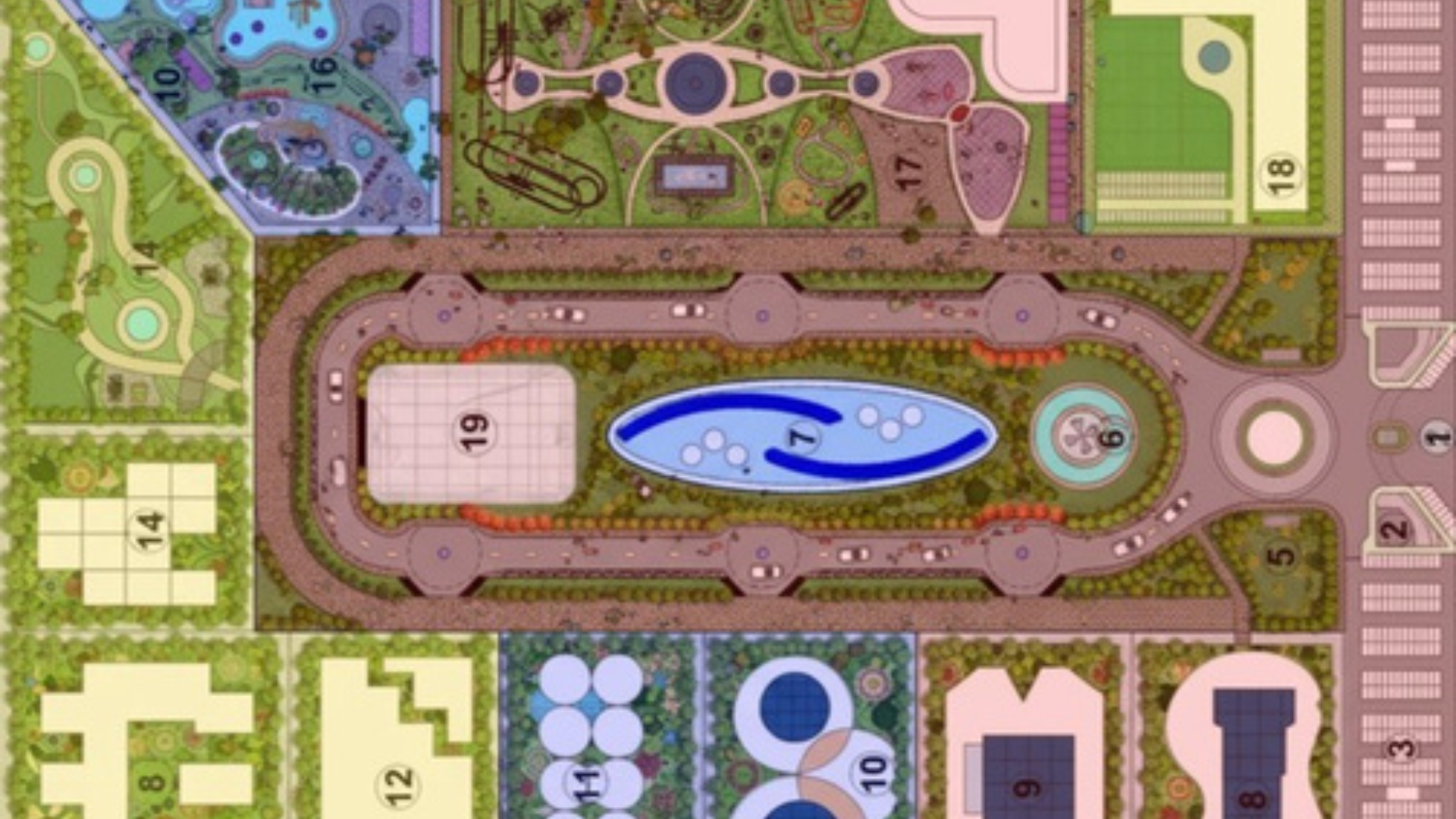
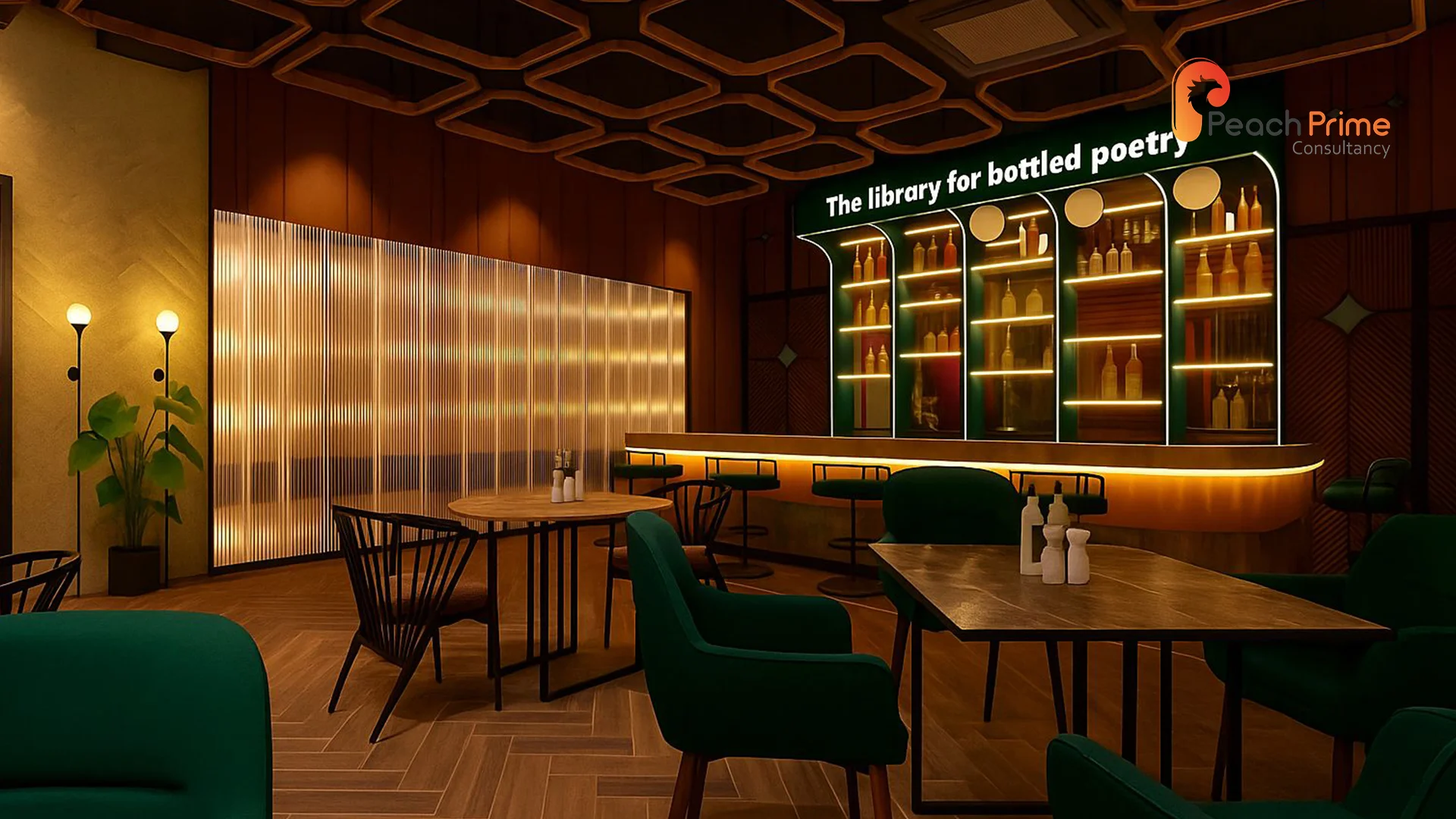
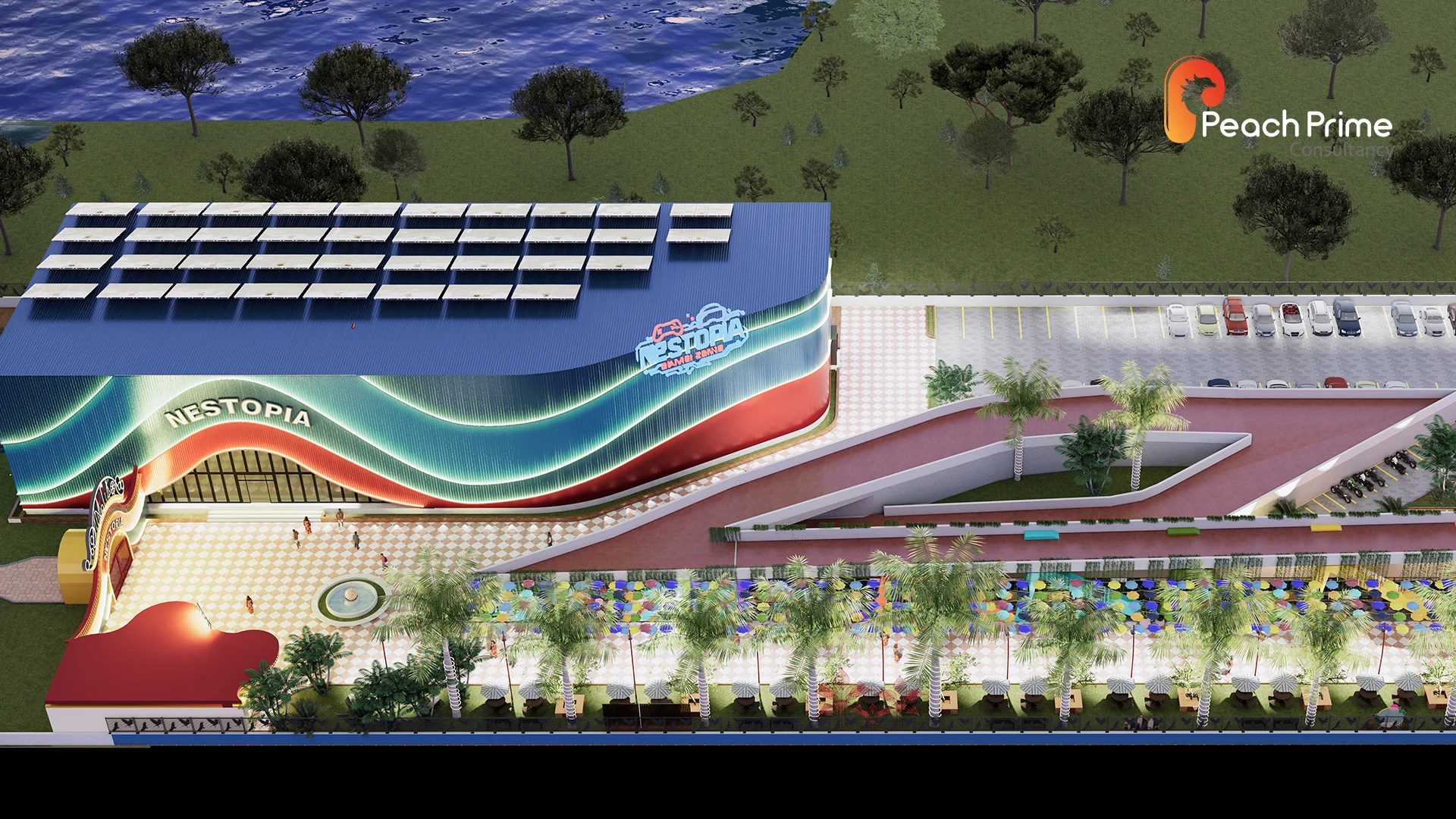
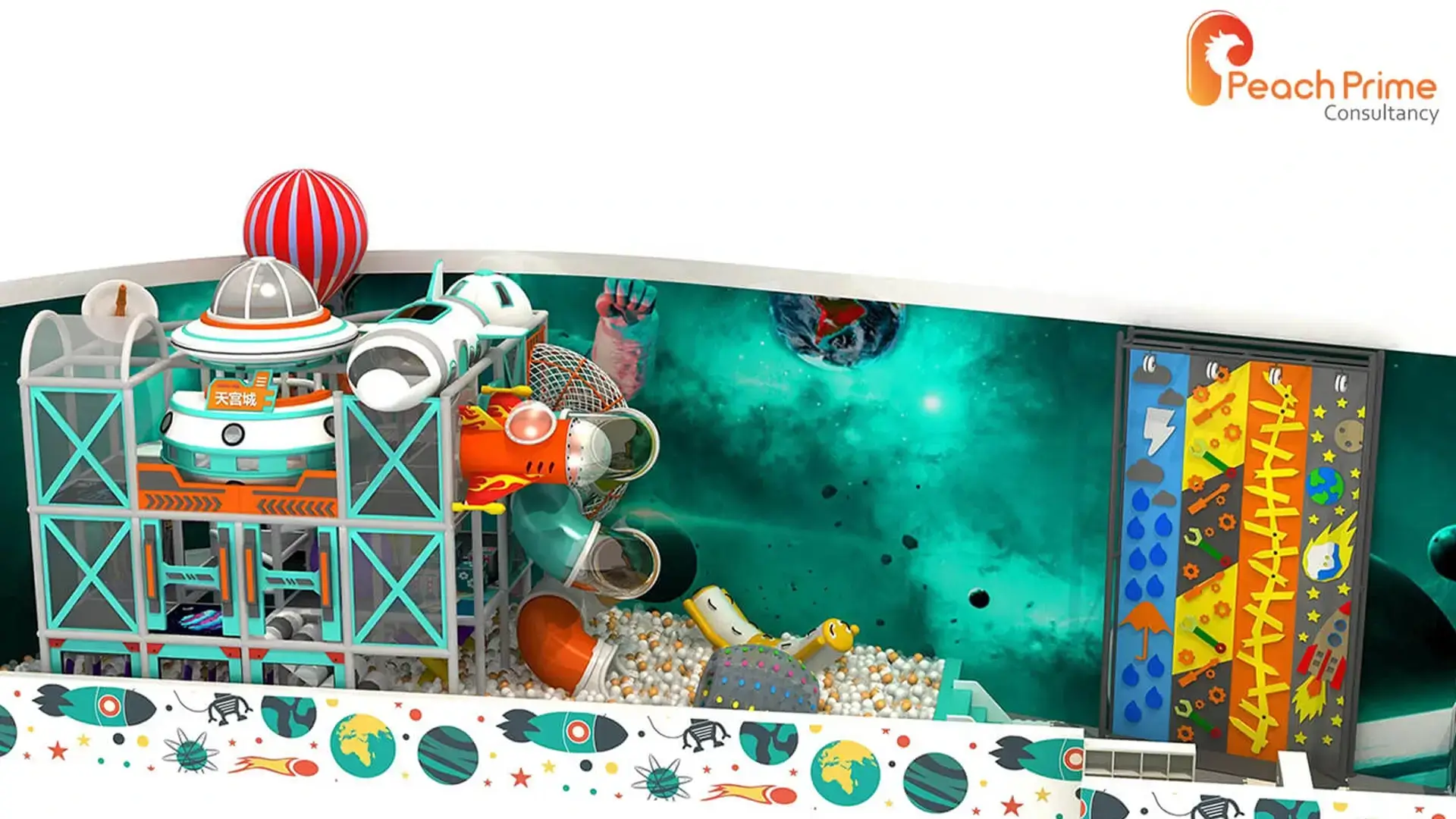
We deliver the layout as clear 2D plans and 3D visuals so stakeholders can see and approve the venue before it is built. The drawings show zoning, machine placement, circulation, and service points, and they form the basis the equipment, interior, and installation stages build on, so the venue that opens matches the plan that was approved.
Layout for Malls, Standalone Venues, and FECs
The right layout depends on the setting. A mall game zone has to read clearly from the mall walkway and convert passing footfall, so the entrance and the headline machines do a lot of work. A standalone venue can build a longer journey with more zones and dwell space. A game zone inside an FEC has to connect cleanly with the other attractions and the shared circulation. We plan each format to its own strengths.
Common Layout Mistakes to Avoid
- Overfilling the floor. Too many machines crowds the space and lowers comfort and dwell time.
- Hiding the prize counter. A counter that is hard to see weakens redemption spend.
- Queues across walkways. Poorly placed popular machines create blockages that frustrate visitors.
- Ignoring services. Layouts that do not account for power and network create costly changes later.
Why Choose Peach Prime
- Commercial layouts. Every placement is judged on earning density and flow, not on filling space.
- Joined up design. Layout connects directly to our concept, equipment, and installation work.
- Independent. We plan around your returns, not a supplier’s machine count.
- Experience across markets. We plan gaming and entertainment venues for clients in India and worldwide.
Global and Asia Reach
Peach Prime is headquartered in Vadodara, India, and our game zone layout and space planning work extends across India and into Asia, the Middle East, and other global markets. We support international clients through a blend of remote planning and on site engagement, and we adapt every project to local visitor preferences, building norms, and budgets while holding to the same structured process. Whether the venue is in an Indian metro, a Tier 2 city, or a development overseas, the method and the level of rigour stay the same.