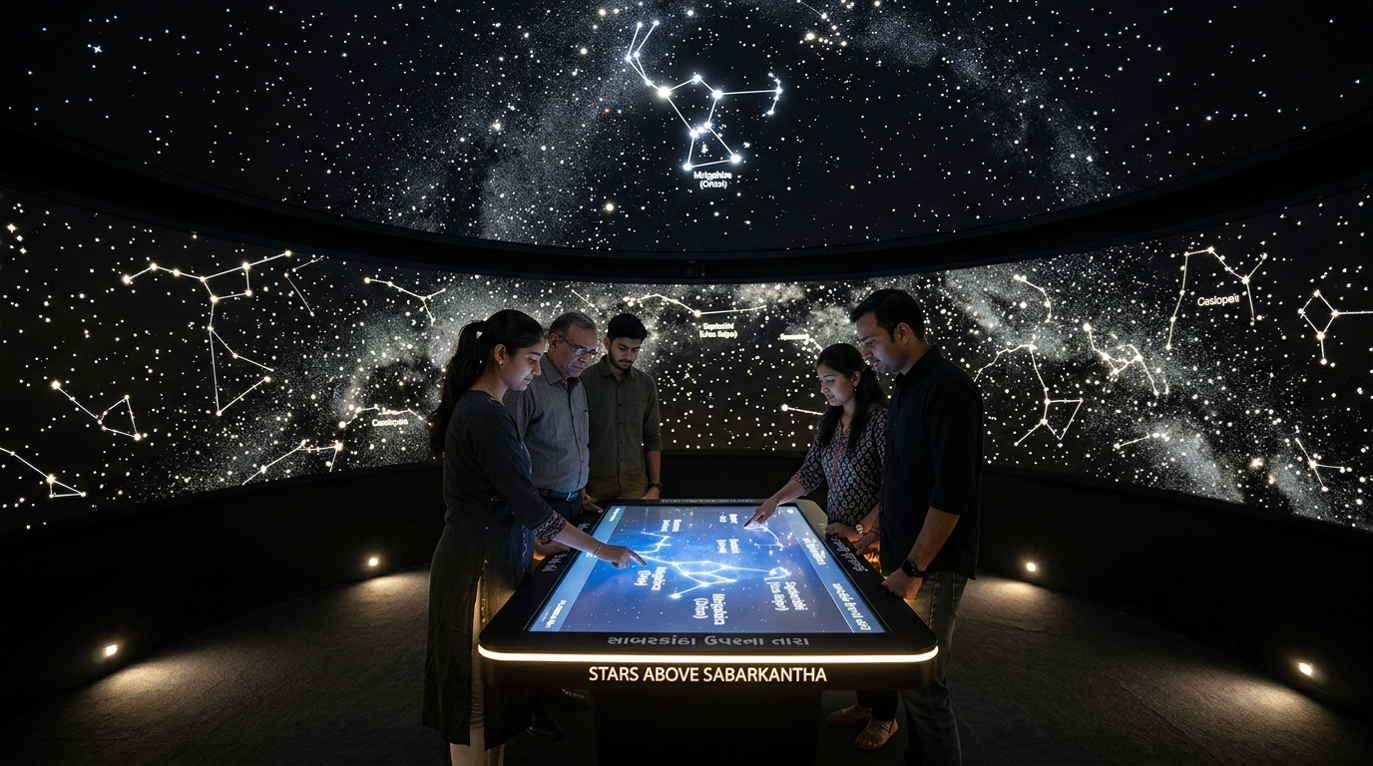
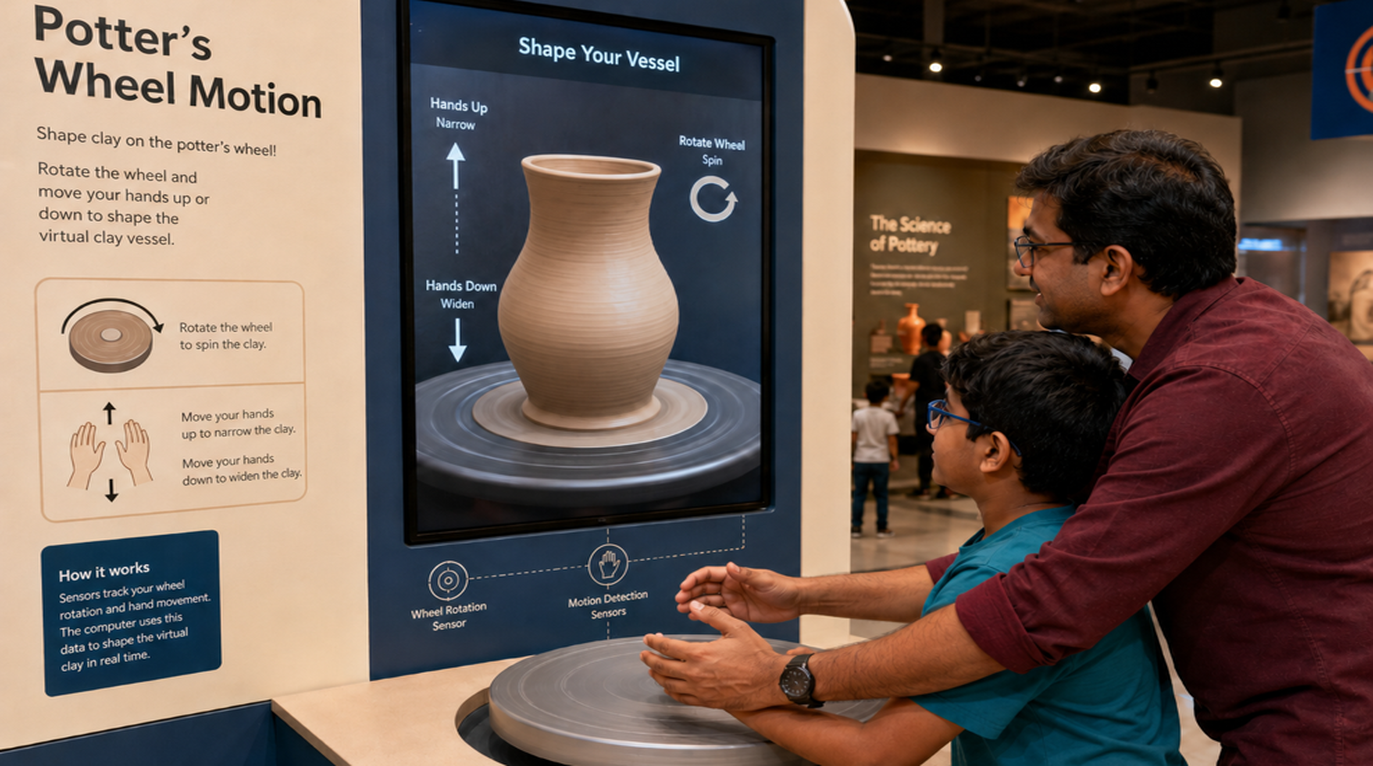
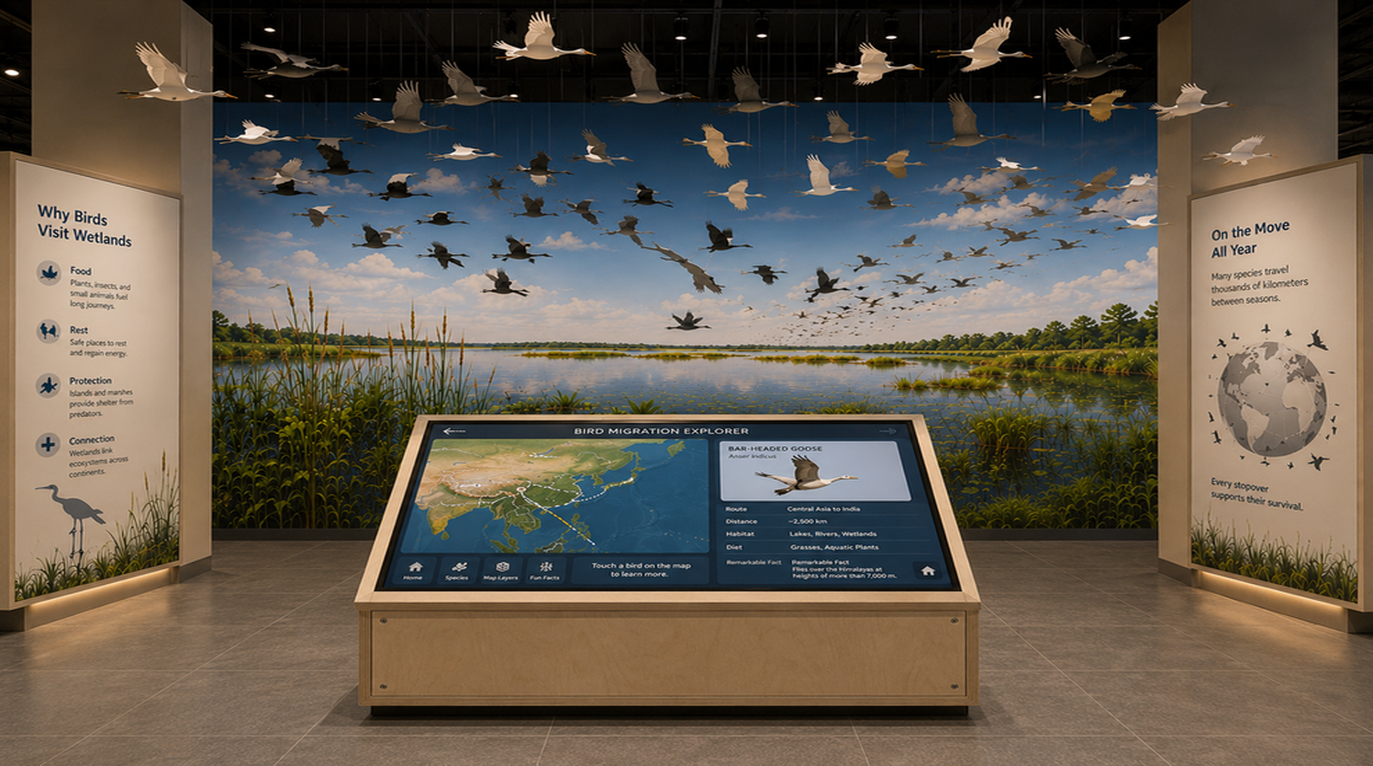
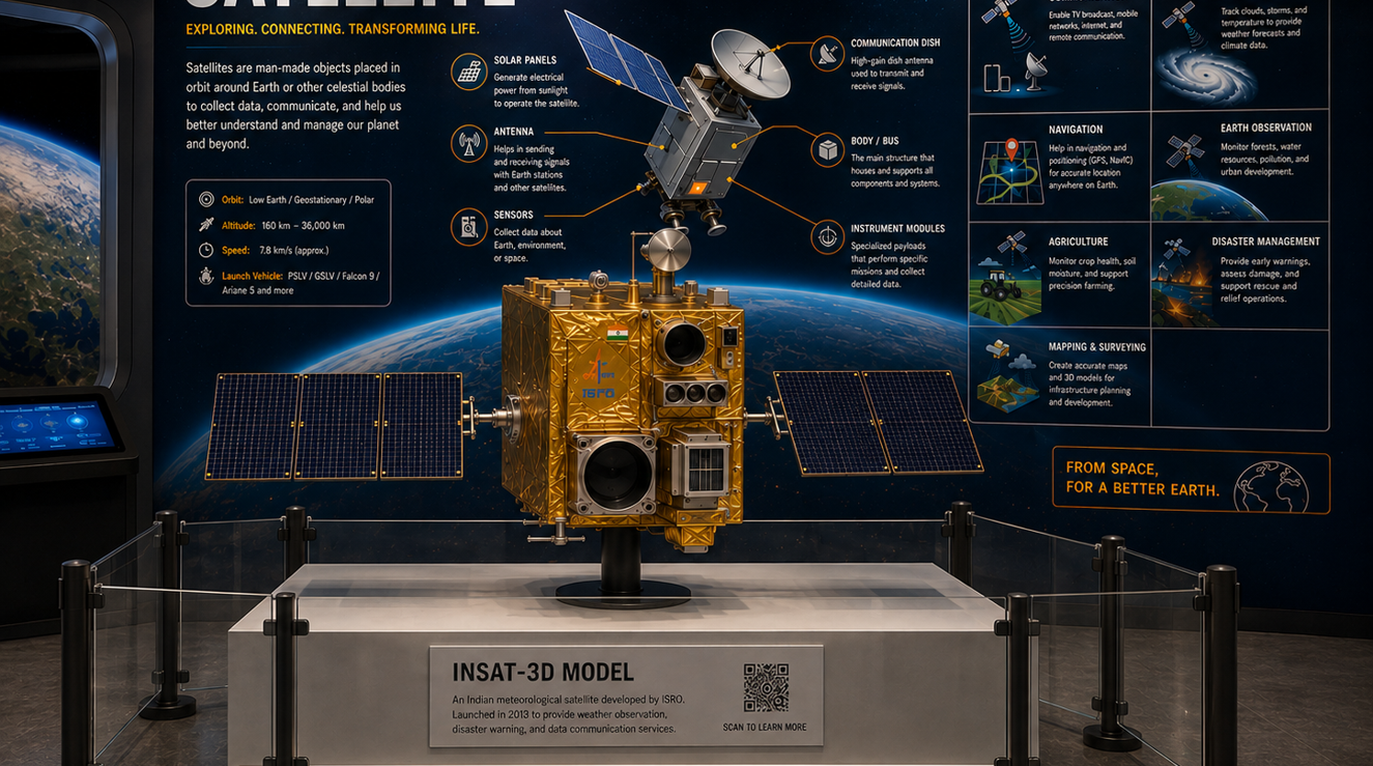
In India’s newest capital city, Peach Prime Consultancy is shaping something no conventional museum brief could produce: a science city designed to grow, entertain and pay for itself. Commissioned for Amaravati, Andhra Pradesh’s greenfield capital region, the project began not with architecture but with a feasibility study – and its central finding now defines the destination. The Science City at Amaravati is conceived as an integrated science and entertainment complex, developed as a long-term public-private partnership in which a new gallery or attraction opens every one to two years, building toward a destination unique not only for Andhra Pradesh but on the world stage.
It Began with a Question: Can a Science City Sustain Itself?
Most science centres, in India and worldwide, share an uncomfortable truth: they depend on government subsidy to survive. Education-driven footfall alone rarely covers operations, and galleries age faster than budgets renew them. Before a single gallery was conceptualized for Amaravati, Peach Prime conducted a comprehensive project feasibility study to confront this problem head-on. The study examined the catchment and demand profile of the Amaravati capital region and its surrounding districts; benchmarked leading science cities and edutainment destinations across the world; modeled visitor volumes, ticket yields and dwell times; projected revenues across admissions, F&B, retail, events, sponsorships and memberships; and mapped capital expenditure against a phased development calendar. The conclusion was clear: a traditional, education-only science centre would not be financially sustainable at this scale – but an integrated destination could be.
Not a Traditional Science City – An Integrated Destination
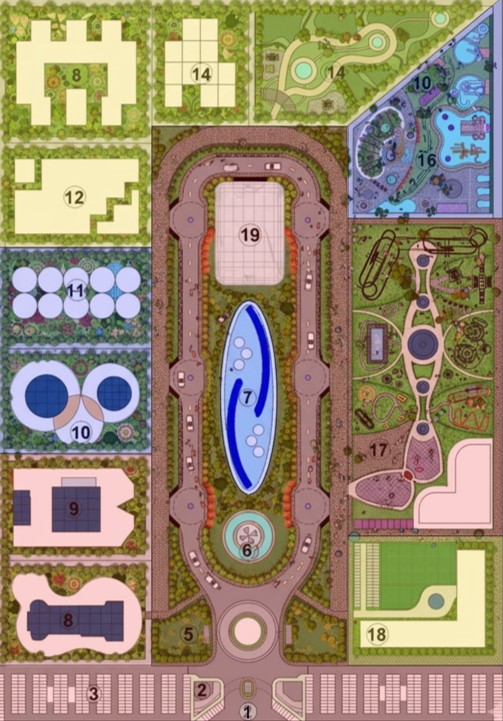
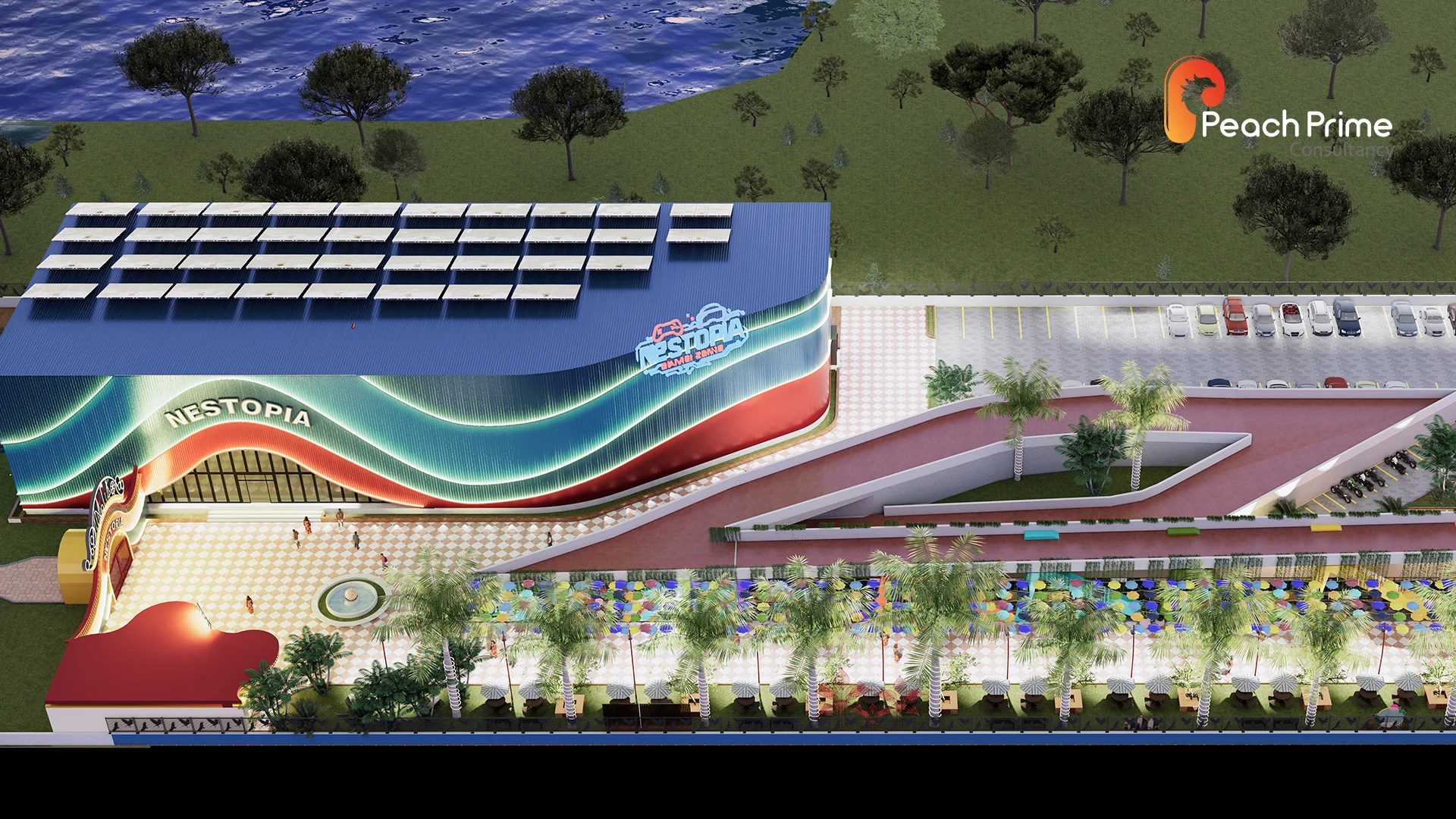
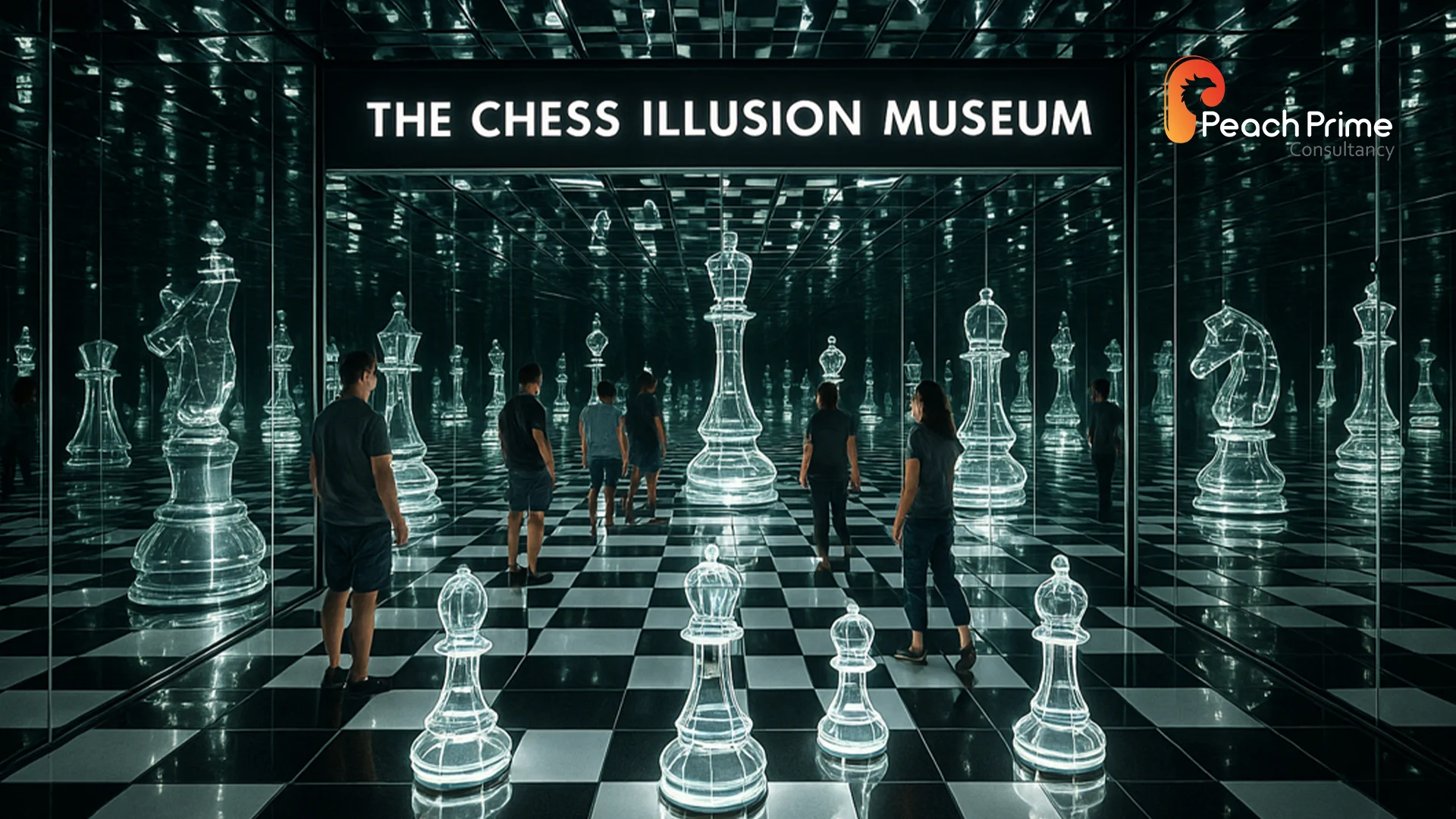
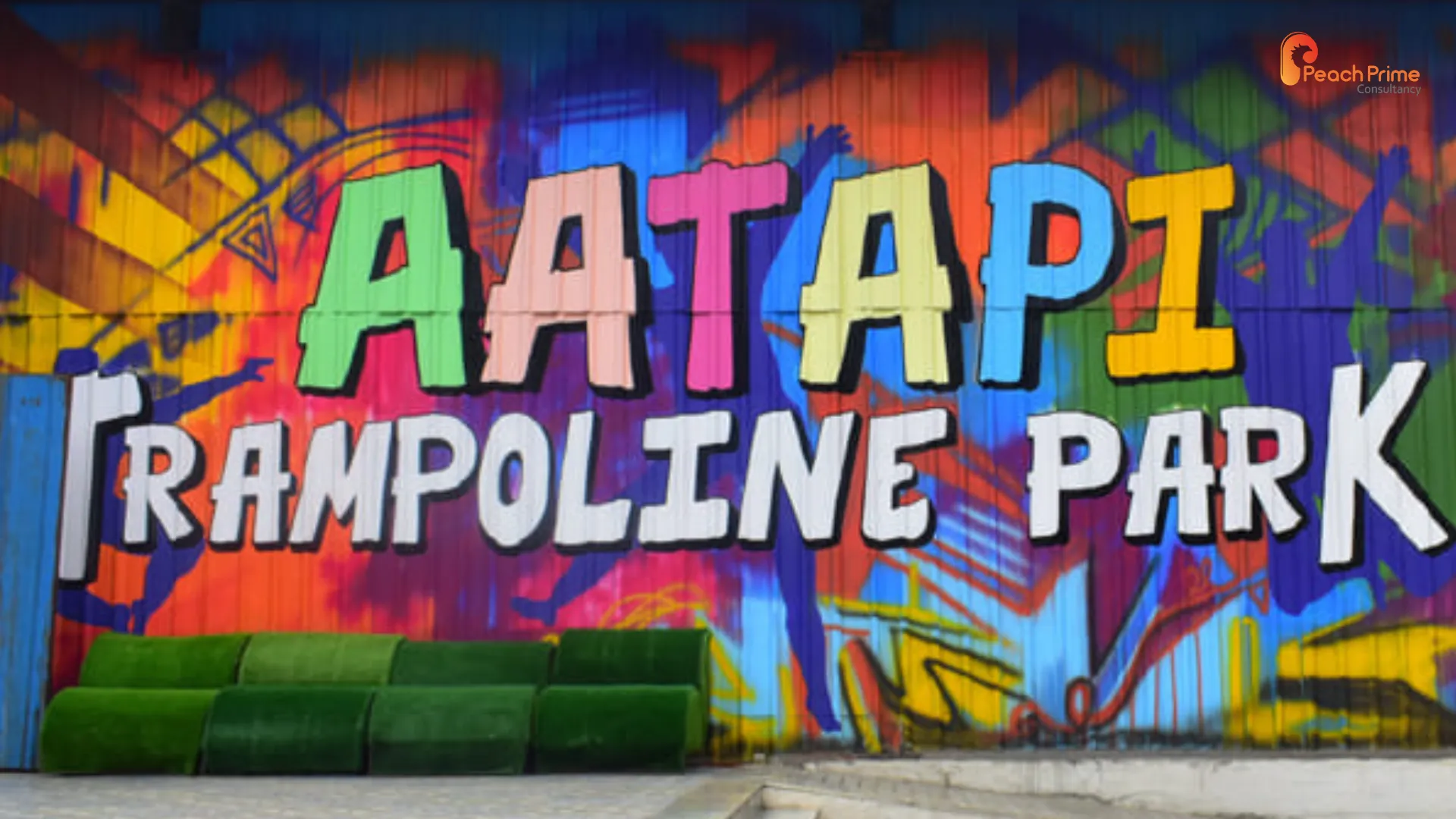
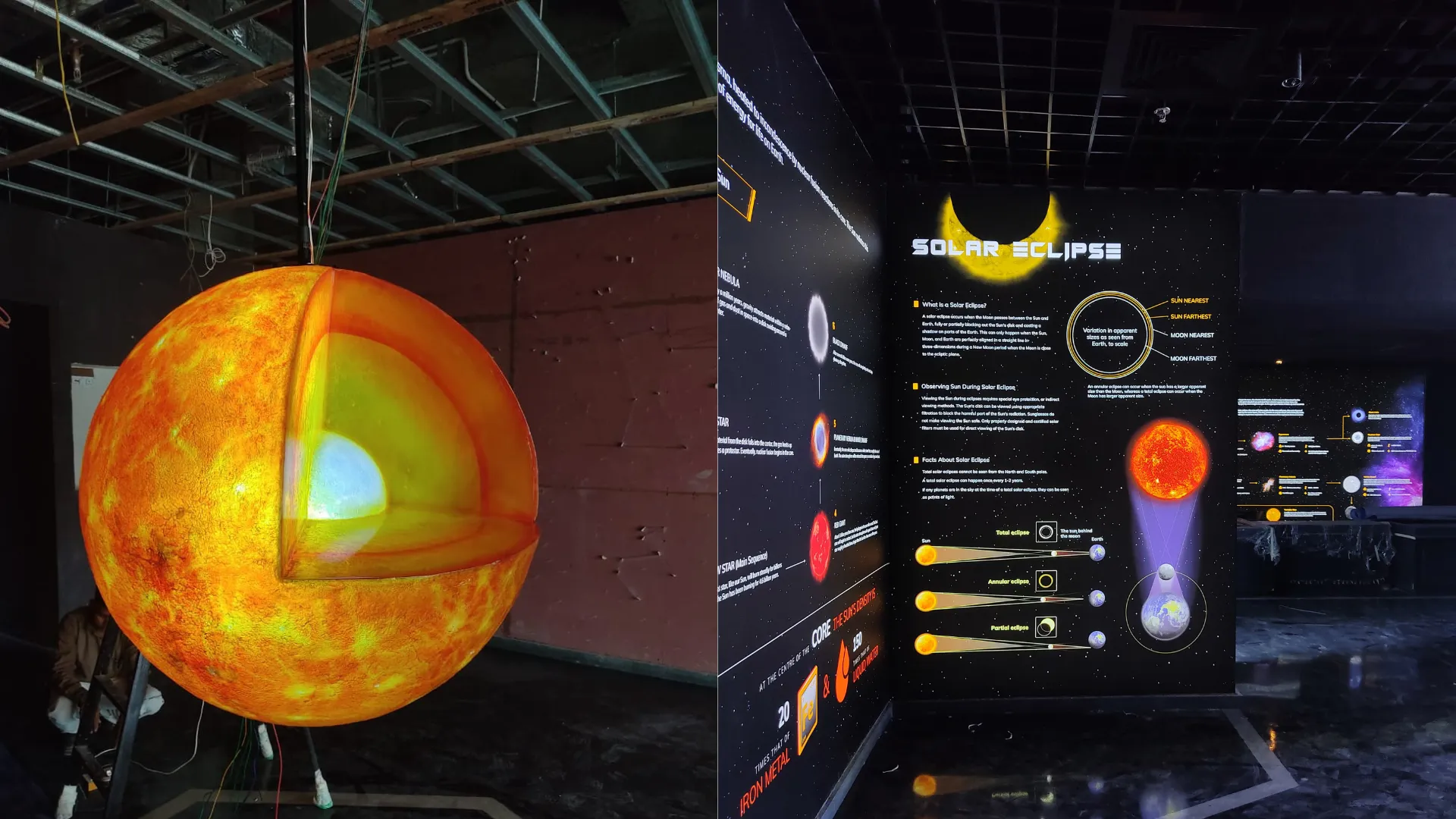
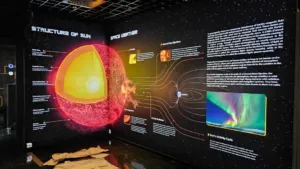
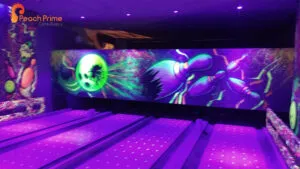
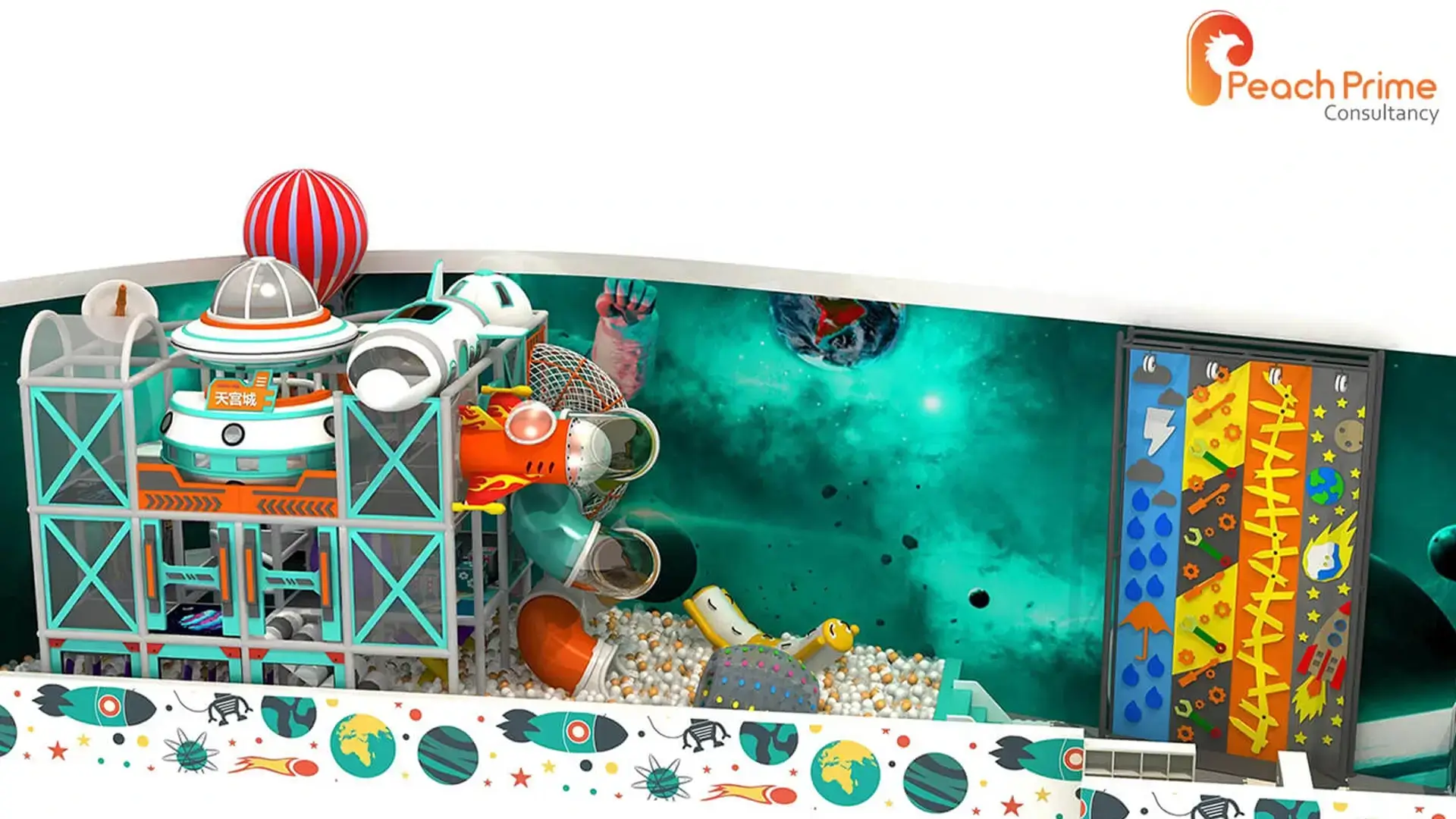
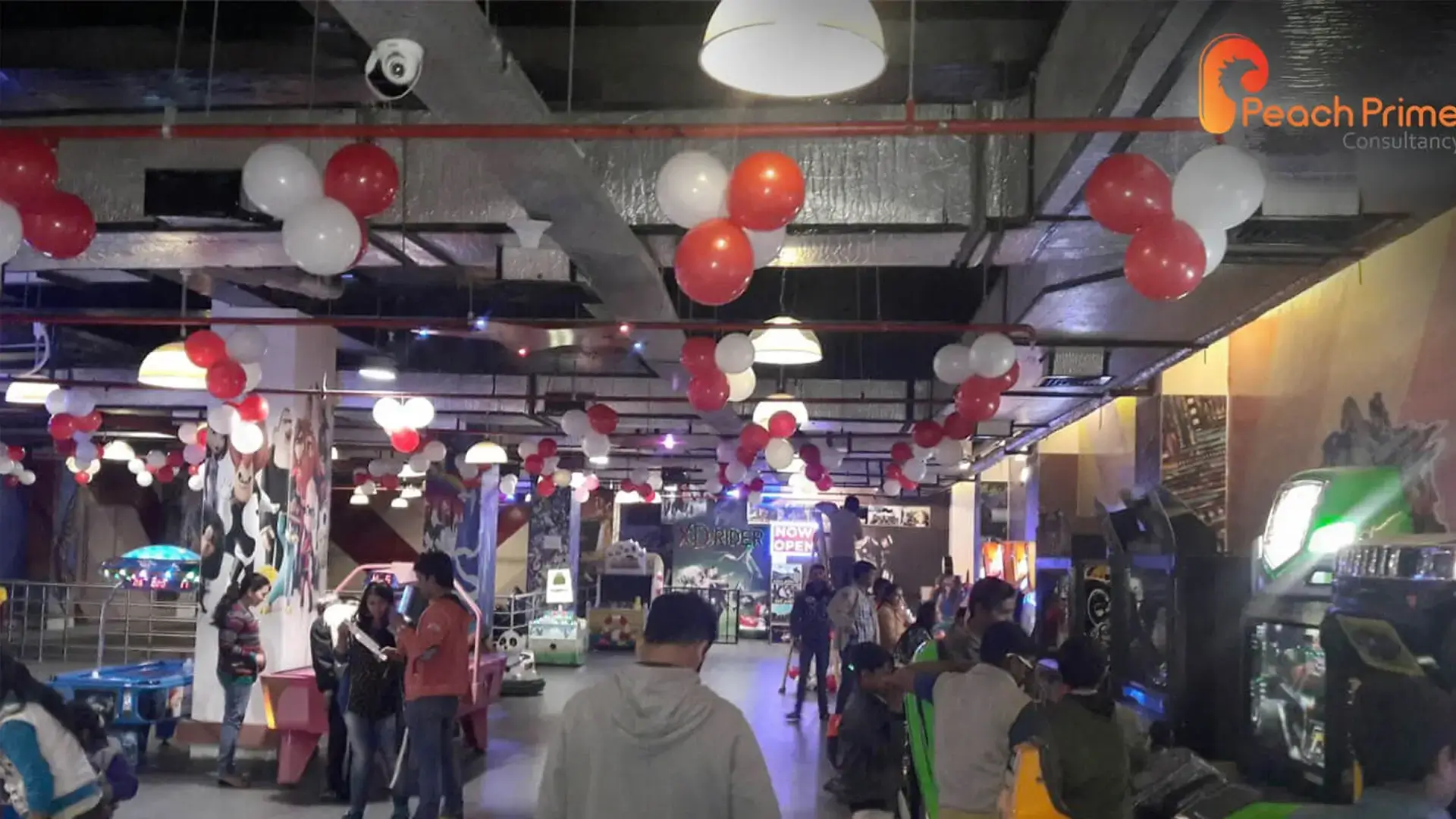
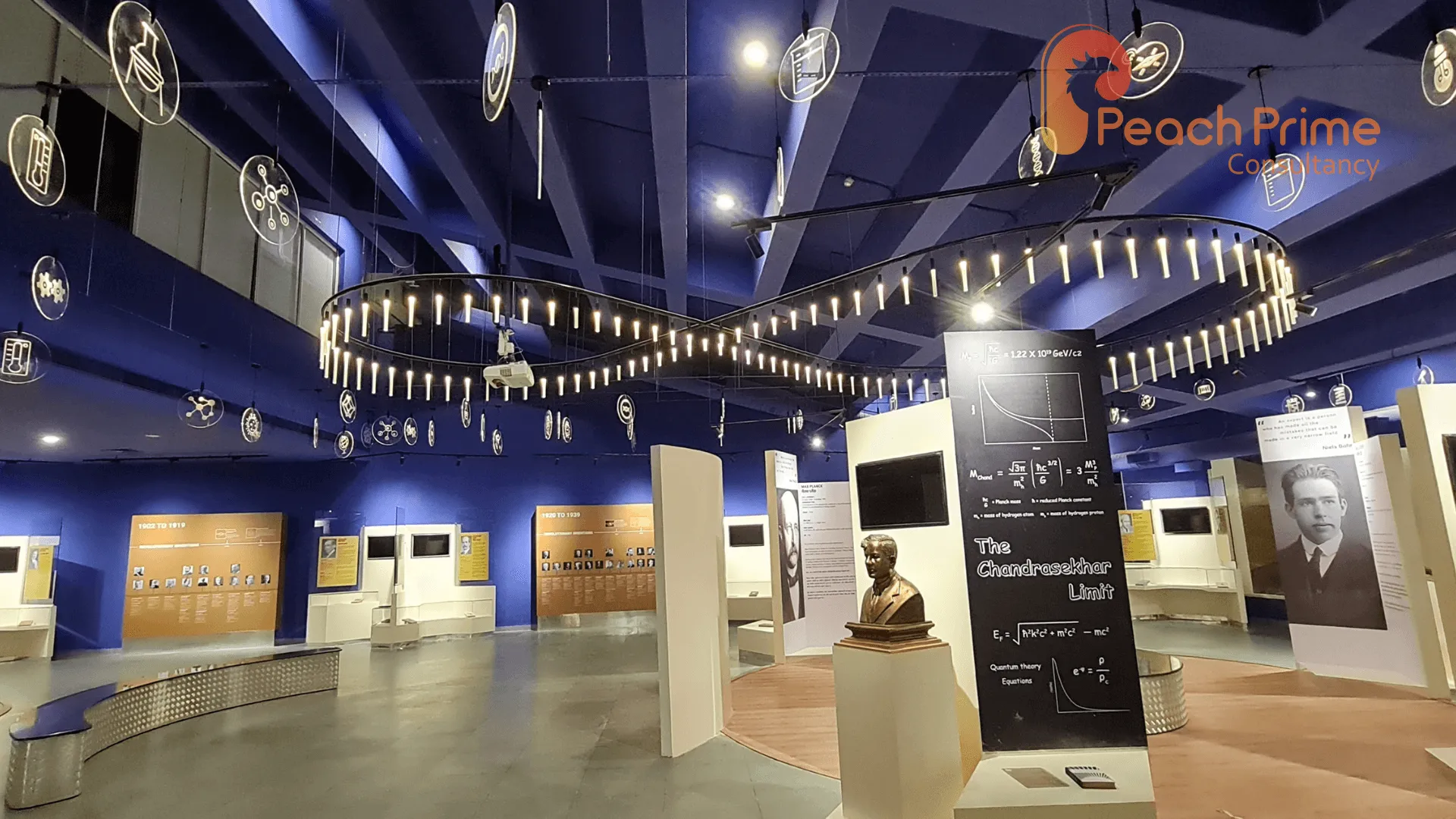
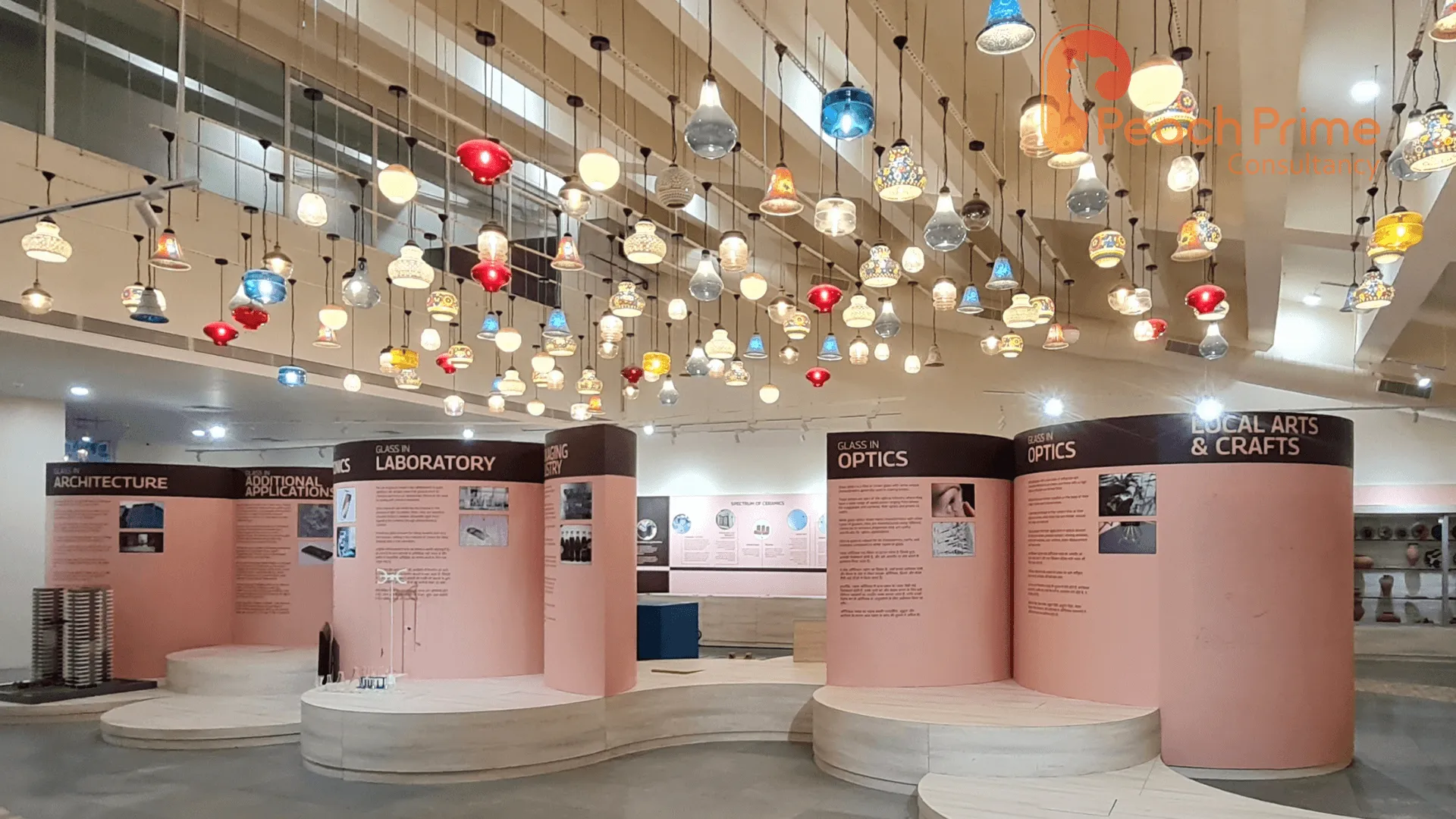
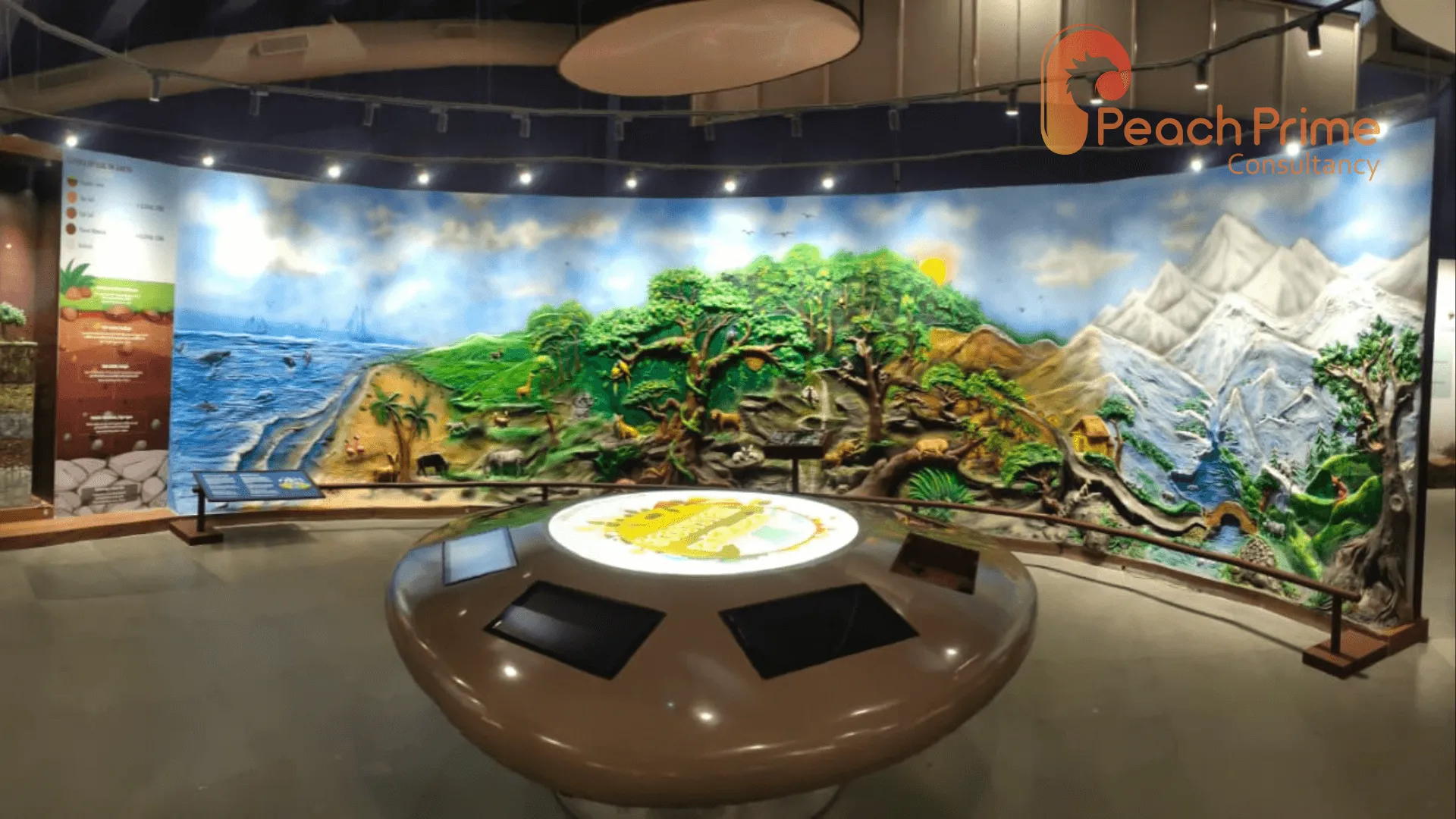
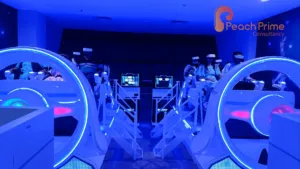
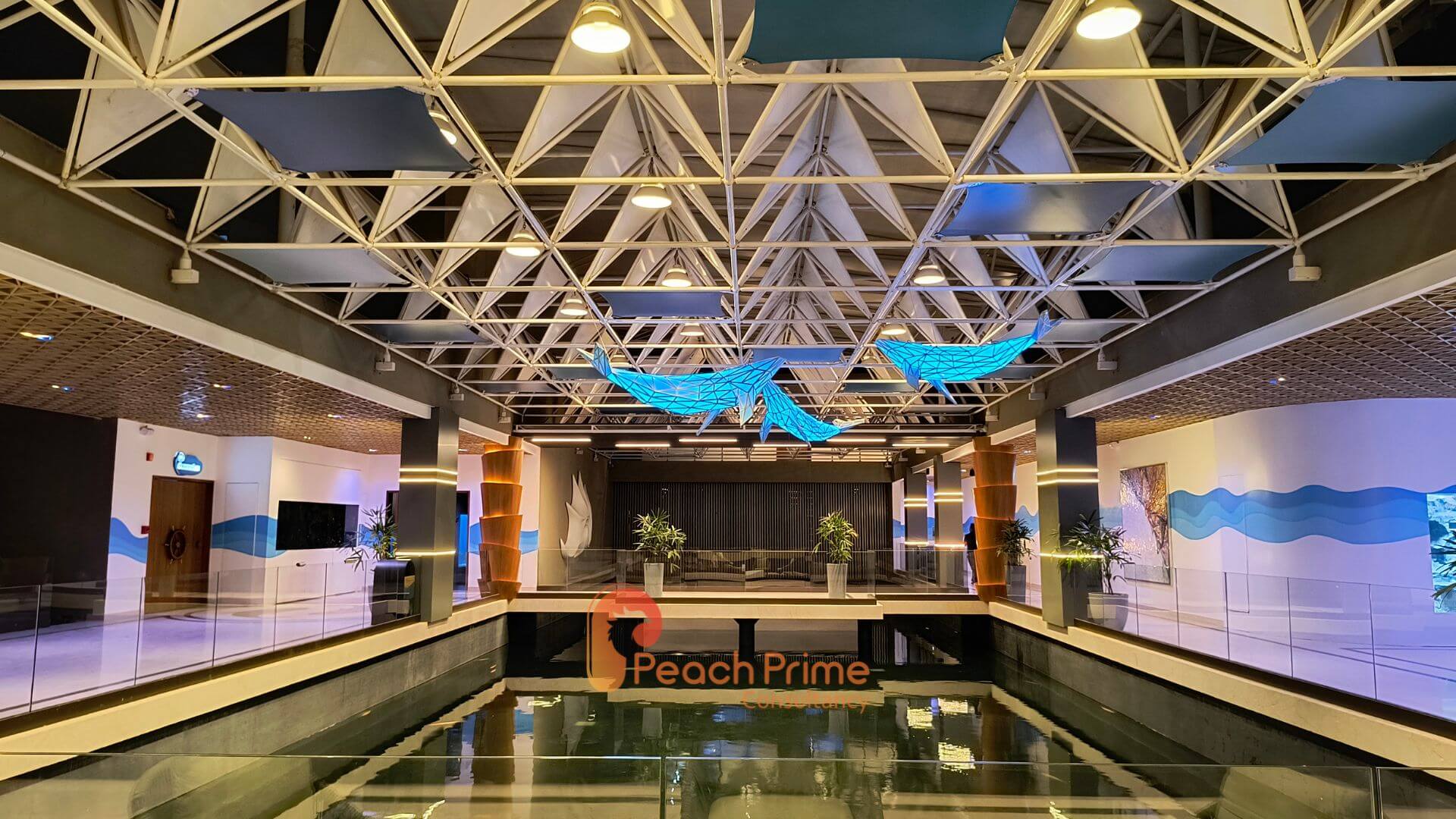
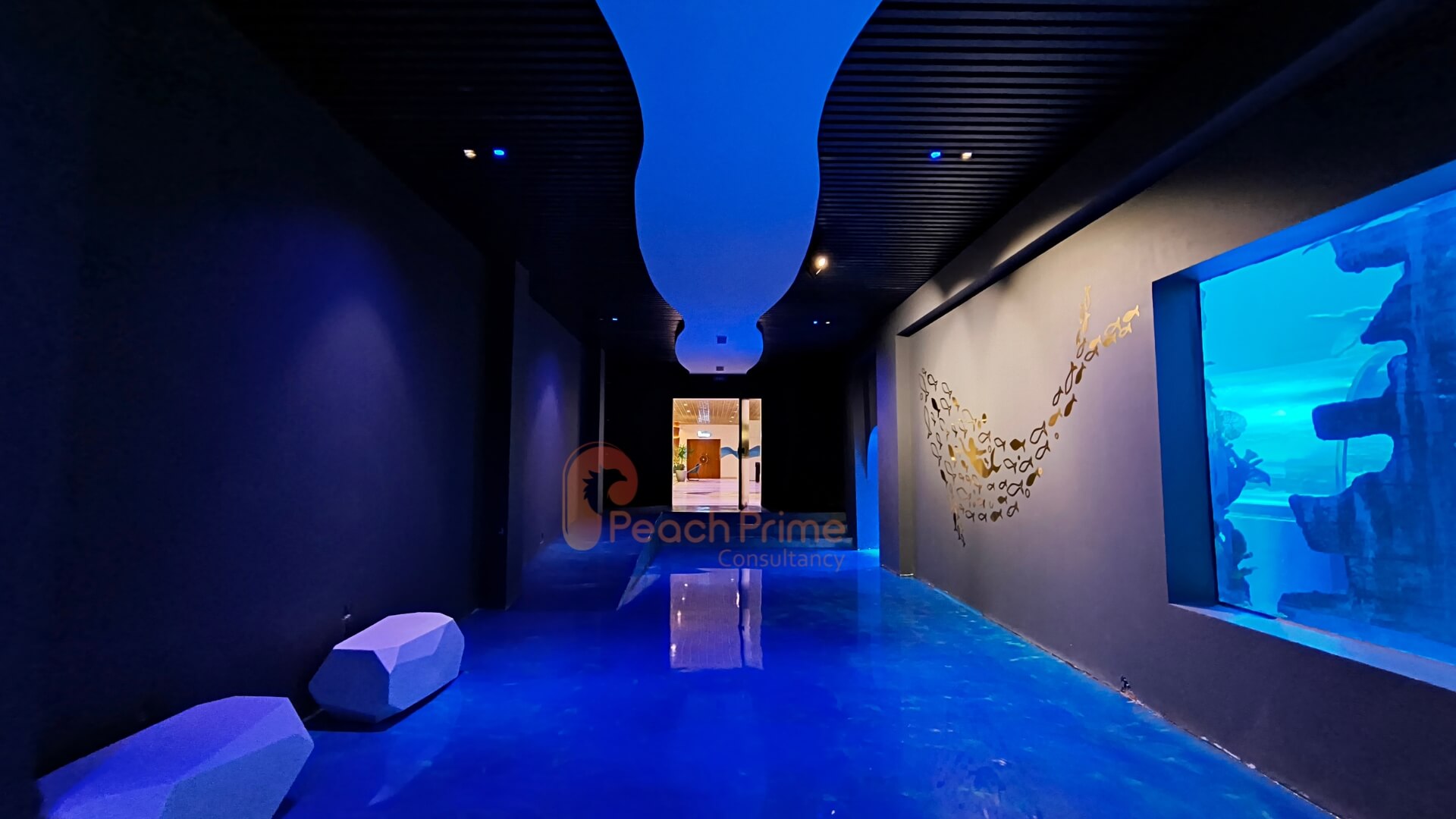
That feasibility finding became the project’s design philosophy. Amaravati’s Science City is planned as an integrated complex where world-class science galleries share a campus with entertainment anchors: immersive theatres and multimedia shows, family entertainment and interactive attractions, event spaces and evening programming, food and beverage precincts and themed retail. The two halves are designed to feed each other. Entertainment draws the crowds, extends dwell time into the evening and generates the commercial revenue that keeps the destination financially healthy; the science galleries give the destination its purpose, credibility and repeat educational visitation. Visitors who come for an evening show discover the galleries; school groups who come for the galleries stay for the experiences. The result is a self-reinforcing destination – education made viable by entertainment, entertainment given meaning by education.
A Destination That Never Stops Opening
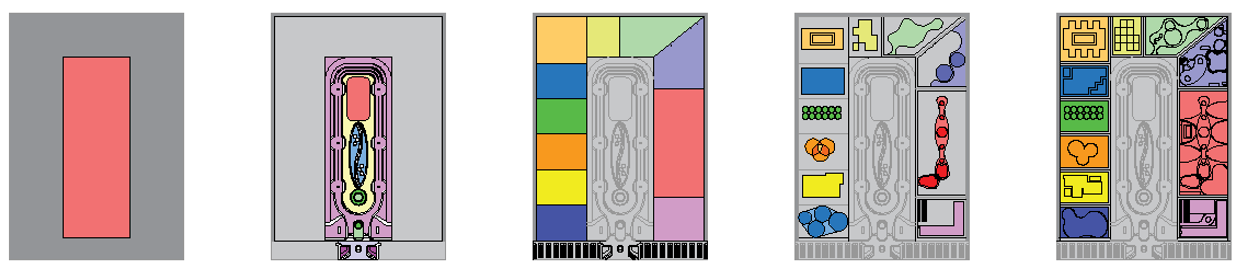
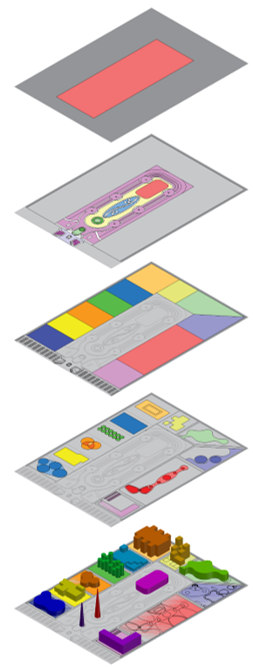
Large attractions typically face the same fate: a spectacular opening year, then slowly aging galleries and declining repeat visitation. Amaravati’s master plan inverts that model. The science city is sequenced as a series of openings rather than a single one – every year or two, a new gallery or attraction comes online. The destination stays permanently new: a fresh reason for schools to return, a new headline for the city, a growing asset rather than a depreciating one. For a young capital still building its population, tourism economy and cultural infrastructure, phasing also matches investment to demand – the science city grows as Amaravati grows.
Engineered for the Public-Private Partnership Model
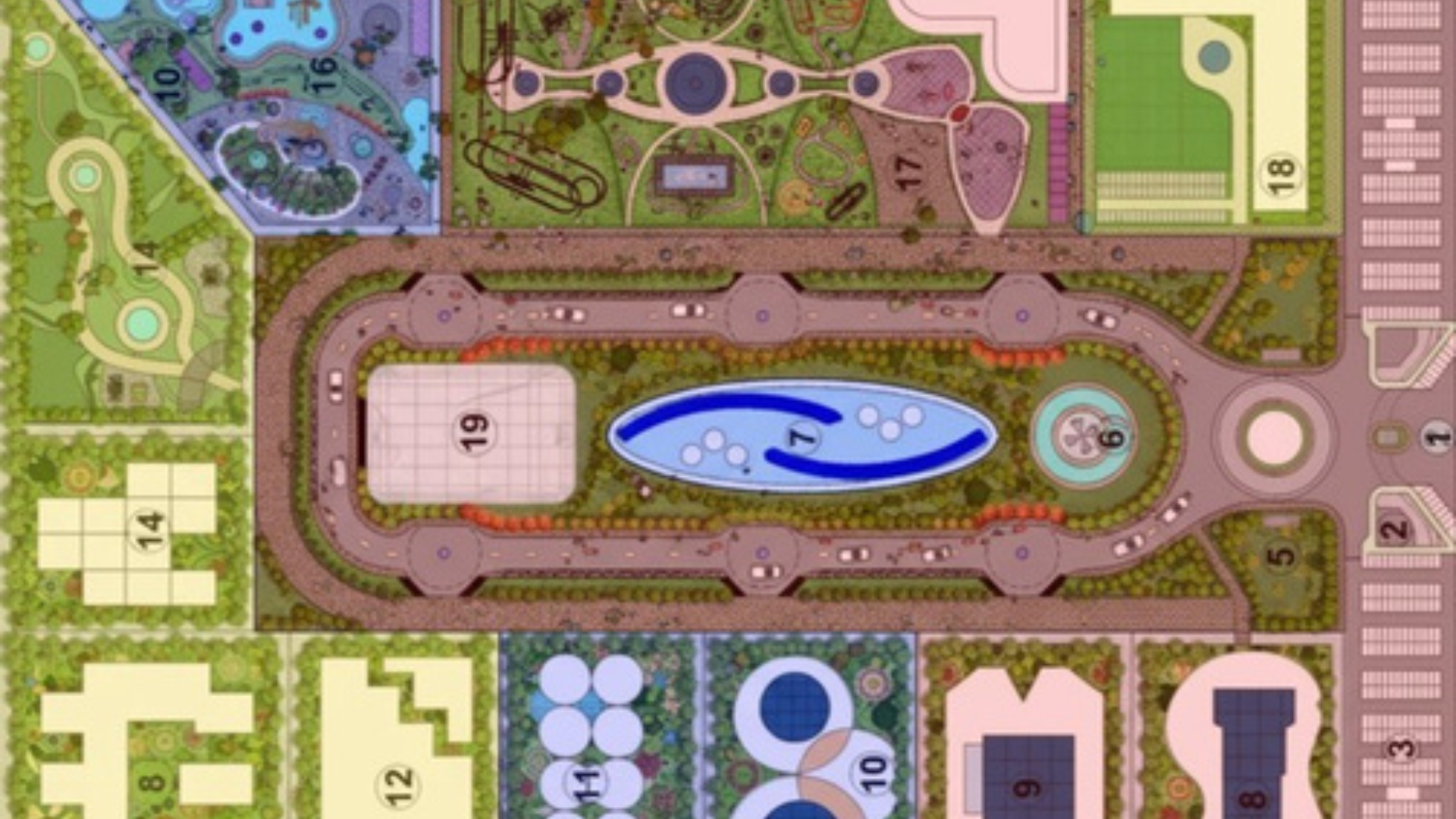
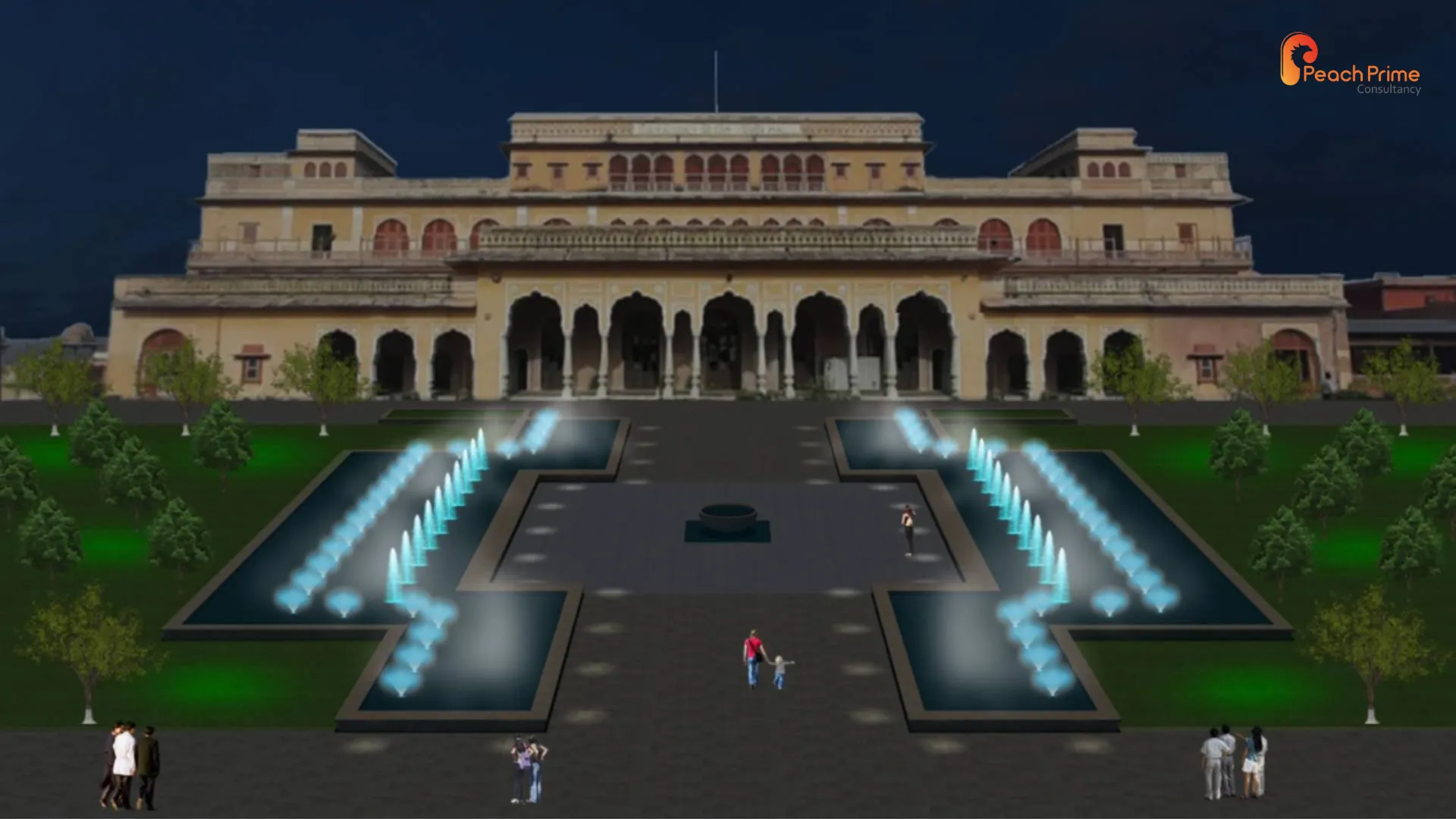
A phased science city only works if its economics do. The master plan is structured for PPP delivery from the ground up: each phase is a bankable module with its own capital envelope, revenue projection and operational plan, allowing public and private partners to share investment, risk and returns across the project’s life. Shared infrastructure – arrival plaza, ticketing, F&B spine, landscape and parking – is master-planned for the full build-out from day one, so every subsequent gallery plugs into a working destination. Early phases are sequenced to build footfall and brand quickly; later phases add depth, spectacle and repeat-visit drivers. Visitors never see a construction site – they see a destination that keeps growing.
A Global Benchmark in the Making
The ambition set for Amaravati is explicit: not the best science centre in the state, but a science city the world takes note of. That ambition shapes every planning decision – internationally benchmarked gallery scales, experience standards drawn from the world’s leading science and edutainment destinations, and a curatorial framework flexible enough to absorb the technologies of the next twenty years. Because the campus is designed to evolve, the Science City becomes both a showcase of science and a live demonstration of it: a city-scale project that learns, adapts and expands – decade after decade.
Project Highlights at a Glance
- Comprehensive project feasibility study: catchment analysis, global benchmarking, revenue modeling and CAPEX phasing – completed before design began
- Re-conceptualized from a traditional science centre into an integrated science & entertainment destination for financial viability
- Long-term public-private partnership with bankable, phase-wise development modules
- A new gallery or attraction opening every 1-2 years – a destination that never ages
- Commercial anchors – immersive shows, events, F&B and retail – sustaining world-class science galleries
- Shared infrastructure master-planned for full build-out from day one
- Internationally benchmarked experience and exhibit design standards
- Feasibility, master planning, gallery design, curation, theming and AV by Peach Prime Consultancy