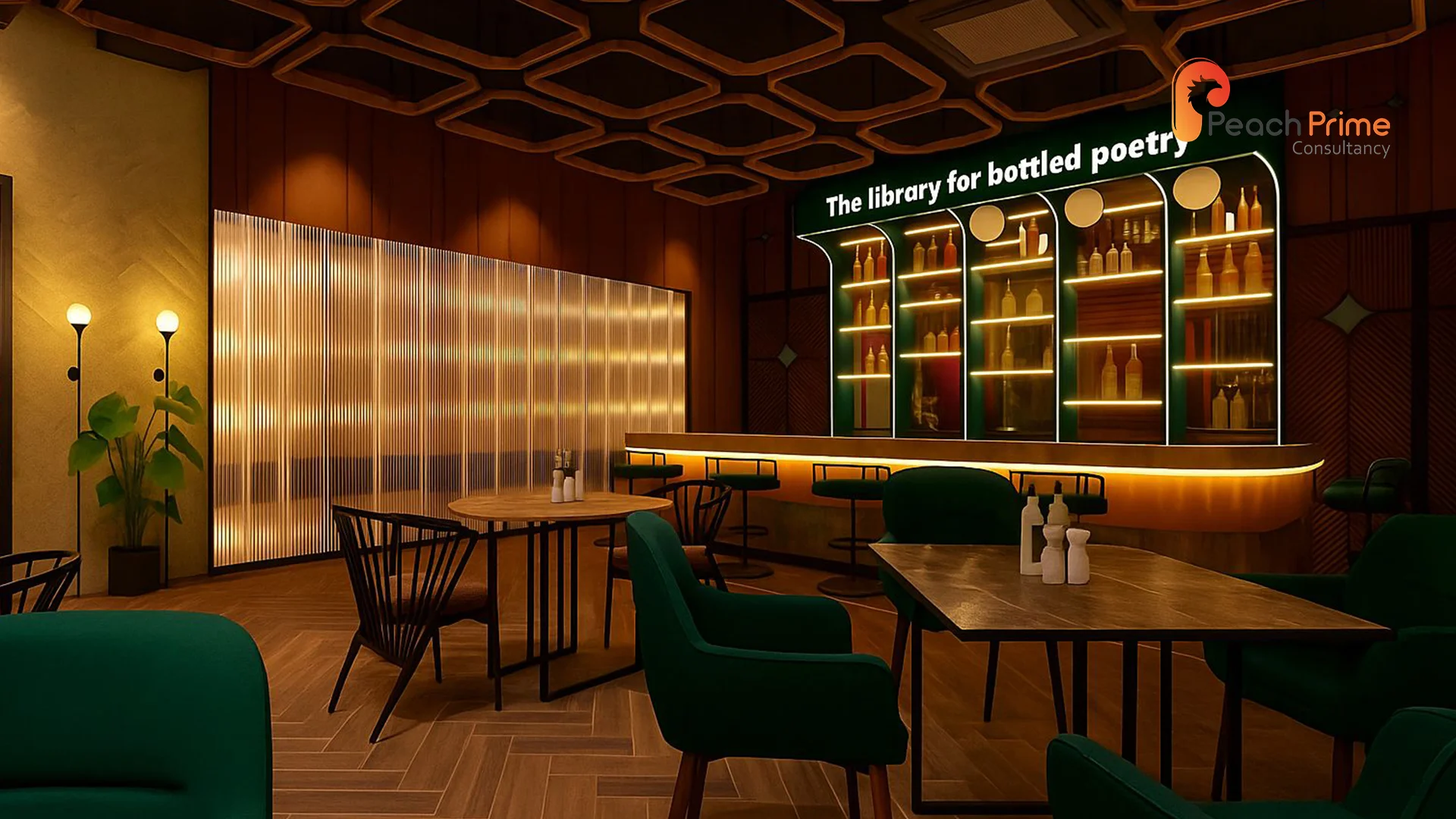
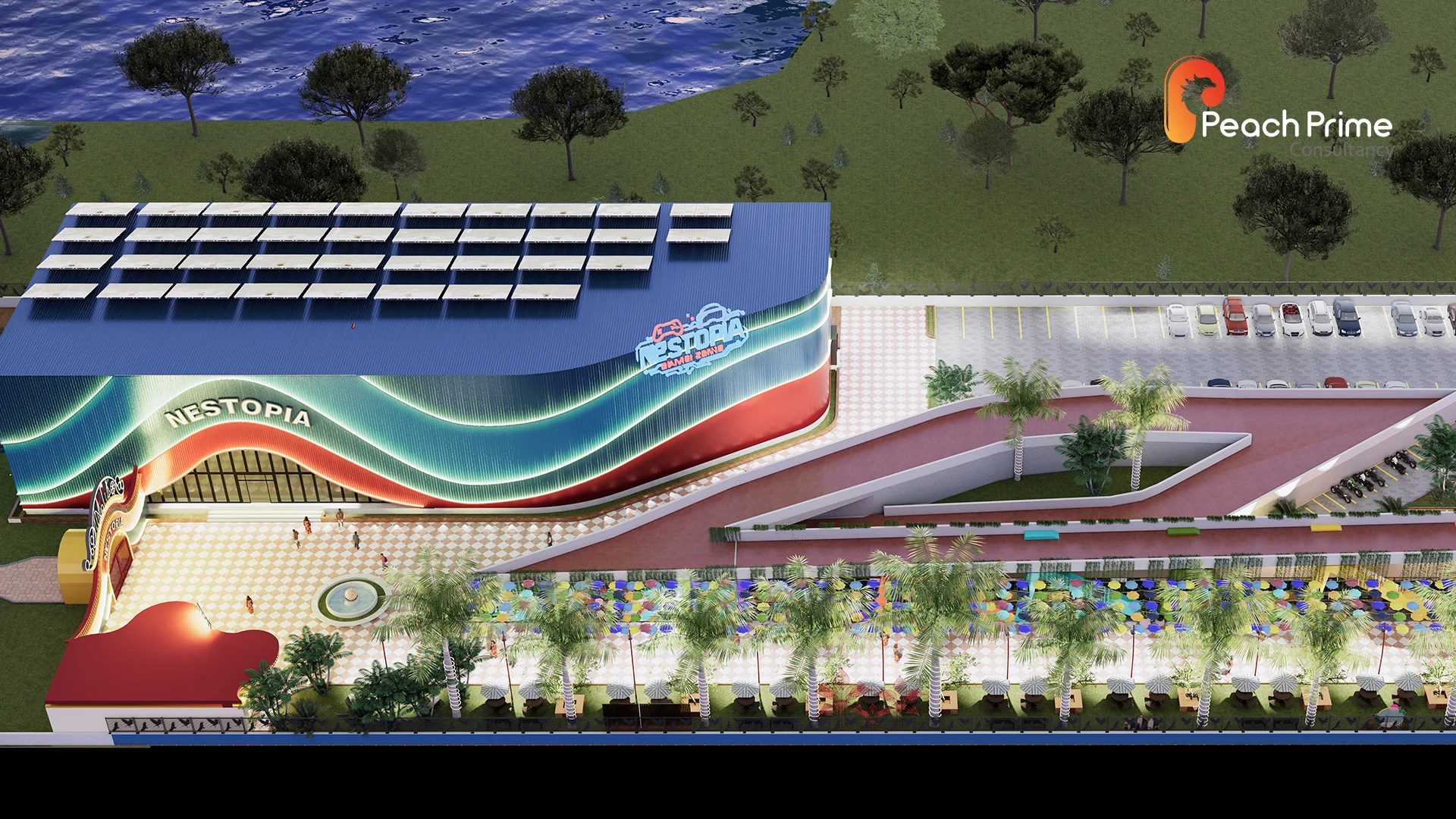
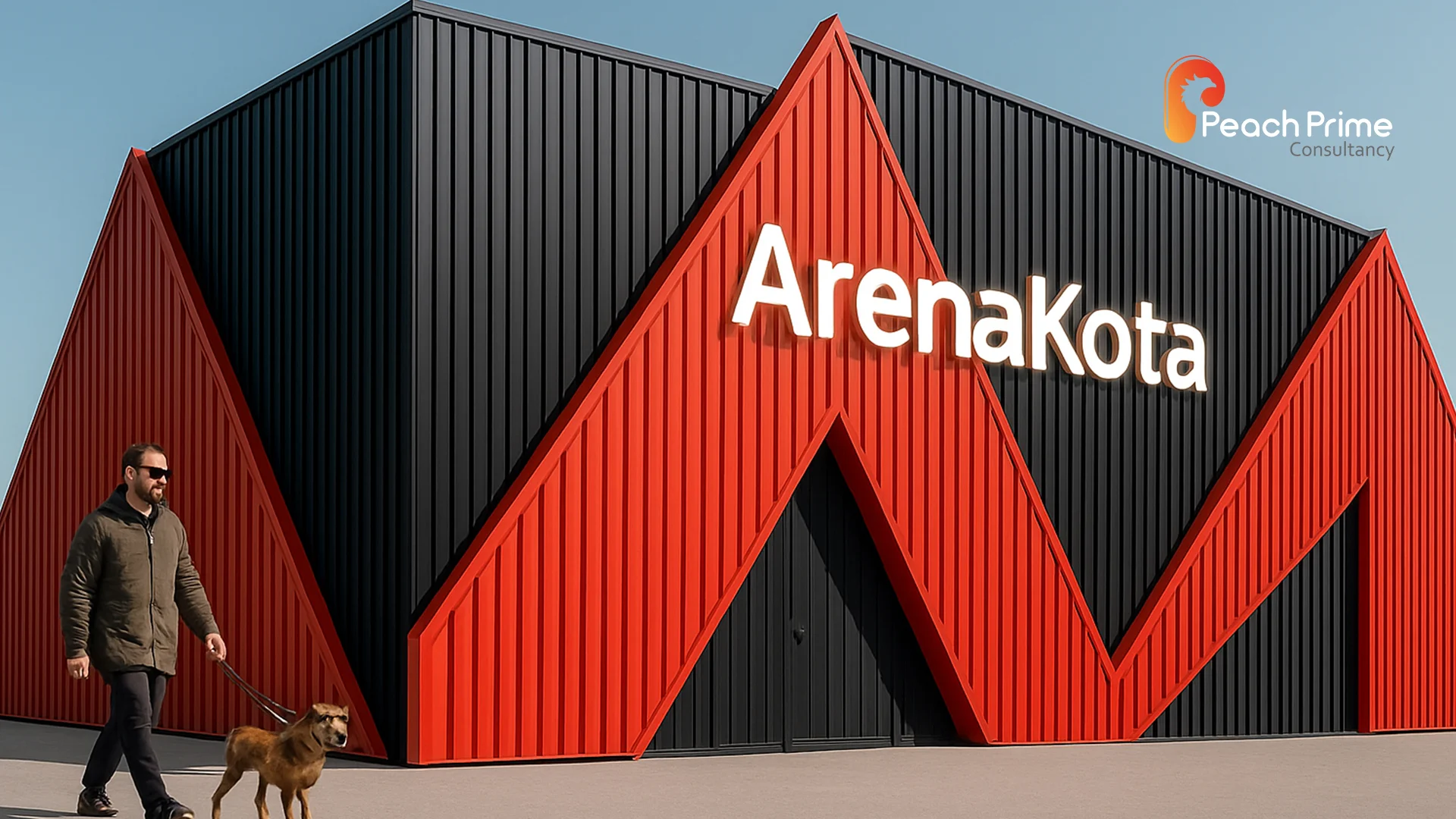
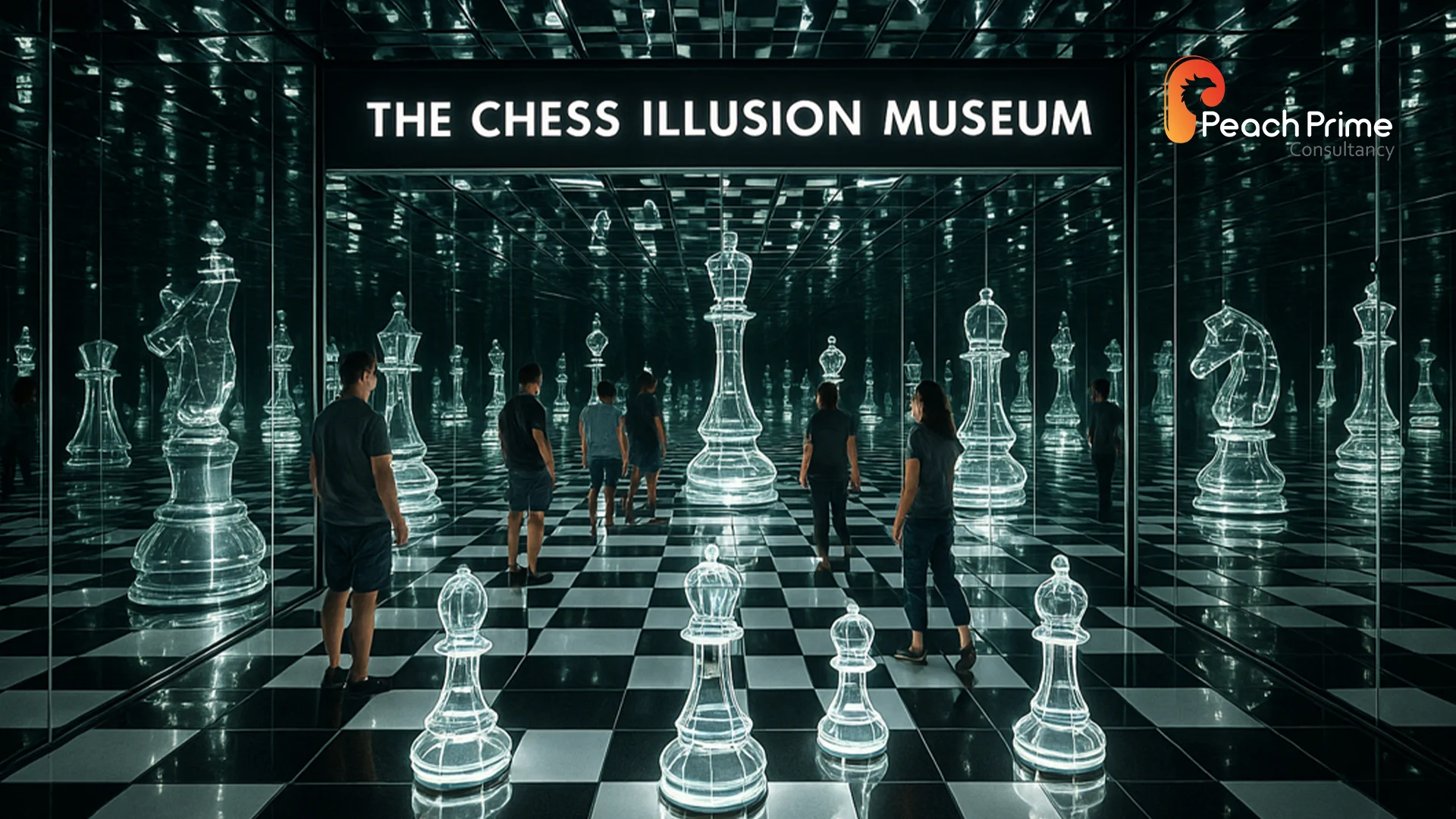
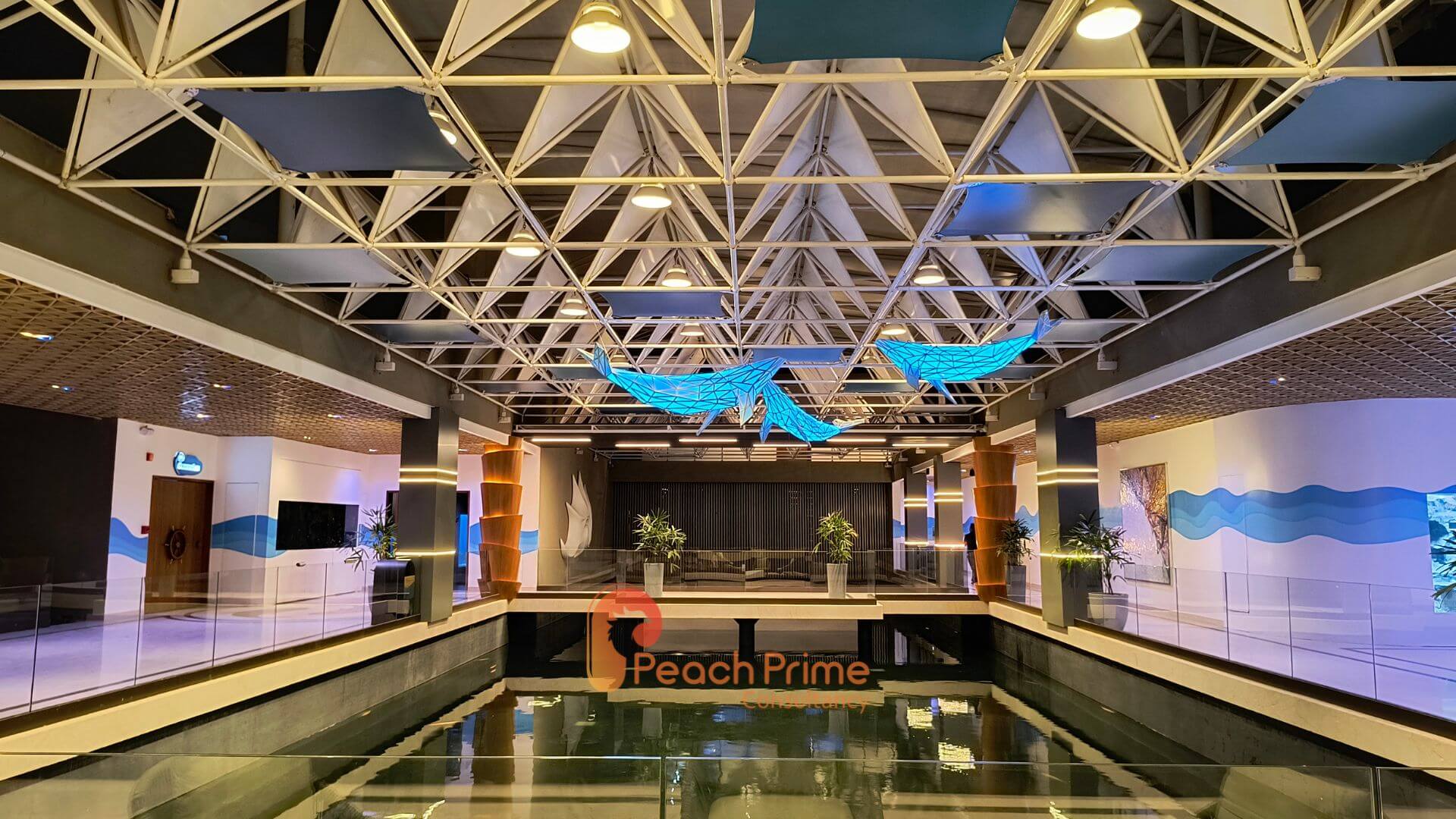
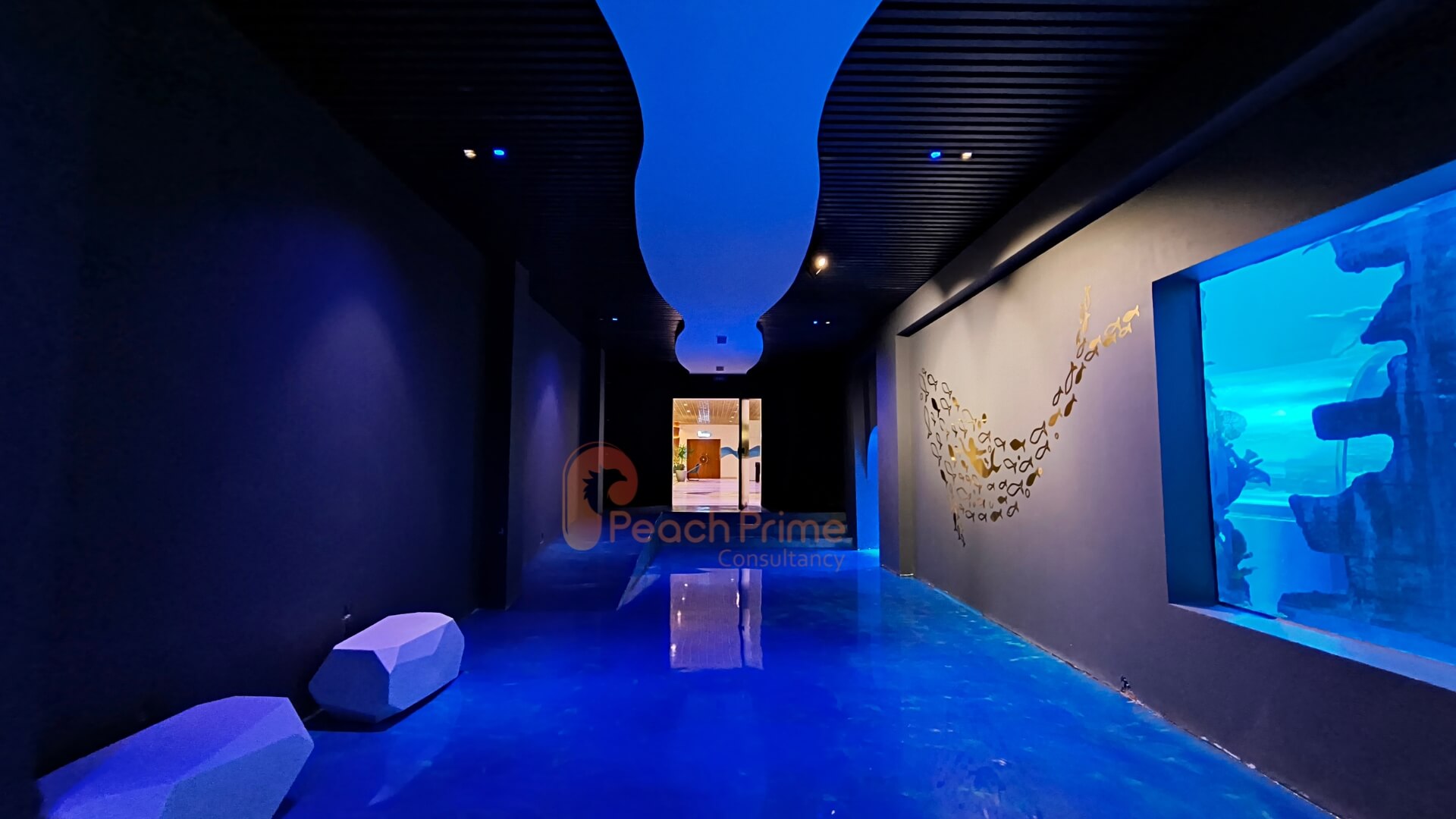
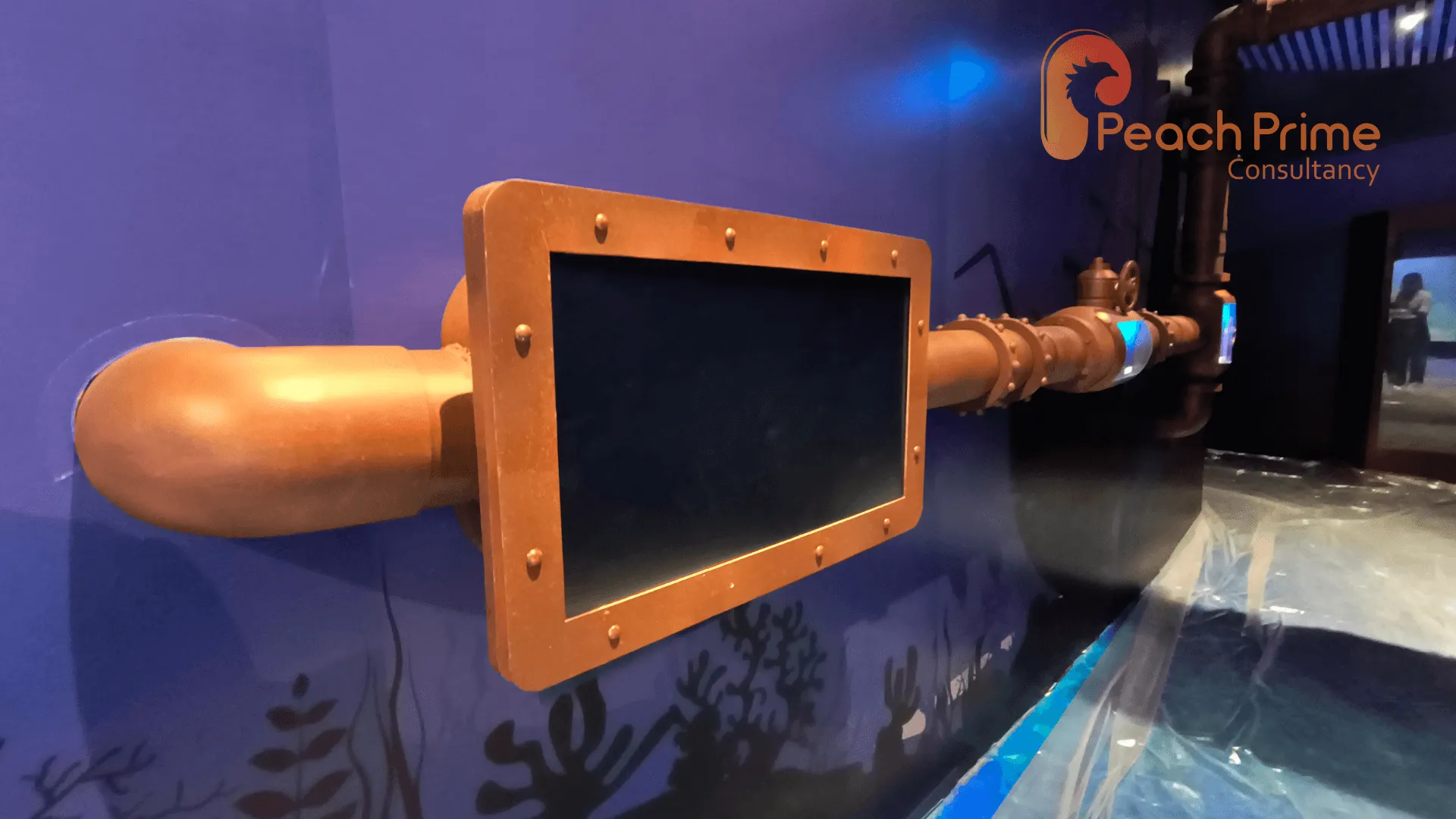
Peach Prime Consultancy is a game zone design company that gives your venue a creative identity before a single machine is placed. As an independent game zone design consultant in India, we develop the theme narrative, mood, and visual language that make an arcade and amusement gaming venue memorable, shareable, and hard to copy. We work with clients across India and on gaming venue projects across Asia and other global markets.
Concept and theme design is the foundation of the whole project. It sets the direction that the layout, the equipment plan, and the interior all follow, which is why we treat it as a commercial decision and not only a creative one. A clear concept is also one of the cheapest ways to compete, because it gives visitors a reason to choose your venue and to come back.
What Is Game Zone Concept and Theme Design?
Game zone concept and theme design is the stage where the identity, story, and visual world of the venue are defined. It answers a simple question that decides everything after it: what is this game zone, and why would someone choose it over the one down the road. A clear concept turns a room full of machines into a place with a personality that visitors recognise and return to.
The concept is not decoration added at the end. It is the brief that the layout, equipment, interior, and lighting all serve. Done well, it makes every later decision easier and keeps the venue consistent from the entrance to the prize counter.
Why Theme Matters in a Game Zone
Machines are available to everyone, so the equipment alone rarely sets a venue apart. The theme is the part competitors cannot simply buy. A distinctive theme makes a venue worth photographing and sharing, which brings free reach on social media. It encourages longer visits and repeat trips, and it can justify premium pricing because the experience feels worth more. In a crowded market, the concept is often the difference between a venue people seek out and one they walk past.
What Our Concept and Theme Design Covers
- Theme narrative and story. The central idea that gives the venue meaning and ties the zones together.
- Mood boards and visual language. Colour, texture, and style references that guide every later design decision.
- Zoning concept. How themed areas relate to one another so the space reads as one journey rather than scattered machines.
- Brand identity and naming support. Help with the venue name, logo direction, and tone where required.
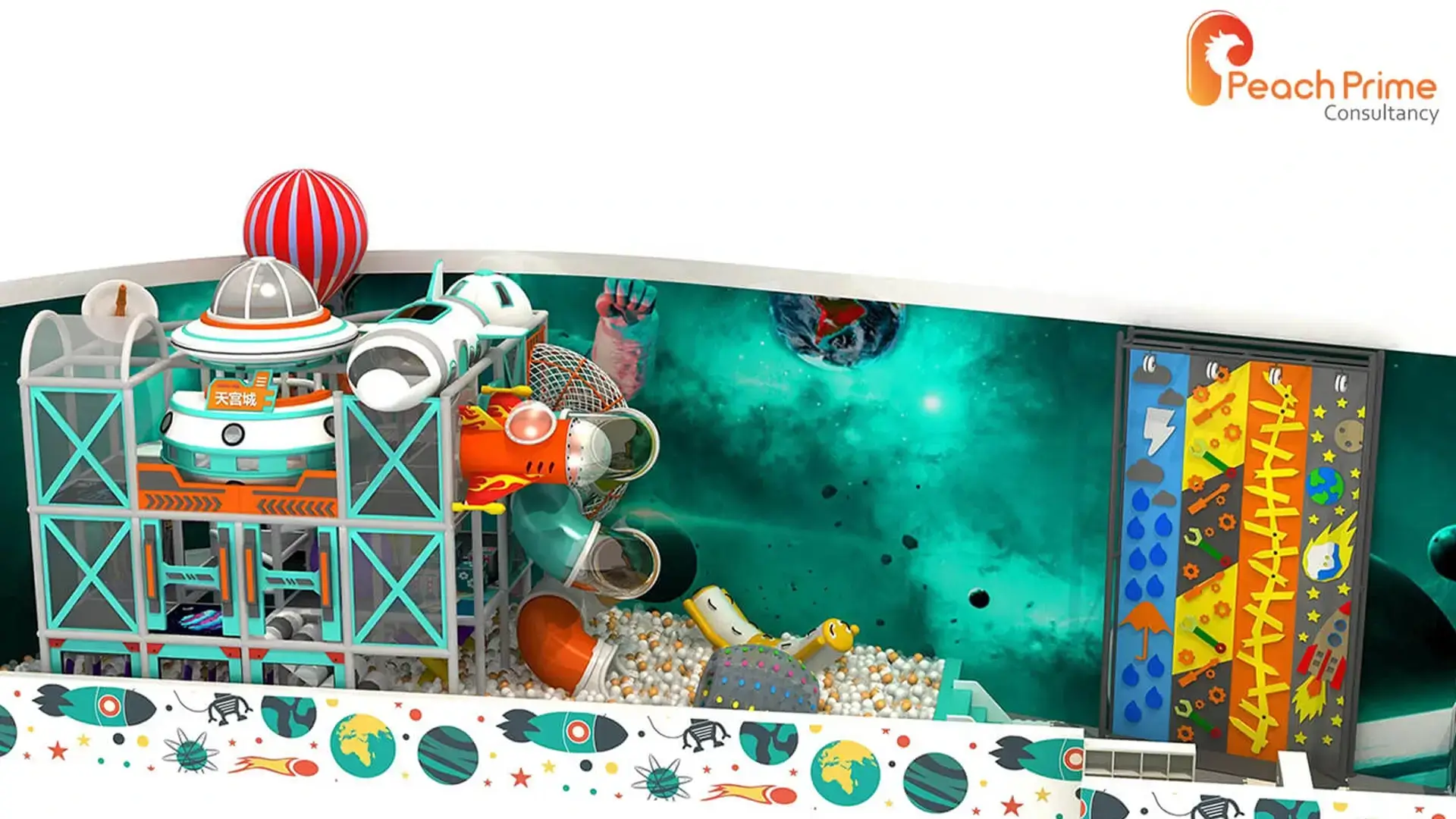
- Concept visuals. Illustrative references and concept imagery that let stakeholders see the idea before investment.
Popular Game Zone Themes
Themes work best when they fit the audience and the setting rather than chasing a trend. The table below sets out directions we often explore and where each tends to work.
|
Theme direction
|
Look and feel
|
Best suited to
|
|
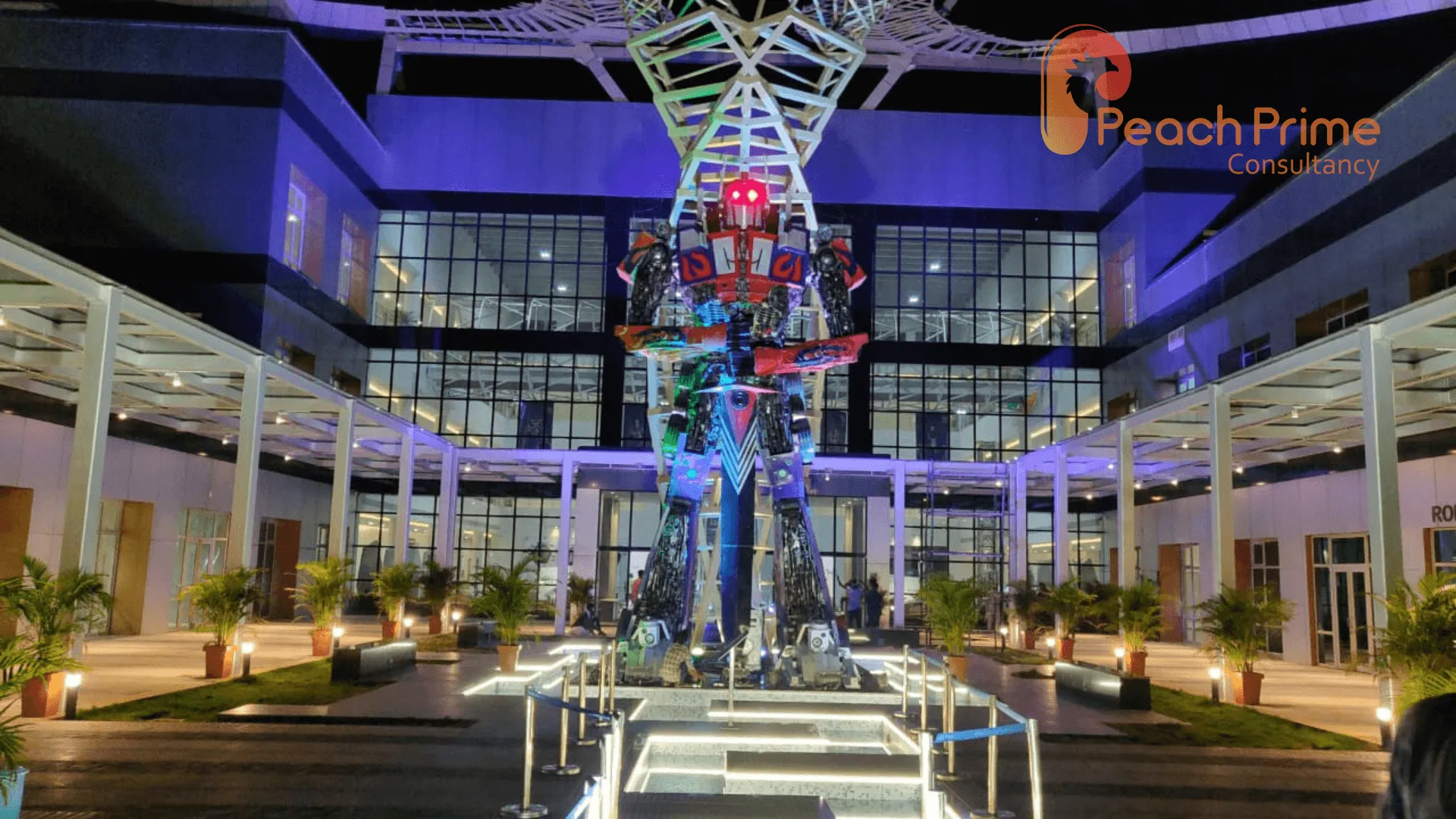
Futuristic and sci-fi
|
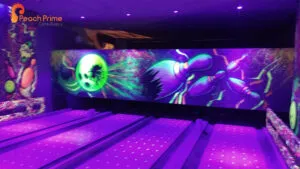
Neon, dark surfaces, glowing accents
|
Teen and young adult audiences
|
|
Retro arcade
|
Classic cabinets, bold colour, nostalgia
|
Broad, all age appeal
|
|
Adventure and fantasy
|
Story worlds, immersive sets
|
Families and younger visitors
|
|
Sports
|
Energetic, team and competition cues
|
Groups and social play
|
|
Kids world
|
Bright, soft, playful
|
Young children and parents
|
Matching the Theme to Your Audience and Location
The right theme depends on who lives and visits nearby, and on what the location can support. A family heavy catchment near a mall food court suits a different theme to a youth focused venue near a college or an IT park. We study the catchment and the competing venues, then choose a direction that the local audience will travel for and that leaves room to grow. The theme also has to suit the building, the budget, and the operating model, so it is practical to build and to maintain.
Theming a Game Zone Inside an FEC or Mall
When a game zone sits inside a family entertainment centre or a mall, the theme has to work with its surroundings rather than fight them. We design the concept so it reads as a deliberate part of the wider destination while still standing out as a distinct attraction. This balance keeps the venue coherent for visitors and supports the anchor role a game zone often plays.
How We Develop a Game Zone Concept
- Briefing. We capture the audience, location, budget, and commercial goals.
- Research and positioning. We study the catchment and nearby venues to find a gap worth owning.
- Concept directions. We present a few distinct theme directions with visual references.
- Refinement. We develop the chosen direction into a clear, usable concept.
- Concept pack. We hand over a concept that the layout and interior stages build on directly.
Common Theming Mistakes to Avoid
- A theme with no story. Decoration without a narrative feels random and forgettable.
- Copying a competitor. A me too theme gives visitors no reason to switch venues.
- A theme that is hard to maintain. Finishes that look tired quickly cost more than they earn.
- Leaving theming until the end. Bolting a theme on after the layout is set produces a disjointed venue.
Why Choose Peach Prime
- Concept built for commerce. We tie creativity to footfall, dwell time, and differentiation, not decoration alone.
- Joined up design. The concept feeds straight into our layout, equipment, and interior work, so nothing is lost between stages.
- Independent view. We are not selling machines, so the concept is shaped around your audience and returns.
- Experience across markets. We design gaming and entertainment venues for clients in India and worldwide.
Global and Asia Reach
Peach Prime is headquartered in Vadodara, India, and our game zone concept and theme design work extends across India and into Asia, the Middle East, and other global markets. We support international clients through a blend of remote planning and on site engagement, and we adapt every project to local visitor preferences, building norms, and budgets while holding to the same structured process. Whether the venue is in an Indian metro, a Tier 2 city, or a development overseas, the method and the level of rigour stay the same.