Peach Prime Consultancy provides signage design services for theme parks, museums, Family Entertainment Centres, water parks, adventure parks, public leisure destinations, and cultural institutions. We design comprehensive signage systems covering wayfinding signage, architectural and identity signage, interpretive and informational signage, safety and regulatory signage, and interactive digital signage, coordinated as a unified system that serves visitor orientation, reinforces destination theming, and meets all applicable safety and accessibility requirements.
Signage in an entertainment destination is often the most underestimated element of the visitor experience. A destination that is brilliant in its attraction design but poor in its signage will generate visitor frustration, reduce dwell time, and create safety and operational management challenges that erode the quality of the experience it has invested heavily to create. Peach Prime designs signage systems that are invisible in the best sense: they guide visitors confidently through the destination without effort, answer questions before they are asked, and carry the destination’s visual identity consistently across every touchpoint from the car park entrance to the ride exit.
What Is a Signage System and What Does Designing One for an Entertainment Destination Involve?
A signage system for an entertainment destination is the complete set of visual communication elements that guide visitors through the space, communicate information, reinforce the destination’s identity, and meet regulatory safety and accessibility requirements. It is not a collection of individual signs: it is a coordinated system in which every sign type is defined by a consistent set of design rules covering typography, colour, iconography, materials, mounting methods, and placement logic that together produce a coherent and intuitive visitor communication layer across the entire destination.
Signage design for entertainment destinations requires specific expertise because the visitor communication needs of a theme park, museum, or FEC are fundamentally different from those of a shopping centre, airport, or office building. Entertainment destination visitors are in a heightened state of sensory engagement and are often moving in large groups with mixed demographics including children, elderly visitors, and foreign language speakers. They need wayfinding information delivered at the right moment, in the right location, at the right scale, and in a visual language consistent with the themed environment they are experiencing. Signage that interrupts the immersive experience with visually inconsistent or poorly placed elements damages the quality of the overall visit.
Peach Prime designs signage systems that function as a fourth layer of the destination design, sitting alongside the architectural, landscape, and interior design layers and working with all three to create a coherent visitor environment. Every signage decision is made with reference to the visitor flow design, the thematic character of each zone, the demographic profile of the expected visitor, and the operational requirements of the destination management team.
Our Signage Design Services
Peach Prime delivers signage design across three core service areas covering the full range of visitor communication needs within an entertainment destination.
Wayfinding Signage Systems | Wayfinding signage is the primary navigation layer of the destination, guiding visitors from arrival through all zones to facilities and exits. We design wayfinding systems covering entrance and arrival orientation signs, directional signs at decision points, zone identification and map panels, facility locator signs for toilets, first aid, food and beverage, and exit routes, and car park and external approach signage. Wayfinding system design covers sign type hierarchy, placement logic, mounting height and angle standards, typography and icon standards, and a signage location plan showing the position of every wayfinding sign across the destination. |
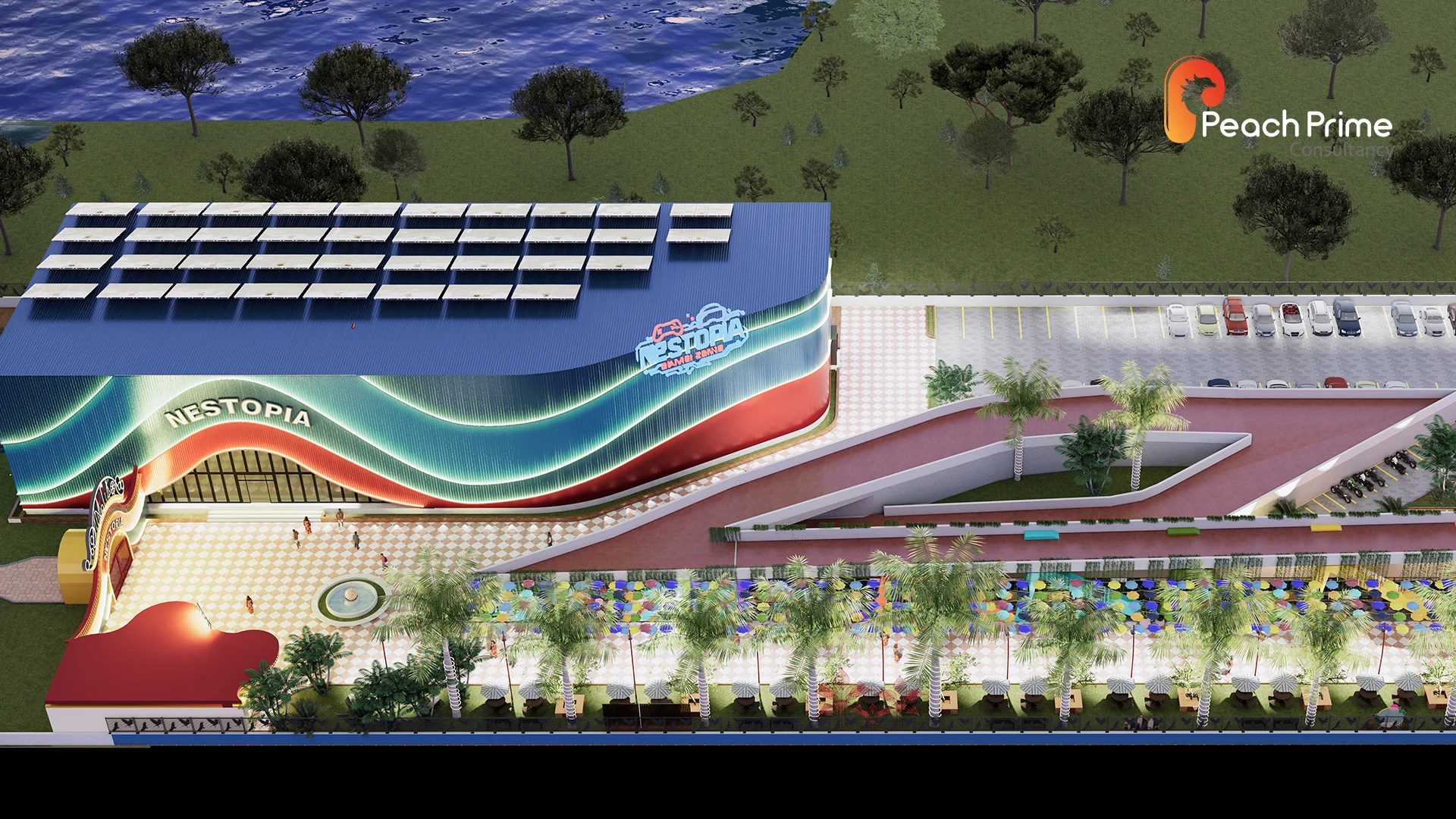
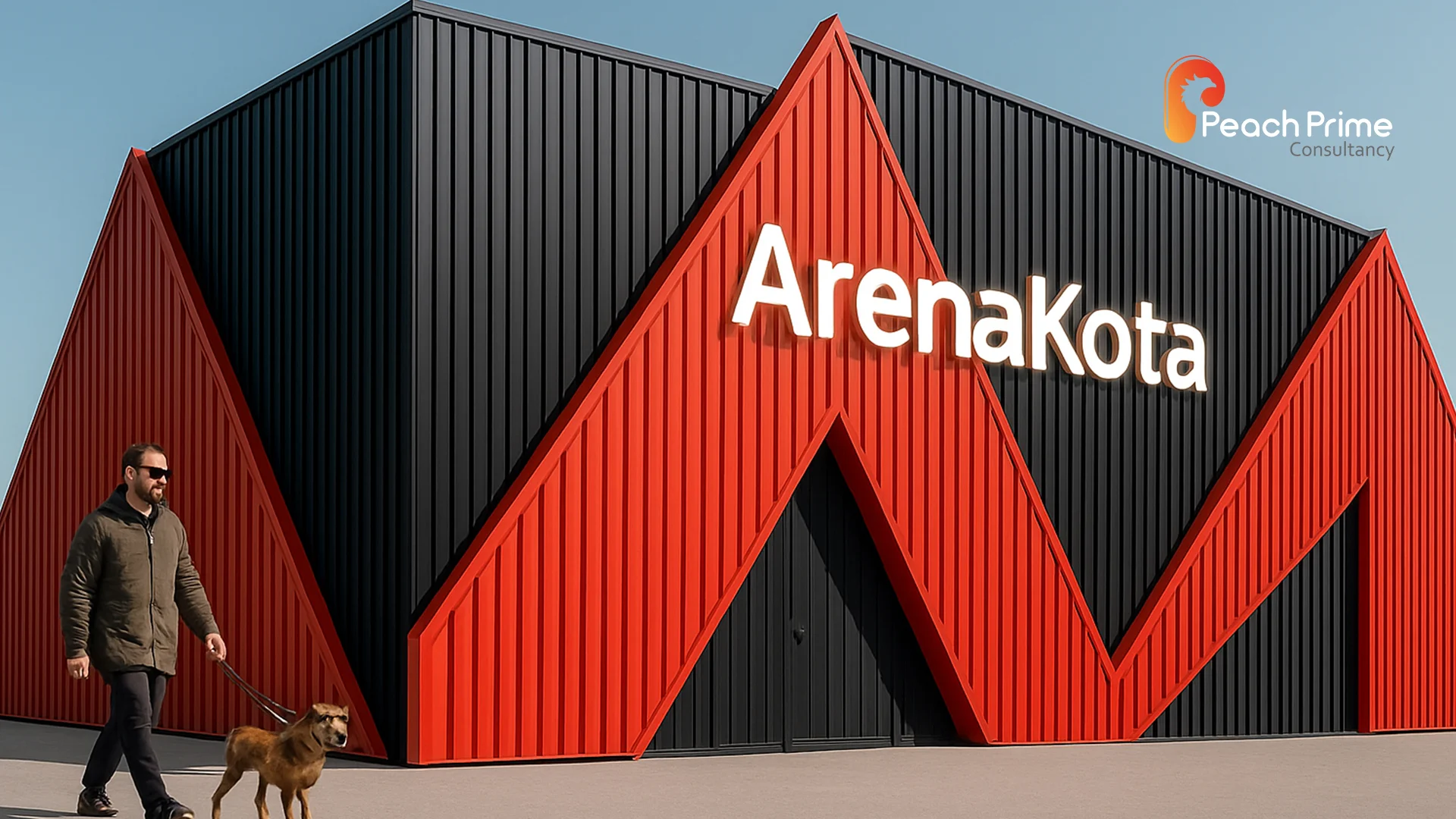
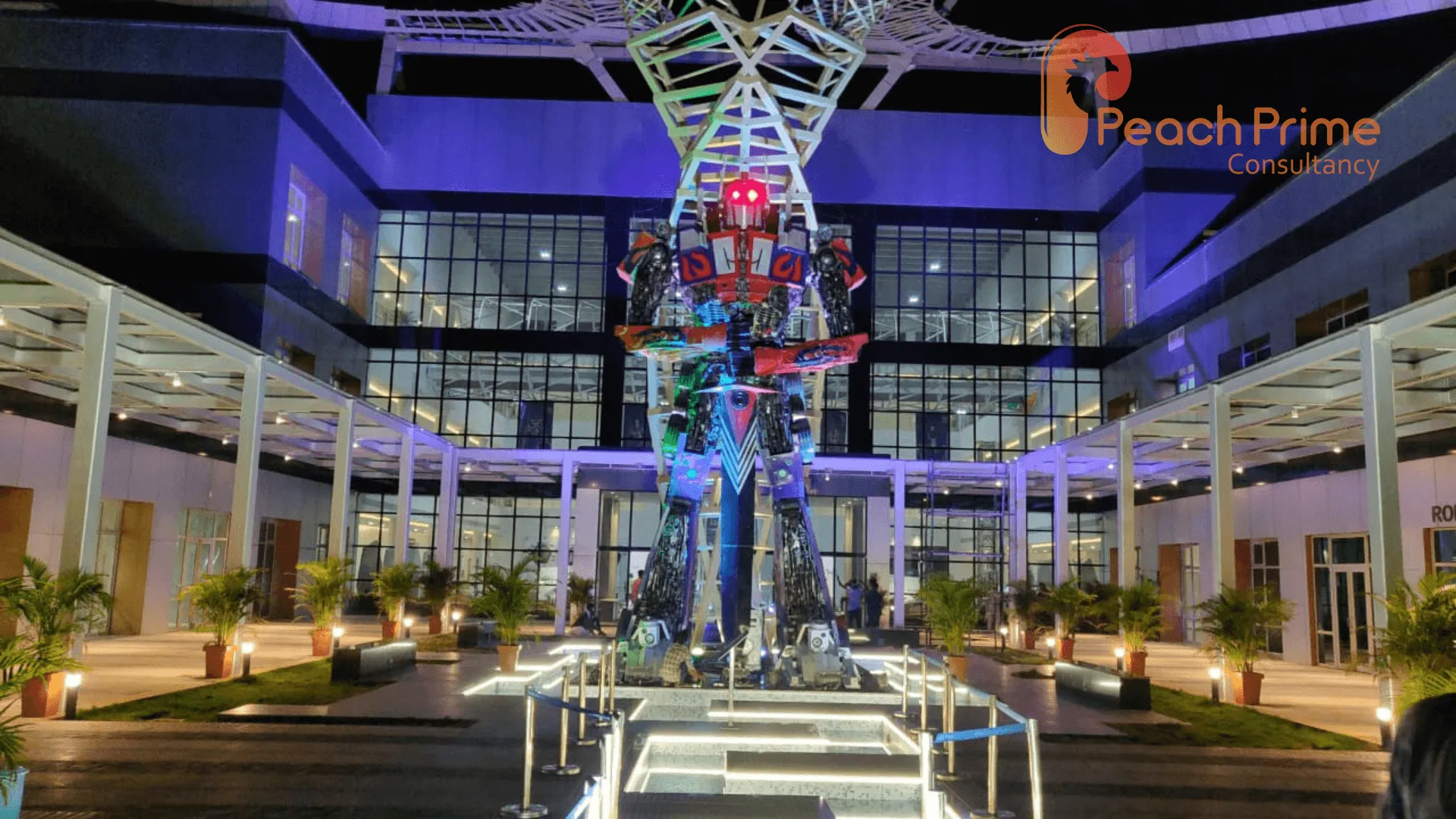
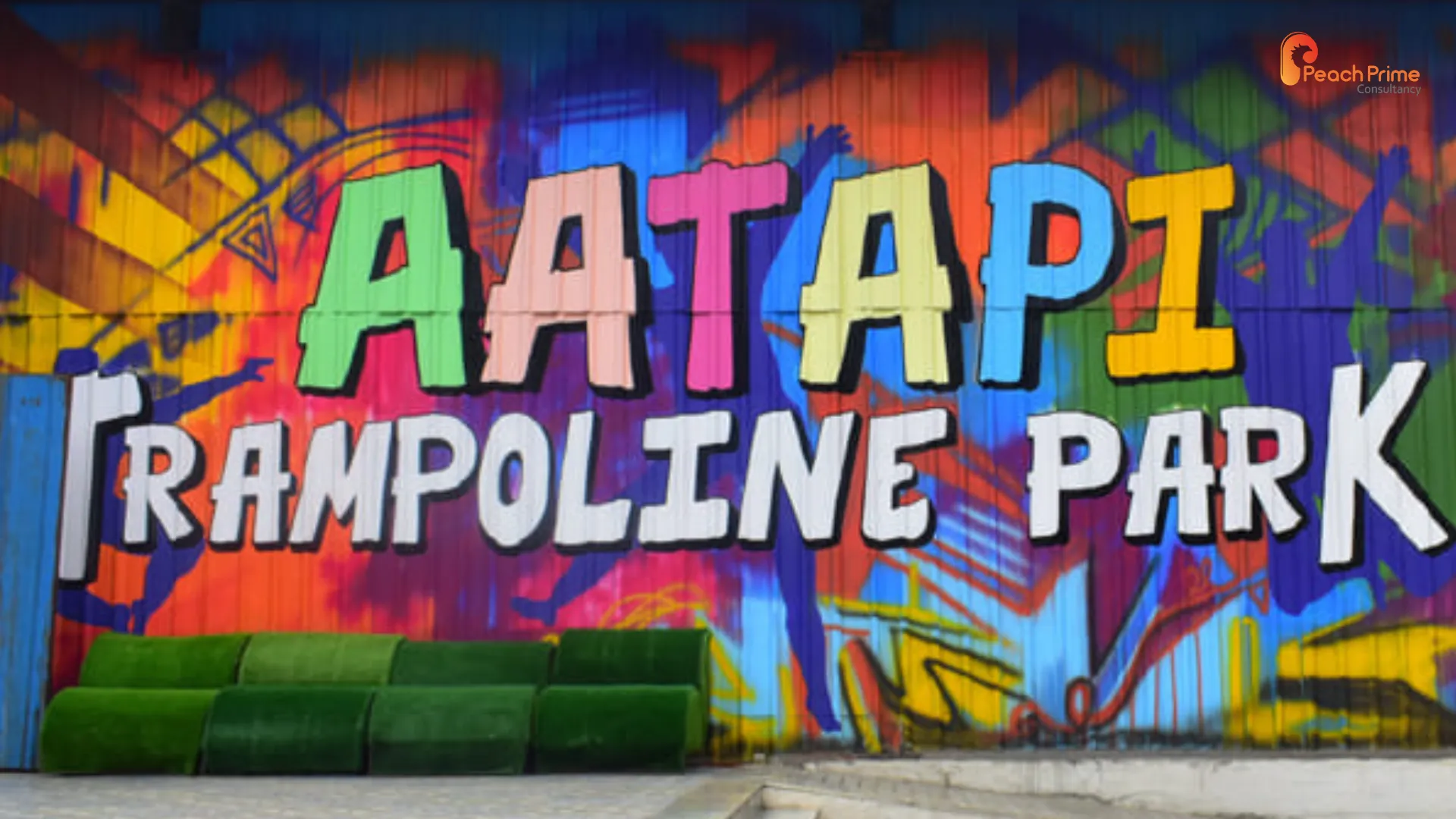
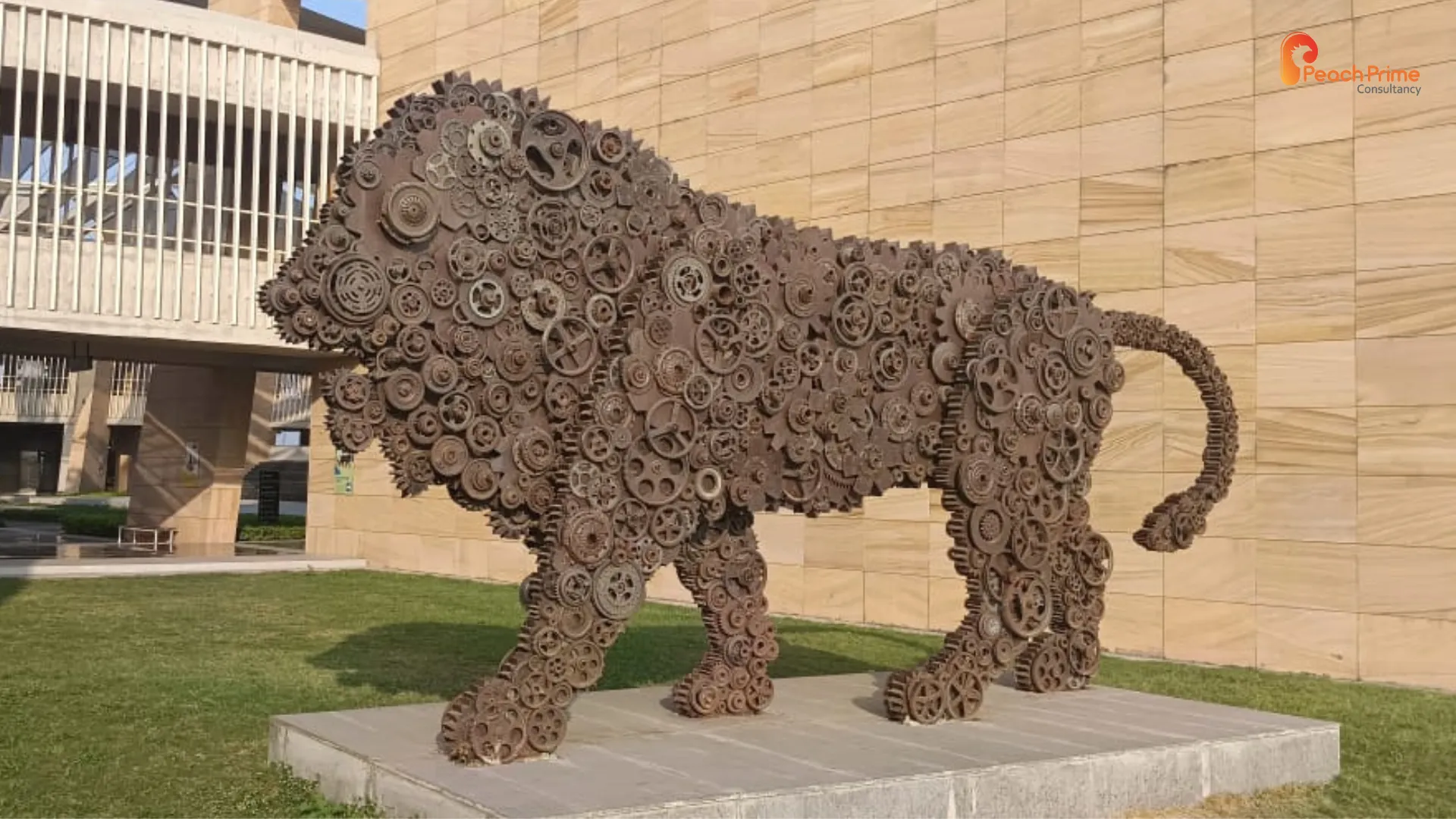
Architectural Signage | Architectural signage encompasses the identity and character signs that define the visual identity of the destination and each of its themed zones at an architectural scale. This includes entrance identity structures and gateway signs, zone name and character signs, attraction title signs and ride identifiers, F&B and retail outlet identity signs, and large-format decorative signage elements that carry the thematic vocabulary of each zone. Architectural signage is designed as an integrated component of the themed environment rather than as a separate graphic applied to a generic structure, ensuring sign structures and materials are consistent with the character of each zone. |
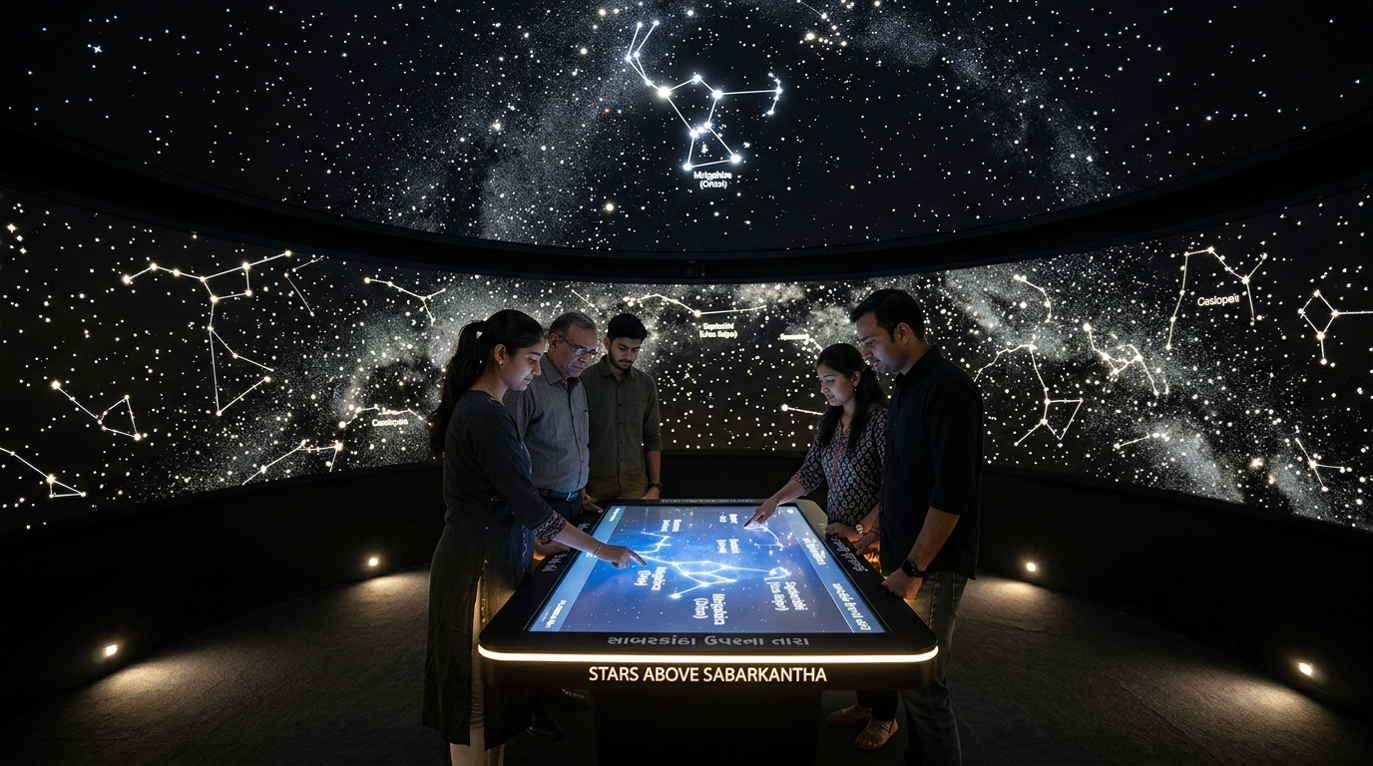
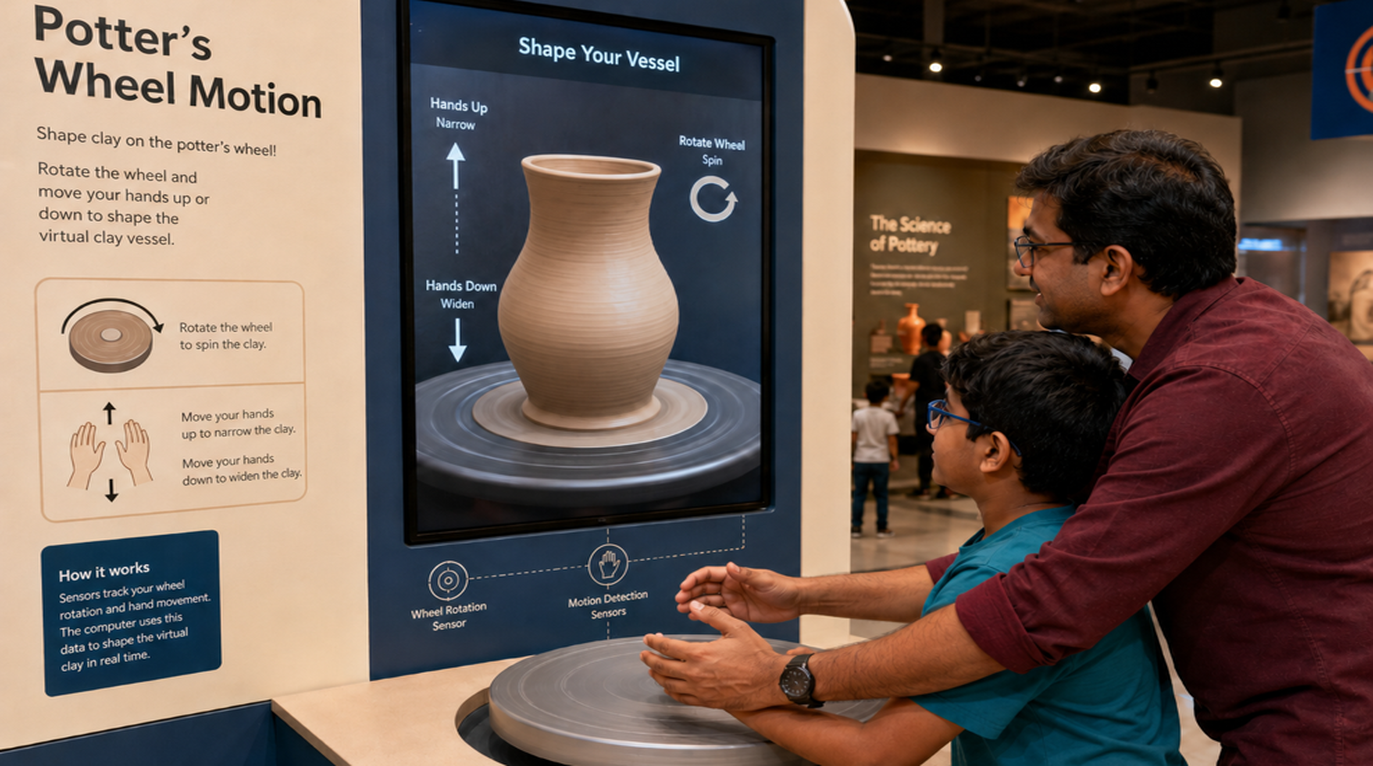
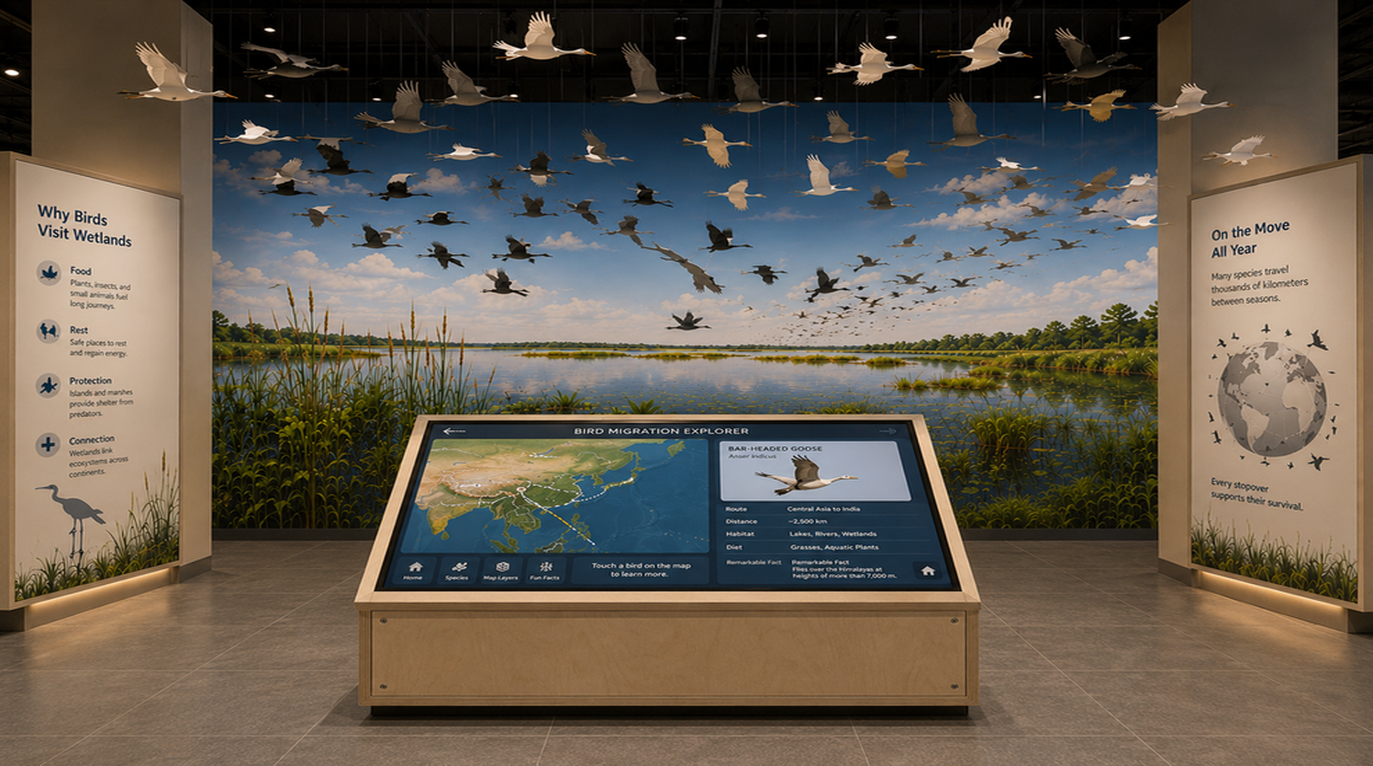
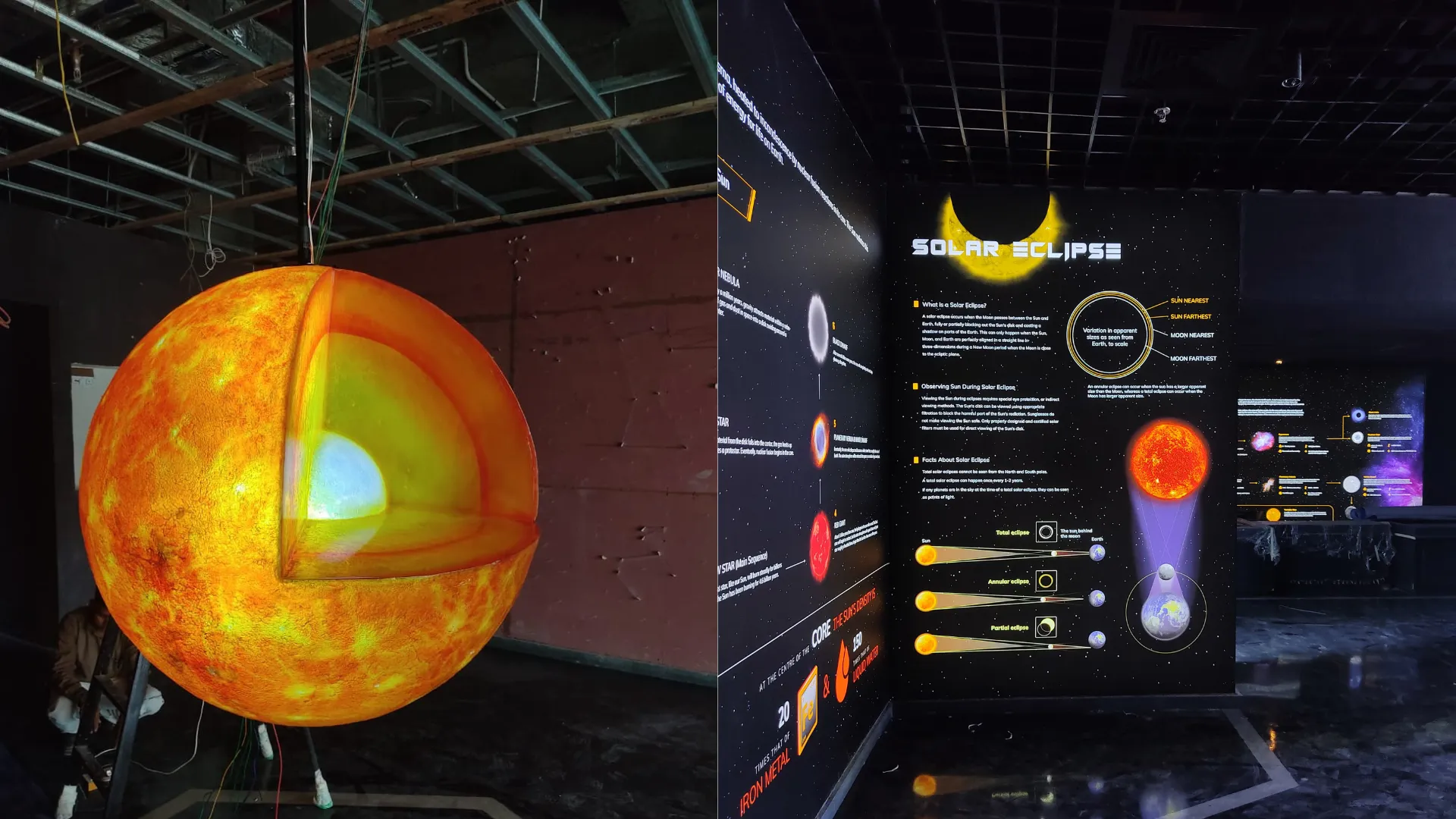
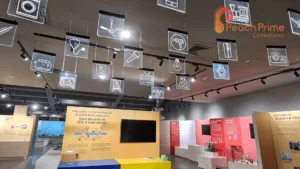
Interactive Digital Signage | Interactive digital signage encompasses dynamic and touch-enabled signage systems that provide real-time information, enhance visitor engagement, and reduce the need for static printed signage that becomes outdated. We design interactive digital signage systems for entertainment destinations covering digital wayfinding kiosks with touch-navigation and real-time queue time information, digital attraction information boards, digital F&B menu boards with dynamic pricing and availability, interactive exhibit interpretation panels in museum environments, and digital feedback and visitor survey stations. Interactive digital signage specifications cover hardware selection, software platform, content management system, network infrastructure, and maintenance access requirements. |
How Peach Prime Designs a Signage System
Our signage design process follows six structured phases from visitor flow analysis and signage audit through to installation coordination and system documentation. The process is designed to produce a complete, consistent, and implementable signage system rather than a collection of individual sign designs.
Phase | What We Deliver |
Phase 1 Visitor Flow Analysis and Signage Brief | We begin with a detailed analysis of the destination’s visitor flow routes, decision points, zone structure, and visitor demographic. We identify every location where a visitor needs information to navigate confidently, every point where orientation may be lost without intervention, and every facility whose location needs to be communicated proactively. We also review the destination’s brand identity, thematic character guidelines, and any existing signage standards. This analysis produces the signage brief document that defines the scope, objectives, and design parameters for the signage system. |
Phase 2 Sign Type Hierarchy and Design Standards | We develop the sign type hierarchy for the destination, defining every category of sign in the system with its function, size range, mounting method, and placement rules. We develop the design standards document covering typography, colour palette, icon library, material and finish standards, and the visual relationship between signage and the themed environment. The design standards document is the rulebook for the entire signage system and ensures consistency across all sign types and all zones of the destination. |
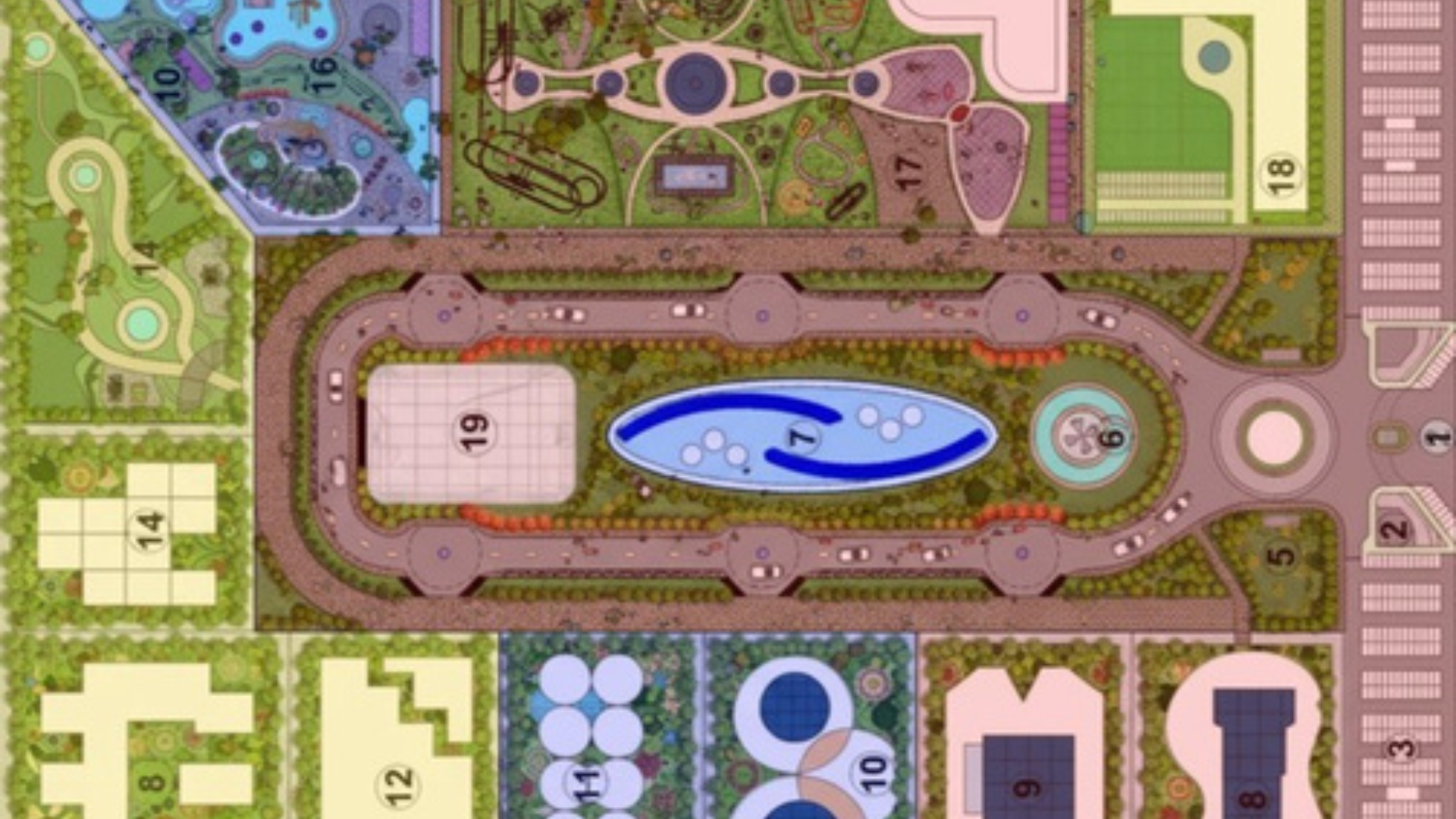
Phase 3 Wayfinding System Layout | We produce the wayfinding system layout, positioning every directional and orientation sign across the destination on a site plan with sign type annotation, mounting height, and facing direction. The layout is reviewed against the visitor flow analysis to confirm that every decision point is served by appropriate signage and that no navigation gaps exist. The wayfinding layout is the primary document used to scope and cost the signage manufacturing and installation programme. |
Phase 4 Sign Design and Visualisation | We produce design drawings for every sign type in the system, showing face layout, typography, iconography, colour, material treatment, structural form, and mounting detail. For architectural signage, we produce 3D renders showing the sign in its installed context within the themed environment. Sign designs are reviewed by the client and by the destination’s thematic design team before being approved for production documentation. |
Phase 5 Production Documentation | We produce the complete production documentation set for the signage system, covering fabrication drawings for every sign type, material and finish specifications, structural and mounting details, electrical specifications for illuminated signs, content templates for digital signage, and a sign schedule listing every sign in the system with its type, location, dimensions, and quantity. This documentation set is used to tender the signage manufacturing and installation to specialist signage contractors. |
Phase 6 Installation Coordination and System Documentation | We coordinate the signage installation programme, reviewing installed signs against approved designs and placement plans, confirming mounting quality and alignment, and commissioning digital signage systems. We produce the final signage system documentation covering the as-built sign location plan, maintenance and replacement procedures for each sign type, content update procedures for digital signage, and the design standards document for future additions and replacements. |
Destinations Where Professional Signage Design Makes the Greatest Difference
- Theme parks where multiple themed zones, dozens of attractions, and large simultaneous visitor volumes require a highly structured and clearly hierarchical wayfinding system
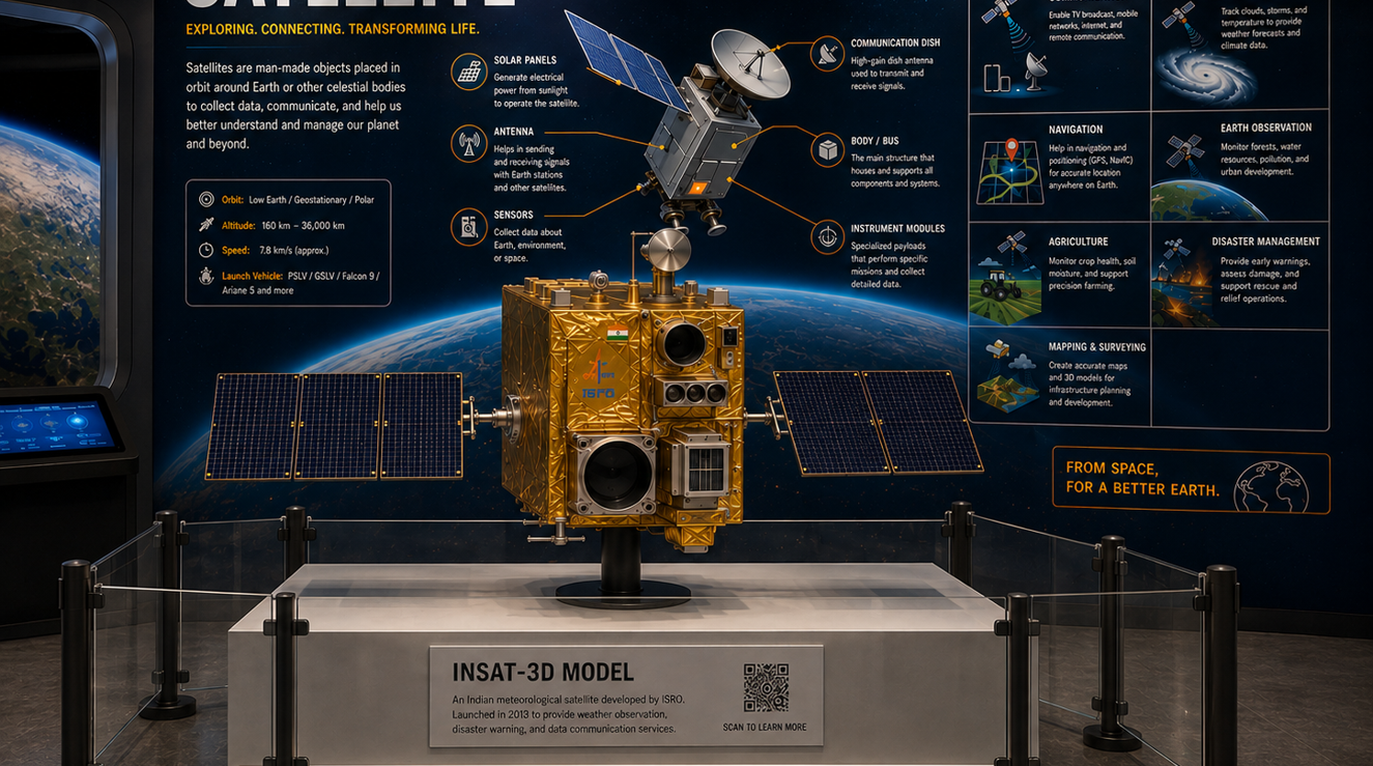
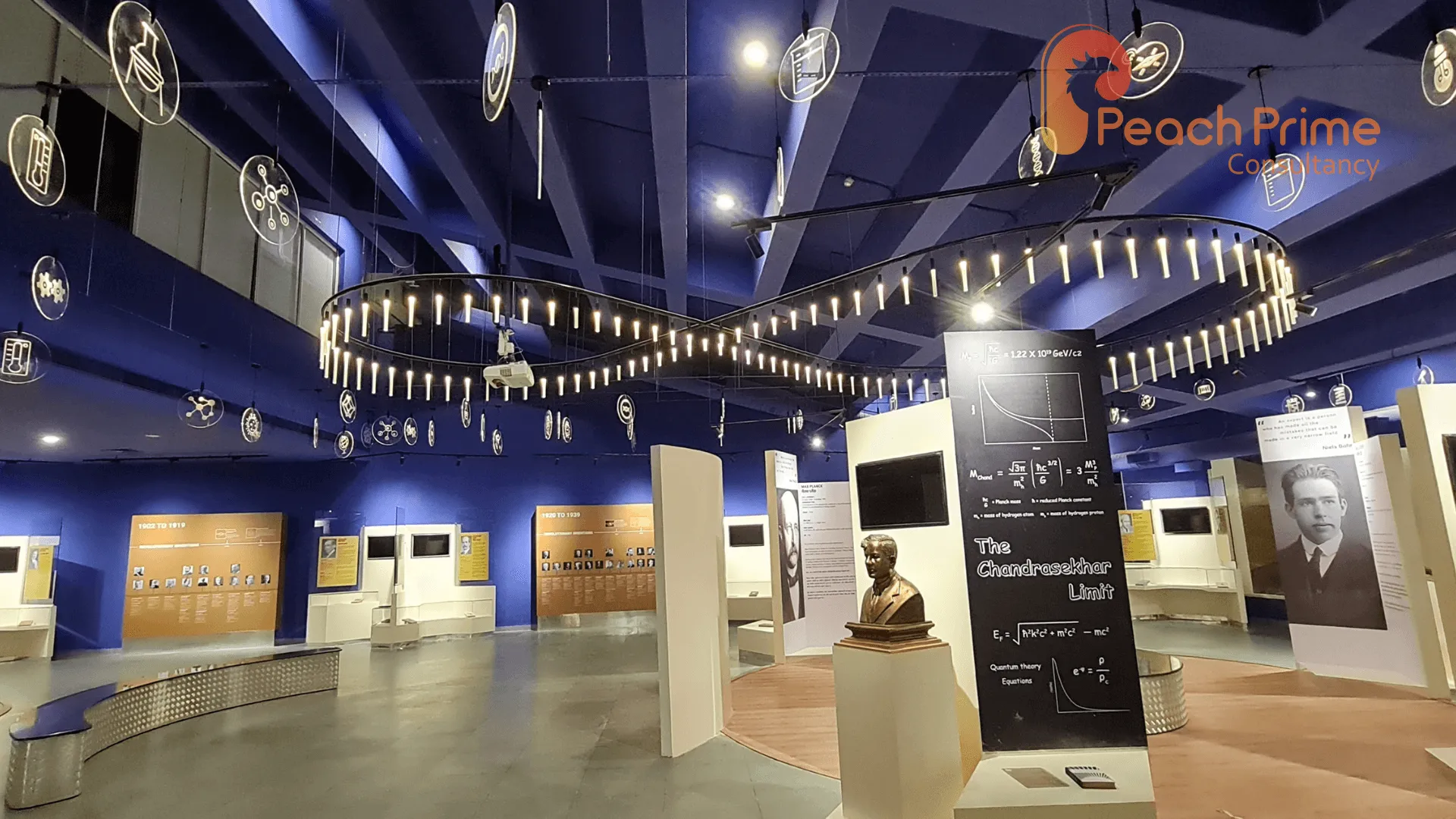
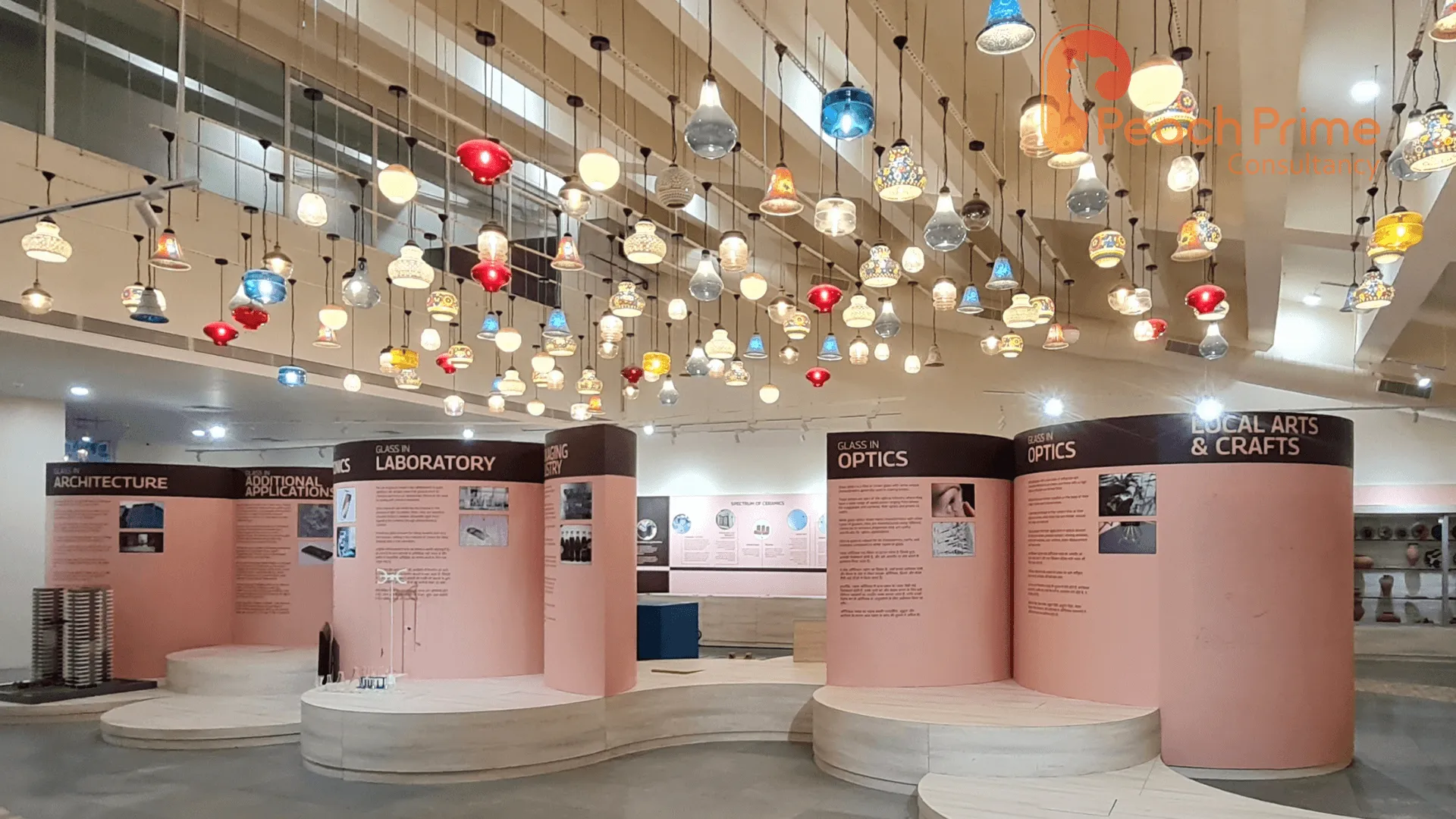
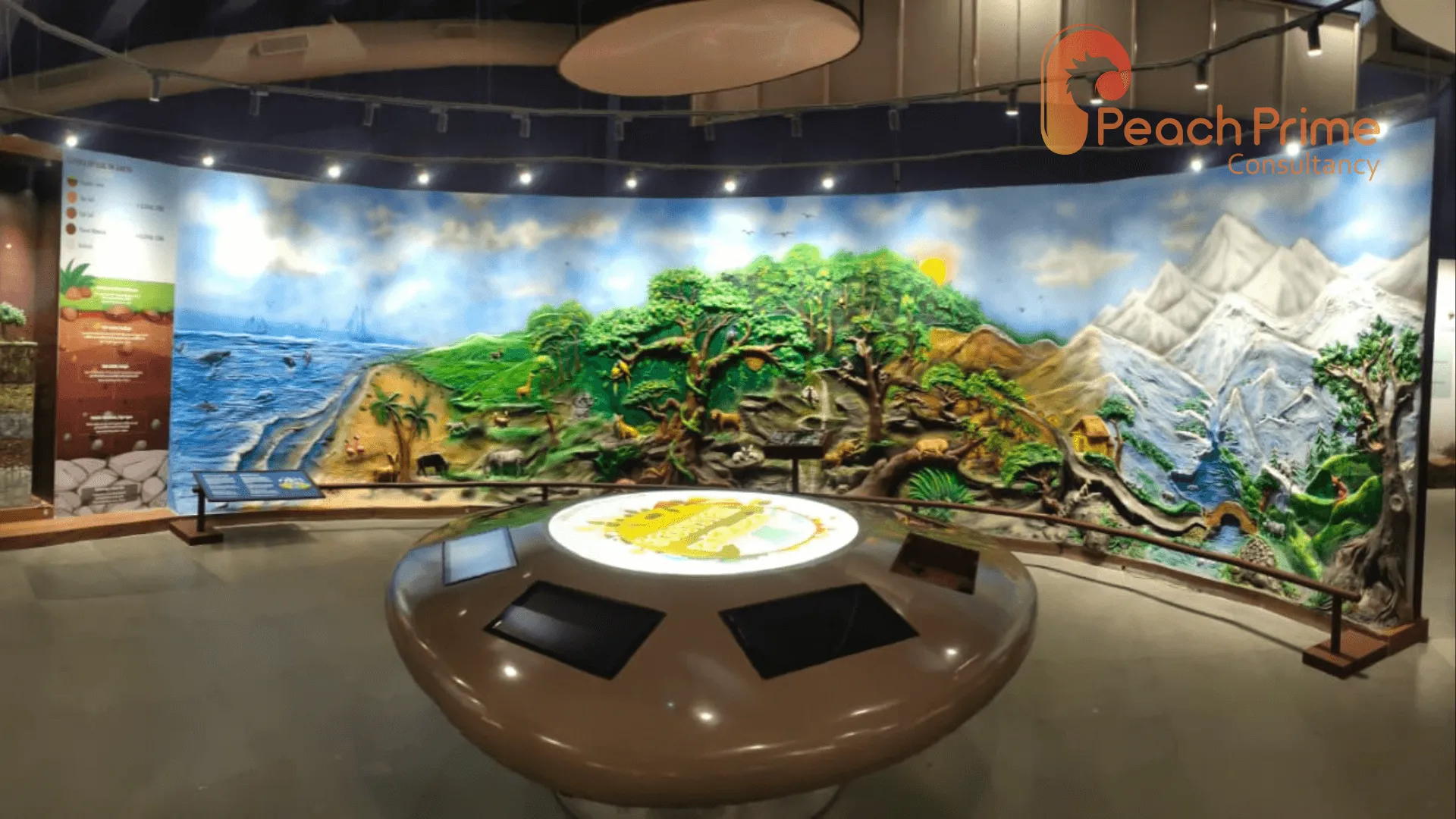
- Museums and science centres where interpretive signage must communicate complex content to varied literacy and knowledge levels while maintaining the aesthetic character of each gallery
- Family Entertainment Centres where signage must orient visitors quickly across a compact multi-activity space and clearly communicate activity rules, age and height restrictions, and safety requirements
- Water parks where safety and regulatory signage must meet health authority requirements without visually dominating the themed environment
- Adventure parks where hazard warning, safety instruction, and activity briefing signage must be prominent, legible under outdoor light conditions, and unambiguous to visitors of all literacy levels
- Heritage and cultural sites where signage must respect conservation constraints on fixing and installation while providing adequate visitor orientation and interpretation
- Public leisure destinations and civic parks where multi-language wayfinding and accessible signage formats serve diverse visitor demographics
- Resort and hotel leisure destinations where signage must carry the property’s brand identity consistently across all leisure facilities and external approach routes
Why Choose Peach Prime Consultancy for Signage Design?
Signage designed as a destination layer, not a standalone product: Most signage contractors design signs in isolation from the destination’s thematic and spatial design. The result is signage that is technically compliant but visually inconsistent with the themed environment it is placed within, reducing the immersive quality of the destination. Peach Prime designs signage systems as an integrated layer of the destination design, working from the same thematic guidelines as the architectural and interior design teams to produce signage that reinforces rather than undermines the visitor environment.
Wayfinding design grounded in visitor behaviour: Wayfinding systems that look logical on a plan frequently fail in practice because they do not account for how visitors actually move through a destination, where they look for information, and what information they need at each stage of their journey. Peach Prime develops wayfinding systems from a visitor behaviour analysis rather than from a plan view, ensuring signs are placed where visitors need them rather than where they are convenient to install.
Safety and regulatory compliance built in: Entertainment destinations have specific signage requirements for safety, accessibility, emergency egress, and health authority compliance that must be met as a non-negotiable baseline. Peach Prime designs safety and regulatory signage into the complete signage system from the outset, ensuring compliance requirements are met without creating visual conflicts with the thematic and wayfinding signage layers.
System documentation for long-term consistency: A signage system that is well designed at opening but has no documentation for future additions or replacements deteriorates in consistency as the destination grows and changes. Peach Prime delivers a complete signage system documentation set with every engagement, covering design standards, fabrication specifications, placement rules, and content management procedures that allow the operating team to maintain system consistency for the life of the destination.
Frequently Asked Questions: Signage Design for Entertainment Destinations
Q1. What is wayfinding signage design?
Wayfinding signage is the system of directional signs, maps, icons, and landmarks that helps visitors navigate a destination intuitively – reducing confusion, staff queries, and congestion while reinforcing the destination’s theme and brand at every turn.
Q2. Why is signage critical in theme parks and FECs?
Poor wayfinding measurably reduces guest satisfaction and spending – lost guests skip attractions and F&B. Well-designed signage increases attraction utilization, distributes crowds, and doubles as themed photo moments that extend the park’s storytelling.
Q3. What is included in signage design services?
Signage master planning, wayfinding strategy, design of entrance/directional/identification/safety signage, themed 3D signage design, material and lighting specification, and fabrication drawings with vendor coordination.
Q4. What materials are used for park signage?
Weather-proof FRP and GRC themed signs, ACP and metal fabricated signs, LED-illuminated and neon-effect signage, digital displays, and printed wayfinding – selected for Indian climate durability and maintenance ease.
Q5. What is interactive signage?
Digital signage that responds to guests – touchscreen directories, real-time queue displays, AR-triggered information points, and personalized greetings – increasingly used in FECs and museums to blend navigation with engagement.
Q6. How much does destination signage cost?
A complete signage package for a mid-size park or FEC typically costs ₹25 lakh–2 crore covering design and fabrication, depending on theming intensity and digital content.